- Company Articles
- Products and Technology
- Solution
- 3C Assembly Line Customization: T-Groove Aluminum Pipe Systems for Electronics

3C Assembly Line Customization: T-Groove Aluminum Pipe Systems for Electronics
Related Product
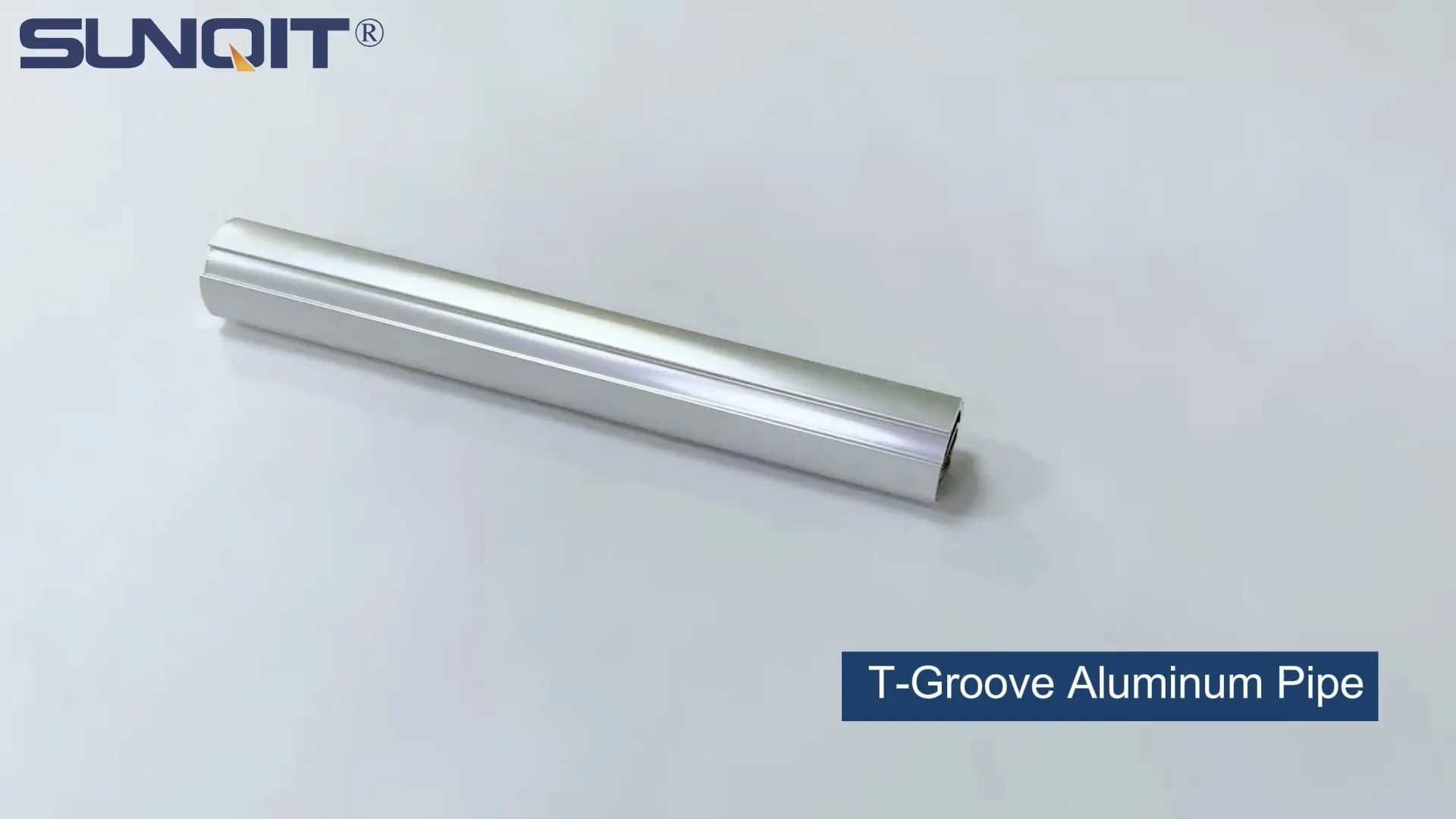
T-Groove Aluminum Pipe
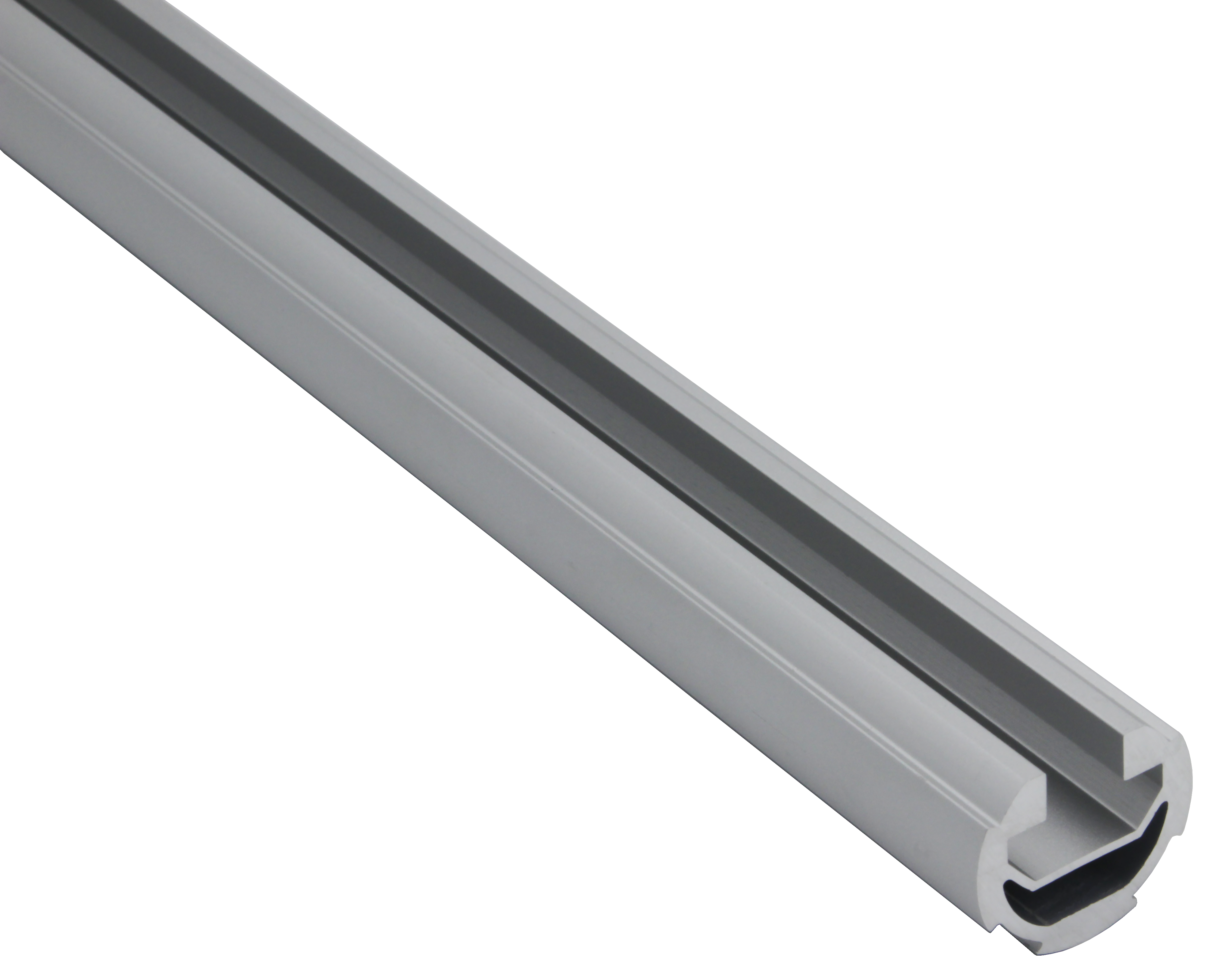
The aluminum pipe opening 10mm is installed into the T-shaped slider, which can be installed with casters or other matching functional parts. The groove can be used for positioning and is used for the track of the roller.
The Pulse of 3C Manufacturing: Why Customization Matters
Walk into any modern electronics factory, and you'll feel it immediately—the hum of precision, the urgency of speed, and the quiet pressure of constant innovation. The 3C industry (computers, communications, consumer electronics) moves at a pace that leaves many manufacturing sectors in the dust. New smartphones, tablets, and wearables hit the market every few months, each with slimmer designs, more complex components, and tighter production tolerances. For assembly line managers, this reality isn't just a challenge—it's a daily balancing act between rigidity and adaptability.
Traditional assembly systems, built with fixed steel frames or one-size-fits-all conveyor belts, were never designed for this kind of dynamism. A factory might invest in a production line tailored to a specific smartphone model, only to find that six months later, the next generation requires a completely different workflow. Reconfiguring those old systems? It's costly, time-consuming, and often means halting production—something no manufacturer can afford in an industry where delays translate directly to lost market share.
This is where the demand for customization has grown from a "nice-to-have" to a "must-have." Today's 3C manufacturers need assembly lines that can pivot quickly, scale up or down based on demand, and accommodate everything from tiny circuit boards to bulky packaging. They need systems that don't just support production—they evolve with it. And increasingly, the solution to this challenge is being found in an unlikely place: T-groove aluminum pipe systems.
Beyond Steel and Rigidity: The Rise of T-Groove Aluminum Pipe
For decades, steel was the go-to material for industrial framing. It's strong, durable, and familiar. But steel has a fatal flaw in the 3C world: it's heavy, hard to modify, and unforgiving when designs change. Aluminum, on the other hand, has long been celebrated for its lightweight properties and corrosion resistance, but early aluminum framing systems lacked the versatility needed for complex assembly lines. That changed with the development of T-groove aluminum pipe—a design that marries the best of aluminum's strengths with a level of adaptability that steel could never match.
At first glance, T-groove aluminum pipe looks deceptively simple: sleek, silver profiles with a continuous T-shaped channel running along their length. But that channel is the key to its magic. It allows for quick, tool-free attachment of accessories—brackets, shelves, conveyor tracks, even entire workbenches—without welding or drilling. Need to add a new component holder to a workstation? Slide a bolt into the T-groove, tighten, and you're done. Want to reposition a conveyor section to accommodate a new product size? Loosen a few fasteners, adjust, and lock it back in place. It's a system built for the way 3C manufacturing actually works: fast, flexible, and focused on minimizing downtime.
But T-groove aluminum pipe isn't just about convenience. It's about performance, too. Modern aluminum extrusion profiles are engineered to be surprisingly strong despite their light weight—strong enough to support heavy machinery, yet light enough that even a small team can reconfigure a workstation without specialized equipment. And because aluminum is naturally resistant to rust and corrosion, these systems hold up in the dusty, sometimes humid environments of electronics factories, where steel would start to degrade over time. For 3C manufacturers, this means lower maintenance costs and longer system lifespans—another critical advantage in an industry with tight profit margins.
The Building Blocks: Key Components of T-Groove Aluminum Systems
To understand why T-groove aluminum pipe systems are revolutionizing 3C assembly lines, it helps to break down their core components. These systems aren't just "pipes"—they're modular ecosystems, built from a handful of standardized parts that can be mixed and matched to create virtually any configuration. Let's take a closer look at the pieces that make this flexibility possible.
Aluminum Extrusion Profiles: The Backbone of Adaptability
At the heart of every T-groove system is the aluminum extrusion profile. These profiles are created through a process where raw aluminum is forced through a die, shaping it into long, uniform lengths with the signature T-groove channel. What makes these profiles so special is their precision. Manufacturers can produce profiles in specific widths, heights, and wall thicknesses, ensuring they meet the exact load requirements of a given application—whether it's a lightweight shelf for small components or a heavy-duty frame for a conveyor system.
The T-groove itself is a marvel of simplicity. Unlike traditional bolt holes, which limit where accessories can be attached, the continuous channel runs the entire length of the profile. This means you can mount brackets, shelves, or tools anywhere along the pipe, not just at fixed intervals. For 3C assembly lines, this is a game-changer. Imagine a workstation where operators need to access tools from both sides—with T-groove profiles, you can mount tool holders on either edge without drilling new holes or welding additional supports. It's customization at the speed of thought.
Workbenches: Where Precision Meets Comfort
If aluminum extrusion profiles are the backbone, then workbenches are the workhorses of the system. In 3C manufacturing, workbenches aren't just tables—they're command centers where operators assemble delicate components, test circuit boards, or package finished products. And because every task has unique requirements, a one-size-fits-all bench simply won't cut it.
T-groove aluminum workbenches solve this by letting manufacturers build exactly what they need. Need a bench with an ESD (electrostatic discharge) surface to protect sensitive electronics? Start with a base frame of aluminum profiles, add a conductive top, and integrate grounding strips via the T-groove. Want a bench that adjusts in height to accommodate operators of different sizes? Use telescoping aluminum legs with locking mechanisms in the T-grooves. Even accessories like LED task lights, bin holders, or cable management clips can be added or repositioned as needed.
One electronics manufacturer in Shenzhen, for example, recently switched to T-groove workbenches for their circuit board assembly line. Previously, their fixed-height benches forced operators to hunch over for hours, leading to fatigue and slower production. By customizing adjustable-height benches with T-groove profiles, they reduced operator strain by 30% and saw a 15% increase in daily output. It's a small change with a big impact—made possible by the modularity of the system.
Connectors and Accessories: The Glue That Holds It All Together
No modular system is complete without the right connectors, and T-groove aluminum systems excel here, too. From simple corner brackets to complex 3-way joints, these accessories are designed to lock profiles together securely while still allowing for easy disassembly. Many connectors use a "drop-in" design: slide them into the T-groove, tighten a screw, and they grip the profile from the inside, creating a connection that's both strong and removable.
This is critical for 3C manufacturers who need to reconfigure lines quickly. Suppose a factory needs to shift from producing smartwatches to tablets. With traditional steel frames, this might require cutting and rewelding. With T-groove connectors? Loosen the screws, take the old configuration apart, and reassemble the profiles into a new layout—often in a matter of hours. Even better, because the components are standardized, there's no need to stockpile custom parts. A single set of connectors can be reused across dozens of configurations, reducing inventory costs and simplifying maintenance.

From Blueprint to Production: How T-Groove Systems Are Customized
So, how does a manufacturer go from a vague idea ("We need a more flexible assembly line") to a fully functional T-groove system? The process is surprisingly straightforward, thanks to the modular nature of the components. Let's walk through the typical steps, using a hypothetical scenario: a mid-sized electronics company looking to build a custom line for wireless earbud assembly.
Step 1: Assess Needs and Define Requirements
The first step is always to understand the problem. For our earbud manufacturer, the key requirements might include: accommodating small, delicate components (like microphones and batteries), integrating ESD protection, supporting both manual assembly stations and automated testing equipment, and allowing for future expansion. They also need the line to be reconfigurable within 48 hours if a new earbud model is released.
Working with a T-groove system supplier, they map out the workflow: component storage → manual assembly → quality testing → packaging. Each stage has unique needs: storage might require lightweight shelving, assembly needs adjustable workbenches, testing needs secure mounting for equipment, and packaging needs conveyor tracks to move finished products to shipping.
Step 2: Design the Layout with Modularity in Mind
Next, the supplier translates these requirements into a 3D design using CAD software. Here, the modularity of aluminum extrusion profiles shines. Instead of designing a single, monolithic structure, the team breaks the line into smaller, interconnected modules: a storage rack module, three assembly workbench modules, a testing station module, and a conveyor module. Each module is built from standard profiles and connectors, making it easy to adjust individual sections without disrupting the whole line.
For example, the assembly workbenches are designed with T-groove profiles in 40mm x 40mm dimensions (a common size for medium-load applications), with ESD tops and integrated bin holders for small parts. The conveyor module uses aluminum roller tracks mounted on T-groove frames, with adjustable height to align with the workbenches. Even the testing station, which needs to support a heavy automated scanner, uses reinforced aluminum profiles with thicker walls to handle the load.
Step 3: Prototype, Test, and Refine
Before full production, most suppliers build a small-scale prototype of one or two modules. This allows the manufacturer to test the design in real-world conditions. For our earbud company, they built a single assembly workbench and tested it with operators for a week. Feedback was immediate: the bin holders were too low, causing operators to reach down frequently, and the LED lights were positioned too far from the work surface. Because the system is modular, these issues were easy to fix—they simply adjusted the height of the bin holders in the T-grooves and repositioned the lights. No redesign, no delays, just tweaks.
Step 4: Install and Integrate
Once the design is finalized, installation is surprisingly quick. Unlike steel systems, which require welding or heavy lifting equipment, T-groove aluminum profiles are lightweight enough to be handled by a small team. The modules are assembled on-site, connected via standardized connectors, and integrated with existing equipment like power supplies or data cables (routed through the T-grooves, of course). For our earbud manufacturer, the entire line was installed in just three days—half the time it would have taken with a traditional steel system.
Step 5: Adapt and Evolve
The true beauty of T-groove systems is that the customization doesn't stop at installation. A few months after launching their earbud line, the company decided to add a new step: waterproof testing. Instead of building an entirely new station, they simply disassembled one of the existing workbench modules, added a waterproof testing basin using aluminum profiles, and reconnected it to the line. The whole process took less than a day, and production continued without interruption. That's the power of a system built for change.

The Measurable Benefits: Why 3C Manufacturers Are Making the Switch
It's easy to talk about the "flexibility" of T-groove aluminum systems, but for manufacturers, the decision to switch often comes down to hard numbers. Let's look at the tangible benefits that are driving adoption in the 3C industry.
Cost Savings: From Capital Expenses to Long-Term ROI
At first glance, T-groove aluminum systems might seem more expensive than traditional steel framing. After all, aluminum is a premium material. But the upfront cost is quickly offset by long-term savings. Consider this: a steel assembly line might cost $50,000 to build, but reconfiguring it for a new product could cost another $30,000 and take two weeks of downtime. A T-groove system, by contrast, might cost $60,000 to install, but reconfiguring it could cost just $5,000 and take two days. Over the lifecycle of a product line (which, in 3C, is often just 12–18 months), the T-groove system ends up being significantly cheaper.
There are other cost savings, too. Aluminum is lighter than steel, so shipping and installation costs are lower. The modular design reduces waste—unused profiles or connectors from one project can be reused in another. And because the systems are easy to maintain, repair costs are minimal. One study by a leading manufacturing consulting firm found that 3C factories using T-groove systems reduced their total production line costs by an average of 22% over three years compared to those using traditional steel.
Speed to Market: Minimizing Downtime, Maximizing Agility
In the 3C industry, speed is everything. The faster a new product can go from design to production, the more likely it is to capture early market demand. T-groove systems accelerate this process by reducing the time between line design and launch. Traditional steel lines often require custom fabrication, which can take 8–12 weeks. T-groove systems, with their standardized components, can be designed, prototyped, and installed in as little as 4–6 weeks.
Even more importantly, they minimize downtime during reconfigurations. A smartphone manufacturer in South Korea recently reported that switching to T-groove systems reduced their line changeover time from 10 days to just 48 hours when launching a new model. That's 8 days of extra production—time that translates to millions of additional units sold in the critical early weeks after release.
Lean System Integration: Streamlining Workflows, Reducing Waste
Many 3C manufacturers have adopted lean manufacturing principles to eliminate waste and improve efficiency. T-groove systems align perfectly with this philosophy. Their modularity makes it easy to implement 5S (Sort, Set in Order, Shine, Standardize, Sustain) practices—tools and materials can be positioned exactly where they're needed, reducing unnecessary movement. Conveyor lines can be designed for continuous flow, minimizing bottlenecks. And because the systems are visible and easy to adjust, teams can quickly identify and fix inefficiencies.
For example, a lean team at a Chinese tablet factory used T-groove profiles to build a "supermarket" storage system for components, positioned just steps from the assembly line. By reducing the distance operators had to walk to retrieve parts, they cut non-value-added time by 25%. It's a small example of how T-groove systems don't just support lean principles—they enable them.
Real-World Impact: Case Studies in 3C Customization
To truly understand the value of T-groove aluminum pipe systems, let's look at how they've transformed operations for three different 3C manufacturers. These aren't hypothetical scenarios—they're real examples of how modularity, flexibility, and adaptability have translated into better outcomes.
Case Study 1: A Wearables Manufacturer Scales for Seasonal Demand
A California-based company that produces fitness trackers faced a common challenge: seasonal demand spikes. During the holiday season, they needed to double their production capacity, but for the rest of the year, that extra capacity would sit idle. Traditional fixed lines would have required building a second permanent line, which was financially unfeasible. Instead, they turned to T-groove aluminum systems.
The solution? A primary assembly line built with heavy-duty aluminum extrusion profiles for year-round use, plus a secondary "pop-up" line using lightweight T-groove components that could be assembled and disassembled as needed. The pop-up line used the same workbench designs and conveyor configurations as the primary line, ensuring consistency in production quality. When demand spiked, the team could set up the secondary line in three days using stored profiles and connectors. When demand dropped, they disassembled it and stored the components, freeing up floor space for other uses. The result? A 40% reduction in seasonal production costs and no more idle capacity during slow periods.
Case Study 2: A PCB Manufacturer Solves ESD Challenges
Printed circuit boards (PCBs) are the brains of every electronic device, and they're extremely sensitive to electrostatic discharge. A single static shock can damage a PCB, rendering it useless. A Taiwanese PCB manufacturer was struggling with high defect rates due to inadequate ESD protection on their assembly lines. Their traditional steel workbenches were difficult to ground properly, and adding ESD mats and wrist straps only partially solved the problem.
They switched to T-groove aluminum workbenches with integrated ESD features. The aluminum profiles themselves were conductive, providing a continuous grounding path from the work surface to the floor. ESD-safe accessories, like bin holders and tool hooks, were mounted directly into the T-grooves, ensuring they were also grounded. Even the conveyor tracks, built from aluminum extrusion profiles, were grounded to prevent static buildup on moving PCBs. Within six months, the defect rate dropped by 65%, saving the company over $1 million in wasted materials and rework.
Choosing the Right Partner: What to Look for in a T-Groove System Supplier
Not all T-groove aluminum systems are created equal. The quality of the profiles, the precision of the connectors, and the expertise of the supplier can all impact the performance and longevity of your assembly line. So, what should you look for when choosing a supplier?
First, prioritize experience in the 3C industry. Electronics manufacturing has unique requirements—ESD protection, small component handling, tight tolerances—that suppliers from other sectors might not understand. Look for a supplier who has worked with companies similar to yours and can provide case studies or references.
Second, check the quality of their aluminum extrusion profiles. High-quality profiles will have consistent dimensions, smooth T-groove channels, and uniform wall thickness. Ask about the aluminum alloy they use—6063-T5 is a common choice for industrial applications, as it offers a good balance of strength and machinability. Avoid suppliers who use recycled or low-grade aluminum, as these profiles are more prone to bending or cracking under load.
Third, evaluate their range of accessories. A good supplier should offer a wide selection of connectors, brackets, workbench tops, and other components to ensure you can customize your system without needing to source parts from multiple vendors. Look for suppliers who also offer custom fabrication for unique components—sometimes, a one-of-a-kind bracket is all you need to perfect a workflow.
Finally, consider their design and support services. The best suppliers don't just sell parts—they partner with you to design the optimal system. Look for companies that offer 3D modeling, prototyping, and on-site installation support. After-sales service is important, too—you want a supplier who can help with reconfigurations or repairs down the line.
The Future of 3C Assembly: Where T-Groove Systems Are Headed
As 3C manufacturing continues to evolve, so too will the demand for more advanced T-groove aluminum systems. We're already seeing trends like integration with Industry 4.0 technologies—profiles with built-in sensors to monitor line performance, or smart connectors that track usage and predict maintenance needs. There's also growing interest in sustainable materials, with suppliers developing profiles made from recycled aluminum or using renewable energy in the extrusion process.
Perhaps most exciting is the potential for even greater miniaturization. As electronics get smaller, assembly lines will need to handle components the size of grains of rice. T-groove systems, with their precision profiles and micro-connectors, are well-positioned to meet this challenge. Imagine workbenches with T-grooves just millimeters wide, allowing for the attachment of tiny robotic arms or microscopic component feeders. It's a future where customization isn't just about reconfiguring lines—it's about building systems that can handle the unimaginably small and the surprisingly complex.
Conclusion: Building for the Future, One Profile at a Time
In the fast-paced world of 3C manufacturing, adaptability isn't just a competitive advantage—it's survival. T-groove aluminum pipe systems have emerged as a critical tool in this fight, offering the flexibility, speed, and cost-efficiency that traditional assembly lines can't match. From aluminum extrusion profiles that form the backbone of modular workbenches to connectors that make reconfiguration a breeze, these systems are more than just production tools—they're enablers of innovation.
As we've seen through case studies and real-world examples, the benefits are clear: lower costs, faster time to market, improved efficiency, and happier operators. And as the technology continues to evolve, the possibilities for customization will only grow. For 3C manufacturers ready to embrace the future, the choice is simple: build with rigidity, and risk being left behind. Build with T-groove aluminum, and build for whatever comes next.