- Company Articles
- Products and Technology
- Solution
- 3C Assembly Line Solutions: T-Groove Aluminum Pipe for Electronic Device Manufacturing

3C Assembly Line Solutions: T-Groove Aluminum Pipe for Electronic Device Manufacturing
Related Product
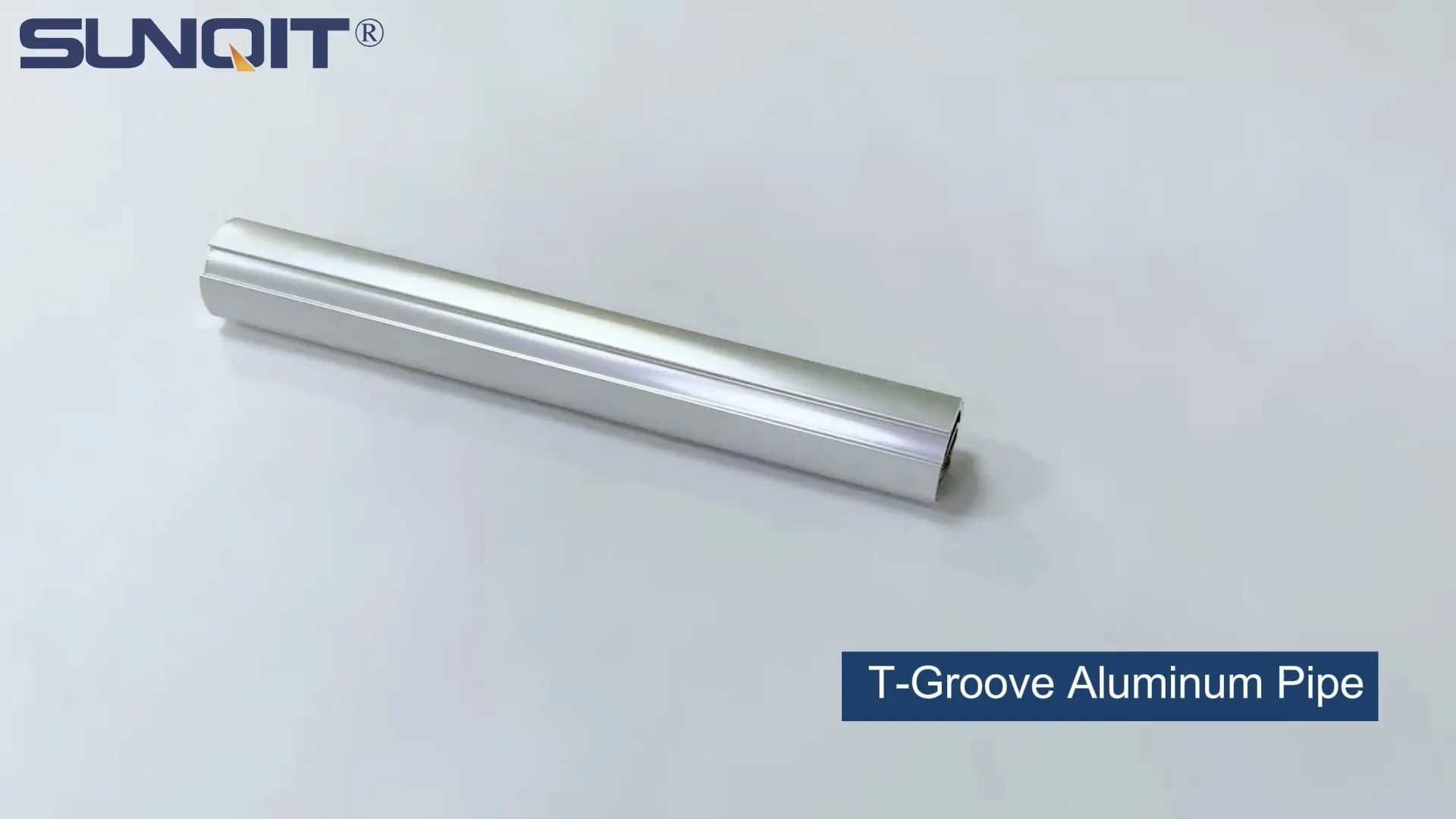
T-Groove Aluminum Pipe
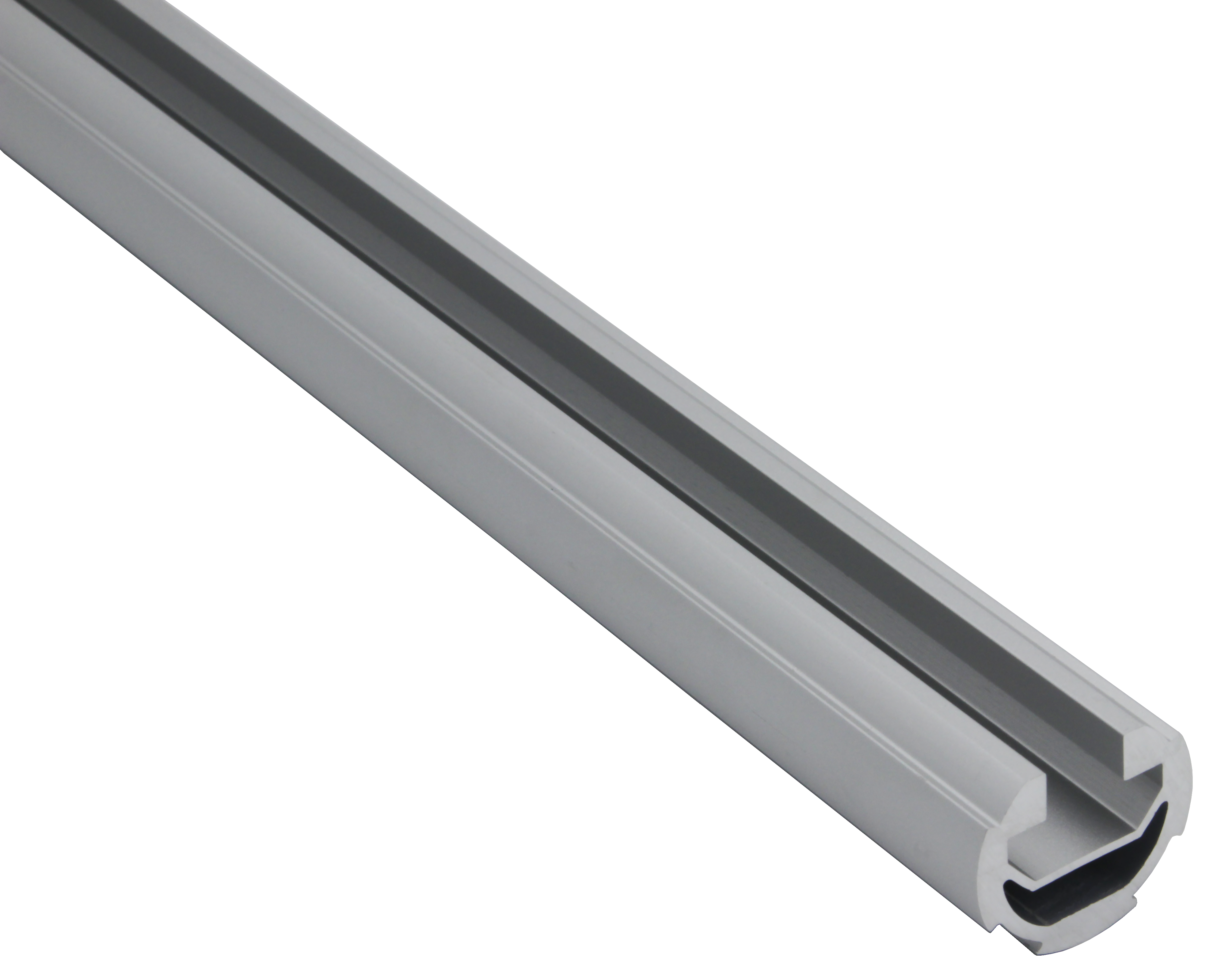
The aluminum pipe opening 10mm is installed into the T-shaped slider, which can be installed with casters or other matching functional parts. The groove can be used for positioning and is used for the track of the roller.
Walk into any modern 3C assembly plant—where smartphones, laptops, and smartwatches come to life—and you'll notice a quiet tension: the need to build faster, adapt quicker, and precision-engineer smaller, more complex devices than ever before. In this world, the assembly line isn't just a production tool; it's the backbone of innovation. But here's the problem: traditional manufacturing setups—rigid steel frames, bulky wooden workbenches, one-size-fits-all conveyors—are struggling to keep up. Enter T-groove aluminum pipe, a modular marvel that's redefining how 3C factories design, build, and rebuild their lines. Let's dive into why this unassuming aluminum tube is becoming the unsung hero of electronic device manufacturing.
The Pressure Cooker of 3C Manufacturing: Why Old Setups Fail
3C manufacturing isn't for the faint of heart. Product cycles shrink by the month—today's flagship phone is tomorrow's budget model—and customization is king. A factory might assemble 5 different laptop models in a single week, each with unique motherboards, screen sizes, and battery configurations. Add to that the demand for miniaturization (think: fitting a 5G antenna into a device thinner than a pencil) and strict ESD (Electrostatic Discharge) protocols to protect sensitive components, and you've got a recipe for operational chaos—if your assembly line isn't built to adapt.
Traditional setups crumble under this pressure. Steel workbenches, once welded into place, can't be adjusted when a new component requires a taller surface. Wooden racks warp under the weight of heavy component bins, and modifying a conveyor to handle smaller parts often means calling in welders or waiting weeks for custom fabrication. The result? Downtime, wasted space, and teams forced to work around the line—instead of with it.
T-Groove Aluminum Pipe: The "Swiss Army Knife" of Assembly Lines
At first glance, T-groove aluminum pipe looks deceptively simple: a lightweight aluminum tube with a T-shaped groove running along its length. But that groove is where the magic happens. It's a universal slot that lets you snap, slide, or bolt on accessories—brackets, shelves, rollers, even LED lights—without drilling, welding, or specialized tools. Think of it as building with industrial-grade Legos, but for grown-ups who need their creations to withstand 8-hour shifts of nonstop operation.
What makes it perfect for 3C lines? Let's break it down:
- Lightweight, but tough: Aluminum is 1/3 the weight of steel, so even a full workbench can be moved by 1-2 people. Yet it's strong enough to support heavy component bins or machinery—critical for factories short on floor space.
- Rust-proof and low-maintenance: Unlike steel, aluminum resists corrosion, even in humid factory environments. No more painting or treating to prevent rust, which saves time and keeps lines looking clean.
- Endless customization: Pair the pipe with aluminum profile accessories—like 90° inside joints, roller track placon mounts, or adjustable casters—and you can build anything from a height-adjustable workbench to a curved conveyor in hours, not weeks.
- ESD-ready: For sensitive electronics, conductive aluminum variants or ESD-safe coatings can be added, ensuring static charges don't damage microchips or circuit boards.
From Pipe to Production: Real-World Impact
Let's ground this in reality with a hypothetical (but all-too-common) scenario: A 3C manufacturer in Dongguan needs to retool their line to assemble a new smartwatch model with a smaller battery compartment. The old line uses fixed steel workbenches and a rigid conveyor, and reconfiguring it used to take 3 weeks of downtime. With T-groove aluminum pipe, here's how it plays out:
- Day 1: Technicians disassemble the old workbench by loosening a few bolts, removing the steel top, and reusing the aluminum pipes to build a shorter, narrower bench—perfect for the smaller watch components.
- Day 2: They add roller track accessories to the conveyor frame, adjusting the angle with 45° aluminum joints to help tiny battery cells slide smoothly to the next station.
- Day 3: A new ESD-safe shelf is clipped onto the workbench using T-groove brackets, holding specialized tools for the watch's micro-connectors.
- Day 4: Production resumes. Total downtime? 3 days instead of 3 weeks. Cost savings? Enough to fund a new quality control station.
| Aspect | Traditional Steel/Wood Setups | T-Groove Aluminum Solutions |
|---|---|---|
| Reconfigurability | Requires welding/cutting; often impossible to repurpose | Tool-free adjustments; pipes/accessories reused for new setups |
| Lead Time for Changes | Weeks (waiting on fabrication/welders) | Hours/days (assembled on-site by 1-2 technicians) |
| Cost Over Time | High (replacement costs + downtime losses) | Low (reusable components + minimal downtime) |
| Worker Ergonomics | Fixed heights/angles lead to strain injuries | Adjustable to worker heights; reduces fatigue |
Beyond the Basics: Lean Systems in Action
T-groove aluminum pipe isn't just about building things—it's about building lean systems. Lean manufacturing, the philosophy of minimizing waste (time, space, effort), thrives on adaptability. With aluminum pipes, factories can:
- Optimize floor space: Mobile workbenches (fitted with casters) can be rolled out when needed and stored when not, freeing up space for other tasks.
- Reduce inventory waste: Material racks built with adjustable shelves hold exactly the components needed for the day's production, so nothing sits idle.
- Speed up changeovers: Instead of shutting down the entire line for a new product, teams swap out accessories—like replacing a wide conveyor roller track with a narrow one—to match the new component size.
Choosing the Right Partner: More Than Just Pipes
Of course, none of this works without a reliable supplier. The best T-groove aluminum solutions come from suppliers who understand 3C manufacturing's unique demands—not just sell pipes. Look for partners who offer:
- A full ecosystem of accessories: From basic joints to specialized ESD components, the more options, the more customizable your line.
- Design support: Engineers who can help you map out the most efficient layout, whether you're building a new line or retrofitting an old one.
- Quick turnaround: In 3C, time is money. Suppliers with local warehouses can deliver pipes and accessories in days, not weeks.

The Future of 3C Manufacturing: Built to Adapt
As 3C devices get smaller, smarter, and more complex, the assembly lines building them need to be just as innovative. T-groove aluminum pipe isn't a silver bullet, but it's a foundational tool that turns rigid factories into agile hubs of production. It lets manufacturers stop fighting their setups and start focusing on what matters: creating the next generation of electronic devices.
So the next time you unbox a sleek new smartphone or lightweight laptop, take a moment to appreciate the unseen hero behind it all—the T-groove aluminum pipe, quietly shaping the future of how we build the tech that connects us.