- Company Articles
- Products and Technology
- Product knowledge
- 3C Assembly Lines: 2.0mm Stainless Steel Pipe Core Applications

3C Assembly Lines: 2.0mm Stainless Steel Pipe Core Applications
Related Product
2.0mm Stainless Steel Pipe
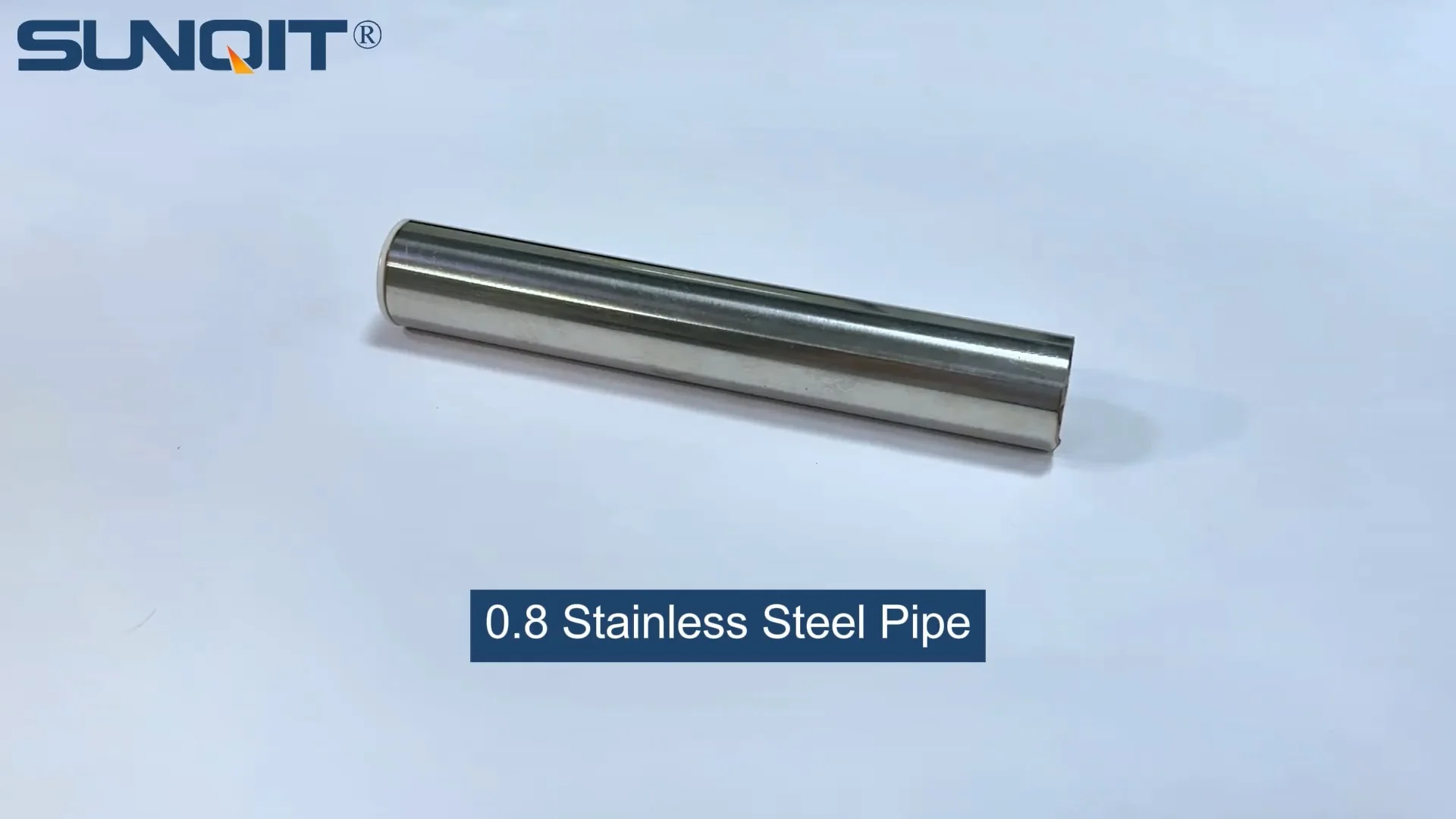
Stainless steel pipe, lean pipe, diameter is 28mm, material is SS201 or SS304, SS201 is normally used in the market. It knows a KARAKURI, KAIZEN material for industrial plant to improve efficiency, save labor cost, standard management.
Walk into any 3C manufacturing plant—where smartphones, laptops, and smartwatches come to life—and you'll feel the hum of precision. Every second counts, every component matters, and the assembly line itself? It's the unsung hero keeping pace with consumer demands for slimmer designs, faster chips, and glitch-free performance. But here's the thing: even the most advanced robots and high-tech sensors rely on something surprisingly basic yet critical—strong, adaptable infrastructure. That's where 2.0mm stainless steel pipe steps in, quietly becoming the backbone of modern 3C assembly lines. Let's break down why this unassuming material is reshaping how we build the devices we can't live without.
Why 2.0mm Stainless Steel Pipe? It's All in the Details
First off, let's talk about thickness. In 3C manufacturing, "lightweight" and "durable" often feel like opposing forces. You need structures that can handle the weight of heavy tools, withstand daily bumps from operators, and resist the wear of constant reconfiguration—all without adding unnecessary bulk. Enter 2.0mm stainless steel pipe. At 2 millimeters thick, it strikes that sweet spot: rigid enough to support workbenches loaded with circuit boards and testing equipment, yet slim enough to keep lines compact, maximizing floor space in crowded factories.
But thickness is just the start. Stainless steel brings two more aces to the table: corrosion resistance and cleanability. 3C assembly lines are no strangers to harsh environments—think coolants, cleaning agents, or even just the humidity of a plant running 24/7. Unlike aluminum pipe or 1.5mm PE coated lean pipe, stainless steel laughs off rust and chemical damage, meaning less frequent replacements and fewer unexpected shutdowns. And when it comes to cleanliness? Wiping down a stainless steel frame is a breeze compared to porous materials that trap dust—a must when even a single speck can ruin a microchip.
To put it in perspective, let's compare 2.0mm stainless steel pipe with two common alternatives in 3C plants:
| Material | Best For | Limitations in 3C Assembly | Why 2.0mm Stainless Steel Stands Out |
|---|---|---|---|
| 1.5mm PE Coated Lean Pipe | Low-weight, temporary setups | Coating chips easily; struggles with heavy loads | Thicker wall (2.0mm) resists dents; no coating to peel |
| Aluminum Pipe | Lightweight, corrosion-resistant frames | Less rigid; bends under repeated stress | Higher tensile strength for long-term durability |
So when does 2.0mm stainless steel pipe become non-negotiable? Think high-volume lines where workbenches are loaded with soldering stations, or roller tracks moving delicate screens that can't risk a wobbly frame. It's not about overengineering—it's about building infrastructure that grows with your production needs, not against them.
Core Applications: Where 2.0mm Stainless Steel Shines in 3C Lines
1. Workbenches: The Operator's Command Center
Picture a typical 3C assembly workbench. An operator stands here for 8+ hours, reaching for tweezers, torque drivers, and trays of tiny screws. The bench needs to be rock-solid—no wobbling when they lean in to align a camera module—and tall enough to avoid back strain. 2.0mm stainless steel pipe forms the frame of these workbenches, often paired with aluminum honeycomb panels for the tabletop (lightweight but sturdy). What makes it ideal? Unlike flimsier materials, it doesn't flex under the weight of tools or the constant motion of operators adjusting their positions. And when you need to add a shelf for extra component bins? Just bolt on a stainless steel bracket—no need to worry about the frame warping over time.
Take smartphone assembly, for example. A single workbench might hold a screen alignment machine (which weighs ~20kg) plus bins of batteries, camera lenses, and adhesive strips. Over months of use, that's a lot of stress. Factories using 2.0mm stainless steel report workbench lifespans of 5+ years, compared to 2-3 years with thinner pipes or aluminum. That's a big win for cost savings—and less downtime spent replacing wobbly frames.
2. Roller Tracks: Keeping Parts Moving, Smoothly
In 3C lines, time is measured in seconds, and bottlenecks are the enemy. Roller tracks—those gravity-fed or motorized lanes that shuttle PCBs, casings, and finished subassemblies between stations—are the circulatory system of the line. And their frames? You guessed it: 2.0mm stainless steel pipe. Why? Because roller tracks need to stay perfectly level. Even a tiny dip can slow down a batch of circuit boards, throwing off the entire production schedule. Stainless steel's rigidity ensures the track stays straight, while its corrosion resistance means oil from roller bearings or cleaning sprays won't eat away at the frame.
Consider a laptop assembly line where screens are transported from the LCD mounting station to the final test area. The roller track here might use swivel roller balls 1 inch in diameter to let operators pivot screens easily. The frame holding those rollers? 2.0mm stainless steel. It supports the weight of 50+ screens at once, doesn't bend under the constant rolling motion, and stays clean enough to avoid scratching delicate glass surfaces. No one notices it—but if it failed, the line grinds to a halt.
3. ESD Workstations: Protecting the Invisible Threat
Static electricity is the silent killer of 3C components. A single electrostatic discharge (ESD) can fry a $500 chip without leaving a trace, turning a near-perfect device into scrap. That's why ESD workstations are non-negotiable, and 2.0mm stainless steel pipe plays a key role here too. Stainless steel is naturally conductive, making it easy to ground the workstation frame. By connecting the pipe to the factory's grounding system, any static buildup from operators (say, walking across carpeted floors) dissipates harmlessly—no zaps, no damaged parts.
Compare this to plastic or painted frames, which insulate static rather than it. In one plant we visited, switching to stainless steel ESD workstations cut static-related defects by 30% in the first quarter alone. Operators didn't need to change their habits—no extra wristbands or special shoes—because the infrastructure itself was working to protect the product.
4. Lean System Integration: Adapt Fast, Waste Less
3C trends shift faster than ever. One month, you're building a 6.7-inch phone; the next, a foldable model that requires a completely different assembly sequence. Lean systems thrive on adaptability—minimizing waste by reconfiguring lines quickly—and 2.0mm stainless steel pipe is a lean manager's dream. Thanks to modular stainless steel pipe joints (like 90° crossing lean pipe joints or parallel rotatory joints), you can disassemble a roller track, extend a workbench, or add a new shelf in hours, not days. No welding, no custom fabrication—just bolts and brackets.
A case in point: a tablet manufacturer we worked with needed to shift from producing 10-inch to 12-inch models. Their old aluminum pipe frames took 3 days to reconfigure; with 2.0mm stainless steel and quick-connect joints, the team had the new line up and running in 8 hours. That's the difference between meeting a product launch deadline and scrambling to catch up.

Beyond the Line: The Ripple Effect of Better Infrastructure
It's easy to focus on the flashy stuff—AI-powered quality checks, robotic arms—but the best 3C plants know that great infrastructure creates a ripple effect. When workbenches don't wobble, operators are more precise. When roller tracks run smoothly, throughput increases. When ESD workstations protect components, scrap rates drop. And when the line can reconfigure in hours, the plant stays agile enough to chase new opportunities.
2.0mm stainless steel pipe might not make headlines, but in the trenches of 3C manufacturing, it's the quiet innovator. It's the reason a plant can ramp up production for the holiday season without rebuilding its lines from scratch. It's why operators go home with less fatigue, knowing their workbench won't let them down. And it's how factories turn "good enough" into "industry-leading."

Wrapping Up: The Future of 3C Assembly Lines
As 3C devices get smarter, their assembly lines need to get smarter too—but not necessarily more complicated. Sometimes, the most impactful upgrades are the ones that make the basics better. 2.0mm stainless steel pipe is a testament to that. It's not about replacing technology; it's about building a foundation that lets technology shine. Whether it's supporting a workbench, powering a roller track, or protecting components in an ESD workstation, it's the kind of infrastructure that grows with your goals, not against them.
So the next time you unbox a new gadget, take a moment to appreciate the little things—the steady hands of operators, the precision of robots, and yes, the 2.0mm stainless steel pipe that kept it all together. In the world of 3C manufacturing, the strongest innovations often start with the strongest foundations.