- Company Articles
- Products and Technology
- Application Cases
- 3C Assembly Lines: 40 Steel Wheel Roller Track Applications & Efficiency

3C Assembly Lines: 40 Steel Wheel Roller Track Applications & Efficiency
Related Product
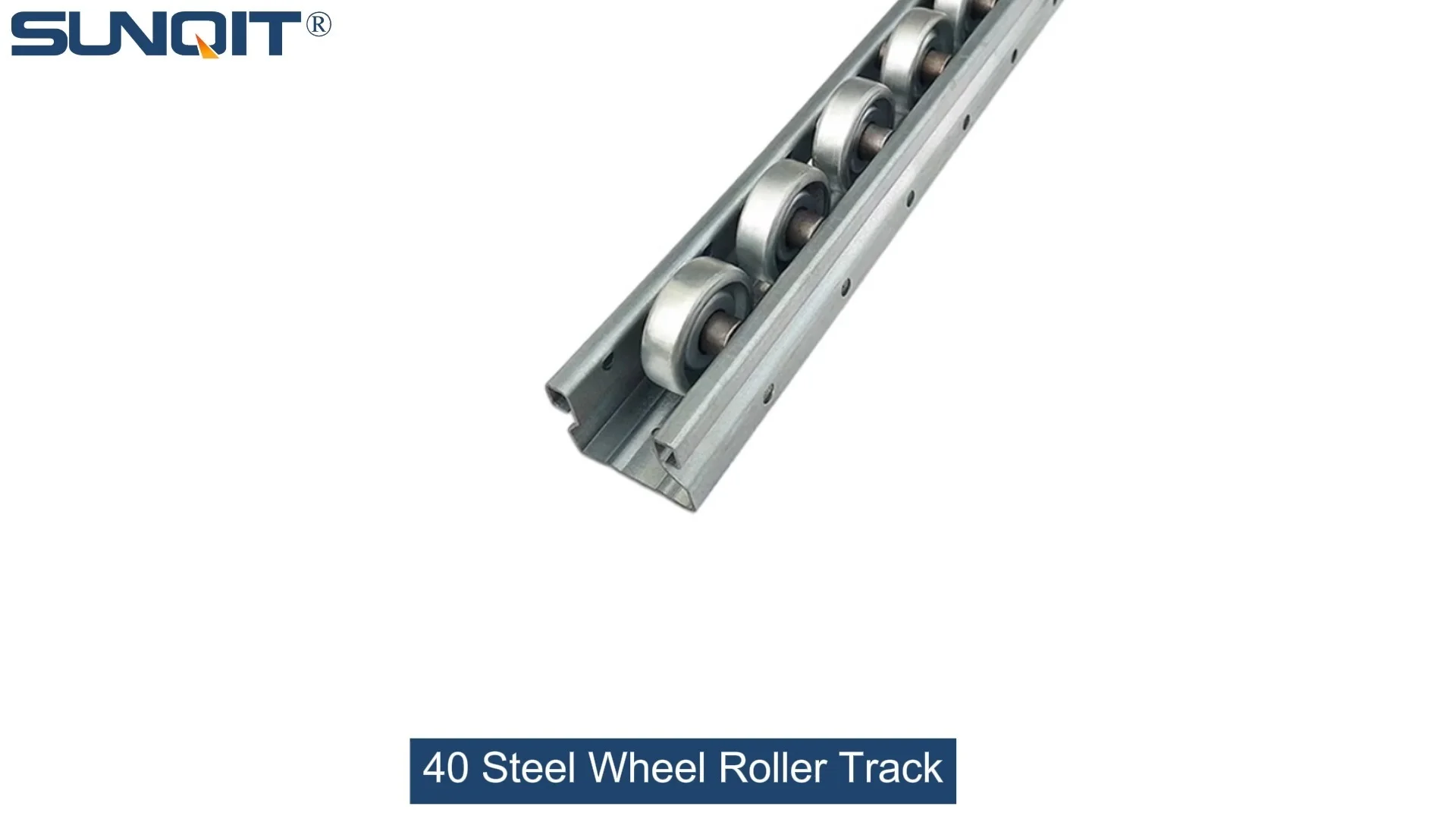
40 Steel Wheel Roller Track
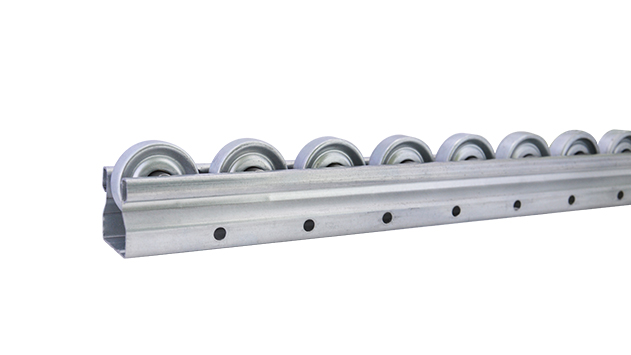
Heavy duty steel wheel roller track with cylindrical steel rollers for use in processing, logistics and materials handling operations. Ideal for transporting goods quickly and easily as well as for installing on shelving to aid in picking operations.
Walk into any modern 3C manufacturing plant, and you'll feel the pulse of precision—workers in blue uniforms assembling tiny circuit boards, robotic arms placing chips with millimetric accuracy, and conveyor belts humming as they carry half-finished smartphones, laptops, and wearables. In this fast-paced world where every second counts, the flow of materials can make or break production targets. That's where the unsung hero of efficient assembly lines comes in: the 40 steel wheel roller track. More than just a conveyor component, it's the silent partner that keeps 3C assembly lines running like a well-choreographed dance, turning chaos into order and delays into on-time deliveries.
The Unique Challenges of 3C Assembly Lines
3C products—computers, communications, and consumer electronics—are marvels of miniaturization. A single smartphone contains over 300 components, each requiring careful handling. This complexity creates unique challenges for assembly lines:
- Small, Fragile Components : From microchips to delicate screens, parts demand gentle yet precise transportation to avoid damage.
- High-Volume, Fast-Paced Production : 3C manufacturers often produce thousands of units daily, leaving no room for bottlenecks in material flow.
- Frequent Line Reconfigurations : New models launch quarterly, requiring assembly lines to adapt quickly—traditional fixed conveyor systems struggle to keep up.
- ESD Sensitivity : Many components are electrostatic discharge (ESD) sensitive, needing grounded, static-safe transportation paths.
For years, factories relied on rigid, one-size-fits-all conveyor systems or manual material handling—both prone to slowdowns, errors, and wasted labor. Then came the 40 steel wheel roller track, designed to address these pain points head-on.
What Makes 40 Steel Wheel Roller Track Stand Out?
At first glance, a roller track might seem simple: a series of wheels mounted on a frame to move items along a path. But the 40 steel wheel roller track is engineered with 3C assembly in mind, blending durability, flexibility, and precision in a way that traditional tracks can't match. Let's break down its key features:
High-Strength Steel Wheels
The 40mm diameter steel wheels are heat-treated for wear resistance, ensuring they can handle the daily grind of 3C components—whether it's a 500g circuit board or a 5kg laptop chassis. Unlike plastic wheels that crack under pressure, these steel workhorses maintain smooth rotation even after months of continuous use.
Modular Design
Forget about custom-built tracks that take weeks to install. The 40 steel wheel roller track comes in standard sections (1m, 2m, 3m) that connect with simple brackets—no welding or heavy tools needed. This means you can extend, shorten, or reconfigure the track in hours, not days, to adapt to new product lines.
Low-Friction, Quiet Operation
Ever worked near a conveyor that sounds like a construction site? Not this one. The precision bearings in each steel wheel reduce friction, making the track run so quietly you'll barely notice it over the hum of assembly line machinery. For 3C workers focused on delicate tasks, this noise reduction is a game-changer for concentration.
ESD Compatibility
Many 3C components are sensitive to static electricity, which can fry microchips in an instant. The 40 steel wheel roller track can be grounded via its aluminum frame, channeling static charges safely away from products. Pair it with an ESD workbench, and you've got a fully protected assembly zone.
Real-World Applications in 3C Assembly Lines
The true value of the 40 steel wheel roller track shines in how it integrates into different stages of 3C product assembly. Let's walk through a typical smartphone assembly line and see where this track makes a difference:
1. Component Kitting & Feeding
Before assembly starts, tiny parts like screws, connectors, and camera modules need to be kitted into bins and delivered to workstations. The 40 steel wheel roller track, mounted at waist height, glides these bins from the warehouse to the line—no more workers pushing heavy carts or bending to pick up parts. The smooth rolling action prevents bins from tipping, keeping components organized and accessible.
2. PCB Assembly Stations
Printed circuit boards (PCBs) are the brains of 3C products, and their assembly requires multiple steps: soldering, component placement, inspection. The 40 steel wheel roller track connects these stations in a U-shape or linear layout, moving PCBs from one worker to the next. Its adjustable speed (from 0.5m/s to 2m/s) ensures PCBs arrive exactly when the next operator is ready, eliminating idle time.
3. Final Assembly & Testing
After PCBs are installed, phones move to final assembly: adding screens, batteries, and casings. Here, the track's flexibility shines—curved sections can navigate tight corners, while incline/decline modules move products between floors. Once assembled, phones head to testing stations on the same track, where gentle stops (thanks to brake brackets) prevent jostling during quality checks.
4. Packaging & Shipping
Even the final leg of the journey benefits from the 40 steel wheel roller track. Paired with a conveyor system, it moves boxed phones from assembly to labeling to shipping, with weight sensors that automatically sort packages by destination. The track's high weight capacity (up to 50kg per meter) handles bulk shipments without straining.

Boosting Efficiency: The Numbers Speak
Talk of "efficiency" can feel abstract—so let's look at real data from 3C factories that switched to 40 steel wheel roller tracks. The table below compares key metrics before and after implementation:
| Metric | Before (Traditional Roller Track) | After (40 Steel Wheel Roller Track) | Improvement |
|---|---|---|---|
| Material Transport Time (per batch) | 12 minutes | 6 minutes | 50% |
| Track Downtime (per month) | 8 hours | 1 hour | 87.5% |
| Component Damage Rate | 3.2% | 0.8% | 75% |
| Line Reconfiguration Time | 2 days | 4 hours | 91.7% |
| Labor Cost (material handling) | $15,000/month | $7,500/month | 50% |
What's driving these improvements? Three factors stand out:
- Reduced Maintenance : The steel wheels and sealed bearings mean less need for lubrication or part replacements. One factory reported going from weekly wheel replacements to quarterly checks.
- Smarter Space Use : The track's slim profile (only 80mm tall) frees up floor space, allowing more workstations or storage in the same area. In a 3C plant where every square meter counts, this is gold.
- Seamless Integration with Lean Solutions : The 40 steel wheel roller track isn't a standalone tool—it's part of a larger lean system. When paired with lean pipe workbenches, aluminum profiles, and modular conveyors, it creates a workflow where waste (time, space, effort) is minimized at every turn.

Building a Complete Lean Ecosystem
No assembly line works in isolation—and neither does the 40 steel wheel roller track. Its true power lies in how it connects with other lean tools to create a cohesive, efficient system. Let's explore these partnerships:
With Lean Pipe Workbenches
Imagine a workstation where the 40 steel wheel roller track feeds components directly onto a lean pipe workbench. The workbench, built with aluminum lean pipes and internal rotary joints, is adjustable to each worker's height, reducing fatigue. Tools hang from overhead racks (also made with lean pipe), and bins slide along the track right to the operator's hands. It's a setup that turns "reaching, bending, searching" into "grab, assemble, repeat"—cutting per-unit assembly time by 15%.
With Flow Racks
Flow racks are the backbone of just-in-time (JIT) material storage in 3C lines, and the 40 steel wheel roller track is their perfect match. The track's rollers fit seamlessly into flow rack shelves, letting gravity feed components to the front as they're used. This "first in, first out" system reduces inventory waste and ensures workers always have fresh parts—no more digging through backstock.
With Conveyors
For longer distances, the 40 steel wheel roller track links with powered conveyors, creating a hybrid system that combines the track's precision with the conveyor's speed. In one laptop factory, this combo cut cross-factory transport time from 45 minutes to 18 minutes, as components glide from the SMT room to assembly on the track, then onto conveyors for the final stretch to testing.
Future-Proofing Your 3C Line
3C technology evolves faster than almost any industry—today's flagship phone is tomorrow's outdated model. Your assembly line needs to keep pace, and the 40 steel wheel roller track is built for adaptability. Here's how it future-proofs your operation:
- Scalable Design : Add more track sections as production grows, or rearrange existing ones for new product lines—no need to buy a whole new system.
- Upgradable Components : Swap out standard wheels for ESD-safe ones if you start producing more sensitive components, or add sensors for IoT monitoring (tracking speed, temperature, and wear in real time).
- Sustainable & Cost-Effective : Unlike disposable plastic tracks, steel wheels are recyclable, and the track's modularity means you only replace worn parts, not entire sections. Over 5 years, this reduces total cost of ownership by 30% compared to traditional systems.
In a industry where downtime costs $10,000+ per hour, and product cycles last 6–12 months, adaptability isn't a luxury—it's survival. The 40 steel wheel roller track doesn't just solve today's problems; it grows with your tomorrows.
The Bottom Line: More Than a Track, a Partner in Production
At the end of the day, 3C assembly lines are about people—workers, engineers, managers—all striving to build better products faster. The 40 steel wheel roller track doesn't just move materials; it moves the needle on what's possible. It turns chaotic workflows into calm, coordinated processes. It turns delays into deadlines met. It turns "good enough" into "excellent."
Whether you're assembling smartphones, tablets, or wearables, this track isn't just a piece of equipment—it's a lean solution that connects every part of your line, every worker, and every goal. So the next time you pick up a 3C device, take a moment to appreciate the silent hero behind its creation: the 40 steel wheel roller track, keeping the pulse of production steady, strong, and ready for whatever comes next.