- Company Articles
- Products and Technology
- Application Cases
- 3C Component Handling: 1.2mm Stainless Steel Pipe in Anti-Static Workstations

3C Component Handling: 1.2mm Stainless Steel Pipe in Anti-Static Workstations
Related Product
1.2mm Stainless Steel Pipe
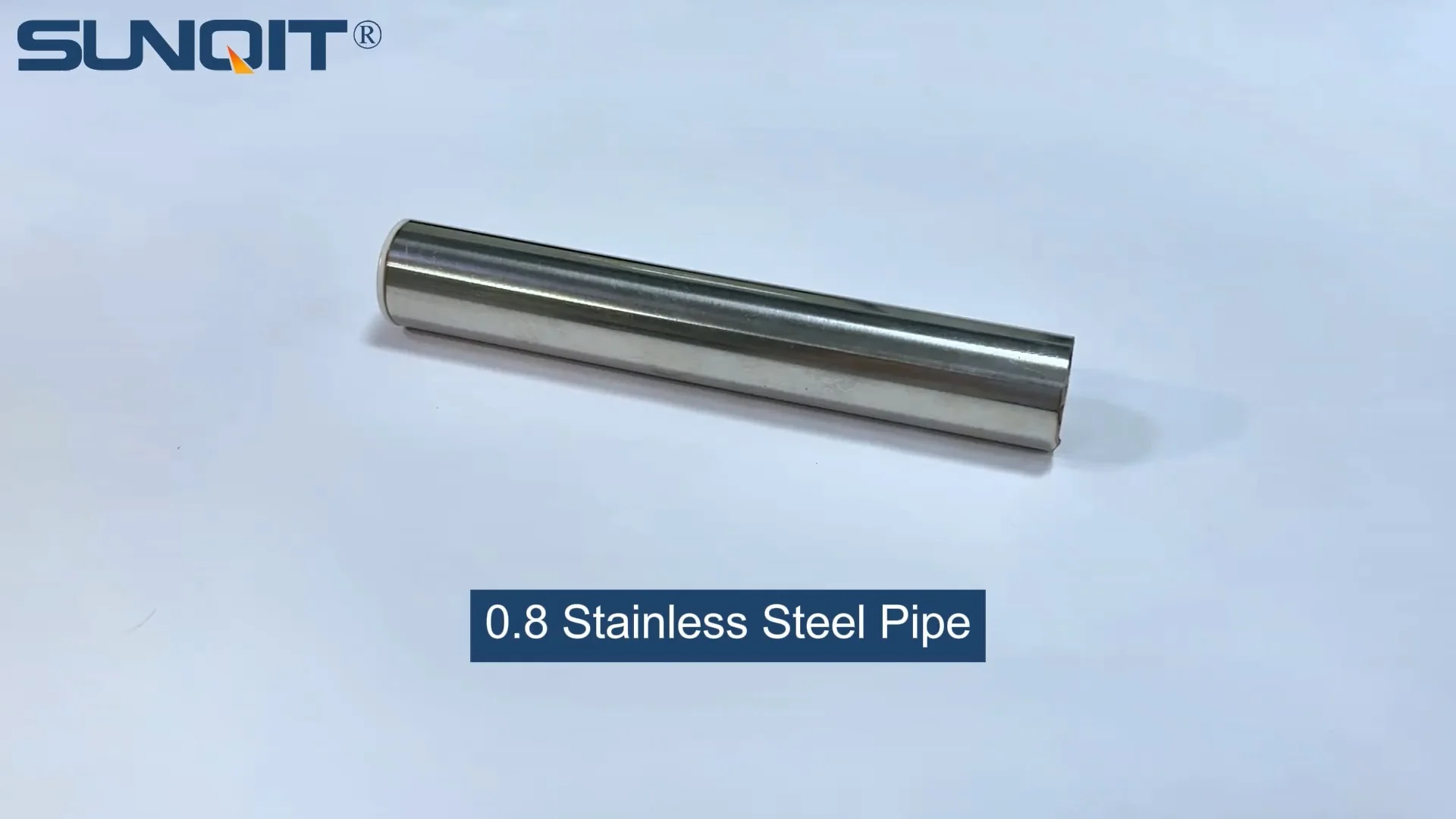
Stainless steel pipe, lean pipe, diameter is 28mm, material is SS201 or SS304, SS201 is normally used in the market. It knows a KARAKURI, KAIZEN material for industrial plant to improve efficiency, save labor cost, standard management.
Walk into any modern 3C manufacturing facility—where smartphones, laptops, and smartwatches come to life—and you'll immediately sense the rhythm of precision. Every second counts, every component matters, and the smallest hiccup can send ripples through production timelines. But beyond the buzz of machinery and the focus of assembly line workers, there's a silent challenge that often flies under the radar: static electricity. Pair that with the need for flexible, durable workspaces, and it's clear why the tools we build these workspaces with matter just as much as the components being assembled. Today, let's dive into how one specific material—1.2mm stainless steel pipe—is transforming anti-static workstations and redefining efficiency in 3C component handling.
The Hidden Enemy: Static Electricity in 3C Manufacturing
If you've ever shuffled across a carpet and zapped a doorknob, you're familiar with static electricity. But in a 3C factory, that tiny spark isn't just a nuisance—it's a potential disaster. Microchips, circuit boards, and sensors are delicate creatures; even a charge as small as 50 volts can fry a sensitive component, rendering it useless. For context, a typical static shock you feel is around 3,000 volts—enough to destroy dozens of microchips in an instant.
This is where anti-static workstations (or esd workstations , as they're often called) step in. Designed to dissipate static charges safely, these workstations are the first line of defense between a worker's daily movements and the fragile components they handle. But not all esd workstations are created equal. The materials used in their construction—especially the frame—can make or break their effectiveness, durability, and adaptability.
Why 1.2mm Stainless Steel Pipe? The Sweet Spot in Material Science
When it comes to building esd workstations, manufacturers have options: aluminum, plastic, even wood (though wood is rarely used today for obvious reasons). But 1.2mm stainless steel pipe has emerged as a standout choice, and for good reason. Let's break down why this specific material and thickness hit the mark.
Durability That Stands the Test of Time
3C manufacturing floors are busy places. Workstations get bumped by trolleys, leaned on by workers, and loaded with tools, components, and assemblies. A flimsy frame would buckle under the pressure, leading to wobbly surfaces, misaligned parts, and even safety risks. Stainless steel, by nature, is tough—but 1.2mm is the Goldilocks thickness: not too thin to bend, not too thick to be cumbersome. It's rigid enough to support heavy workbenches (we're talking 200+ kg of tools and materials) yet lightweight enough to reconfigure when production lines change.
Take Maria, a production supervisor at a major smartphone factory in Shenzhen. "We used to have aluminum frames on our old workstations," she recalls. "Within six months, they'd start to warp, especially around the corners where the joints connected. The shelves would sag, and we'd have to stop production to reinforce them. Switching to 1.2mm stainless steel pipe changed that. Two years later, those frames still look brand new—no warping, no sagging. It's like night and day."
Conductivity: The Anti-Static Secret Weapon
Stainless steel isn't just strong—it's conductive. Unlike plastic, which insulates and traps static charges, stainless steel acts like a lightning rod, channeling static electricity away from components and safely into the ground. This is critical for esd workstations, where the goal is to keep charge levels below 100 volts at all times. The 1.2mm thickness enhances this conductivity by providing a wider path for charges to flow, ensuring even the smallest static buildup is dissipated before it can reach a component.
Compare that to aluminum, which is also conductive but prone to oxidation. Over time, aluminum frames develop a thin oxide layer that reduces conductivity, requiring regular maintenance to keep static protection effective. Stainless steel, on the other hand, resists corrosion and oxidation, maintaining its conductive properties for years without extra work. It's a set-it-and-forget-it solution—exactly what busy production managers need.
Flexibility: Adapting to the Lean Manufacturing Era
Modern 3C manufacturing isn't static (pun intended). Production lines shift, new models are introduced, and workflows are optimized—often overnight. A workstation that can't adapt becomes a liability. This is where the stainless steel pipe series shines. Thanks to modular joints and accessories (think clamps, connectors, and brackets), 1.2mm stainless steel pipe frames can be reconfigured in hours, not days. Need to add a shelf for new tools? Swap out a straight joint for a T-joint. Want to lower the workbench height for ergonomic reasons? Adjust the pipe length and reattach the feet. It's flexibility built into the material itself.
"Our production line for smartwatches changed three times last year—different screen sizes, different battery placements, different tool requirements," says Raj, a lean manufacturing consultant who works with electronics factories. "With the stainless steel pipe system, we didn't have to buy new workstations each time. We just reconfigured the existing frames. It saved us over $50,000 in new equipment costs alone. That's the power of
lean system
thinking paired with the right materials."

Beyond the Frame: Integrating Roller Tracks for Seamless Component Flow
An esd workstation is more than just a static-safe table. It's a hub where components arrive, get assembled, and move on to the next step. To keep this flow smooth, many manufacturers add roller tracks to their stainless steel frames. These tracks—often made of plastic or metal rollers—let components glide from one end of the workstation to the other, reducing the need for workers to reach, bend, or lift heavy trays.
Here's where 1.2mm stainless steel pipe truly shines as a partner to roller tracks. Its rigidity ensures the track stays level, preventing jams or misaligned parts. The modular joints make it easy to attach roller track brackets directly to the frame, so you can position the track exactly where workers need it—whether that's along the back edge of the workbench or across the middle for shared component trays. And because stainless steel is conductive, the roller track itself can be grounded through the frame, adding an extra layer of anti-static protection for components as they move.
Imagine a worker assembling a laptop motherboard. Instead of twisting to grab a tray of capacitors from a shelf behind them, the tray slides gently along the roller track right to their fingertips. Less movement means less fatigue, fewer mistakes, and faster assembly times. It's a small change, but multiplied across 50 workstations and 8-hour shifts, it adds up to significant productivity gains.

Material Matters: Comparing Stainless Steel to Alternatives
Curious how 1.2mm stainless steel stacks up against other common workstation frame materials? Let's take a closer look with a side-by-side comparison:
| Material | Anti-Static Performance | Durability (Expected Lifespan) | Flexibility (Reconfigurability) | Cost (Initial + Maintenance) |
|---|---|---|---|---|
| 1.2mm Stainless Steel Pipe | Excellent (conductive, dissipates static) | 5–7 years (no corrosion, minimal warping) | High (modular joints, easy to reconfigure) | Moderate initial cost, low maintenance |
| Aluminum Pipe (1.5mm) | Good (conductive but prone to oxidation over time) | 2–3 years (prone to warping under heavy loads) | High (similar modular joints) | Low initial cost, high maintenance (oxidation repairs) |
| Plastic-Coated Steel Pipe | Poor (plastic insulates static, not conductive) | 3–4 years (coating chips, steel rusts underneath) | Medium (joints can loosen with reconfiguration) | Low initial cost, moderate maintenance (recoating) |
Choosing the Right Supplier: More Than Just Pipes and Joints
Investing in 1.2mm stainless steel pipe for esd workstations is a smart move—but only if you partner with the right lean pipe supplier . A good supplier doesn't just sell pipes; they offer expertise, customization, and support. Look for a partner who:
- Understands ESD standards (ANSI/ESD S20.20, IEC 61340) and can certify their products meet them.
- Offers a full range of accessories (joints, clamps, roller tracks, casters) to avoid mixing and matching incompatible parts.
- Provides design support to help you tailor the workstation to your specific production needs (e.g., height, weight capacity, roller track placement).
- Has a track record of reliability—ask for references from other 3C manufacturers.
Remember: Your workstation is the backbone of your production line. Cutting corners on the supplier could lead to subpar materials, misaligned joints, or uncertified anti-static performance—all of which cost more in the long run.
The Bottom Line: 1.2mm Stainless Steel Pipe is More Than a Material—It's a Catalyst for Efficiency
In the fast-paced world of 3C manufacturing, every detail matters. Static electricity, workflow bottlenecks, and flimsy equipment can turn a profitable line into a struggling one. 1.2mm stainless steel pipe addresses all three challenges: it dissipates static, stands up to daily wear and tear, and adapts as production needs change. When paired with roller tracks, modular joints, and a focus on lean principles, it transforms esd workstations from mere tables into hubs of efficiency.
So the next time you walk through a 3C factory, take a closer look at the workstations. If they're built with 1.2mm stainless steel pipe, chances are the production line is running smoothly, defects are low, and workers are happy. And in manufacturing, that's the ultimate measure of success.