- Company Articles
- Products and Technology
- Application Cases
- 3C Industry Case Study: T Slot Aluminum Pipe Upgrades Assembly Lines

3C Industry Case Study: T Slot Aluminum Pipe Upgrades Assembly Lines
Related Product
T Slot Aluminum Pipe
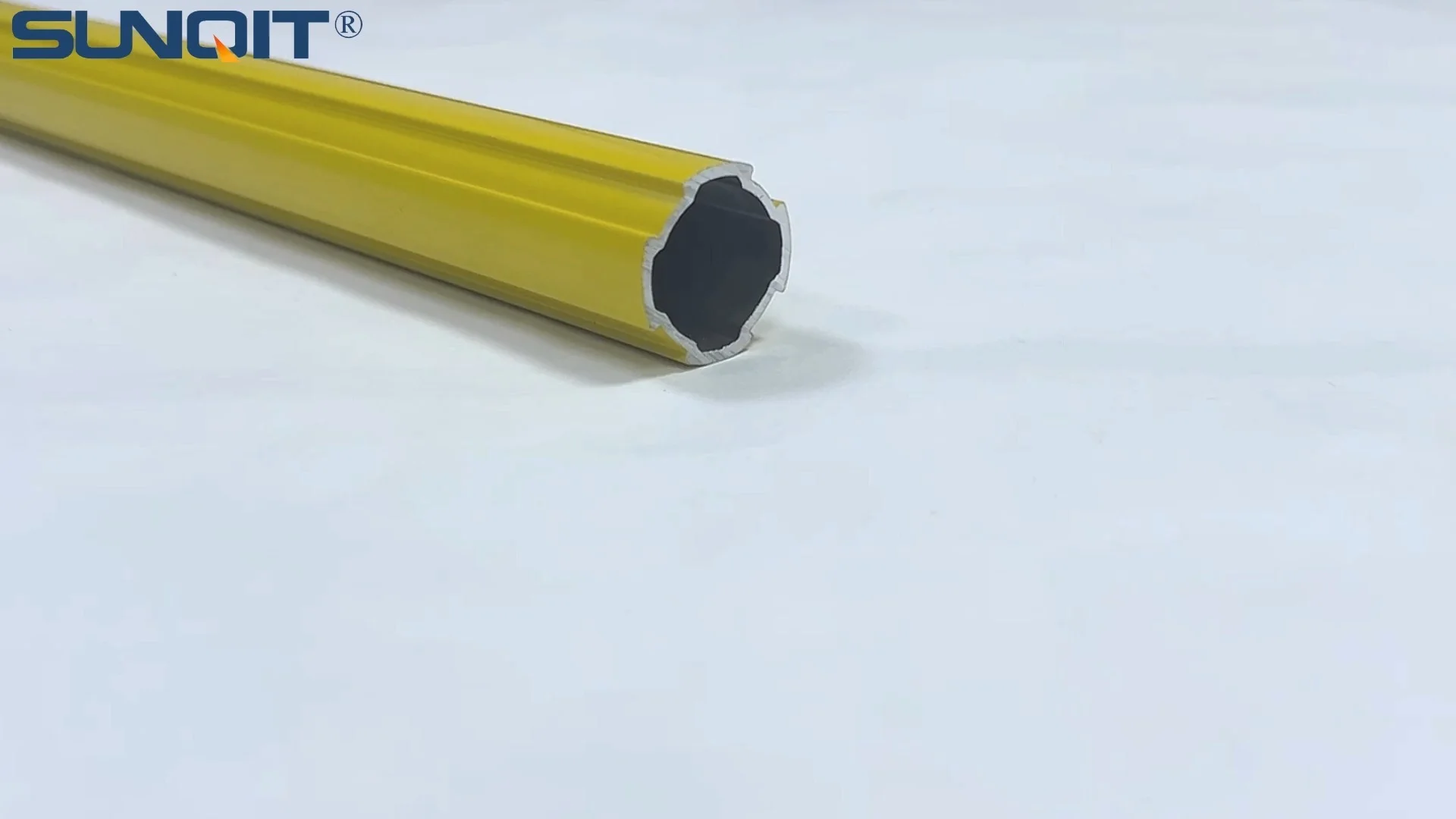
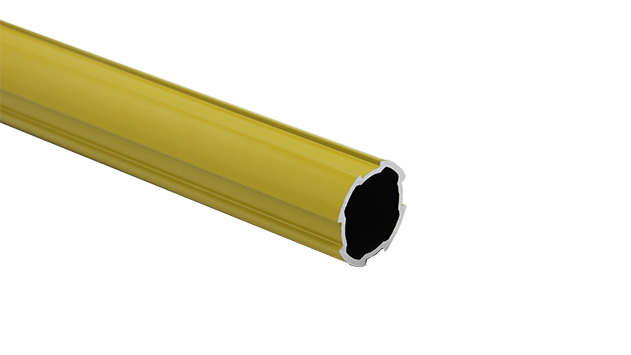
Aluminum pipe, it is used for workbench, flow rack,hand trolley assemble work with advantage of flexible and durable, yellow color makes it more attactive as a caution remind.
The 3C industry—encompassing computers, communications, and consumer electronics—moves at a pace that makes "fast" feel slow. New smartphones, laptops, and wearables hit the market every few months, each with sleeker designs, more complex components, and tighter production timelines. For manufacturers, this means assembly lines can't just be efficient—they need to be
adaptable
. Rigid, one-size-fits-all setups that worked five years ago now cause bottlenecks, delays, and missed opportunities. But what if there was a way to build assembly lines that evolve as quickly as the products they make? That's exactly what one mid-sized 3C manufacturer discovered when they turned to T Slot Aluminum Pipe. Let's dive into how this unassuming component transformed their production floor, one modular section at a time.
The Problem: Stuck in the "Old Way" at TechFlow Electronics
TechFlow Electronics, a manufacturer specializing in smartwatch and fitness tracker components, had grown rapidly over three years. By 2024, their factory in Vietnam was churning out 50,000 units monthly—but their assembly lines were stuck in 2019. "We were using the same steel workbenches and wooden material racks we'd started with," says Maria Gomez, TechFlow's Production Director. "When we launched a new fitness tracker model with a smaller battery compartment, we had to completely rebuild three workstations. It took two weeks of downtime, and we still missed our launch window by three days."
The issues ran deeper than just slow reconfigurations. TechFlow's traditional setup had three critical pain points:
- Rigid Workbenches: Steel workbenches were heavy and fixed in place. Workers often had to stretch or hunch to reach tools, leading to a 12% error rate in precision tasks like circuit board soldering.
- Cluttered Material Racks: Wooden material racks couldn't adjust to varying component sizes. Small sensors got lost in deep bins, while larger battery packs sat precariously on overcrowded shelves, causing 8% of parts to be damaged in transit.
- Unreliable Conveyors: Old roller conveyors with plastic tracks frequently jammed, especially when moving delicate touchscreen panels. Repairs took 4–6 hours, and each breakdown delayed the entire line by 200+ units.
"Our workers were frustrated, and our bottom line was suffering," Gomez recalls. "I remember standing on the factory floor one morning, watching a technician spend 20 minutes trying to hammer a steel bracket into place to adjust a workbench height. That's when I thought, 'There has to be a better way.'"
The Solution: T Slot Aluminum Pipe—Modularity Meets Durability
After researching modular manufacturing solutions, Gomez's team zeroed in on T Slot Aluminum Pipe. At first glance, it's deceptively simple: lightweight aluminum extrusion profiles with T-shaped grooves running along their length. But those grooves are the secret sauce. They allow for quick attachment of aluminum profile accessories—brackets, shelves, casters, and even conveyor tracks—without welding, drilling, or heavy tools. "It's like building with industrial-grade Legos," says Raj Patel, TechFlow's Lead Engineer, who led the transition. "You can snap components together, take them apart, and reconfigure in hours, not weeks."
T Slot Aluminum Pipe isn't just flexible—it's built for the 3C industry's demands. Unlike wood or steel, aluminum resists corrosion from the cleaning agents used on production lines, and its smooth surface won't scratch delicate components like glass screens or circuit boards. Plus, it's lightweight enough for workers to adjust heights or reposition workstations without heavy machinery, but strong enough to support 500+ pounds of equipment (critical for mounting soldering stations and testing tools).
The Pilot Project: Workstation 7 Gets a Makeover
TechFlow started small: a single workstation responsible for assembling smartwatch motherboards. The goal? Cut reconfiguration time, reduce errors, and improve worker ergonomics. Patel's team replaced the old steel workbench with a custom setup using T Slot Aluminum Pipe and aluminum profile accessories:
- Adjustable Height: Using internal rotary aluminum joints, the workbench's height could be tweaked from 70cm to 90cm with a simple twist, fitting workers of different statures.
- Tool Organization: T-slots along the back edge held magnetic tool holders and small parts bins, keeping soldering irons and screwdrivers within arm's reach.
- Integrated Lighting: An aluminum profile arm mounted a LED strip above the workspace, reducing eye strain during fine-pitch soldering.
The results were immediate. "Within a week, the error rate at Workstation 7 dropped from 12% to 4%," Patel says. "And when we needed to switch to the new motherboard design two months later? We reconfigured the entire workstation in four hours . The team couldn't believe it."
From Pilot to Factory Floor: Scaling the Upgrade
Emboldened by the workstation success, TechFlow expanded the T Slot Aluminum Pipe rollout to two more critical areas: material storage and conveyor systems. Here's how each transformation played out:
1. Material Racks: From Cluttered to Customized
TechFlow's old wooden material racks were a nightmare for storage. "We'd have bins of tiny screws next to bulky charging docks, and nothing fit right," says Lina Tran, a production associate with six years at the company. "I'd spend 10 minutes a day just hunting for the right part." The solution? Modular material racks built with T Slot Aluminum Pipe and adjustable shelves. Using aluminum profile accessories like slide brackets and divider clips, the racks could be reconfigured to fit components of any size—from 2cm microchips to 30cm battery packs.
One standout upgrade was the "smart bin" system: clear plastic bins mounted on sliding tracks, each labeled with QR codes linked to inventory software. When a bin ran low, a sensor in the T-slot groove triggered an alert to the warehouse team. "Now, I scan a bin, grab the part, and go," Tran says. "I haven't wasted time searching in months." Damaged parts dropped by 65%, and inventory checks that used to take 8 hours now took 2.
2. Conveyor Systems: Smooth, Silent, and Jam-Proof
The biggest challenge was replacing TechFlow's jamming plastic roller conveyors. Patel's team designed a new system using T Slot Aluminum Pipe as the frame, paired with aluminum guide rails and steel roller tracks. "The aluminum frame is lightweight but rigid, so there's no flexing that causes jams," Patel explains. "And the steel rollers have precision bearings—they glide even with delicate touchscreens." The T-slots allowed for easy addition of side guides (to keep parts centered) and brake stops (to pause parts at workstations).
The impact was dramatic. Before, the conveyors jammed 3–4 times per shift; after the upgrade, jams dropped to zero. "We used to have a technician assigned full-time to fixing conveyors," Gomez says. "Now, he's free to work on process improvements. That's how you turn a cost center into a profit driver."
| Assembly Line Component | Traditional Setup (2023) | Upgraded Setup with T Slot Aluminum Pipe (2024) | Key Improvements |
|---|---|---|---|
| Workbench | Steel, fixed height, no tool storage | Adjustable height (70–90cm), integrated tool holders via aluminum profile accessories | 12% → 4% error rate; reconfiguration time: 2 weeks → 4 hours |
| Material Rack | Wooden shelves, fixed dividers, no inventory tracking | Modular aluminum frame, sliding bins with QR codes, adjustable dividers | 65% reduction in damaged parts; inventory check time: 8 hours → 2 hours |
| Conveyor System | Plastic rollers, no side guides, frequent jams | Steel roller tracks, aluminum guide rails, T-slot mounted brake stops | 3–4 jams/shift → 0 jams; technician time freed for process improvements |
| Worker Ergonomics | Static workbench heights, awkward tool reach | Height-adjustable workbenches, tools within arm's reach | Reported fatigue down 40%; worker satisfaction score up 28% |

The Results: Numbers That Speak for Themselves
By the end of 2024, TechFlow had upgraded 80% of its assembly lines with T Slot Aluminum Pipe. The results weren't just anecdotal—they showed up in the balance sheet:
- Production Output: Monthly units increased from 50,000 to 65,000 (+30%), even with the same number of workers.
- Launch Speed: Time to reconfigure lines for new products dropped from 2 weeks to 3 days, allowing TechFlow to hit launch windows for two major clients.
- Cost Savings: Reduced part damage, lower labor costs for reconfigurations, and fewer conveyor repairs saved the company $420,000 in the first year.
- Worker Retention: Annual turnover in production dropped from 18% to 9%—a huge win in an industry where skilled workers are hard to find.
"It's not just about the parts—it's about the people," Gomez says. "When you give workers tools that make their jobs easier, they take pride in their work. And that pride translates to better products, faster."

Looking Ahead: The Future of Modular Manufacturing
For TechFlow, the T Slot Aluminum Pipe upgrade is just the beginning. Next, they're exploring IoT integration: mounting sensors in the T-slots to track workstation usage, monitor conveyor speed, and predict maintenance needs. "Imagine a workbench that alerts you when a tool hasn't been used in a week—so you can reallocate it to a station that needs it," Patel says. "Or a conveyor that automatically slows down when a worker falls behind. The modularity of T Slot Aluminum Pipe makes all that possible."
In the 3C industry, where change is the only constant, adaptability isn't a luxury—it's survival. TechFlow's story shows that the right tools don't just fix problems; they create opportunities. T Slot Aluminum Pipe didn't just upgrade their assembly lines—it transformed their ability to innovate, respond, and grow. And in a market where the next big thing is always around the corner, that's the competitive edge that matters most.
As Gomez puts it: "We used to build assembly lines for the products we had. Now, we build them for the products we haven't even designed yet. That's the power of modularity. And it all started with a simple pipe—one with a T-slot."