- Company Articles
- Products and Technology
- Product knowledge
- 3C Testing Benches: 2.0mm Stainless Steel Pipe Stability

3C Testing Benches: 2.0mm Stainless Steel Pipe Stability
Related Product
2.0mm Stainless Steel Pipe
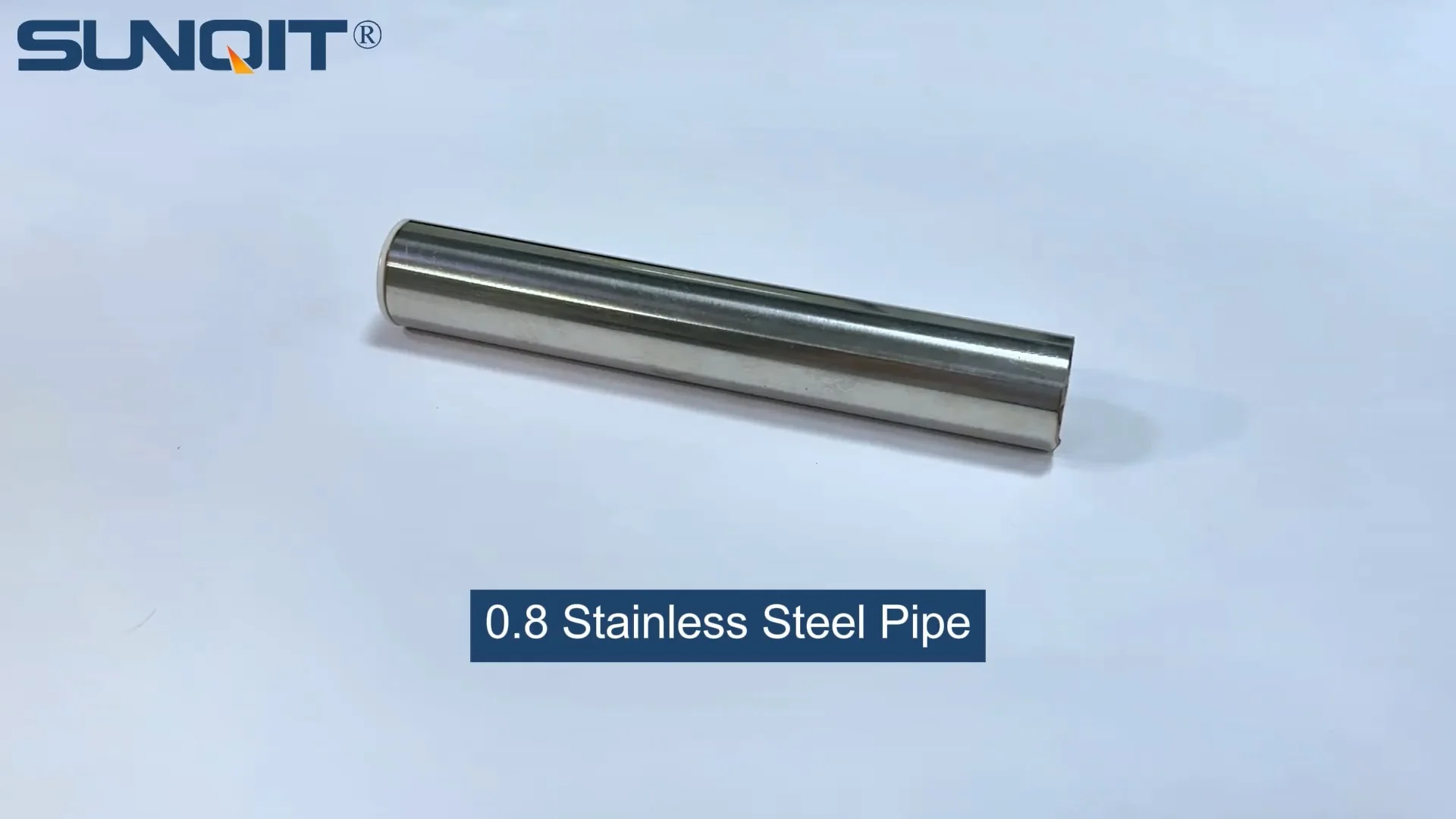
Stainless steel pipe, lean pipe, diameter is 28mm, material is SS201 or SS304, SS201 is normally used in the market. It knows a KARAKURI, KAIZEN material for industrial plant to improve efficiency, save labor cost, standard management.
How the Right Material Choice Elevates Precision, Durability, and Lean Manufacturing Efficiency
Walk into any 3C manufacturing facility—whether it's churning out smartphones, laptops, or smartwatches—and you'll notice a quiet hero amid the buzz of assembly lines: the testing bench. These unassuming workstations are where products undergo their final checks, where technicians verify everything from touchscreen responsiveness to battery life, from camera clarity to circuit board integrity. In an industry where a single millimeter of misalignment or a microsecond of delay can mean the difference between a top-selling device and a costly recall, the stability of these benches isn't just a nicety—it's the backbone of quality control.
But here's the thing: not all testing benches are created equal. Many facilities still rely on flimsy materials or outdated designs, leading to wobbly surfaces, inconsistent test results, and even safety hazards. Technicians strain to keep tools steady; sensitive equipment vibrates out of calibration; and over time, benches warp or break under the weight of heavy testing gear. It's a silent productivity killer, eating into efficiency and eroding trust in the final product.
Enter the 2.0mm stainless steel pipe—a material that's quietly revolutionizing how 3C manufacturers approach testing bench design. More than just a metal tube, it's a solution born from the demands of precision manufacturing, lean system principles, and the need for long-term reliability. In this article, we'll dive into why 2.0mm stainless steel pipe has become the gold standard for testing bench stability, how it integrates with modern workbench setups, and why it's a game-changer for anyone serious about elevating their production line.
The Hidden Cost of Unstable Testing Benches
To understand why stability matters, let's start with the consequences of getting it wrong. Imagine a technician testing a smartphone's touchscreen sensitivity. They tap, swipe, and pinch with precise pressure, relying on the bench to stay perfectly still. If the surface wobbles even slightly, the test data becomes unreliable—was that unresponsive spot on the screen a defect, or just a shaky hand caused by a wobbly bench? Now multiply that uncertainty across hundreds of devices per day, and you've got a recipe for missed defects, rework, and unhappy customers.
Then there's the wear and tear on equipment. Testing tools like oscilloscopes, thermal cameras, and pressure sensors aren't cheap. When placed on an unstable bench, they're prone to jostling, which can misalign delicate internal components over time. A $10,000 thermal imaging camera might start giving skewed readings after months of subtle vibrations, leading to incorrect diagnoses and wasted resources. And let's not forget the human cost: technicians working on wobbly benches report higher fatigue, as they unconsciously brace themselves to steady their tools. Over time, this can lead to increased absenteeism and lower morale—two factors that directly hit the bottom line.
Worst of all, instability often creeps in gradually. A bench might start solid, but after months of supporting 50kg testing rigs, daily adjustments, and the occasional bump from a passing turnover trolley, its frame weakens. Joints loosen, pipes bend, and what was once a reliable workspace becomes a liability. For manufacturers operating on tight margins, replacing benches every 12–18 months isn't just inconvenient—it's a drain on budgets that could be invested in innovation.
Why 2.0mm Stainless Steel Pipe? The Science of Stability
When it comes to building a stable testing bench, material choice is everything. For years, manufacturers experimented with options: aluminum pipes were lightweight but flexed under heavy loads; PE-coated lean pipes were affordable but prone to corrosion in humid factory environments; and thinner stainless steel pipes (1.0mm or 1.2mm) saved on cost but lacked the rigidity needed for precision work. None checked all the boxes—until the 2.0mm stainless steel pipe emerged as a clear front-runner.
Stainless Steel vs. Common Bench Materials: A Side-by-Side Breakdown
| Material | Thickness | Max Load Capacity (Per Linear Meter) | Corrosion Resistance | Longevity (Avg. Lifespan) | Best For |
|---|---|---|---|---|---|
| Aluminum Pipe | 1.5mm | 80kg | High (but prone to dents) | 2–3 years | Lightweight, temporary setups |
| PE-Coated Lean Pipe | 1.2mm | 60kg | Low (coating chips over time) | 1–2 years | Budget-focused, low-load tasks |
| 1.0mm Stainless Steel Pipe | 1.0mm | 100kg | High | 3–4 years | Moderate-load assembly work |
| 2.0mm Stainless Steel Pipe | 2.0mm | 180kg | Excellent (resists humidity, chemicals) | 7–10 years | Heavy-load testing, precision work, ESD environments |
The numbers tell the story: 2.0mm stainless steel pipe can support nearly twice the load of aluminum or PE-coated alternatives, all while lasting three times longer. But what makes it truly special is its combination of strength and flexibility. Stainless steel's inherent tensile strength—thanks to its chromium and nickel alloy composition—means it resists bending even under constant stress. The 2.0mm thickness is no accident: it's the sweet spot where rigidity meets practicality. Thicker pipes (like 2.5mm) would add unnecessary weight, making benches harder to reconfigure—a key priority in lean manufacturing. Thinner ones sacrifice the stability needed for precision testing.
Another unsung advantage? Corrosion resistance. 3C factories are often humid, with occasional exposure to cleaning chemicals or coolants. A 2.0mm stainless steel pipe doesn't rust, chip, or degrade in these conditions, unlike PE-coated pipes that can peel or aluminum that dents. This means less maintenance, fewer replacements, and a consistently smooth surface for testing delicate 3C components. For facilities that operate 24/7, that's a game-changer—no more shutting down a line to repair a rusted bench leg or replace a bent pipe.

Beyond Stability: How 2.0mm Stainless Steel Pipes Support Lean System Goals
In today's 3C manufacturing landscape, "lean" isn't just a buzzword—it's a way of life. Lean systems thrive on efficiency: minimizing waste, maximizing flexibility, and adapting quickly to changing production needs. At first glance, a heavy-duty stainless steel bench might seem at odds with "flexibility," but 2.0mm stainless steel pipes actually complement lean principles beautifully.
Take reconfigurability, for example. Lean facilities often need to shift workflows—maybe a new smartphone model requires a taller testing bench, or a batch of smartwatches calls for additional tool storage. 2.0mm stainless steel pipes, paired with durable stainless steel pipe joints, make adjustments a breeze. Unlike welded metal frames (which are fixed and hard to modify), these pipes connect with simple, tool-free joints that lock securely into place. A technician can disassemble a bench in 30 minutes, reconfigure the frame, and have it back in action—no specialized skills required. This cuts down on "changeover waste," a common pain point in traditional manufacturing setups.
Then there's longevity, a cornerstone of lean's "reduce waste" mantra. A 2.0mm stainless steel bench isn't just a one-time purchase; it's an investment that grows with your facility. Over 7–10 years, it might be reconfigured a dozen times—from a testing station for smart speakers to a calibration hub for VR headsets—without losing structural integrity. Compare that to a cheaper PE-coated bench that needs replacement every 1–2 years: the stainless steel option eliminates the waste of constant disposal and repurchasing, aligning perfectly with lean's focus on sustainability.
Perhaps most importantly, stable benches reduce "defect waste." In lean terms, defects are any product that doesn't meet quality standards—and unstable testing benches are a silent defect generator. By ensuring consistent, vibration-free testing, 2.0mm stainless steel pipes minimize false readings and missed flaws. This means fewer products are sent back for rework, fewer resources are wasted on fixing avoidable errors, and more time is spent producing sellable goods. For a 3C manufacturer churning out 10,000 units per day, even a 1% reduction in defects translates to 100 more salable products—and thousands in saved costs.

Building the Perfect Testing Workbench: 2.0mm Stainless Steel in Action
A stable pipe is just the starting point. To create a truly effective 3C testing workbench, 2.0mm stainless steel pipes need to work in harmony with other components—joints, surfaces, casters, and accessories. Let's break down how these elements come together to form a workstation that's not just stable, but smart.
Joints: The Unsung Heroes of Stability
Even the strongest pipe will fail if its joints are weak. That's why 2.0mm stainless steel pipes are typically paired with heavy-duty stainless steel pipe joints—often chrome-plated for extra corrosion resistance. These joints aren't your average plastic connectors; they're engineered to distribute weight evenly across the frame, preventing stress points that could lead to bending. Look for options like 90° fixed lean pipe joints or three-way lean pipe joints, which lock into place with a simple twist and can support up to 500kg when properly installed. For added security, some facilities opt for "double-locking" joints, which use both a cam lever and a set screw to ensure zero slippage—critical for benches holding sensitive testing equipment.
Surfaces: Where Precision Meets Practicality
The pipe frame is the skeleton, but the work surface is the skin. For 3C testing, surfaces need to be flat (to prevent equipment rocking), non-conductive (to protect against static damage), and easy to clean. Many manufacturers pair 2.0mm stainless steel frames with ESD workbench tops—ESD (Electrostatic Discharge) surfaces are designed to dissipate static electricity, a must when handling circuit boards or microchips. These tops bolt directly to the stainless steel frame, creating a seamless, vibration-resistant platform. Some even add a layer of rubber matting for extra grip, ensuring tools and devices stay put during testing.
Casters: Mobility Without Compromise
Lean systems sometimes require benches to move—maybe to reposition near an assembly line or space for maintenance. 2.0mm stainless steel pipes, despite their heft, can be fitted with heavy-duty caster wheels to add mobility. The key is choosing casters rated for the bench's total weight (frame + surface + equipment). Look for options with locking brakes that engage fully, preventing even the slightest roll during testing. For extra stability, some facilities use "hybrid" setups: two fixed casters and two swivel casters with brakes, balancing maneuverability and steadiness.
Real-World Results: How Manufacturers Are Winning with 2.0mm Stainless Steel
Talk is cheap—so let's look at how 2.0mm stainless steel testing benches are performing in actual 3C facilities. Take "TechCore," a mid-sized manufacturer in Shenzhen that produces smartwatch motherboards. Before switching to stainless steel, their testing benches were made with 1.2mm PE-coated pipes. The results? Frequent wobbling led to 5% of motherboards failing re-testing due to "inconsistent sensor readings." Technicians complained about eye strain from squinting at vibrating screens, and the benches needed full replacement every 18 months.
In 2023, TechCore upgraded to 2.0mm stainless steel pipe benches with ESD workbench tops. Within six months, re-test failures dropped to 0.5%—a 90% improvement. The technicians reported less fatigue, and the company estimates saving $45,000 annually on rework and bench replacements. "We used to see a bench leg bend or a joint loosen every few weeks," says Wang Wei, TechCore's production manager. "Now? We haven't had a single structural issue in a year. The stainless steel just doesn't wear out the way the old pipes did."
Another example: "GadgetPro," a Shanghai-based contract manufacturer that tests everything from Bluetooth earbuds to laptop chargers. Their challenge? Constantly shifting workflows—one week, they're testing 5000 earbuds (needing small, compact benches), the next, they're calibrating 100 large laptop batteries (requiring longer, sturdier setups). With 2.0mm stainless steel pipes and modular joints, they've cut reconfiguration time from 4 hours to 45 minutes. "We used to have to keep 10 extra benches on standby for different tasks," says Li Jia, GadgetPro's lean coordinator. "Now we reconfigure 3 benches and save 70% on storage space. It's like having a workstation that adapts to our needs, not the other way around."
The Finishing Touches: Accessories That Enhance Stability and Functionality
A 2.0mm stainless steel pipe frame is strong on its own, but the right accessories can take your testing bench from "good" to "great." These add-ons boost stability, improve functionality, and tailor the bench to your specific 3C testing needs.
Anti-Slip Feet: The Foundation of Stability
Even the sturdiest bench can slide on smooth factory floors—especially if it's moved frequently. Anti-slip adjustable leveling feet are a simple fix. These attach to the bottom of bench legs, with rubberized bases that grip concrete or tile floors. They also let you tweak the height by a few millimeters, ensuring the bench stays perfectly level even if the floor is uneven. For facilities with heavy equipment, opt for "heavy-duty split foot seats," which distribute the bench's weight over a larger area, reducing pressure on the floor and preventing indentations.
Roller Tracks: Streamlining Material Flow
Many 3C testing benches need to move components in and out quickly—think trays of circuit boards or bins of screws. Roller tracks, mounted along the edge of the bench, let materials glide smoothly from one station to the next, reducing the need for manual lifting. When paired with 2.0mm stainless steel frames, these tracks stay aligned and rattle-free, even under constant use. Look for plastic roller track guide rails (yellow or grey) for lightweight items, or steel roller tracks for heavier loads—both bolt securely to the stainless steel frame without compromising stability.
Tool Storage: Clutter-Free, Within Reach
A cluttered bench is an unstable bench. Tools, cables, and test probes scattered across the surface create trip hazards and make it harder to keep the workspace level. Wall-mounted racks or under-bench tool hooks, made from the same 2.0mm stainless steel, add storage without adding bulk. These accessories attach directly to the bench frame, keeping tools organized and within arm's reach—no more fumbling for a screwdriver or knocking over a cup of calibration fluid.
Why 2.0mm Stainless Steel Pipes Are the Future of 3C Testing Benches
In the fast-paced world of 3C manufacturing, where precision and efficiency reign supreme, the stability of your testing bench isn't just a detail—it's a strategic advantage. 2.0mm stainless steel pipes bring together the best of durability, flexibility, and lean compatibility, solving the age-old problem of "sacrificing one for the other." They resist corrosion, support heavy loads, adapt to changing workflows, and stand the test of time—all while reducing waste and boosting productivity.
For manufacturers looking to stay ahead, the choice is clear: investing in 2.0mm stainless steel testing benches isn't just about buying a workstation. It's about investing in your team's ability to deliver consistent, high-quality results. It's about minimizing downtime, reducing defects, and creating a workspace that adapts as quickly as your products do. And in an industry where margins are tight and competition is fierce, that's not just smart—it's essential.
So the next time you walk through your facility, take a closer look at those testing benches. Are they holding your team back, or lifting them up? With 2.0mm stainless steel pipes, the answer can be the latter—strong, stable, and ready to meet whatever the 3C industry throws at it.