- Company Articles
- Products and Technology
- Product knowledge
- 40 Aluminum Roller Track Green Color Coding: Streamlining Material Identification

40 Aluminum Roller Track Green Color Coding: Streamlining Material Identification
Related Product
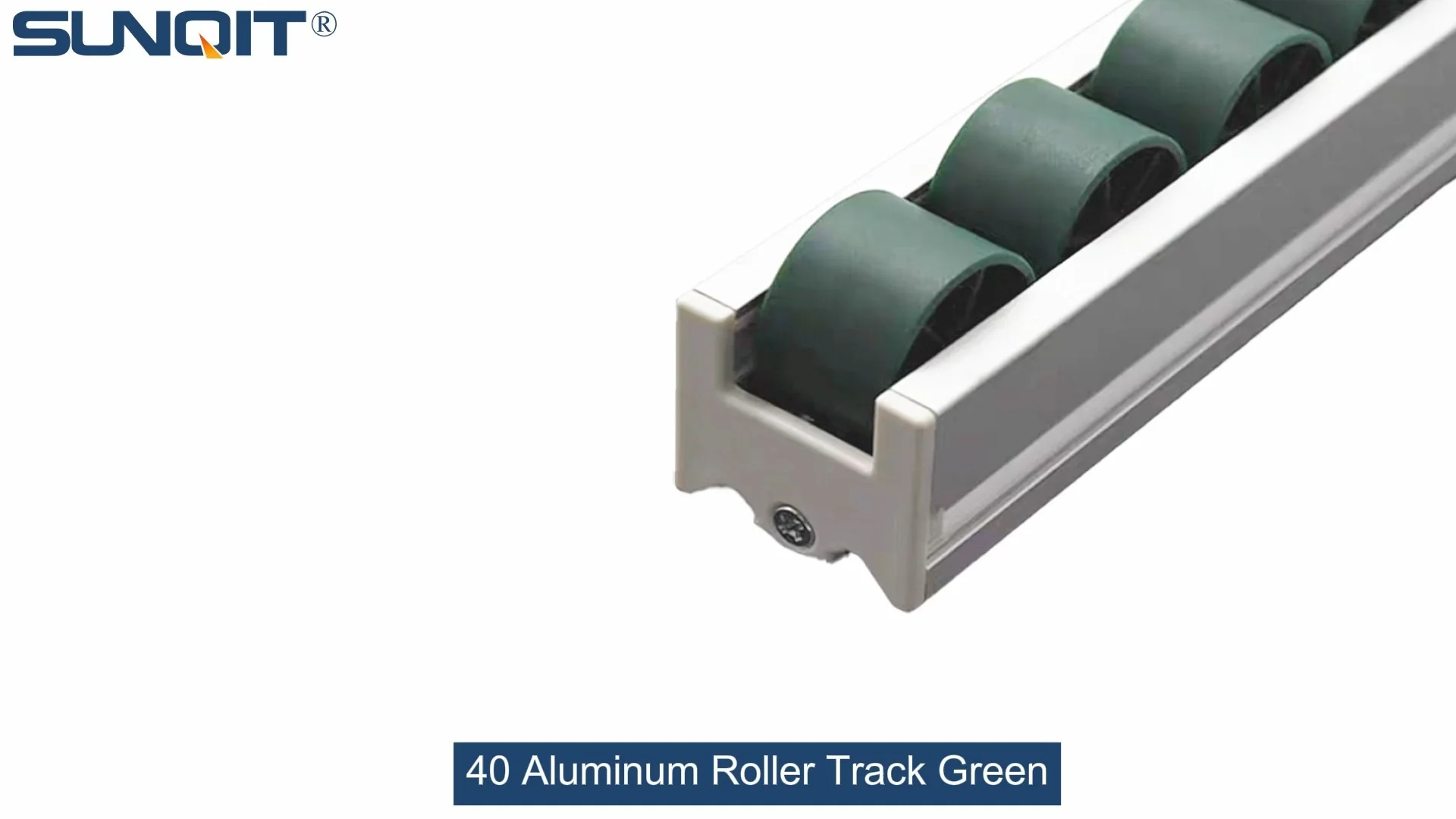
40 Aluminum Roller Track Green
Durable and smooth-running modular roller rails. The system is fully assembled. The roller rail profile contains plastic rollers mounted on steel axles. Aluminum frame with plastic wheel make it anti corrosion,and material convey more smooth.
Walk into any busy manufacturing facility—conveyors humming, workers moving parts, shelves stacked with components. In all that chaos, finding the right material quickly can feel like a puzzle. That's where small details like color coding come in. Today, we're diving deep into one such detail: the green color coding of 40 aluminum roller tracks, and how it's changing the game for material identification in lean manufacturing.
Material handling is the backbone of any production line. Even a small delay in finding a part can throw off the entire schedule, leading to missed deadlines and increased costs. Green color coding on 40 aluminum roller tracks is a simple yet powerful solution that addresses this problem head-on. It's part of a lean solution that helps teams work smarter, not harder.
What Exactly Is 40 Aluminum Roller Track Green Color Coding?
First, let's break down the components. A 40 aluminum roller track is a key part of material handling systems, designed to move parts smoothly from one point to another. The '40' here refers to the track's width—40 millimeters—making it ideal for medium-sized components common in industries like 3C assembly, medical device manufacturing, and.
But why green? The green color isn't arbitrary. It's a deliberate choice in lean manufacturing to signal specific material statuses. In many facilities, green denotes materials that are 'active'—meaning they're part of the current production cycle, ready to be assembled or processed. This is especially useful in ESD workstations where static-sensitive components need to be handled carefully; the green color can also indicate that the track is ESD-compliant, adding an extra layer of safety.
The roller tracks themselves are made from high-quality aluminum profile, which is lightweight yet sturdy. They're easy to install and integrate with other lean pipe accessories, like flow racks or conveyors. The green coating is not just for looks—it's often a durable, anti-scratch finish that resists wear and tear, ensuring the color remains vibrant even after months of heavy use.
This color coding system is part of a larger lean solution that helps organizations streamline their operations. By standardizing the color of tracks for active materials, teams can quickly identify where to pick parts from, reducing confusion and speeding up the workflow.
The Power of Green: Key Benefits of Color Coding
Color coding might seem like a minor detail, but its impact on efficiency is significant. Here are the top benefits of using green 40 aluminum roller tracks:
- Reduced Search Time: No more squinting at labels or asking colleagues where a part is. Green tracks mean "this is the active line—grab what you need here." A study by the Lean Manufacturing Institute found that color coding can reduce search time by up to 80% in busy facilities.
- Minimized Errors: Mix-ups between similar parts are common, but color coding acts as a visual safety net. If a component isn't on a green track, it's not meant for the current process. This is critical in industries like medical device manufacturing where errors can have serious consequences.
- Improved Workflow Efficiency: When everyone knows green means "in progress," the flow of materials speeds up. Conveyors with green roller tracks become clear pathways for active production parts, eliminating bottlenecks and keeping the line moving.
- Enhanced Safety: Green is a calming color, and in a busy environment, it helps reduce visual clutter. Workers can focus on the task at hand without unnecessary distractions. For ESD workstations, the green color also signals that the track is static-safe, preventing damage to sensitive components.
- Easy Integration: Green roller tracks are compatible with a wide range of lean pipe accessories, including flow racks, conveyors, and lean pipe workbenches. This makes it easy to add color coding to existing systems without a complete overhaul.

Integration with Lean Systems: How Green Tracks Fit Into the Big Picture
Green 40 aluminum roller tracks don't work in isolation. They're part of a holistic lean system that includes flow racks, conveyors, and lean pipe workbenches. Let's see how they integrate:
1. Flow Racks
Flow racks with green roller tracks are perfect for 'first-in, first-out' (FIFO) inventory management. When parts are placed on the green tracks, workers know they're the next to be used. This reduces waste from expired or obsolete parts and ensures a steady flow of materials. For example, in a 3C assembly plant, flow racks with green tracks might hold circuit boards that are ready to be installed into smartphones.
2. Conveyors
Conveyors equipped with green roller tracks become clear pathways for active production parts. In a car manufacturing plant, green tracks might carry engine components that are being assembled, while other colors handle packaging materials. This separation prevents mix-ups and keeps the line moving smoothly.
3. ESD Workstations
In industries like 3C assembly where static-sensitive components are common, ESD workstations often use green roller tracks. The green color signals that the track is ESD-compliant, so workers know they can place static-sensitive parts here without risk. This integration of color coding and ESD protection is a game-changer for quality control.
4. Lean Pipe Workbenches
Many lean pipe workbenches have attached roller tracks. Using green tracks here means that parts being worked on are easily accessible and clearly marked as active. This helps workers stay focused and reduces the time spent moving parts between stations. For example, in a medical device plant, green tracks on workbenches might hold components that are being assembled into surgical tools.

Applications Across Industries: Where Green Tracks Shine
Green 40 aluminum roller tracks are versatile and can be used in almost any manufacturing setting. Let's look at some key industries:
3C Assembly
In factories producing smartphones or laptops, green tracks are used in ESD workstations to move circuit boards and other static-sensitive parts. The green color ensures workers know these parts are active and need ESD protection. This reduces the risk of static damage and improves product quality.
Medical Device Manufacturing
Medical parts require precision and cleanliness. Green tracks in flow racks help teams quickly identify components that are ready for assembly into devices like syringes or monitors. This reduces the time spent searching for parts and ensures that only the correct components are used in each device.
Warehouse Logistics
In warehouses, green tracks on conveyors can signal packages that are being shipped out the same day. This helps workers prioritize orders and reduce delivery times. For example, a warehouse handling e-commerce orders might use green tracks for packages that need to be delivered within 24 hours.
Automotive Industry
Car parts are often large and heavy. Green roller tracks in lean pipe workbenches make it easy to move parts like door panels or engine components to the assembly line. This reduces the physical strain on workers and speeds up the assembly process.
Consumer Electronics
Consumer electronics like TVs and tablets require a lot of small parts. Green tracks in flow racks help teams keep track of these parts, ensuring that the right components are used in each product. This reduces errors and improves production efficiency.

Implementing Green Roller Tracks: A Step-by-Step Guide
If you're considering adding green 40 aluminum roller tracks to your operation, here's how to get started:
1. Assess Your Needs
First, identify which parts are in the active production flow. These are the ones that will benefit most from green color coding. For example, in a food processing plant, green tracks might handle ingredients that are being used in the current batch.
2. Choose the Right Components
select green roller tracks that fit your existing systems. If you use aluminum profiles for your flow racks, make sure the tracks are compatible. Also, consider ESD requirements—if you work with sensitive electronics, opt for ESD-compliant green tracks.
3. Train Your Team
Color coding only works if everyone understands the system. Hold a short training session to explain that green means 'active material.' Use real examples from your facility to make it relatable. Encourage team members to ask questions and provide feedback.
4. Monitor and Adjust
After implementation, track how the system is working. Are workers finding parts faster? Are errors decreasing? Use feedback from your team to make adjustments—maybe some parts need a different color, or the tracks need to be placed in more accessible locations.
5. Expand Gradually
Don't try to change everything at once. Start with one production line or one flow rack, then expand to other areas as the team gets comfortable with the system. This gradual approach ensures that the transition is smooth and effective.
Real-World Impact: A Case Study
Let's take a look at a 3C assembly plant that switched to using green 40 aluminum roller tracks in their flow racks and ESD workstations. Before the change, workers spent an average of 15 minutes per hour searching for parts, and the error rate was 5%.
After implementing green color coding:
| Metric | Before | After | Improvement |
|---|---|---|---|
| Search Time per Hour | 15 mins | 3 mins | 80% reduction |
| Error Rate in Material Handling | 5% | 0.5% | 90% reduction |
| Production Output per Shift | 120 units | 150 units | 25% increase |
| Worker Satisfaction Score | 6/10 | 9/10 | 50% improvement |
The plant manager noted that the green color coding system was easy to implement and had an immediate impact on productivity. "Our team no longer wastes time looking for parts," he said. "They know exactly where to go—green tracks mean active parts. It's a simple change that has made a huge difference."
Why Green 40 Aluminum Roller Tracks Are a Must-Have
In the world of lean manufacturing, every detail counts. Green color coding on 40 aluminum roller tracks isn't just a trend—it's a practical, cost-effective way to streamline material identification, reduce errors, and boost efficiency. Whether you're setting up a new flow rack, upgrading a conveyor system, or looking for a lean solution to improve your workflow, green roller tracks are a simple change that delivers big results.
By integrating green tracks into your existing systems, you can create a more organized, efficient, and safe workplace. Your team will spend less time searching for parts and more time doing what they do best—building quality products. So next time you're evaluating your material handling setup, remember: green isn't just a color—it's a signal of a well-organized, efficient production line. Embrace the green, and watch your team's productivity soar.