- Company Articles
- Products and Technology
- Product knowledge
- 40 Aluminum Roller Track Green in Medical Device Manufacturing: Cleanroom Compatibility

40 Aluminum Roller Track Green in Medical Device Manufacturing: Cleanroom Compatibility
Related Product
40 Aluminum Roller Track Green
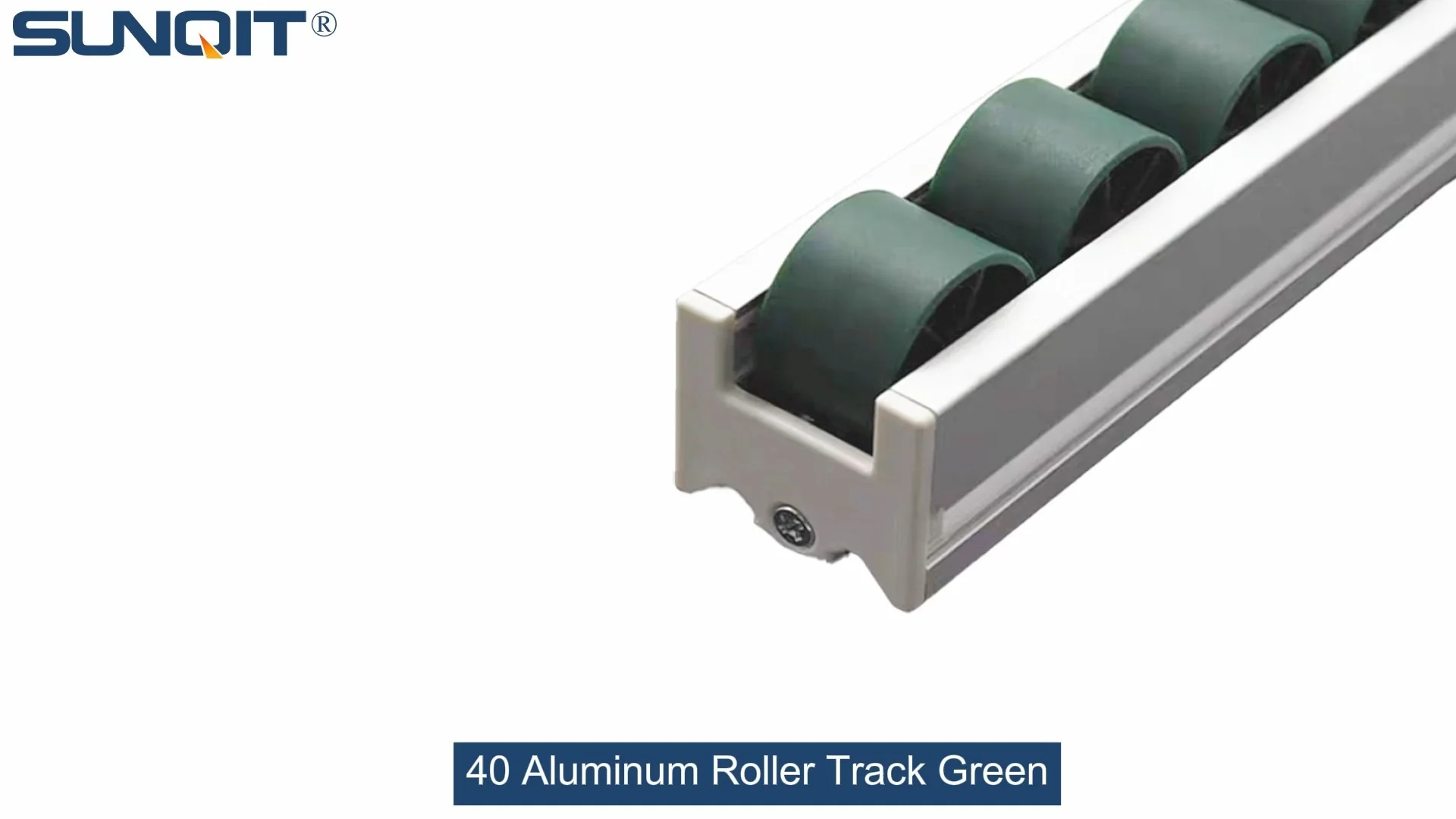
Durable and smooth-running modular roller rails. The system is fully assembled. The roller rail profile contains plastic rollers mounted on steel axles. Aluminum frame with plastic wheel make it anti corrosion,and material convey more smooth.
Introduction: The Critical Role of Cleanroom Equipment in Medical Device Manufacturing
Medical device manufacturing is a field where precision and purity are non-negotiable. Every component, from surgical scalpel blades to implantable pacemakers, must be produced in an environment that minimizes contamination risks. Cleanrooms are the backbone of this process, but their effectiveness depends heavily on the equipment used within them. One piece of equipment that has been gaining traction in recent years is the 40 aluminum roller track green— a solution designed to meet the strictest cleanroom standards while aligning with modern manufacturing principles. In this article, we'll dive deep into why this roller track is a game-changer for medical device cleanrooms, its key features, how it integrates with lean systems, and real-world applications that showcase its value.
Cleanroom Requirements in Medical Device Manufacturing: What Matters Most?
Before we explore the 40 aluminum roller track green, let's first understand the unique demands of cleanrooms in medical device production. Cleanrooms are classified by the number of particles allowed per cubic meter of air, with ISO 14644-1 being the global standard. For most medical device assembly lines, ISO Class 7 (up to 352,000 particles of 0.5μm) or Class 8 (3.52 million particles of 0.5μm) is the norm. To maintain these levels, equipment must meet specific criteria:
1. Material Compatibility
Equipment materials must be non-porous, corrosion-resistant, and free from toxic substances. Porous materials trap dust and bacteria, while corrosive materials can leach harmful chemicals into the environment—both of which are unacceptable for medical devices. Additionally, materials must withstand frequent cleaning with harsh disinfectants (like 70% isopropyl alcohol) without degrading.
2. Design for Cleanliness
Sharp edges, crevices, and rough surfaces are major red flags in cleanrooms. They accumulate dust and are hard to wipe clean. Equipment should have smooth, rounded edges and modular designs that allow for easy disassembly and deep cleaning. Visibility is another factor—bright, distinct colors help workers identify equipment zones and spot any contamination quickly.
3. Flexibility and Modularity
Medical device manufacturers often need to adapt their lines to produce new products or adjust to changing demand. Equipment that's rigid and hard to reconfigure leads to waste—both in time and materials. Lean principles, which focus on reducing waste and continuous improvement, are increasingly adopted in medical manufacturing, so equipment must align with these values.
4. Compliance with Regulatory Standards
Medical devices are regulated by agencies like the FDA (U.S.) and CE (EU). Equipment used in their production must comply with standards like RoHS (restricts hazardous substances), REACH (regulates chemical usage), and ISO 10993 (biological safety for medical devices). Non-compliant equipment can lead to product recalls or regulatory fines.

What Makes 40 Aluminum Roller Track Green Stand Out for Cleanrooms?
The 40 aluminum roller track green is not just another piece of conveyor equipment—it's a solution built specifically to address the challenges of medical device cleanrooms. Let's break down its key features:
1. Material Composition: Aluminum Profile and Medical-Grade Green Coating
At its core, this roller track uses high-quality aluminum profile— a material that ticks all the boxes for cleanroom compatibility. Aluminum is lightweight, so it's easy to move and reconfigure without straining workers. It's also non-porous and corrosion-resistant, meaning it won't trap dust or rust even after repeated cleaning. Unlike steel, which can degrade over time, aluminum maintains its integrity for years.
The green coating is more than just a color choice. It's a medical-grade powder coating that's free from toxic substances like lead and mercury. It's low-VOC (volatile organic compounds), so it doesn't release harmful fumes into the cleanroom air. The green color is a standard for clean zone equipment, helping workers quickly identify which tools are approved for use in the sterile environment. It also resists scratches and chipping, so it stays looking new even with heavy use.
2. Design Features: Smooth, Modular, and Dust-Resistant
The roller track's design is focused on cleanliness and flexibility. Its smooth surface has no crevices or sharp edges, so dust and debris can't accumulate. Workers can wipe it down in seconds with a lint-free cloth and disinfectant—no scrubbing needed. The modular design allows you to connect pieces of the track to create longer lines or disconnect them for deep cleaning. This modularity aligns perfectly with lean system principles, as it lets you adjust the line layout without buying new equipment.
Another key design feature is the roller system itself. The rollers are made from high-quality plastic that's compatible with medical standards. They spin smoothly, so materials move along the track without friction—reducing the risk of damage to delicate medical components. The green color of the track also makes it easy to spot any foreign particles that might land on it, helping workers catch contamination early.
3. Compatibility with Cleanroom Protocols
The 40 green aluminum roller track is designed to work seamlessly with cleanroom protocols. It's easy to disassemble, so you can take it apart for deep cleaning every few weeks—critical for maintaining ISO Class 7 or 8 standards. It's also compatible with flow rack and conveyor systems, which are common in medical device assembly lines. For example, you can attach the roller track to a flow rack to create a just-in-time inventory system, or connect it to a conveyor to move sub-assemblies from one station to the next. This compatibility reduces the need for multiple pieces of equipment, streamlining the cleanroom layout.

Integration into Lean Solutions for Medical Device Manufacturing
Lean manufacturing is all about eliminating waste and improving efficiency—two goals that are especially important in medical device production. The 40 green aluminum roller track is a key component of lean solutions for cleanrooms, as it helps reduce several types of waste:
1. Transport Waste Reduction
Transport waste refers to unnecessary movement of materials. The roller track's smooth flow system reduces this by allowing materials to move from one station to the next without manual lifting. When integrated with conveyors, it creates a continuous flow of components—cutting down on time spent moving parts and reducing the risk of human error.
2. Inventory Waste Reduction
Inventory waste is excess stock that takes up space and increases contamination risks. The roller track works with flow racks to create a just-in-time inventory system. Components are stored in flow racks attached to the track, so they're delivered to the assembly station exactly when needed. This reduces the amount of stock in the cleanroom, freeing up space and minimizing contamination risks.
3. Reconfiguration Waste Reduction
Reconfiguration waste is the time and money spent changing line layouts. The roller track's modular design lets you adjust the line in minutes—no tools required. For example, if you need to switch from assembling a surgical instrument to a diagnostic device, you can disconnect the track pieces and rearrange them to fit the new product. This reduces reconfiguration time by up to 30% compared to rigid equipment.
Real-World Use Case: MediTech Solutions
Let's take a look at how one medical device manufacturer benefited from the 40 green aluminum roller track. MediTech Solutions is a company that produces surgical instruments for hospitals. Before using the roller track, they had old steel roller tracks that were prone to rust and had rough surfaces. These tracks trapped dust, leading to two contamination-related line stops in six months. They also struggled to reconfigure their lines quickly when launching new products.
MediTech switched to the 40 green aluminum roller track as part of a lean solution overhaul. They replaced their old steel tracks with the new aluminum ones, integrating them into flow racks and conveyors. The results were impressive: after three months, they had zero contamination-related line stops. Their line reconfiguration time decreased by 25%, and their cleaning time dropped by 15%. The green color of the track also helped workers identify clean zone equipment quickly, reducing the risk of cross-contamination.
"The 40 green aluminum roller track has transformed our cleanroom," said Sarah Jones, MediTech's production manager. "We no longer worry about rust or dust traps, and reconfiguring our lines is a breeze. It's a small change that has made a huge difference in our efficiency and compliance."

Technical Specifications & Compliance
The 40 green aluminum roller track meets all the key standards for medical device cleanrooms. Here's a detailed breakdown of its specifications:
| Specification | Details |
|---|---|
| Roller Track Type | 40 Aluminum Roller Track Green |
| Material | High-grade 6063-T5 Aluminum Profile |
| Coating | Medical-grade Green Powder Coating (RoHS & REACH Compliant) |
| Roller Material | Food-Grade Plastic (FDA 21 CFR Part 177 Compliant) |
| Load Capacity | Up to 150 kg/m (evenly distributed) |
| Cleanroom Compliance | ISO 14644-1 Class 7 Compatible |
| Regulatory Compliance | RoHS, REACH, FDA 21 CFR Part 177, ISO 10993-1 |
| Modularity | Compatible with Standard Flow Rack & Conveyor Systems |
| Surface Finish | Smooth, Non-Porous, Scratch-Resistant |
| Lifespan | 5-7 Years (Cleanroom Environment) |
These specifications ensure that the roller track is not only effective but also safe for use in medical device manufacturing. It meets all the key regulatory standards, so you can be confident that your products are compliant with global requirements.
Maintenance & Longevity in Cleanroom Environments
Maintaining equipment in a cleanroom is essential for compliance and efficiency. The 40 green aluminum roller track is designed to be low-maintenance, so you can spend less time on upkeep and more on production.
Daily Maintenance
Every shift, workers should wipe down the roller track with a lint-free cloth dipped in 70% isopropyl alcohol. This removes any dust or debris that might have accumulated. The smooth surface makes this process quick and easy—no scrubbing needed.
Weekly Maintenance
Once a week, you should check the roller track for loose connections. If any pieces are loose, you can tighten them with a simple tool (though the modular design usually requires no tools). You should also inspect the rollers for wear and tear—if any rollers are damaged, they can be replaced easily.
Monthly Maintenance
Once a month, you should disassemble the roller track for deep cleaning. This involves disconnecting the modular pieces and wiping them down with a disinfectant solution. You can also use a soft brush to clean the roller bearings (if needed). The modular design makes this process fast—you can reassemble the track in minutes.
Longevity
The 40 green aluminum roller track has a lifespan of 5-7 years in a cleanroom environment. This is longer than steel tracks, which typically last 3-4 years. The aluminum profile is corrosion-resistant, and the green coating is scratch-resistant, so it stays in good condition even with heavy use. This reduces the need for replacements, saving you money and reducing waste.
Conclusion: Why 40 Aluminum Roller Track Green is the Future of Cleanroom Manufacturing
The 40 green aluminum roller track is more than just a piece of equipment—it's a solution that addresses the unique challenges of medical device cleanrooms. Its aluminum profile, medical-grade green coating, and modular design make it compatible with strict cleanroom standards. It integrates seamlessly with lean systems, reducing waste and improving efficiency. And its low-maintenance design ensures that it lasts for years, saving you time and money.
If you're a medical device manufacturer looking to improve your cleanroom efficiency and compliance, the 40 green aluminum roller track is worth considering. It's a small investment that can have a huge impact on your production process. Whether you're assembling surgical instruments or diagnostic devices, this roller track will help you maintain the highest levels of purity and efficiency.
In a field where precision and purity are everything, the 40 green aluminum roller track is a game-changer. It's the future of cleanroom manufacturing— and it's here today.