- Company Articles
- Products and Technology
- Product knowledge
- 40 Aluminum Roller Track Grey for 3C Assembly: Meeting Electronics Production Demands

40 Aluminum Roller Track Grey for 3C Assembly: Meeting Electronics Production Demands
Related Product
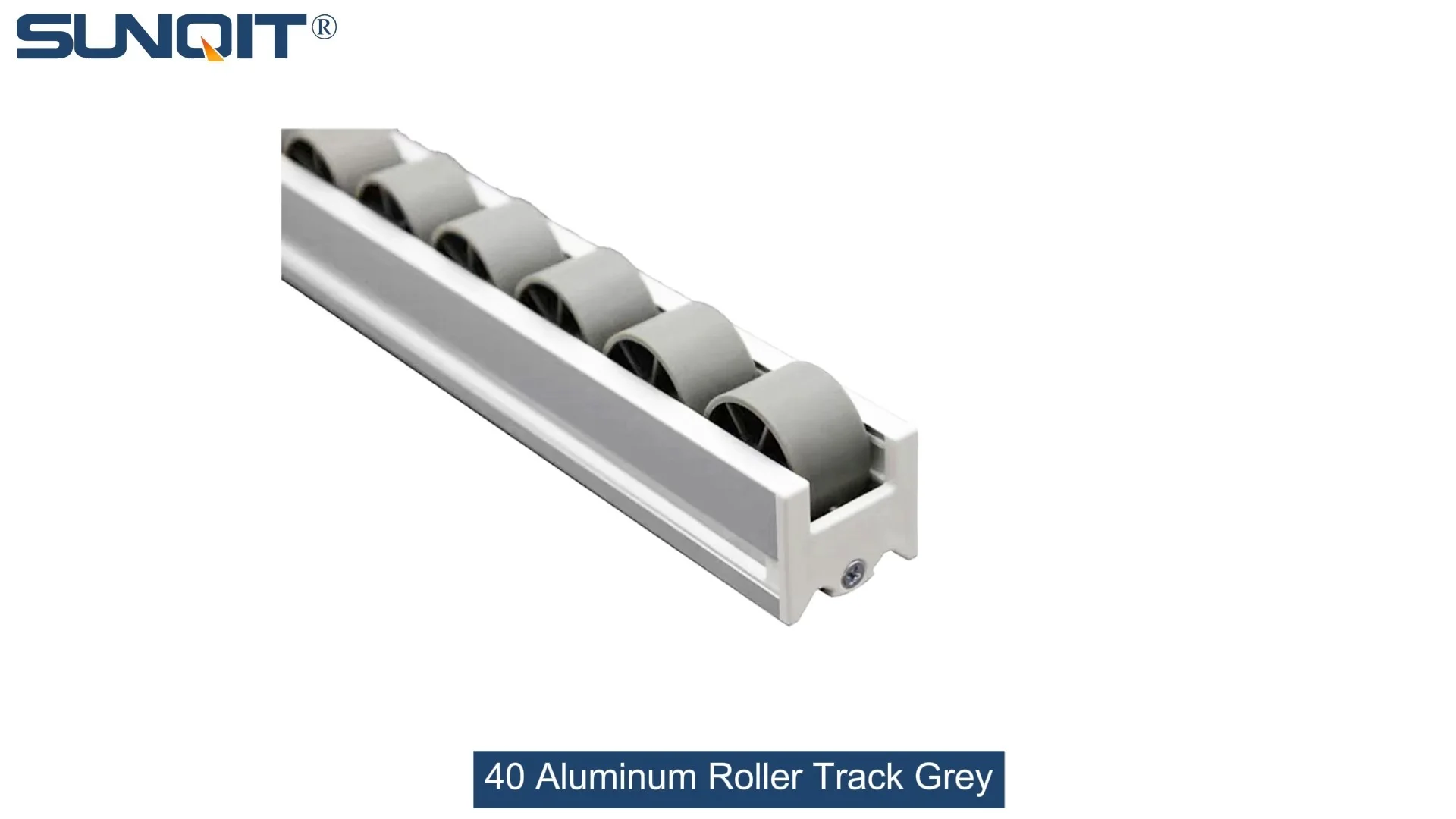
40 Aluminum Roller Track Grey
Durable and smooth-running modular roller rails. The system is fully assembled. The roller rail profile contains plastic rollers mounted on steel axles. Aluminum frame with plastic wheel make it anti corrosion,and material convey more smooth.
Walk into any 3C manufacturing plant—where smartphones, laptops, and smartwatches come to life—and you'll feel the buzz of precision in motion. Every second counts here. A delay in component delivery, a janky material flow, or a misaligned workbench can throw off production timelines for products that ship by the millions. In this fast-paced world, the unsung heroes often aren't the high-tech robots or cutting-edge software, but the humble tools that keep materials moving smoothly: enter the 40 Aluminum Roller Track Grey. This unassuming piece of equipment, often integrated into flow racks and workbenches, is quietly revolutionizing how 3C assembly lines handle the delicate dance of parts, people, and productivity. Let's dive into why this specific roller track has become a cornerstone of modern electronics manufacturing.
The 3C Manufacturing Puzzle: Why Material Flow Matters
3C production is a high-stakes game of speed, precision, and adaptability. Products evolve overnight, consumer demand shifts in an instant, and competitors are always nipping at your heels. To keep up, assembly lines can't afford bottlenecks—especially when it comes to moving materials. Think about it: a typical smartphone has over 1,000 components, from tiny resistors to larger battery packs. Each part needs to arrive at the right workstation, at the right time, in the right quantity. When that flow breaks down—because a track jams, a shelf is too high, or parts have to be manually carried across the floor—everything slows down. Workers waste time fetching instead of assembling, errors creep in from rushed handling, and suddenly, that "just-in-time" production schedule feels more like "just-too-late."
This is where lean system principles come into play. Lean manufacturing isn't just a buzzword; it's a mindset focused on eliminating waste—whether that's wasted time, wasted effort, or wasted space. And at the heart of lean is material flow: ensuring that parts move through the line with minimal friction, exactly when they're needed. Flow racks, roller tracks, and workbenches are the physical backbone of this flow. They turn chaotic piles of components into organized, accessible streams that feed directly to operators. For 3C manufacturers, choosing the right tools for this job isn't just about efficiency—it's about survival in a market where margins are tight and innovation waits for no one.
Meet the 40 Aluminum Roller Track Grey: A Workhorse for 3C Lines
So, what makes the 40 Aluminum Roller Track Grey stand out in a sea of material handling options? Let's start with the basics: it's a track system designed to let materials glide smoothly from point A to point B, typically mounted on flow racks, workbenches, or conveyor setups. The "40" refers to its width—40mm—a standard size that balances compatibility with other equipment and load-bearing capacity. The "aluminum" speaks to its material, chosen for its unique blend of strength and lightness. And "grey"? That's not just a color choice; it's a practical one, too (more on that later).
At first glance, it might seem like any other roller track. But in the context of 3C assembly, where precision and reliability are non-negotiable, the details matter. Let's break down why this track has become a go-to for manufacturers:
- Aluminum Profile: The Sweet Spot of Strength and Weight – Aluminum isn't just lightweight; it's surprisingly tough. Unlike plastic tracks that warp under heavy loads or steel tracks that add unnecessary bulk, aluminum strikes a balance. A 40mm aluminum profile can handle the weight of 3C components—think circuit boards, small toolkits, or even semi-assembled modules—without bending, while still being easy to install and reconfigure. This is crucial in 3C lines, where production layouts often change to accommodate new product models.
- Grey Finish: More Than Meets the Eye – You might wonder, why grey? In a factory filled with bright yellows and safety oranges, grey is understated, but that's the point. It hides minor scuffs and dust better than lighter colors, keeping work areas looking clean with less frequent cleaning. Plus, it blends seamlessly with other aluminum profile equipment—like workbenches and flow racks—creating a cohesive, professional look that reduces visual clutter for workers.
- Precision Rollers: Smooth as Silk, Tough as Nails – The rollers themselves are a study in engineering. Typically made of high-grade plastic or rubber (depending on the load), they're spaced evenly along the track to ensure stable movement. For 3C components, which can be delicate (ever dropped a PCB?), smooth rolling isn't just about speed—it's about preventing damage. A jolt or a stuck roller could scratch a screen or misalign a tiny connector, leading to costly rework.
- Built for Compatibility: Aluminum Profile Accessories – No track works alone. The 40 Aluminum Roller Track Grey is designed to play nice with a suite of aluminum profile accessories, from roller track placon mounts (which secure the track to flow racks or workbenches) to end supports with stops (to prevent parts from sliding off the end). This modularity means manufacturers can customize their setup—adding curves, adjusting heights, or linking tracks to conveyors—without reinventing the wheel.

Why 40mm? The Goldilocks of Roller Track Sizes
You might be thinking, "Why 40mm? Why not 30mm or 50mm?" Great question. In manufacturing, size standardization is key to avoiding headaches. A 40mm width has emerged as a sweet spot for mid-sized material handling. It's narrow enough to fit on compact workbenches (critical in 3C plants, where floor space is often at a premium) but wide enough to support most common 3C component containers—like small bins, trays, or even specialized carriers for circuit boards.
Compare that to a 30mm track, which might struggle with larger trays, or a 50mm track, which takes up extra space and adds unnecessary weight. For 3C lines, where every inch of workspace is optimized, 40mm hits that "just right" note. It's also widely adopted by aluminum profile suppliers, meaning replacement parts or additional tracks are easy to source—no waiting weeks for custom orders.

From Lean System to Happy Workers: The Real-World Benefits
Let's move beyond specs and talk about impact. How does the 40 Aluminum Roller Track Grey actually make a difference on the factory floor? Let's count the ways:
1. Slashing Waste, Boosting Flow (Hello, Lean System!)
Lean manufacturing is all about cutting out waste, and one of the biggest culprits is "motion waste"—workers walking to fetch parts, bending awkwardly to reach bins, or struggling to slide heavy trays. The 40 Aluminum Roller Track Grey eliminates this by bringing materials directly to the workstation. Imagine a flow rack mounted with grey tracks, loaded with component bins, positioned right next to an assembly workbench. As an operator finishes with one bin, they simply slide the next one forward—no walking, no lifting, no delays. This isn't just efficient; it's lean in action, turning idle time into productive time.2. Ergonomics: Less Strain, More Gains
Repetitive strain injuries are a silent killer in manufacturing. When workers have to pull heavy bins or reach awkwardly for parts, morale drops, and absenteeism rises. The 40 Aluminum Roller Track Grey changes that. By keeping materials at waist height and allowing smooth, one-handed movement, it reduces physical strain. A study by the Manufacturing Ergonomics Institute found that assembly lines using roller tracks reported a 30% decrease in worker complaints about back and shoulder pain—translating to fewer sick days and higher retention. For 3C manufacturers, where skilled workers are hard to come by, this is a game-changer.3. Durability That Keeps Up with 3C's Pace
3C plants run 24/7, and equipment can't take a day off. Aluminum's natural resistance to rust and corrosion means the 40 Aluminum Roller Track Grey holds up in dusty, sometimes humid factory environments. Unlike steel tracks, which need regular painting or coating to prevent rust, aluminum requires minimal maintenance—just an occasional wipe-down to keep rollers clean. This durability translates to lower long-term costs, as manufacturers don't have to replace tracks every few years.4. Flexibility for High-Mix, Low-Volume Production
3C production isn't just fast—it's also varied. One week, a line might be assembling budget smartphones; the next, high-end tablets. This "high-mix, low-volume" model demands equipment that can adapt quickly. The 40 Aluminum Roller Track Grey's modular design shines here. With the right aluminum profile accessories, manufacturers can reconfigure flow racks in hours, not days. Need to add a new track to a workbench for a new component? Just snap on a placon mount and secure it—no welding, no drilling, no downtime.
A Day in the Life: 40 Aluminum Roller Track Grey in Action
Let's paint a picture of how this track works in a real 3C assembly line. Meet "Line 5" at a hypothetical smartphone factory, where they're assembling the latest model, the "Echo X." Here's how the 40 Aluminum Roller Track Grey fits in:
Scenario: Echo X PCB Assembly Station
At Station 3 on Line 5, Maria is responsible for attaching the main PCB to the phone's mid-frame. To her left is a flow rack with three levels, each fitted with 40 Aluminum Roller Track Grey. The top level holds bins of PCBs (each in an anti-static tray), the middle level has mid-frames, and the bottom level is for completed sub-assemblies. When Maria finishes a unit, she slides the completed sub-assembly onto the lower track, which feeds into a conveyor leading to the next station. Then, she reaches for the next PCB bin on the top track—with a gentle push, it glides down to her workstation. No bending, no stretching, no fumbling with heavy bins. The grey track blends into the flow rack, so Maria's focus stays on her work, not on hunting for parts. Later that day, the line switches to a limited-edition Echo X with a different battery. The supervisor grabs a few aluminum profile accessories—adjustable placon mounts—and reconfigures the flow rack to accommodate larger battery bins. The track handles the new load without a hitch, and production resumes in under an hour. This is the 40 Aluminum Roller Track Grey in its element: quiet, reliable, and ready for whatever the day throws at it.
Specs That Matter: A Closer Look at the 40 Aluminum Roller Track Grey
To truly appreciate this track, let's get into the details. Below is a table of key specifications, based on standard offerings from leading aluminum profile suppliers. Keep in mind that some suppliers may offer customizations (like roller material or track length), but these are the basics that make the 40 Aluminum Roller Track Grey a staple in 3C manufacturing:
| Specification | Details | Why It Matters for 3C |
|---|---|---|
| Track Width | 40mm (outer width) | Fits standard 3C component bins/trays; compatible with most aluminum profile accessories. |
| Material | 6063-T5 Aluminum Alloy (profile); Polypropylene or ESD Rubber (rollers) | Aluminum offers strength + lightweight; ESD rollers prevent static damage to sensitive electronics. |
| Load Capacity | Up to 50kg per linear meter (varies by roller spacing) | Supports typical 3C component loads without bending or warping. |
| Roller Spacing | 50-100mm (adjustable based on load) | Closer spacing for smaller, lighter parts; wider spacing for larger bins. |
| Color | Matte Grey (powder-coated) | Resists visible dirt; blends with factory environments; reduces eye strain. |
| Compatible Accessories | Roller track placon mount for aluminum profile flat, end support with stop, track connector | Enables easy integration with flow racks, workbenches, and conveyors. |
| Standard Length | 1-3 meters (custom lengths available) | Flexible for small workbenches or long flow racks; reduces waste from cutting. |
*Note: ESD (Electrostatic Discharge) rollers are a critical option for 3C lines, as static electricity can fry sensitive components like microchips. Many suppliers offer ESD-compatible versions of the 40 Aluminum Roller Track Grey specifically for electronics manufacturing.
Beyond the Track: Building a Lean Ecosystem
The 40 Aluminum Roller Track Grey is powerful on its own, but its true potential shines when integrated into a broader lean system. Let's explore how it works with other key components:
Flow Racks: The Track's Perfect Partner
Flow racks are the backbone of material storage in lean manufacturing, and the 40 Aluminum Roller Track Grey is their circulatory system. By mounting tracks on flow rack shelves, manufacturers create a "first-in, first-out" (FIFO) system for components. Bins are loaded from the back and slide forward as front bins are emptied, ensuring older parts are used first (critical for avoiding obsolescence in fast-changing 3C markets). For example, a flow rack with 40mm grey tracks can hold up to 10 bins per shelf, each gliding independently—no more digging through stacks to find the right part.Workbenches: Where Tracks Meet Workers
Workbenches are the heart of any assembly station, and integrating 40 Aluminum Roller Track Grey into their design transforms them from static tables into dynamic workspaces. Tracks can be mounted along the edges of workbenches to feed parts directly to operators, or under shelves to collect waste or completed sub-assemblies. For ergonomics, tracks can be angled slightly downward (using adjustable placon mounts) to reduce the force needed to push bins—another win for worker comfort.Aluminum Profile Accessories: The Glue That Holds It All Together
None of this integration would be possible without aluminum profile accessories. Roller track placon mounts, for example, are small brackets that secure the track to flow racks or workbenches—adjustable to different heights and angles. End supports with stops prevent bins from sliding off the track, while connectors link multiple track sections for longer runs. Even small details, like roller track placon mount center support brackets, add stability for heavier loads. Choosing a supplier that offers a full suite of these accessories ensures a seamless, frustration-free setup.Choosing the Right Supplier: More Than Just a Track
Not all 40 Aluminum Roller Track Grey products are created equal. To get the most out of your investment, it's critical to partner with a reputable aluminum profile supplier—one that understands the unique demands of 3C manufacturing. Here's what to look for:
- ESD Expertise – For 3C, static protection is non-negotiable. A good supplier will offer ESD-compatible rollers and tracks, with certifications to back up their claims (like ANSI/ESD S20.20). Avoid suppliers that cut corners here—static damage can cost you thousands in rework.
- Modular Accessory Line – The best suppliers don't just sell tracks; they sell ecosystems. Look for a range of aluminum profile accessories, from placon mounts to connectors, so you can customize your setup without mixing and matching brands (which often leads to compatibility issues).
- Fast Turnaround – In 3C, downtime is money. Choose a supplier with local warehouses or quick manufacturing lead times, so you can get replacement tracks or accessories in days, not weeks.
- Technical Support – Even the most modular systems can hit snags. A supplier with a knowledgeable support team can help you design your flow rack or workbench setup, troubleshoot issues, and suggest optimizations based on your specific production needs.
The Future of 3C Manufacturing: Why Tracks Still Matter
As 3C manufacturing moves toward automation and Industry 4.0, you might wonder if "old-school" tools like roller tracks will become obsolete. The answer? Quite the opposite. Automation relies on predictable, consistent material flow—and roller tracks provide exactly that. Even with robots handling parts, they need a reliable way to receive components, and tracks ensure that bins arrive at the right position, at the right time, every time.
What's more, as factories become more focused on sustainability, aluminum's recyclability makes the 40 Aluminum Roller Track Grey an eco-friendly choice. Unlike plastic tracks, which end up in landfills, aluminum can be recycled indefinitely without losing strength—aligning with the green manufacturing goals many 3C brands are now prioritizing.
In short, the 40 Aluminum Roller Track Grey isn't just keeping up with the future of 3C manufacturing—it's helping build it. It's a reminder that sometimes, the most impactful innovations aren't flashy; they're the ones that quietly, reliably, make every other part of the process work better.
Final Thoughts: The Track That Keeps 3C Moving
The next time you pick up your smartphone or power on your laptop, take a moment to appreciate the journey it took to get to you. Behind that sleek design is a symphony of precision, and at the heart of that symphony is material flow. The 40 Aluminum Roller Track Grey might not make it into the product specs or the marketing materials, but it's there—ensuring that components move smoothly, workers stay efficient, and lines keep running.
For 3C manufacturers, choosing the right roller track isn't just about buying equipment; it's about investing in a lean system that reduces waste, boosts morale, and keeps up with the relentless pace of innovation. And in that race, the 40 Aluminum Roller Track Grey is more than a competitor—it's a champion.