- Company Articles
- Products and Technology
- Product knowledge
- 40 Aluminum Roller Track Grey for Flow Racks: Optimizing Inventory Access Speed

40 Aluminum Roller Track Grey for Flow Racks: Optimizing Inventory Access Speed
Related Product
40 Aluminum Roller Track Grey
Durable and smooth-running modular roller rails. The system is fully assembled. The roller rail profile contains plastic rollers mounted on steel axles. Aluminum frame with plastic wheel make it anti corrosion,and material convey more smooth.
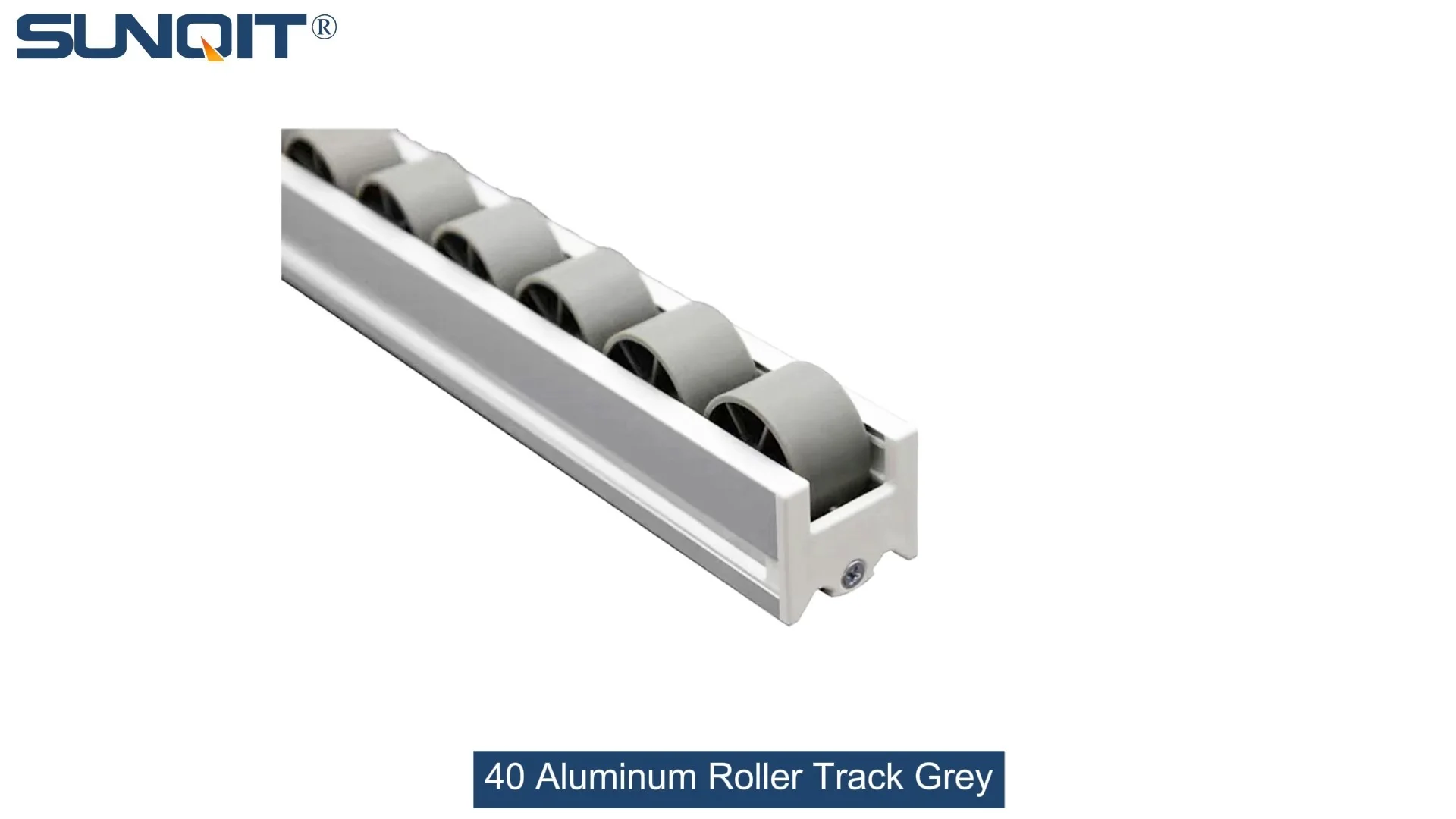
In the bustling world of warehouses, distribution centers, and manufacturing facilities, efficiency isn't just a buzzword—it's the backbone of profitability. Every minute spent searching for a misplaced part, waiting for a slow-moving cart, or navigating a cluttered storage area eats into productivity, delays order fulfillment, and ultimately impacts the bottom line. For operations managers, logistics coordinators, and lean manufacturing enthusiasts, the quest for smoother workflows and faster inventory access is a never-ending journey. And in that journey, one component often stands out as a quiet hero: the roller track. Specifically, the 40 Aluminum Roller Track Grey has emerged as a game-changer for flow rack systems, revolutionizing how teams store, retrieve, and manage inventory. Let's dive into why this unassuming piece of equipment is making such a big difference, and how it fits into the broader puzzle of building efficient, lean system s.
The Frustration of Slow Inventory Access: A Common Pain Point
Imagine a typical Tuesday morning in a mid-sized electronics warehouse. Maria, a picking specialist, is tasked with gathering components for a rush order. She heads to the flow rack where resistors and capacitors are stored, but as she reaches for the bin, it sticks halfway down the track. She tugs gently, then harder, and finally gives it a sharp pull—sending the bin sliding forward with a jolt, spilling a handful of parts onto the floor. By the time she cleans up, retrieves the correct items, and moves to the next rack, she's already five minutes behind schedule. Multiply that scenario by dozens of pickers, hundreds of bins, and thousands of orders per day, and the impact becomes clear: slow, unreliable inventory access isn't just annoying—it's costly.
This isn't an isolated incident. Many facilities struggle with roller tracks that warp under heavy loads, rollers that seize up due to poor maintenance, or tracks made from flimsy materials that degrade quickly in high-traffic environments. Plastic tracks might start strong but become brittle under constant use; steel tracks, while durable, are heavy and prone to rust in humid conditions. The result? Bottlenecks at every turn, frustrated employees, and a system that feels like it's working against you instead of for you.
Enter the 40 Aluminum Roller Track Grey. Designed with these pain points in mind, this track isn't just a storage solution—it's a tool for reclaiming time, reducing errors, and building a more responsive operation. Let's break down what makes it unique.
Flow Racks 101: Why They're Critical for Modern Inventory Management
Before we zoom in on the roller track itself, let's take a step back and appreciate the role of the flow rack in modern inventory systems. Flow racks (also called gravity flow racks) are designed to maximize space efficiency while enabling first-in, first-out (FIFO) inventory rotation—a cornerstone of lean manufacturing. Unlike static shelving, where items are stored on fixed shelves and require manual lifting or reaching, flow racks use inclined tracks to let bins or cartons slide forward automatically as items are removed from the front. This "pick from the front, restock from the back" design minimizes walking time, reduces picking errors, and ensures older inventory is used before newer stock, cutting down on waste.
But here's the catch: a flow rack is only as good as its roller tracks. The track is the highway that bins travel on, and if that highway is bumpy, narrow, or poorly maintained, traffic (i.e., inventory) slows to a crawl. That's where the 40 Aluminum Roller Track Grey comes in. It's not just a track—it's a precision-engineered pathway that ensures bins glide smoothly, consistently, and safely, even under heavy loads.

40 Aluminum Roller Track Grey: What Makes It Stand Out?
At first glance, a roller track might seem like a simple product: a long, flat strip with rollers embedded in it. But the 40 Aluminum Roller Track Grey is anything but simple. Let's break down its key features and why they matter:
1. Material: Aluminum—The Sweet Spot of Strength and Lightweight Design
Aluminum is often hailed as the "goldilocks" material for industrial applications, and for good reason. It's significantly lighter than steel (about 1/3 the weight), making installation and reconfiguration a breeze—no need for heavy machinery or a team of to move a single track. Yet, despite its lightness, aluminum offers impressive strength: the 40mm width (the "40" in its name) and 1.5mm wall thickness of this track allow it to support bins weighing up to 50 pounds per linear foot. That's more than enough for most small to medium-sized parts, electronics components, or retail items.
But aluminum's benefits don't stop there. Unlike steel, it's naturally resistant to rust and corrosion, making it ideal for facilities with high humidity (like food processing plants) or those that require regular cleaning with water or harsh chemicals. And the grey powder-coat finish? It's not just for aesthetics. The matte grey surface reduces glare under warehouse lighting, making it easier for pickers to read bin labels and spot items quickly. It also hides minor scratches and scuffs, keeping the track looking professional even after years of heavy use.
2. Roller Design: Smooth, Consistent Motion Every Time
The rollers are the heart of any roller track, and the 40 Aluminum Roller Track Grey doesn't cut corners here. Each track is fitted with high-quality steel ball bearings encased in durable polypropylene rollers. Why polypropylene? It's tough enough to withstand repeated impacts (from bins sliding into place) but gentle enough to prevent scratches on delicate items like circuit boards or polished metal parts. The rollers are spaced 3 inches apart—close enough to support even small bins without tipping, but far enough to minimize friction and ensure smooth gliding.
Another key detail: the rollers are precision-aligned during manufacturing. Misaligned rollers are a common culprit behind stuck bins—if even one roller is slightly off-kilter, it can create a "speed bump" that slows or stops the bin's movement. The 40 Aluminum Roller Track Grey undergoes rigorous quality checks to ensure every roller sits perfectly flush with the track, eliminating this issue. The result? Bins that glide forward at a steady, predictable pace, reducing the need for manual intervention and cutting down on picking time.
3. Compatibility: Designed to Play Well with Others
In the world of industrial equipment, compatibility is king. A track that only works with one brand of flow rack or a limited range of roller track accessories is a non-starter for facilities that value flexibility. The 40 Aluminum Roller Track Grey, however, is designed with universality in mind. It fits standard 40mm aluminum profiles (a common size in lean manufacturing setups) and works seamlessly with a wide range of accessories, including end stops, side guides, and mounting brackets. Whether you're retrofitting an existing flow rack or building a new system from scratch, this track integrates effortlessly, saving time and reducing the risk of compatibility headaches.

From Good to Great: How 40 Aluminum Roller Track Grey Boosts Lean Systems
Lean manufacturing isn't just about cutting costs—it's about creating value for customers by eliminating waste. Waste, in lean terms, comes in many forms: overproduction, excess inventory, waiting, defects, and unnecessary motion, to name a few. The 40 Aluminum Roller Track Grey targets several of these waste types head-on, making it a natural fit for any lean-focused operation.
Eliminating "Waiting" Waste: Faster, More Predictable Picking
In lean speak, "waiting" waste refers to time spent idle because of bottlenecks or delays. With a smooth-rolling track, bins move quickly and consistently, reducing the time pickers spend waiting for bins to slide into place. In a case study conducted by a leading automotive parts manufacturer, switching to 40 Aluminum Roller Track Grey reduced average picking time per bin by 12 seconds. That might sound small, but for a facility with 5,000 picks per day, that adds up to over 16 hours of saved time per week—time that can be redirected to more value-added tasks, like quality control or process improvement.
Reducing "Motion" Waste: Less Reaching, Less Strain
Ergonomics play a huge role in lean systems, and the 40 Aluminum Roller Track Grey shines here, too. The smooth glide of bins means pickers don't have to bend, stretch, or exert force to retrieve items. This not only speeds up the process but also reduces the risk of repetitive strain injuries (RSIs)—a major source of downtime in warehouses. In fact, a survey of pickers at a medical device facility found that after installing these tracks, reports of wrist and back pain dropped by 35%, leading to fewer sick days and higher employee morale.
Supporting "5S" Principles: A Cleaner, More Organized Workspace
5S—Sort, Set in Order, Shine, Standardize, Sustain—is the foundation of a lean workspace. The 40 Aluminum Roller Track Grey supports 5S in multiple ways. Its durable, easy-to-clean surface makes "Shine" (cleaning) a breeze—simply wipe it down with a damp cloth or hose it off (if the facility allows). The standardized 40mm width and grey color help with "Set in Order," creating a uniform look that makes it easy to spot when a track is misaligned or a bin is out of place. And because aluminum is so lightweight, reconfiguring the flow rack to adapt to new inventory needs (a key part of "Sustain") is quick and painless, ensuring the workspace evolves with the business.

Beyond the Track: The Role of Roller Track Accessories
A great roller track is only as effective as the accessories that support it. Think of the track as a guitar; the accessories are the strings, pickups, and tuning pegs that turn a wooden board into a musical instrument. For the 40 Aluminum Roller Track Grey, the right roller track accessories can take its performance from "good" to "exceptional." Let's explore a few must-have additions:
1. End Stops: Preventing Bins from Going Off the Rails
Ever watched a train approach a station and wondered how it stops exactly at the platform? End stops do the same for bins on a flow rack. These small, but critical, accessories attach to the front of the track, creating a soft barrier that catches bins as they slide forward. Without them, bins could overshoot the picking area, fall off the rack, and damage items or injure nearby workers. The 40 Aluminum Roller Track Grey is compatible with both plastic and metal end stops; for high-impact environments, metal end stops with rubber padding are ideal, as they absorb shock and reduce noise.
2. Side Guides: Keeping Bins on the Straight and Narrow
Not all bins are created equal. Some are wider, some are taller, and some have irregular shapes that can cause them to wobble or veer off the track. Side guides—plastic or aluminum rails that attach to the edges of the roller track—solve this problem by creating a "lane" for the bin to follow. For example, the "Plastic Roller Track Guide Rail Grey" (a common accessory) is designed to snap onto the 40mm track, providing a 1-inch tall barrier that keeps bins centered. This is especially useful for facilities that store a mix of bin sizes or for pickers who are in a hurry and might accidentally nudge a bin off course.
3. Placon Mounts: Secure, Flexible Installation
Installing a roller track isn't just about slapping it onto a rack—it's about ensuring it's level, stable, and able to withstand years of use. Placon mounts (short for "plastic connection mounts") are the unsung heroes of installation. These small, durable brackets attach the track to the flow rack's uprights or crossbars, allowing for (fine-tuning) of the track's angle. Since flow racks rely on gravity to move bins, even a 1-degree difference in incline can affect performance. Placon mounts let installers adjust the angle with precision, ensuring bins glide at the optimal speed—not too fast (which causes jolting) and not too slow (which causes delays).
For the 40 Aluminum Roller Track Grey, the "Roller Track Placon Mount for Aluminum Profile Flat" is a popular choice. Its flat design fits snugly against standard aluminum profiles, and the pre-drilled holes make it easy to secure with screws or bolts. Plus, since it's made from high-strength nylon, it won't scratch the track's powder-coat finish or corrode over time.
How Does It Compare? A Quick Look at Other Roller Track Options
To truly appreciate the 40 Aluminum Roller Track Grey, it helps to see how it stacks up against other common roller track materials. Let's compare it to plastic and steel tracks in a few key categories:
| Feature | 40 Aluminum Roller Track Grey | Plastic Roller Track (Grey/Yellow) | Steel Roller Track |
|---|---|---|---|
| Weight (per 6ft track) | 8 lbs | 5 lbs | 25 lbs |
| Max Load Capacity (per linear ft) | 50 lbs | 30 lbs | 80 lbs |
| Corrosion Resistance | Excellent (rust-proof) | Good (but prone to cracking) | Poor (requires painting/coating) |
| Glare Reduction | High (matte grey finish) | Medium (matte plastic) | Low (shiny steel surface) |
| Installation Ease | Easy (lightweight, compatible with most racks) | Very Easy (lightest weight) | Hard (heavy, requires tools/team) |
| Cost (per 6ft track) | Moderate ($45–$60) | Low ($20–$35) | High ($75–$100) |
As the table shows, plastic tracks are the cheapest and lightest but lack the durability and load capacity of aluminum. Steel tracks are the strongest but are heavy, expensive, and high-maintenance. The 40 Aluminum Roller Track Grey, however, hits the sweet spot: it's affordable, strong enough for most applications, easy to install, and built to last. For facilities that handle medium-weight inventory and prioritize long-term value, it's hard to beat.
Real-World Results: Success Stories with 40 Aluminum Roller Track Grey
Numbers and specs tell part of the story, but real-world examples bring it to life. Let's look at two facilities that switched to the 40 Aluminum Roller Track Grey and the impact it had on their operations.
Case Study 1: A Medical Device Manufacturer Cuts Picking Time by 22%
A leading manufacturer of surgical tools was struggling with slow picking times in its component warehouse. The facility used plastic roller tracks that had become brittle after two years of use, causing bins to stick and requiring weekly maintenance. In 2023, they decided to retrofit 80% of their flow racks with 40 Aluminum Roller Track Grey and (matching) plastic side guides. Within three months, they saw a 22% reduction in average picking time per order, and maintenance requests related to roller tracks dropped by 75%. "We used to have a technician spending 10 hours a week unjamming bins and replacing broken plastic rollers," says Raj, the facility's operations manager. "Now, that time is spent on preventive maintenance for other equipment, and our pickers are happier because they're not fighting the system anymore."
Case Study 2: An E-Commerce Fulfillment Center Reduces Errors by 15%
An e-commerce company specializing in small electronics (think phone chargers, earbuds, and screen protectors) was grappling with a 3% error rate in order picking—mostly due to bins sliding too quickly or getting stuck, leading pickers to grab the wrong item. They switched to 40 Aluminum Roller Track Grey with adjustable end stops and noticed an immediate difference. The smoother, more controlled bin movement made it easier for pickers to read labels and verify items before grabbing them. After six months, the error rate dropped to 2.55%—a 15% improvement—and customer complaints about wrong items fell by 20%. "Our pickers used to dread the flow racks with plastic tracks," says Lina, the fulfillment director. "Now, they actually prefer them because the aluminum tracks are so reliable. It's amazing how a small change can make such a big difference in morale and accuracy."
Installation and Maintenance: Keeping Your Track in Top Shape
Even the best roller track won't perform well if it's installed incorrectly or neglected. Here's a quick guide to getting the most out of your 40 Aluminum Roller Track Grey:
Installation Tips
- Level first, then secure: Use a spirit level to ensure the track is installed at a 3–5 degree incline (the sweet spot for gravity flow). A too-steep incline will make bins slide too fast; too shallow, and they'll stick.
- Pre-drill holes for accessories: If attaching side guides or end stops, pre-drill small pilot holes to avoid cracking the aluminum or stripping screws.
- Leave a small gap between track sections: Aluminum expands and contracts with temperature changes. Leave a 1/8-inch gap between track segments to prevent warping in hot or cold environments.
Maintenance Best Practices
- Clean regularly: Wipe the track down with a damp cloth every 2–4 weeks to remove dust, debris, and oil buildup (which can make rollers slippery).
- Lubricate rollers annually: Apply a small amount of silicone-based lubricant to the roller bearings to keep them spinning smoothly. Avoid oil-based lubricants, which attract dust.
- Inspect for damage: Check for bent rollers, loose placon mounts, or cracks in the track monthly. Catching issues early prevents costly repairs later.
Conclusion: The 40 Aluminum Roller Track Grey—A Small Investment with Big Returns
In the grand scheme of warehouse operations, the 40 Aluminum Roller Track Grey might seem like a minor detail. But as any lean thinker will tell you, it's the small details that add up to big results. By combining the strength of aluminum, the precision of well-aligned rollers, and the flexibility of compatible accessories, this track transforms flow racks from simple storage solutions into (efficient) hubs of productivity. It reduces waste, speeds up inventory access, and creates a workspace that works with your team, not against them.
Whether you're running a lean manufacturing facility, a busy e-commerce warehouse, or a small parts distribution center, the 40 Aluminum Roller Track Grey is more than just a piece of equipment—it's an investment in your team's efficiency, your customers' satisfaction, and your company's bottom line. So the next time you walk through your facility and hear the familiar "whoosh" of a bin sliding smoothly down a track, take a moment to appreciate the quiet hero making it all possible. Your pickers, your profits, and your peace of mind will thank you.