- Company Articles
- Products and Technology
- Solution
- 40 Aluminum Roller Track Grey for Workbench E: Building a Lean Workstation

40 Aluminum Roller Track Grey for Workbench E: Building a Lean Workstation
Related Product
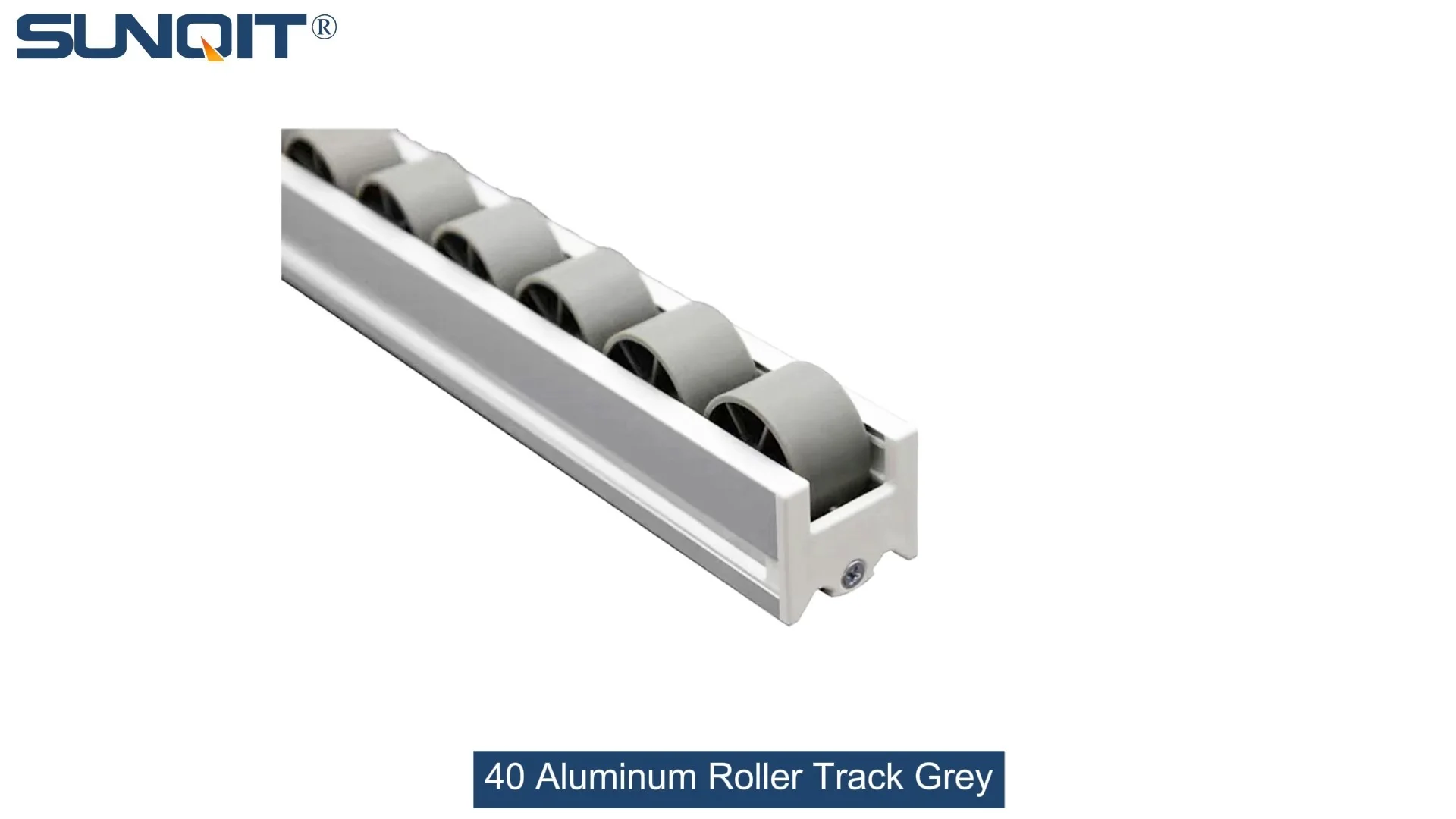
40 Aluminum Roller Track Grey
Durable and smooth-running modular roller rails. The system is fully assembled. The roller rail profile contains plastic rollers mounted on steel axles. Aluminum frame with plastic wheel make it anti corrosion,and material convey more smooth.
Walk into any high-performing manufacturing facility, warehouse, or assembly line, and you'll notice something common: the workstations feel intentional. Tools are within arm's reach, materials flow smoothly from storage to assembly, and workers move with purpose—no wasted steps, no frustration, no downtime. This isn't luck; it's the result of thoughtful design, and at the heart of it all lies the marriage of two critical components: the right workbench and a reliable roller track system. Today, we're diving deep into how the 40 Aluminum Roller Track Grey, paired with Workbench E, can transform your workspace into a lean, efficient hub that doesn't just get the job done—but makes every task feel easier, faster, and more satisfying.
Why Lean Systems Matter in Modern Workspaces
Before we talk about roller tracks and workbenches, let's start with the "why." Lean systems—the philosophy of minimizing waste while maximizing value—have been a game-changer for industries worldwide. Think about it: every time a worker bends down to grab a part from a bin on the floor, that's waste. Every time materials pile up because there's no clear path to the assembly line, that's waste. Every time a workstation feels cluttered, forcing someone to search for a tool, that's waste. Lean isn't just about cutting costs; it's about respecting the people who power your operations. When you reduce waste, you reduce frustration. When you streamline flow, you boost morale. And when morale is high, productivity and quality follow.
But lean systems aren't built overnight, and they certainly aren't built with generic furniture. They require components that work together seamlessly—pieces designed to adapt to your unique workflow, not the other way around. That's where Workbench E and the 40 Aluminum Roller Track Grey come in. They're not just "parts" of a workstation; they're the building blocks of a system that grows with your needs, reduces friction, and turns chaos into calm.
Meet Workbench E: The Foundation of Your Lean Workstation
Let's start with the base: Workbench E. If a lean workstation is a house, Workbench E is the foundation—it needs to be strong, stable, and built to last. Designed as a single-deck workbench without casters, it's intentionally low-profile, keeping your workspace grounded and focused. No wobbly wheels, no unnecessary movement—just a solid surface where precision matters. But what really sets Workbench E apart is its compatibility with aluminum profiles. Made from high-quality aluminum extrusion profiles, it's lightweight enough to reconfigure if needed but sturdy enough to handle daily wear and tear, whether you're assembling small electronics or heavy machinery parts.
Imagine assembling a product on a flimsy table that shakes every time you tighten a screw. Frustrating, right? Workbench E eliminates that. Its single-deck design keeps the surface clear and uncluttered, while the aluminum profile construction ensures it won't warp, rust, or degrade over time. And because it's built without casters, it stays exactly where you need it—no drifting, no accidents, no wasted time readjusting. This stability is key for tasks that demand accuracy, like soldering, labeling, or quality inspections. When your workbench stays put, you can focus on the task at hand, not keeping your tools from sliding off the edge.

The Game-Changer: 40 Aluminum Roller Track Grey
Now, let's talk about the star of the show: the 40 Aluminum Roller Track Grey. If Workbench E is the foundation, the roller track is the bloodstream—it keeps materials moving, ensuring nothing gets stuck, and everything reaches its destination with minimal effort. But not all roller tracks are created equal. The 40 Aluminum Roller Track Grey stands out for three big reasons: material, design, and adaptability.
First, the material: aluminum. Aluminum is a dream for industrial settings. It's lightweight, so it doesn't add unnecessary bulk to your workstation, but it's surprisingly strong—able to handle the weight of boxes, bins, and parts without bending or breaking. Unlike steel, it's resistant to corrosion, which means it'll stay looking and performing like new even in humid or dusty environments. And let's not forget sustainability: aluminum is fully recyclable, making it a smart choice for businesses looking to reduce their environmental footprint.
Then there's the design: 40mm width, grey color, and precision-engineered rollers. The 40mm width strikes the perfect balance—wide enough to support standard material bins and boxes, but narrow enough to fit seamlessly on Workbench E without taking up too much space. The grey color is intentional, too. Unlike bright yellow or red tracks, which can be distracting, grey is neutral, letting your materials (and your focus) take center stage. It also hides minor scuffs and dust, keeping your workstation looking clean even during busy shifts.
But the real magic is in the rollers. Each roller is smooth, evenly spaced, and designed to glide with minimal friction. Whether you're pushing a bin of small components or a heavier box of assembled parts, the track does the work for you. No more straining to slide materials across a rough surface; with the 40 Aluminum Roller Track Grey, a gentle push is all it takes. This might seem like a small detail, but over a full workday, those small efforts add up. Less strain means less fatigue, and less fatigue means more energy to focus on quality and speed.
Why "Grey"? The Unsung Benefit of Neutral Tones in Workspaces
You might be wondering: why grey? Why not a bold color to make the track stand out? Here's the thing: in a busy workstation, visual clutter is a productivity killer. Bright colors can compete for your attention, making it harder to focus on the parts or products you're working with. Grey, on the other hand, recedes into the background. It's there when you need it—guiding your materials smoothly—but it doesn't demand attention. It also pairs well with any workspace color scheme, from the industrial look of a warehouse to the clean, modern vibe of a tech assembly line. Think of it as the "neutral shirt" of roller tracks: versatile, reliable, and always appropriate.

Bringing It All Together: Installing 40 Aluminum Roller Track Grey on Workbench E
So, how do you combine Workbench E and the 40 Aluminum Roller Track Grey to create a lean workstation? It's easier than you might think, thanks to the compatibility of aluminum profiles and roller track accessories. Let's break it down step by step (don't worry—you don't need to be a DIY expert to pull this off).
First, you'll need to secure the roller track to Workbench E. This is where roller track placon mounts for aluminum profile flat come in. These small, sturdy brackets are designed to connect the roller track directly to the aluminum profile of the workbench. They're easy to install: just slide the bracket into the T-slot of the aluminum profile, tighten the screws, and attach the track. No drilling, no welding, no complicated tools—just a few minutes and a screwdriver. This modularity is key to lean systems: if you need to adjust the track's position later (say, to make room for a new tool or accommodate a taller worker), you can simply loosen the screws and reposition it. No need to buy a whole new workstation—just adapt what you have.
Once the track is mounted, you can start integrating it with your workflow. For example, you might attach one end of the track to a flow rack positioned behind or beside Workbench E. Flow racks are designed to hold materials in bins that slide forward as the front bin is emptied, ensuring you always have easy access to what you need. By connecting the flow rack to the 40 Aluminum Roller Track Grey, materials can glide directly from the rack to your workbench surface. No more walking to the rack, no more lifting heavy bins—just reach out and grab what you need. It's like having a conveyor belt built right into your workstation, but without the high cost or complexity.
Another great accessory to pair with the roller track is the Aluminum Guide Rail A. These guide rails attach to the sides of the roller track, keeping your bins and boxes aligned as they slide. Ever had a bin tip over or get stuck because it veered off course? Guide rails prevent that, ensuring a smooth, uninterrupted flow. They're especially useful for longer tracks or when moving irregularly shaped items. And since they're made from the same aluminum as the track and workbench, they blend in seamlessly, keeping your workstation looking neat and intentional.

A Day in the Life: How This Setup Transforms Work
Let's put this all into context with a real-world scenario. Meet Alex, an assembly line worker at a small electronics company. Before Alex's workstation was upgraded with Workbench E and the 40 Aluminum Roller Track Grey, their day was full of small frustrations. The old workbench was a rickety wooden table, and materials were stored in a shelf across the room. To get parts, Alex had to walk 10 steps to the shelf, grab a bin, carry it back, and set it on the table. By mid-morning, their back was sore from the constant lifting, and they'd lost count of how many times they'd had to pause work to fetch more parts. Worse, the wooden table wasn't level, so tools would slide off, and bins would get stuck, leading to delays and occasional mistakes.
Then, the company invested in lean upgrades: Workbench E, 40 Aluminum Roller Track Grey, a flow rack, and Aluminum Guide Rail A. Now, Alex's workflow is unrecognizable. The flow rack sits beside the workbench, loaded with bins of capacitors, resistors, and other small parts. The 40 Aluminum Roller Track Grey connects the flow rack to the workbench, with Aluminum Guide Rail A keeping the bins on track. When Alex needs a part, they simply pull the nearest bin from the flow rack onto the roller track, and it glides smoothly to the edge of the workbench. No walking, no lifting, no straining. The workbench surface is stable and level, so tools stay put, and the grey track keeps the space looking calm and organized.
The results? Alex's productivity is up by 20%—they're assembling more units per hour because they're not wasting time fetching parts. Their back pain is gone, and they're less tired at the end of the day. Mistakes have dropped, too, because there's less rushing and more focus. And the best part? Alex isn't the only one benefiting. The entire team has noticed the difference, and morale has improved. When your tools work with you, not against you, even the busiest days feel manageable.
Comparing Roller Tracks: Making the Right Choice for Your Workstation
The 40 Aluminum Roller Track Grey is a great option, but it's not the only roller track out there. Depending on your needs—load capacity, environment, or budget—you might consider other types. Let's compare it to two popular alternatives: the 40 Steel Roller Track Yellow Wheel and the Mini Aluminum Roller Track Black. This will help you decide if the 40 Aluminum Roller Track Grey is truly the best fit for your Workbench E setup.
| Track Type | Material | Load Capacity (per linear foot) | Noise Level | Best For |
|---|---|---|---|---|
| 40 Aluminum Roller Track Grey | Aluminum | Up to 50 lbs | Low (smooth, quiet rolling) | General assembly, electronics, light to medium parts, clean environments |
| 40 Steel Roller Track Yellow Wheel | Steel with yellow plastic wheels | Up to 100 lbs | Medium (steel frame can vibrate slightly) | Heavy parts, warehouses, outdoor or high-moisture areas |
| Mini Aluminum Roller Track Black | Aluminum (smaller profile) | Up to 25 lbs | Very low (tiny rollers, minimal friction) | Micro-assembly, small components, tight spaces |
As you can see, the 40 Aluminum Roller Track Grey hits the sweet spot for most lean workstations. It's strong enough for light to medium parts (up to 50 lbs per linear foot), quiet enough for office-like environments, and lightweight enough to integrate with Workbench E without overloading it. The steel track is better for heavier loads, but it's bulkier and noisier—overkill for most assembly tasks. The mini aluminum track is great for tiny parts, but its lower load capacity makes it less versatile. For Workbench E, which is designed for general-purpose assembly, the 40 Aluminum Roller Track Grey is the ideal balance of strength, flexibility, and performance.
Why Aluminum Profile Matters in Lean Systems
We've mentioned aluminum profiles a few times, but it's worth diving deeper into why they're so critical for lean systems. Aluminum extrusion profiles are created by pushing heated aluminum through a die, forming uniform shapes with built-in T-slots. These T-slots are game-changers—they let you attach accessories (like roller tracks, guide rails, or tool holders) anywhere along the profile, without drilling holes or welding. This modularity is the backbone of adaptability in lean workspaces.
For example, if your team starts working on a new product that requires taller bins, you can easily add shelf extensions to your flow rack using aluminum profile accessories. If you need to mount a monitor or a light above Workbench E, you can attach a bracket to the aluminum profile and adjust it to the perfect height. Aluminum profiles grow with your needs, so you never have to replace an entire workstation just because your workflow changes. This saves money in the long run and reduces waste—two core principles of lean systems.
Aluminum profiles are also incredibly durable. They're resistant to dents, scratches, and corrosion, so they'll withstand the daily wear and tear of industrial environments. Unlike wood, they won't warp or rot; unlike plastic, they won't crack or fade in sunlight. And because they're lightweight, they're easy to reconfigure if you need to move your workstation to a new location. This combination of durability and flexibility makes aluminum profiles the perfect partner for the 40 Aluminum Roller Track Grey and Workbench E.
Conclusion: Building Your Lean Future, One Component at a Time
A lean workstation isn't just about tools and tracks—it's about creating a space where people can do their best work. When you invest in components like Workbench E and the 40 Aluminum Roller Track Grey, you're not just buying equipment; you're investing in your team's productivity, morale, and well-being. You're saying, "We value your time, and we want to make your job easier." That's a powerful message, and it shows in the results: faster turnaround times, fewer mistakes, and a workplace that people are proud to be part of.
So, if you're ready to transform your workspace, start small. Begin with Workbench E as your foundation, add the 40 Aluminum Roller Track Grey to keep materials flowing, and build from there. Add a flow rack for storage, guide rails for alignment, and aluminum profile accessories for customization. Before you know it, you'll have a lean system that adapts to your needs, reduces waste, and turns every workday into a productive, satisfying experience.
Remember, lean isn't about perfection—it's about progress. Every small improvement, like swapping out a clunky table for Workbench E or adding a roller track to reduce strain, brings you one step closer to a workspace that works for you. And with the 40 Aluminum Roller Track Grey and Workbench E, that progress is easier than ever.