- Company Articles
- Products and Technology
- Installation And Maintenance
- 40 Aluminum Roller Track Grey Maintenance Tips to Extend Lifespan

40 Aluminum Roller Track Grey Maintenance Tips to Extend Lifespan
Related Product
40 Aluminum Roller Track Grey
Durable and smooth-running modular roller rails. The system is fully assembled. The roller rail profile contains plastic rollers mounted on steel axles. Aluminum frame with plastic wheel make it anti corrosion,and material convey more smooth.
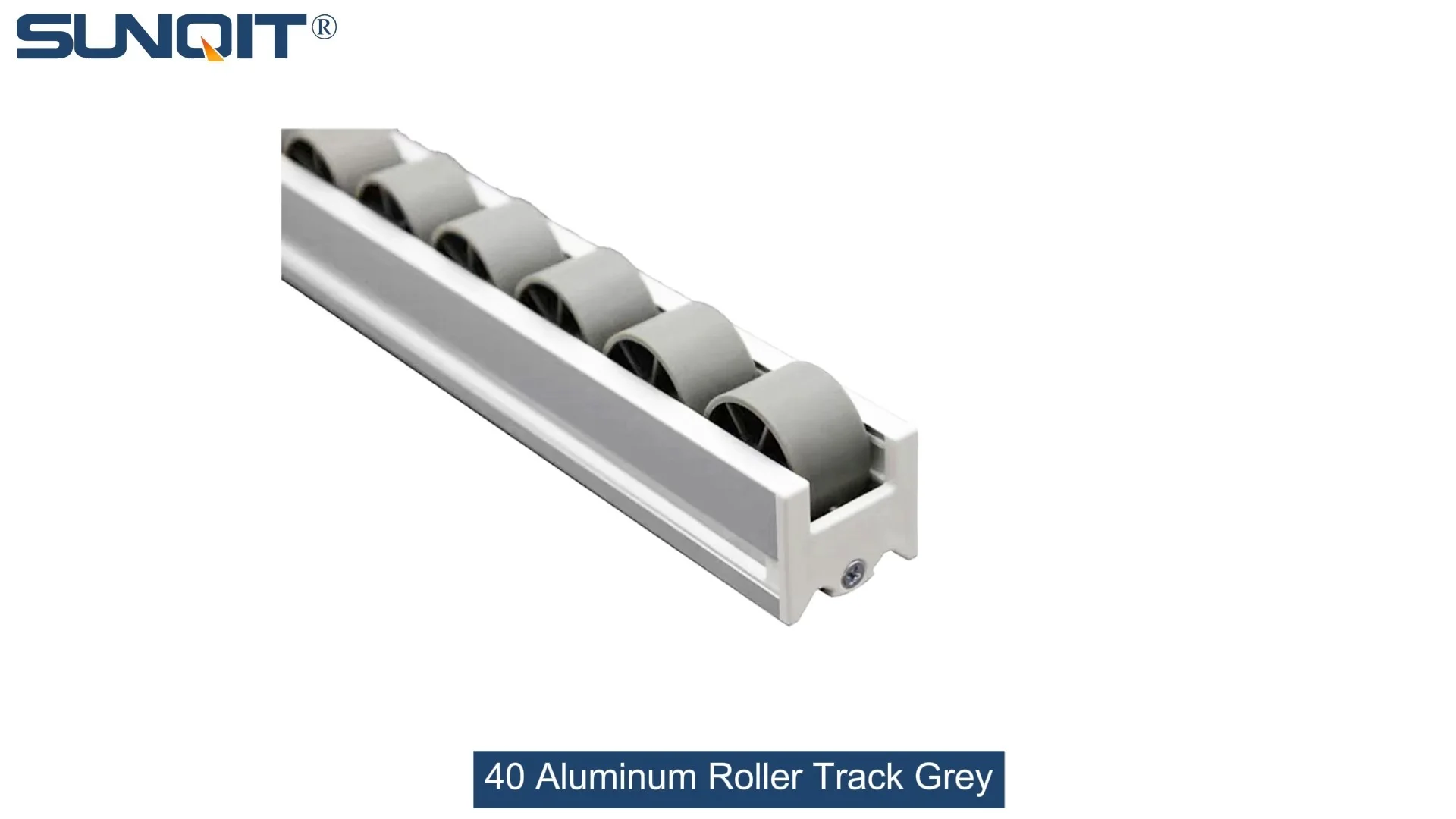
If you've ever walked through a busy warehouse, production line, or logistics center, you've probably seen it—the unsung hero of material handling: the 40 Aluminum Roller Track Grey. Quietly moving boxes, components, and products from point A to B, this track system is the backbone of efficiency in countless operations. But like any hardworking tool, it doesn't run on autopilot forever. Without proper care, even the sturdiest aluminum roller track can start to squeak, jam, or wear out, slowing down your workflow and costing you time and money. The good news? With the right maintenance habits, you can keep your 40 Aluminum Roller Track Grey rolling smoothly for years longer than its expected lifespan. Let's dive into the practical, hands-on tips that will help you do just that.
1. Start with Daily "Health Checks": The Foundation of Longevity
Think of your roller track like a car—you wouldn't skip checking the oil and tires before a long drive, right? The same logic applies here. A quick 5-minute inspection each morning can catch small issues before they turn into big problems. Here's what to focus on:
Loose Connections: Over time, the constant vibration of materials rolling over the track can loosen the roller track placon mount for aluminum profile flat —those small but critical brackets that hold the track to the aluminum profile frame. Gently wiggle each placon mount with your hand; if it moves, tighten it with a hex key (most use M5 or M6 screws). Don't overtighten, though—aluminum threads can strip if you crank too hard.
Debris Buildup: Dust, dirt, and even small product fragments (like plastic shavings or metal filings) love to settle between the rollers. Run your hand along the track—if you feel grit, that's a red flag. Debris not only slows down movement but can also scratch the aluminum surface or get stuck in roller bearings, causing premature wear.
Roller Movement: Give each roller a gentle spin with your finger. They should rotate smoothly, without wobbling or sticking. If a roller feels "stiff" or makes a grinding noise, it's a sign the bearing might be dry or damaged. We'll tackle lubrication later, but noting these early saves you from bigger fixes down the line.
Pro Tip:
Assign this daily check to the same team member each shift—consistency helps them spot "normal" vs. "abnormal" faster. Keep a small notebook or digital log to jot down issues; over time, you'll notice patterns (e.g., certain rollers loosen more often) that can be addressed permanently.
2. Clean Smart, Not Just Hard: Avoid Damaging the Aluminum Surface
Aluminum is durable, but it's not invincible—especially the 40 Aluminum Roller Track Grey, which often has a protective anodized finish to resist corrosion. Scrubbing it with harsh chemicals or abrasive tools can wear away that finish, leaving the metal vulnerable to rust and staining. Here's how to clean it safely and effectively:
Rollers First: Start with the rollers, as they're the dirtiest part. For light dust, use a soft-bristled brush (an old toothbrush works great for tight spots) to sweep between the rollers. For sticky grime (like oil or adhesive residue), mix a few drops of mild dish soap with warm water, dampen a microfiber cloth, and gently wipe each roller. Avoid soaking the track—excess water can seep into bearings and cause rust.
Aluminum Guide Rail A and Track Surface: The aluminum guide rail a (the side rails that keep materials aligned) and the main track surface collect dust and fingerprints. Wipe them down with a dry microfiber cloth first to remove loose dirt, then use the same soapy water solution if needed. For stubborn spots (like dried-on grease), add a tiny amount of isopropyl alcohol to the cloth—alcohol evaporates quickly and won't damage the anodized finish.
Dry Thoroughly: After cleaning, use a clean, dry cloth to wipe down all parts. Moisture trapped between rollers or in the roller track placon mount for aluminum profile flat can lead to corrosion, especially in humid environments. If your workspace is extra damp, consider using a fan to speed up drying.
Avoid These:
Never use steel wool, scouring pads, or acidic cleaners (like vinegar or bleach) on aluminum. They'll scratch the surface and eat away at the protective coating. Stick to mild soap, water, and alcohol for most messes.

3. Lubrication: The "Lifeblood" of Smooth Rolling
If daily checks are the "checkup," lubrication is the "vitamin" for your roller track. Rollers and bearings need a thin layer of lubricant to reduce friction, but not all lubricants are created equal—and over-lubricating is just as bad as under-lubricating.
Choose the Right Lubricant: For 40 Aluminum Roller Track Grey, stick to silicone-based spray lubricants or dry PTFE (Teflon) lubricants. These are lightweight, resist dust buildup, and work well with both plastic and metal rollers. Avoid heavy oils (like motor oil) or grease—they attract dirt, turning into a gritty paste that gums up bearings.
How to Apply: With the track clean and dry, spray a small amount of lubricant directly onto the roller bearings (the metal or plastic hubs where the roller meets the axle). Spin the roller by hand to distribute the lubricant evenly. For hard-to-reach bearings, use the straw attachment that comes with spray lubricants to target the gap between the roller and axle. A little goes a long way—one or two sprays per roller is enough.
Frequency: How often should you lubricate? It depends on usage. If your track runs 8+ hours a day, lubricate every 2 weeks. For lighter use (3-4 hours/day), once a month is fine. In dusty environments, you might need to lubricate more often—dust acts like sandpaper, wearing down lubricant faster.

4. Protect Against Wear and Tear: When to replace (Not Repair)
Even with perfect maintenance, parts wear out. The key is knowing when to replace a component instead of trying to "fix" it—band-aid solutions often lead to bigger failures. Here are the red flags to watch for:
Worn Rollers: If a roller has flat spots (from heavy loads sitting in one place), cracks, or doesn't spin 360° smoothly even after cleaning and lubricating, it's time to replace it. Most 40 Aluminum Roller Track Grey systems use standard 40mm rollers, which are easy to swap out. Check with your supplier for compatible replacements—look for ones made with high-quality plastic (nylon or polypropylene) or aluminum to match your track.
Bent Aluminum Guide Rail A: The aluminum guide rail a keeps materials centered on the track. If it's bent (from a dropped pallet or collision), it can cause products to veer off course or jam. Minor bends can sometimes be gently straightened with a rubber mallet (tap, don't pound!), but severe bends mean replacing the rail. Aluminum is strong, but once it's kinked, it loses structural integrity.
Damaged Placon Mounts: If a roller track placon mount for aluminum profile flat is cracked, stripped, or bent, replace it immediately. A loose mount can cause the track to sag, leading to uneven rolling and increased stress on other parts. Most suppliers carry these mounts as part of their aluminum profile accessories lineup, so they're easy to source.
Spare Parts Kit:
Keep a small stock of common replacements on hand—rollers, placon mounts, and a few meters of
aluminum guide rail a
. You'll save time waiting for parts to ship, and you can fix issues the same day they pop up.

5. Environmental Care: Shield Your Track from the Elements
Your roller track's environment plays a huge role in its lifespan. Extreme temperatures, humidity, and even direct sunlight can take a toll—here's how to protect it:
Humidity and Corrosion: Aluminum resists rust better than steel, but in very humid areas (like coastal regions or facilities with steam), it can still develop white, powdery corrosion (aluminum oxide). To prevent this, wipe down the track with a dry cloth at the end of each shift, and consider installing a dehumidifier if humidity levels regularly top 60%. For extra protection, apply a thin coat of car wax to the aluminum rails once a quarter—this creates a barrier against moisture.
Extreme Temperatures: If your track is in a facility with freezing winters or scorching summers, keep an eye on plastic components (like roller wheels or guide rail edges). Cold temperatures can make plastic brittle, while heat can cause it to warp. In unheated warehouses, avoid leaving heavy loads on the track overnight in freezing weather—the weight combined with cold can crack rollers. In hot environments, keep the track out of direct sunlight (use shade cloth if needed) to prevent warping.
Avoid Overloading: Every roller track has a weight limit (check the manufacturer's specs for your 40 Aluminum Roller Track Grey model). Exceeding this limit is the fastest way to bend rails, crack rollers, or snap placon mounts. If you're unsure, test with a scale—better to be safe than sorry.
6. The Power of Professional Servicing: When to Call in the Experts
Daily checks and DIY maintenance will handle 90% of issues, but some tasks are best left to professionals. Once a year, schedule a service with a technician who specializes in material handling equipment. They'll perform deep checks you might miss, like:
- Alignment testing: Using laser tools to ensure the track is perfectly level (even a 1° tilt can cause uneven wear).
- Bearing inspection: Using ultrasonic tools to detect internal bearing damage that's invisible to the naked eye.
- Stress testing: Checking the aluminum profile frame for fatigue (micro-cracks that weaken the structure over time).
A professional service might cost a few hundred dollars, but it's a small price to pay compared to replacing an entire track system prematurely.
Essential Maintenance Tasks at a Glance
| Component | Maintenance Task | Frequency | Tools Needed | Why It Matters |
|---|---|---|---|---|
| Rollers | Clean debris, lubricate bearings, check for cracks/flat spots | Daily (clean), Bi-weekly (lubricate) | Soft brush, microfiber cloth, silicone lubricant, hex key | Prevents jams and reduces bearing wear |
| Aluminum Guide Rail A | Wipe down, check for bends, tighten mounting screws | Daily (wipe), Weekly (tighten screws) | Microfiber cloth, hex key, rubber mallet (for minor bends) | Keeps materials aligned and reduces stress on rollers |
| Roller Track Placon Mount for Aluminum Profile Flat | Check for looseness, tighten screws, replace if cracked | Daily (check), Monthly (tighten all) | Hex key, replacement placon mounts (from aluminum profile accessories) | Prevents track sagging and structural failure |
| Aluminum Profile Frame | Inspect for rust/corrosion, clean with mild soap | Weekly (clean), Quarterly (wax for moisture protection) | Soapy water, microfiber cloth, car wax | Maintains structural integrity and prevents frame weakening |
Final Thoughts: Maintenance = Money Saved
At the end of the day, maintaining your 40 Aluminum Roller Track Grey isn't just about keeping it running—it's about protecting your investment. A well-cared-for track will last 5-7 years instead of 2-3, saving you thousands in replacement costs. It also keeps your team safe (no unexpected jams causing spills or injuries) and your workflow efficient (no downtime waiting for repairs). So grab that brush, check those placon mounts, and make maintenance a habit. Your roller track (and your bottom line) will thank you.