- Company Articles
- Products and Technology
- Product knowledge
- 40 Aluminum Roller Track Grey: The Go-To Choice for Sustainable Manufacturing Upgrades

40 Aluminum Roller Track Grey: The Go-To Choice for Sustainable Manufacturing Upgrades
Related Product
40 Aluminum Roller Track Grey
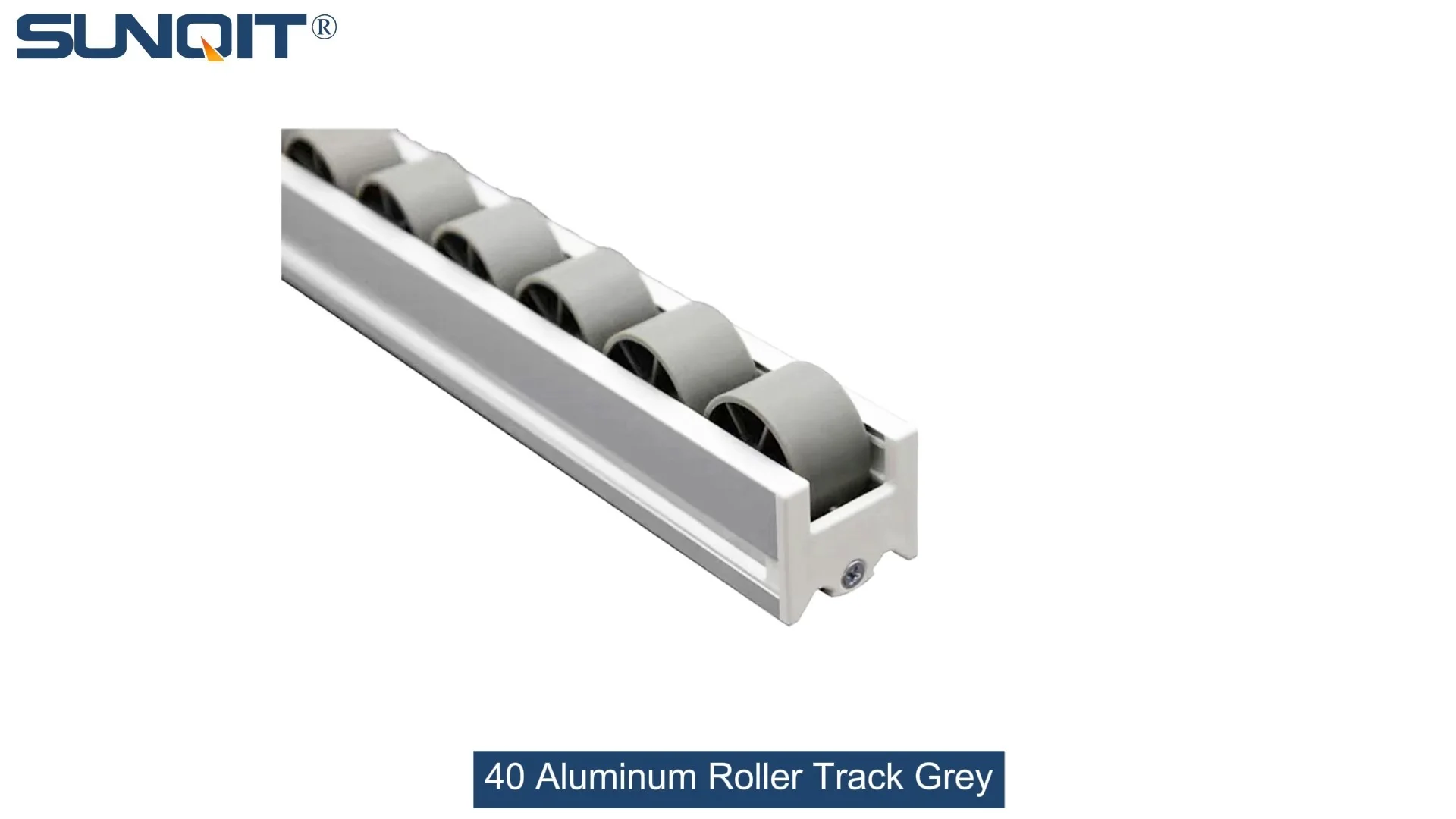
Durable and smooth-running modular roller rails. The system is fully assembled. The roller rail profile contains plastic rollers mounted on steel axles. Aluminum frame with plastic wheel make it anti corrosion,and material convey more smooth.
In today's fast-paced manufacturing landscape, the pressure to balance efficiency, cost-effectiveness, and sustainability has never been higher. Factories and warehouses worldwide are rethinking their operations, moving away from wasteful, rigid systems toward flexible, eco-friendly solutions that align with lean principles. At the heart of this shift is the need for material handling equipment that doesn't just move products—it empowers teams to work smarter, reduces environmental impact, and adapts to evolving production demands. Enter the 40 Aluminum Roller Track Grey: a yet transformative component that's quietly revolutionizing how manufacturers approach workflow optimization. More than just a track for moving goods, it's a cornerstone of modern lean systems, designed to bridge the gap between productivity and planet.
The Shift to Sustainable Manufacturing: Why Material Handling Matters
Before diving into the specifics of the 40 Aluminum Roller Track Grey, let's take a step back. Manufacturing's sustainability journey isn't just about solar panels or recycling bins (though those help). It starts on the factory floor, where inefficient material handling can lead to wasted time, energy, and resources. Picture this: a traditional production line relying on heavy steel conveyors that guzzle energy, corrode over time, and are nearly impossible to reconfigure. When a product design changes or demand spikes, those conveyors become liabilities, requiring costly overhauls or replacements. Meanwhile, plastic tracks, though lightweight, often crack under heavy loads, contributing to landfill waste and frequent replacements.
This is where lean systems come into play. Lean manufacturing isn't just a buzzword—it's a philosophy centered on eliminating waste (muda) in all forms: time, materials, energy, and labor. And at the core of lean systems is flow : ensuring materials move smoothly from one process to the next with minimal friction. The right roller track isn't just a tool for flow; it's a catalyst for lean transformation. It reduces bottlenecks, cuts down on manual lifting (saving worker energy and reducing injuries), and adapts to new layouts without the need for complete overhauls. For manufacturers aiming to shrink their carbon footprint while boosting bottom lines, upgrading material handling equipment is low-hanging fruit. And the 40 Aluminum Roller Track Grey is leading this charge.
Meet the 40 Aluminum Roller Track Grey: More Than Just a "Track"
So, what exactly is the 40 Aluminum Roller Track Grey? At first glance, it might look like any other roller track: a series of rollers mounted on a frame, designed to slide materials from point A to point B. But dig deeper, and you'll discover a meticulously engineered solution built for the demands of modern manufacturing. Let's break it down:
- Material: Crafted from high-grade aluminum, chosen for its unique blend of strength, lightness, and sustainability.
- Design: The "40" refers to its standard width (typically 40mm, though sizes can vary), making it compatible with common industry components. The grey finish isn't just aesthetic—it's a practical choice, hiding minor scratches and reducing visual fatigue in busy workspaces.
- Functionality: Equipped with smooth-rolling wheels (often made from durable plastics or aluminum) that minimize friction, allowing even heavy loads to glide with minimal effort.
But its true power lies in its versatility. Unlike one-size-fits-all steel tracks, the 40 Aluminum Roller Track Grey is modular, meaning it can be cut to length, combined with roller track accessories (think connectors, guides, and brackets), and integrated with other lean tools like workbenches and conveyors. Whether you're building a small assembly station or a sprawling warehouse picking system, it adapts to your needs—not the other way around.

Why Aluminum? The Sustainability Secret of 40 Aluminum Roller Track Grey
Aluminum isn't just a material choice for the 40 Roller Track Grey—it's a sustainability statement. Let's unpack why aluminum makes this track a standout in eco-friendly manufacturing:
100% Recyclable, Endlessly Reusable
Aluminum is one of the most recyclable materials on the planet. Unlike plastic, which degrades in quality with each recycling cycle, aluminum can be melted down and reshaped repeatedly without losing its strength—retaining up to 95% of its original value. In fact, 75% of all aluminum ever produced is still in use today, a testament to its circular lifecycle. For manufacturers, this means that even at the end of its long service life, the 40 Aluminum Roller Track Grey won't end up in a landfill. It can be recycled, melted down, and turned into new aluminum products (maybe even another roller track!), reducing the need for mining bauxite (aluminum's raw material) and cutting carbon emissions by up to 95% compared to producing new aluminum from ore.
Lightweight = Less Energy, Less Strain
Aluminum is about 30% the weight of steel, and that lightness matters—big time. Lighter tracks are easier to install, requiring fewer workers and less heavy machinery (saving on installation energy and labor costs). They also put less stress on supporting structures, meaning you can mount them on existing workbenches or racks without reinforcing floors or walls. Even better, when materials glide along aluminum tracks, they require less force to move. Whether pushed manually or powered by a small motor, this translates to lower energy use over time. For a busy factory running 24/7, those energy savings add up—both for the planet and the budget.
Durability That Reduces Waste
Sustainability isn't just about recyclability—it's about longevity. A product that needs frequent replacement is never truly green, no matter how recyclable it is. Aluminum's natural resistance to corrosion (thanks to its oxide layer) means the 40 Aluminum Roller Track Grey can withstand harsh factory environments—humidity, oils, chemicals—without rusting or degrading. Unlike plastic tracks that crack in cold temperatures or steel that requires constant painting to prevent corrosion, aluminum tracks stay functional for decades. This durability cuts down on replacement cycles, reducing the demand for new materials and the waste that comes with disposal.

Design Features That Drive Efficiency: The Lean Advantage
Sustainability is a big draw, but the 40 Aluminum Roller Track Grey wouldn't win over manufacturers if it didn't deliver on efficiency. Let's explore the design features that make it a lean system powerhouse:
Modularity: Adapt Without Overhauling
One of the biggest wastes in manufacturing is inflexibility . When a production line can't adapt to new products or higher demand, it becomes a bottleneck. The 40 Aluminum Roller Track Grey solves this with its modular design. Using simple roller track accessories like connectors and brackets, teams can reconfigure the track in hours, not days. Need to add a new workbench? Just extend the track to reach it. Want to create a U-shaped flow instead of a straight line? Disassemble and rebuild with minimal tools. This adaptability means your material handling system grows with your business, reducing the need for costly replacements.
Smooth Rollers: Frictionless Flow, Happy Workers
The rollers on the 40 Aluminum Roller Track Grey are no afterthought. They're precision-engineered to minimize friction, so even boxes, totes, or components weighing up to 50kg glide with a gentle push. This isn't just about speed—it's about worker well-being. When employees don't have to strain to push heavy loads, they're less fatigued, more productive, and less likely to suffer from musculoskeletal injuries. Happier workers mean lower turnover and fewer sick days—both wins for the bottom line. Plus, smoother flow reduces the risk of products getting stuck or damaged, cutting down on material waste.
Compatibility: Plays Well With Others
A roller track is only as useful as its ability to integrate with other tools. The 40 Aluminum Roller Track Grey is designed to work seamlessly with standard aluminum profile systems (think T-slot aluminum extrusions), which are the backbone of modern workbenches, racks, and conveyors. This compatibility means you can build a fully connected ecosystem: materials roll off the track directly onto a workbench, where they're assembled, then slide onto a conveyor for shipping—all without manual lifting. It's a closed-loop flow that eliminates silos and keeps production moving.
Low Maintenance: Spend Time Producing, Not Fixing
Traditional steel tracks require regular maintenance: lubricating rollers, repainting to prevent rust, tightening loose bolts. The 40 Aluminum Roller Track Grey? Not so much. Aluminum's corrosion resistance means no painting. The rollers, often made from self-lubricating materials, rarely need oiling. Even when parts do wear out (like a damaged roller), replacements are cheap and easy to install—no need for specialized technicians. This low maintenance frees up teams to focus on what they do best: making products.

How Does It Compare? A Look at the Competition
To truly appreciate the 40 Aluminum Roller Track Grey, let's compare it to common alternatives: steel roller tracks and plastic roller tracks. The table below breaks down key factors for manufacturers weighing their options:
| Factor | 40 Aluminum Roller Track Grey | Steel Roller Track | Plastic Roller Track |
|---|---|---|---|
| Sustainability | 100% recyclable, low energy to recycle, long lifespan | Recyclable but energy-intensive; prone to corrosion/waste | Limited recyclability; short lifespan leads to frequent replacement |
| Weight | Lightweight (30% of steel); easy to install/reconfigure | Heavy; requires more labor/equipment to install | Lightweight but less durable under heavy loads |
| Durability | Resists corrosion, scratches, and wear; lasts decades | Strong but rusts without maintenance; heavy weight strains structures | Weak under heavy loads; cracks in extreme temps |
| Cost (Lifecycle) | Higher upfront cost, but lower long-term (no replacements/maintenance) | Low upfront cost, but high maintenance and replacement costs | Cheapest upfront, but frequent replacements drive long-term costs up |
| Flexibility | Modular, easy to cut/reconfigure with roller track accessories | Rigid; hard to modify without welding/cutting | Some flexibility, but weak joints limit reconfiguration |
As the table shows, while steel and plastic may have lower upfront costs, the 40 Aluminum Roller Track Grey delivers unbeatable value over its lifecycle—especially for manufacturers prioritizing sustainability and adaptability.
Real-World Applications: Where the 40 Aluminum Roller Track Grey Shines
Talk is cheap—let's look at how this track performs in real manufacturing settings. Here are a few examples of industries and use cases where it's making a difference:
Automotive Assembly: Streamlining Component Flow
Automotive plants are chaos by design—hundreds of parts, tight deadlines, and constant model changes. A major auto supplier in Michigan recently replaced its steel roller tracks with 40 Aluminum Roller Track Grey, and the results were striking. By integrating the track with workbenches and conveyors, they reduced the time it took to move door panels from the stamping area to assembly by 30%. Workers no longer had to manually lift panels onto carts; instead, they slid along the aluminum track, straight to the workbench. The lightweight track also allowed the team to reconfigure the line in a day when a new model launch required a layout change—something that would have taken a week with steel tracks. And because aluminum doesn't rust, they eliminated the annual $10,000 cost of repainting steel tracks.
Electronics Manufacturing: Precision and Cleanliness
Electronics assembly demands precision and cleanliness—dust, corrosion, or jostling can ruin delicate components. A Taiwanese electronics manufacturer switched to 40 Aluminum Roller Track Grey for its circuit board assembly line. The smooth rollers reduced vibration, cutting down on component damage by 25%. The grey finish minimized glare under factory lights, reducing eye strain for workers inspecting tiny parts. And because aluminum is non-magnetic and resistant to static (when paired with ESD accessories), it posed no risk to sensitive electronics—a problem they'd faced with steel tracks. Best of all, when demand for a new smartphone model spiked, they extended the track with minimal tools, avoiding production delays.
Warehouse Picking: Faster Order Fulfillment
E-commerce warehouses live and die by speed. A fulfillment center in Germany replaced plastic roller tracks with 40 Aluminum Roller Track Grey in its picking area. The aluminum track's durability meant no more cracked plastic sections (a common issue with heavy cardboard boxes), reducing downtime from repairs by 40%. The lightweight design also allowed them to install overhead track systems, freeing up floor space for more inventory. Pickers now glide totes along the track from station to station, cutting down on walking time and boosting orders per hour by 15%. And when the holiday rush hit, they added temporary track extensions in a day, scaling up without hiring extra labor.
The Future of Manufacturing: Why the 40 Aluminum Roller Track Grey Is Here to Stay
Manufacturing is evolving, and the 40 Aluminum Roller Track Grey is perfectly positioned to keep up. Here's why it's not just a trend, but a long-term solution:
The Rise of Circular Economy
Governments and consumers are increasingly demanding products made with circular principles—minimizing waste, reusing materials, and designing for longevity. Aluminum's recyclability makes the 40 Aluminum Roller Track Grey a circular economy star. When it finally reaches the end of its lifespan (decades from now), it can be melted down and turned into new aluminum products, closing the loop on waste. Manufacturers using aluminum tracks can market their operations as "circular," appealing to eco-conscious customers and meeting regulatory requirements.
Industry 4.0 and Smart Factories
Industry 4.0 is all about connectivity—sensors, IoT devices, and data-driven decision-making. The 40 Aluminum Roller Track Grey plays well here, too. Its modular design makes it easy to integrate with smart sensors that track material flow, detect bottlenecks, or alert teams to maintenance needs. For example, adding a sensor to the track can measure how long a tote takes to move from picking to packing, flagging delays before they become problems. As factories get smarter, aluminum tracks will serve as the "nervous system" of material flow, collecting data to drive continuous improvement.
The Push for Worker-Centric Design
Manufacturing is facing a labor shortage, and retaining skilled workers is more critical than ever. Worker-centric design—equipment that's easy to use, reduces fatigue, and adapts to human needs—is becoming a priority. The 40 Aluminum Roller Track Grey fits this bill: it reduces manual lifting, adapts to different heights (thanks to adjustable brackets), and creates smoother workflows that make jobs less stressful. Happy workers are loyal workers, and in a tight labor market, that's priceless.
Conclusion: Invest in the Track That Invests in Your Future
The 40 Aluminum Roller Track Grey isn't just another piece of factory equipment. It's a statement: that sustainability and efficiency don't have to be trade-offs. That investing in the right tools today can save time, money, and resources tomorrow. That lean systems aren't just about cutting waste—they're about building resilient, adaptable operations that can thrive in a changing world.
For manufacturers ready to upgrade their material handling, the choice is clear. Steel tracks are heavy, rigid, and high-maintenance. Plastic tracks are cheap but short-lived. The 40 Aluminum Roller Track Grey? It's lightweight, durable, recyclable, and infinitely adaptable. It integrates with lean systems, works with roller track accessories to grow with your needs, and helps build a factory that's kind to both workers and the planet.
So, the next time you walk your factory floor, take a look at your material handling setup. Is it holding you back, or propelling you forward? If it's the former, maybe it's time to make the switch. The 40 Aluminum Roller Track Grey isn't just a track—it's a step toward a more sustainable, efficient, and resilient future. And in manufacturing, the future belongs to those who adapt first.