- Company Articles
- Products and Technology
- Solution
- 40 Aluminum Roller Track Grey vs. Steel Tracks: Which Boosts Lean Production More?

40 Aluminum Roller Track Grey vs. Steel Tracks: Which Boosts Lean Production More?
Related Product
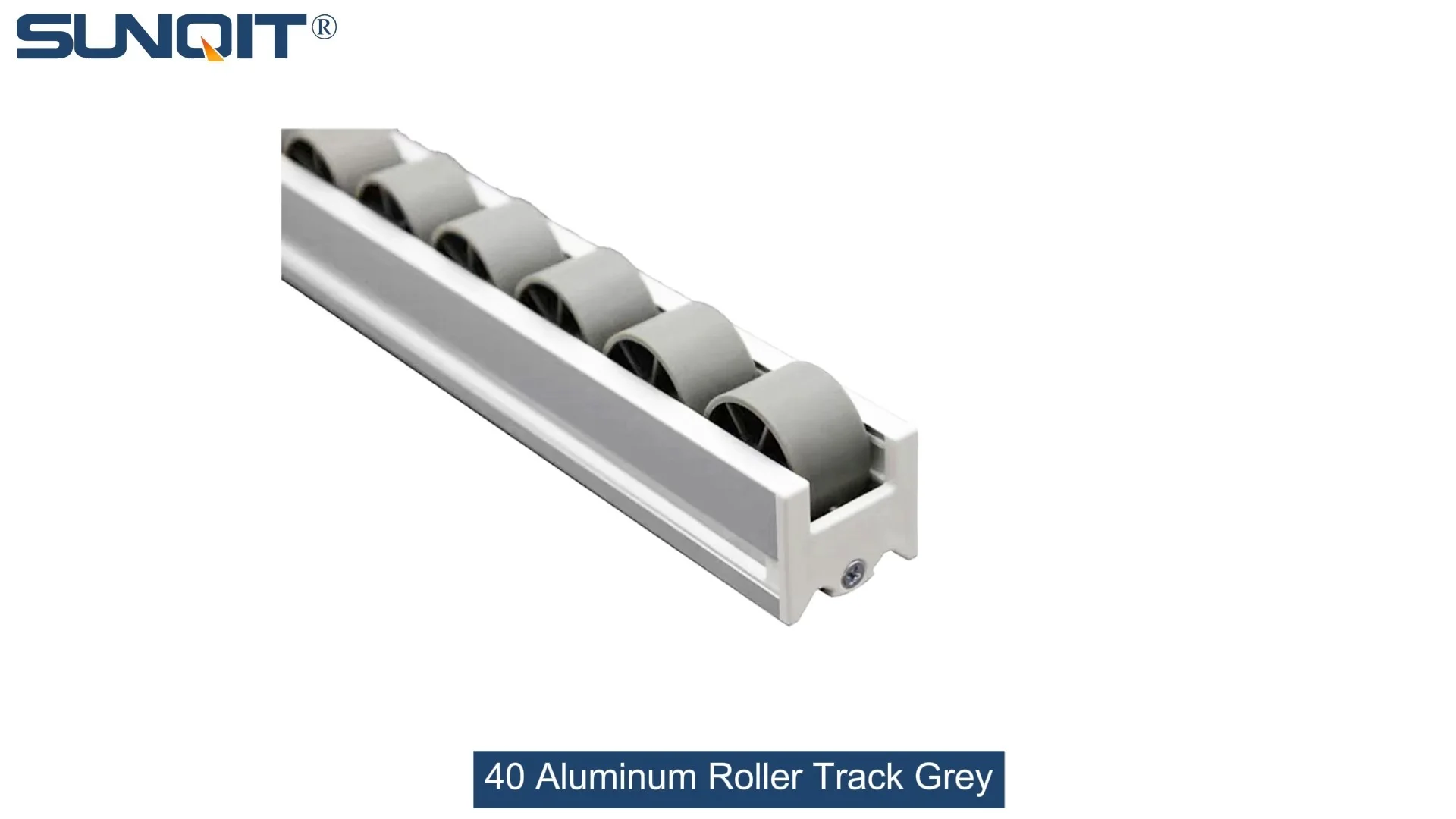
40 Aluminum Roller Track Grey
Durable and smooth-running modular roller rails. The system is fully assembled. The roller rail profile contains plastic rollers mounted on steel axles. Aluminum frame with plastic wheel make it anti corrosion,and material convey more smooth.
In the world of manufacturing, where every second and every movement counts, lean production isn't just a buzzword—it's the backbone of efficiency. At its core, lean is about stripping away waste, streamlining workflows, and creating systems that adapt as quickly as your business needs. And if there's one area where this philosophy hits home hardest, it's material handling. After all, how your parts, components, and products move through the production line directly impacts everything from labor costs to lead times. That's where roller tracks come in—quiet workhorses that keep materials flowing smoothly, reducing bottlenecks and keeping your lean system on track.
But not all roller tracks are created equal. Walk into any modern factory, and you'll likely see two main contenders: the tried-and-true steel tracks and the newer, sleeker aluminum options—like the 40 Aluminum Roller Track Grey. Which one truly elevates your lean production efforts? Let's dive in.
Understanding Roller Tracks in Lean Systems
Before we pit aluminum against steel, let's get clear on why roller tracks matter in lean systems. Think of your production line as a river: materials should flow steadily, without obstacles, from one workstation to the next. Roller tracks act as the riverbed—they guide the current (your materials) with minimal friction, ensuring that parts reach their destination quickly and with less manual effort. This isn't just about speed; it's about reducing motion waste (a key lean principle) and freeing up your team to focus on value-adding tasks instead of pushing carts or lifting heavy loads.
In lean systems, flexibility is also non-negotiable. Production lines change—new products are introduced, demand spikes, layouts shift. A good roller track should adapt without requiring a complete overhaul. Whether you're building a flow rack for small parts, a conveyor for assembly, or a workstation setup where materials glide into place, the track needs to be durable enough to handle daily use but versatile enough to reconfigure when needed.
Meet the Contenders: 40 Aluminum Roller Track Grey & Steel Tracks
40 Aluminum Roller Track Grey: The Modern Contender
First up: the 40 Aluminum Roller Track Grey. If steel tracks are the reliable old pickup truck, aluminum tracks are the fuel-efficient, tech-forward SUV. Let's break down what makes this option stand out. Made from high-grade aluminum extrusion profile (a process that shapes aluminum into precise, consistent lengths), this track is designed with lean principles in mind. The "40" refers to its width (typically 40mm), making it a versatile middleweight—strong enough for most production needs but not overbuilt for lighter loads.
The "grey" color isn't just for show. Many manufacturers opt for neutral tones to keep workspaces looking clean and professional, which can subtly boost morale and reduce visual clutter—a small but impactful detail in lean environments where organization is key. But beyond aesthetics, aluminum itself brings unique benefits: it's lightweight, naturally resistant to corrosion, and often features smooth, low-friction rollers that glide with minimal effort. Some aluminum tracks, including certain 40mm models, also offer conductivity properties, making them a solid choice for ESD (electrostatic discharge) sensitive environments—though we'll touch more on that later.
Steel Tracks: The Traditional Workhorse
Now, steel tracks. For decades, steel has been the go-to for heavy-duty material handling. Think thick, robust rails with steel rollers, often powder-coated or galvanized to resist rust. Steel tracks are the backbone of industrial facilities, from automotive plants to warehouses, where loads can be substantial and durability is non-negotiable. They're familiar, trusted, and have a reputation for standing up to years of rough use.
Traditional steel tracks come in various styles—from heavy-gauge steel roller track with large wheels for pallets to lighter steel options for smaller parts. They're often welded or bolted into place, creating a rigid structure that feels "permanent." This rigidity can be a strength in stable, high-volume production lines where the layout rarely changes. But in lean systems that thrive on adaptability, permanence might be a double-edged sword.

Head-to-Head: How Do They Stack Up?
To really see which track boosts lean production more, let's compare them across the metrics that matter most in lean systems: weight, durability, flexibility, cost, and real-world application.
| Metric | 40 Aluminum Roller Track Grey | Steel Tracks |
|---|---|---|
| Weight | Lightweight (aluminum is ~1/3 the weight of steel). Easier to handle during installation and reconfiguration. | Heavy. Requires more labor to install, move, or adjust—can slow down layout changes. |
| Durability & Maintenance | Resistant to corrosion (no rust). Smooth aluminum surface resists debris buildup. Low maintenance—occasional cleaning with a cloth is usually enough. | Durable for heavy loads but prone to rust if not galvanized or coated. Steel rollers may require lubrication to prevent squeaking; debris can get stuck in crevices, needing regular cleaning. |
| Installation & Flexibility | Modular by design. Often compatible with aluminum profile accessories (like brackets, connectors, and end supports), making it easy to cut to length, attach to workbenches, or reconfigure. No welding needed—just bolts or clips. | More rigid. Cutting or modifying steel tracks often requires power tools; reconfiguration may mean welding new supports or drilling holes, which is time-consuming and limits adaptability. |
| Cost | Higher initial cost than basic steel tracks. But lower long-term costs due to minimal maintenance and easier reconfiguration. | Lower upfront cost. However, maintenance (painting, lubrication, rust repair) and downtime from reconfigurations can add up over time. |
| Workplace Impact | Lightweight and quiet (aluminum rollers glide smoothly with less noise). Grey color reduces visual fatigue; clean, modern look can workspace aesthetics. | Heavier, may produce more noise (steel-on-steel contact). Bulkier appearance can make workspaces feel cramped if not designed carefully. |
| Load Capacity | Handles moderate loads (typically 50-150kg per meter, depending on roller spacing). Ideal for small to medium parts, electronics, or consumer goods. | Handles heavy loads (200kg+ per meter). Better for automotive parts, large components, or palletized goods. |
The Lean Edge: Why Flexibility & Weight Matter Most
In lean production, two factors often tip the scales: flexibility and waste reduction . Let's zoom in on how aluminum and steel perform here.
Flexibility: Lean systems thrive on "continuous improvement," which means your layout might change quarterly (or even monthly). With the 40 Aluminum Roller Track Grey, reconfiguration is a breeze. Thanks to aluminum profile accessories like roller track placon mounts (which connect tracks to aluminum profiles) and end supports with stops, you can disassemble, extend, or rearrange the track in hours—not days. Need to add a new workstation? Just cut a section of track, attach a connector, and you're done. Steel tracks, on the other hand, often require welding or heavy-duty bolts, turning a simple tweak into a project that halts production.
Weight & Labor Waste: Here's a lean truth: heavier equipment = more labor waste. Installing steel tracks often requires two people (or a forklift) just to move sections into place. Over time, that adds up in labor hours. Aluminum tracks, being lighter, can be carried and installed by one person, freeing up your team to focus on other tasks. Even better, when materials glide on lightweight aluminum tracks, they require less force to push—reducing physical strain on workers and cutting down on "waiting waste" (another lean principle) as parts move faster.
Durability: Is Steel Still King?
Steel has long held the title of "most durable," but aluminum is no slouch. Let's set the record straight: steel is stronger in sheer tensile strength, so it's better for ultra-heavy loads (think engine blocks or large machinery parts). But for most lean production lines—electronics assembly, small appliance manufacturing, or pharmaceutical packaging—the 40 Aluminum Roller Track Grey is more than tough enough. Aluminum resists corrosion, which is a game-changer in environments with moisture, chemicals, or frequent cleaning (like food processing or medical device facilities). Steel, unless galvanized or stainless, will rust over time, requiring repainting or replacement—adding maintenance waste to your lean system.
Maintenance-wise, aluminum is a dream. Its smooth surface doesn't trap dust or debris, and the rollers (often plastic or rubber-coated) rarely need lubrication. Steel tracks, with their metal rollers, can squeak if not oiled regularly, and rusted sections can jam, bringing material flow to a halt. In lean terms, unplanned downtime from maintenance is the enemy—aluminum minimizes that risk.

Real-World Impact on Lean Production
Numbers and specs tell part of the story, but let's look at how these tracks perform in actual lean environments. Take a mid-sized electronics manufacturer I worked with a few years back. They were using steel tracks for their circuit board assembly line, and while the tracks held up, reconfiguring them to accommodate a new product line took two full days of downtime. The team had to hire a welder, disconnect power, and essentially rebuild the flow rack. When they switched to 40 Aluminum Roller Track Grey, the next reconfiguration took just four hours—no welder needed, just a few hand tools and some aluminum profile connectors. That's 44 hours of saved downtime, not to mention the labor cost difference. For a company running two shifts, that's hundreds of units of production they would've otherwise lost.
Another example: a automotive parts supplier using steel tracks for heavy engine components. Their lean goal was to reduce motion waste on the shop floor. Workers were spending 20% of their day pushing carts loaded with parts along steel tracks—exhausting and inefficient. They switched to heavy-duty steel tracks (fair enough, aluminum couldn't handle the load), but here's the kicker: a neighboring line, handling smaller plastic parts, switched to aluminum tracks. Those workers now spend 5% of their day moving materials, and the quieter, cleaner workspace led to a 12% boost in team productivity, according to their internal surveys. Sometimes, the "small" switch to aluminum frees up mental energy too—less noise, less clutter, more focus.
ESD Sensitivity: A Hidden Advantage of Aluminum?
For industries like electronics or semiconductors, electrostatic discharge (ESD) is a critical concern. A single static spark can ruin a circuit board, costing thousands. While not all aluminum tracks are explicitly ESD-rated, aluminum is a conductor, which can help dissipate static charges—unlike steel, which may insulate if painted. Pair the 40 Aluminum Roller Track Grey with an ESD workstation, and you've got a system that protects sensitive components while keeping materials flowing. Steel tracks, unless specially treated, don't offer this built-in benefit, requiring additional ESD mats or coatings—another layer of complexity (and cost) in your lean setup.

Choosing the Right Track for Your Lean System
So, which track should you choose? It boils down to your specific needs. Here's a quick checklist to guide you:
- Load Size: If you're moving engine blocks or pallets (200kg+), steel is still the way to go. For small to medium parts (50-150kg), aluminum shines.
- Environment: Moist, corrosive, or cleanroom environments? Aluminum's rust resistance and clean look win. Dry, heavy-industry settings might still prefer steel.
- Layout Flexibility: Do you reconfigure often? Aluminum's modular design and lightweight build make it easy to adapt. If your layout is set in stone, steel could work.
- Budget: While aluminum costs more upfront, calculate long-term savings: lower maintenance, faster reconfigurations, less downtime. It often pays for itself within a year.
- Workplace Culture: A modern, clean workspace can boost morale. Aluminum's sleek grey finish and quiet operation contribute to a more positive environment than clunky, noisy steel tracks.
Conclusion: Aluminum Takes the Lean Crown (With Caveats)
At the end of the day, both steel and aluminum tracks have their place. Steel is unbeatable for ultra-heavy loads and traditional, static layouts. But when it comes to lean production —where flexibility, waste reduction, and adaptability are king—the 40 Aluminum Roller Track Grey emerges as the stronger choice. Its lightweight design cuts labor waste, its durability reduces maintenance, and its modularity lets you reconfigure on the fly, keeping your production line agile and efficient.
Lean production isn't about perfection; it's about progress. And progress means investing in tools that grow with your business. Aluminum roller tracks aren't just a material handling solution—they're a lean investment. They help you reduce waste, speed up flow, and create a workspace that works with your team, not against them. So, if you're ready to take your lean system to the next level, it might be time to swap that steel for something a little lighter, a little smarter, and a lot more grey.