- Company Articles
- Products and Technology
- Product knowledge
- 40 Aluminum Roller Track Grey with Lean Management Accessories: Complete Kit Guide

40 Aluminum Roller Track Grey with Lean Management Accessories: Complete Kit Guide
Related Product
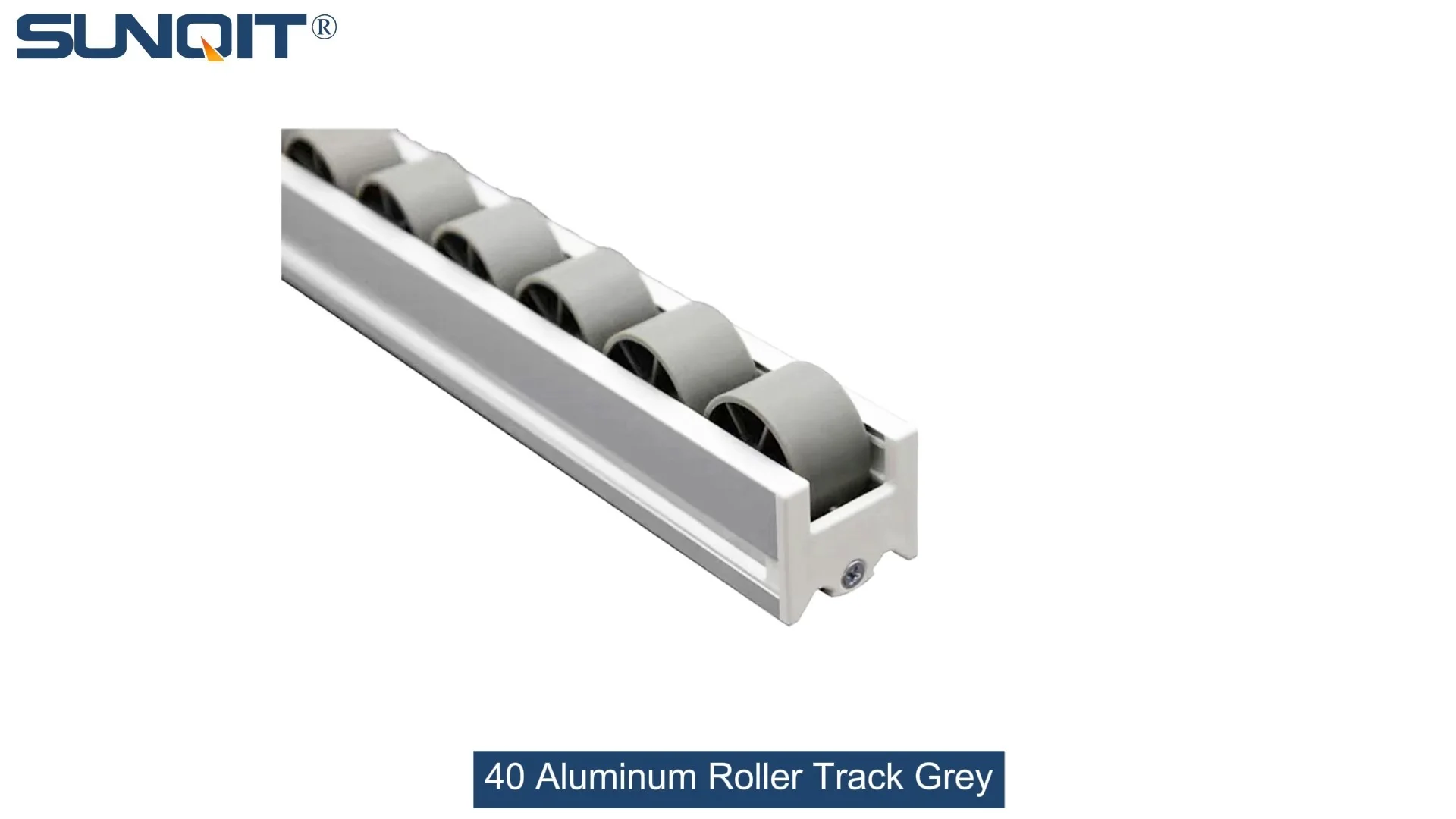
40 Aluminum Roller Track Grey
Durable and smooth-running modular roller rails. The system is fully assembled. The roller rail profile contains plastic rollers mounted on steel axles. Aluminum frame with plastic wheel make it anti corrosion,and material convey more smooth.
Picture this: It's 8 AM on a Monday at a mid-sized electronics assembly plant. Maria, the production floor supervisor, stands by the material handling area, frowning as she watches a team member struggle to push a heavy cart loaded with circuit boards onto a rickety plastic roller track. The track wobbles, a wheel jams, and the cart comes to a halt—for the third time this week. "We can't keep losing time like this," she mutters, scrolling through the week's efficiency reports. Bottlenecks in material flow have become the norm, and overtime costs are creeping up. That afternoon, Maria sits in her office, searching for solutions, when a vendor's catalog lands on her desk. On the cover? A sleek, grey aluminum roller track system. "Maybe this is what we need," she thinks. Three months later, the same assembly line runs like clockwork: carts glide smoothly along the track, workers move with purpose, and overtime has dropped by 25%. The difference? A well-designed lean kit centered around the 40 Aluminum Roller Track Grey—and the right accessories to make it sing.
If Maria's story resonates, you're not alone. In today's fast-paced manufacturing and warehouse environments, the difference between chaos and efficiency often boils down to the tools we use to keep materials moving. Lean management isn't just a buzzword; it's a promise to your team that their time, energy, and skills won't be wasted on clunky, unreliable equipment. And at the heart of that promise? Systems like the 40 Aluminum Roller Track Grey, paired with accessories that turn a basic track into a lean powerhouse. In this guide, we'll walk through everything you need to know to build your own complete lean kit—why aluminum matters, how the grey track stands out, and which accessories will transform your workflow from frustrating to frictionless.
Why Lean Management Starts with Material Flow
Before we dive into the specifics of the 40 Aluminum Roller Track Grey, let's take a step back. Lean management, at its core, is about respect—for your team, your customers, and your bottom line. It's about asking: "How can we make work easier, faster, and more satisfying for the people on the front lines?" When materials don't flow smoothly—when a cart gets stuck, a part falls off a track, or a worker has to lift something heavier than necessary—you're not just losing time. You're draining morale. A study by the Manufacturing Institute found that 67% of workers report "equipment-related frustrations" as a top cause of job dissatisfaction. That's a problem lean tools are designed to solve.
Material handling is the backbone of lean. If parts can't move from Point A to Point B without hitches, every downstream process suffers—delays, errors, even safety risks. Roller tracks are the unsung heroes here. They turn manual lifting into gravity-fed or low-effort movement, reduce the risk of dropped items, and create predictable, repeatable workflows. But not all roller tracks are created equal. Steel tracks are heavy and prone to rust; plastic tracks warp under weight; and generic "one-size-fits-all" systems often lack the flexibility to adapt to your unique space. That's where aluminum—specifically, the 40 Aluminum Roller Track Grey—shines.
The Star of the Show: 40 Aluminum Roller Track Grey
Let's start with the basics: What exactly is the 40 Aluminum Roller Track Grey? At its simplest, it's a linear track system designed to move materials—cartons, components, tools, even small carts—with minimal effort. The "40" refers to its width (40mm), a standard size in industrial settings that balances stability with versatility. The "aluminum" is key: unlike steel, aluminum is lightweight (so it's easy to install and reconfigure), naturally resistant to corrosion (perfect for humid or messy environments), and strong enough to handle daily wear and tear. And the "grey"? More than just a color choice—it's a practical one. Grey hides scuffs and dust better than white or black, keeping your workspace looking professional even after months of heavy use. It also pairs seamlessly with other industrial equipment, from workbenches to racks, for a cohesive look.
Quick Specs to Love: 40mm width, 1.2mm thick aluminum extrusion, grey anodized finish (scratch-resistant), pre-installed roller wheels (typically 1-inch diameter, spaced 10cm apart for smooth weight distribution), and a load capacity of up to 50kg per linear meter. That means it can handle everything from small electronic parts to medium-sized toolboxes without bending or warping.
Why Aluminum? Let's Compare
You might be thinking: "Steel is stronger, right?" It's true—steel can handle heavier loads, but in most lean environments, you don't need "overkill." For 90% of material handling tasks (moving parts between workstations, feeding assembly lines, or organizing picking zones), aluminum hits the sweet spot. Let's break it down:
- Weight: Aluminum is 3x lighter than steel. That means your team can install or reconfigure the track without calling in a crew—critical for adapting to changing production needs.
- Corrosion Resistance: Steel rusts; aluminum doesn't. In food processing, pharmaceutical, or even damp warehouse settings, this is non-negotiable. No more replacing tracks every year because of rust holes.
- Maintenance: Wipe aluminum with a damp cloth, and it looks new. Steel needs painting or coating to stay protected. Over time, that adds up in labor and material costs.
- Flexibility: Aluminum's lightweight nature makes it easy to cut to length on-site, so you can customize the track to fit odd corners or unique workstation layouts. Steel? You'll need power tools and a lot of muscle.
And the grey finish? It's not just about aesthetics. In busy environments, bright colors (like yellow or red) can fade under harsh lighting, while black shows every fingerprint and dust bunny. Grey is the workhorse—neutral enough to blend in, tough enough to stay looking sharp.

Accessories That Make the Kit Complete
A roller track alone is just a strip of metal with wheels. To turn it into a lean system, you need accessories that solve real-world problems: How do you connect two track sections? What keeps materials from sliding off the edges? How do you move the track itself if you need to rearrange your workspace? The right accessories answer these questions—and more. Let's meet the MVPs of your lean kit.
1. Roller Track Connectors: The Glue That Holds It All Together
Imagine trying to build a puzzle without edges—frustrating, right? Roller track connectors are the edges of your lean puzzle. They join track sections, secure the track to workbenches or racks, and ensure stability even when materials are moving at speed. The 40 Aluminum Roller Track Grey works with a range of connectors, but two stand out: the roller track placon mount for rail connection and the roller track placon mount center support bracket .
The rail connection placon mount is your go-to for joining two track sections end-to-end. It's a small, L-shaped bracket that bolts to the bottom of the track, aligning the rollers perfectly so carts glide from one section to the next without a bump. No more "speed bumps" that jostle fragile parts! The center support bracket, on the other hand, is for longer track runs (over 2 meters). It attaches to the middle of the track and bolts to a workbench or floor, preventing sagging over time. Think of it like a bookend for your track—keeping everything straight and sturdy.
What makes these connectors great? They're made from die-cast aluminum, so they match the track's durability, and they're designed for tool-free adjustments (most use hand-tightened knobs). That means if you need to reconfigure your layout next month, you won't need a wrench—just a few minutes and a Phillips head screwdriver.
2. Aluminum Guide Rail A: Keep Materials on Track (Literally)
Ever watched a cart veer off a track and crash into a wall? It's not just a safety hazard—it's a waste of time (and parts). That's where Aluminum Guide Rail A comes in. This slim, 15mm-tall rail attaches to the side of the 40 Aluminum Roller Track Grey, creating a "guardrail" for your materials. Whether you're moving boxes, bins, or even small pallets, the guide rail ensures they stay centered on the track, even if someone pushes a little too hard or the cart hits a slight incline.
Aluminum Guide Rail A is a study in simplicity: it's made from the same grey anodized aluminum as the track, so it blends in, and it bolts directly to the track's T-slot (no drilling required). It's also adjustable—you can mount it on either side of the track, or even both sides for extra-wide materials. In Maria's plant, they added guide rails to the track feeding the soldering station, and "part runoff" incidents dropped from 3 per week to zero. "It sounds small," she says, "but not having to stop and up dropped parts? That alone saved us an hour a day."
3. Caster Wheels: Mobility for a Dynamic Workspace
Lean management isn't just about moving materials—it's about moving your system when needs change. Maybe you're adding a new assembly line, or seasonal demand requires rearranging picking zones. That's where caster wheels come in. Pair your 40 Aluminum Roller Track Grey with a mobile base (like a simple steel frame) and lockable caster wheels, and suddenly your "fixed" track becomes a portable tool. Need to move the track from the morning shift's assembly line to the afternoon's packaging area? Two people can lift and roll it—no forklift needed.
Not all casters are created equal, though. Look for heavy-duty options with 3-inch rubber wheels (to absorb shocks and protect floors), double-locking brakes (to keep the track stable when in use), and a load capacity of at least 80kg per caster. In Maria's case, they added casters to the track feeding the inspection station, which they only need 3 days a week. "On the other two days, we roll it to the back and use the space for training," she explains. "It's like having a Swiss Army knife for our floor plan."
4. Workbench Integration: From Track to Task
A roller track is most powerful when it connects directly to where work happens: workbenches. Many lean kits include a basic workbench (like "Workbench E" from some suppliers—a single-deck, caster-free model) designed to pair with the 40 Aluminum Roller Track Grey. The track mounts to the workbench's edge, so materials roll directly from the track to the work surface, eliminating the need to lift heavy items. It's a small change, but it adds up: bending and lifting are leading causes of workplace injuries, and reducing those movements keeps your team healthier and more productive.
In Maria's plant, they paired the track with a height-adjustable workbench, so taller and shorter workers can both reach materials comfortably. "Before, the shortest team member had to stand on a stool to unload the track," she says. "Now? No stools, no straining—just smooth, easy access. That's respect for your team, plain and simple."

Building Your Kit: A Sample Layout
Now that we've covered the key components, let's put it all together. Below is a sample lean kit for a small assembly line (think electronics or small parts manufacturing), designed to handle 50-100 parts per hour. Adjust quantities based on your space and needs!
| Component | Quantity | Use Case |
|---|---|---|
| 40 Aluminum Roller Track Grey (2m sections) | 4 | Main track from storage to assembly stations |
| Roller Track Placon Mount for Rail Connection | 3 | Join the 2m track sections into an 8m line |
| Aluminum Guide Rail A (1m sections) | 8 | Guardrails on both sides of the 8m track |
| Caster Wheels (lockable, 3-inch) | 4 | Mobile base for one 2m track section (for flexible use) |
| Workbench E (single deck, no casters) | 2 | Assembly stations at the end of the track |
Total cost? Depending on the supplier, around $800–$1,200—a small investment compared to the savings in time, labor, and frustration. And because aluminum is recyclable, if you ever need to replace the system, you can sell the old parts back for scrap (another lean win: reducing waste).

Maintenance: Keep Your Lean Kit Running Smoothly
A lean system is only as good as its upkeep. The 40 Aluminum Roller Track Grey and its accessories are low-maintenance, but a little care goes a long way. Here's what Maria's team does to keep their system in top shape:
- Weekly Wipe-Down: Use a microfiber cloth and mild detergent to clean the track and guide rails. This removes dust and debris that can jam rollers.
- Monthly Roller Check: Spin each roller by hand—if it feels gritty, add a drop of silicone lubricant (avoid oil, which attracts dust).
- Quarterly Tighten-Up: Check connectors and guide rail bolts—they can loosen over time with vibration. A quick twist with a wrench ensures stability.
- Caster Care: Clean caster wheels weekly to remove hair or string (a common cause of jamming), and grease the axles every 6 months.
"We assigned one team member per shift to do the weekly wipe-down," Maria says. "It takes 5 minutes, and it's become part of their routine. The system has been running for a year now, and it still looks and works like new."
Finding the Right Lean System Supplier
You've decided on the 40 Aluminum Roller Track Grey and its accessories—now, where do you buy them? Not all suppliers are created equal. Look for a lean system supplier that offers:
- Customization: Can they cut track sections to your exact length? Do they offer mixed kits (like track + guide rails + casters) to save you time?
- Technical Support: Do they have a team to help with layout design? Maria's supplier sent a consultant to her plant to map out the track path, which avoided costly mistakes.
- Warranty: A good supplier stands behind their products. Look for at least a 2-year warranty on aluminum components and 1 year on accessories.
- Fast Shipping: Delays in getting your kit mean delays in improving workflow. Ask about lead times—ideally, 1-2 weeks for standard kits.
Maria's team went with a supplier that offered all of the above, plus free samples (they tested a 1m track section before buying). "It was worth the extra week to make sure the track worked with our carts," she says. "No regrets."
Final Thoughts: Lean Tools, Happy Teams
At the end of the day, the 40 Aluminum Roller Track Grey and its accessories aren't just "equipment." They're a statement: "We value your work, and we're investing in tools that make it easier." When Maria walks the floor now, she doesn't see frustration—she sees focus. Workers don't dread pushing carts; they trust the system to support them. Overtime is down, morale is up, and the plant is on track to hit its annual efficiency goals. "It's not just about the track," she says. "It's about what the track represents: a commitment to lean, to our team, and to doing things better."
So, whether you're a production supervisor like Maria, a warehouse manager, or a small business owner looking to streamline operations, remember this: lean management starts with the right foundation. The 40 Aluminum Roller Track Grey, paired with roller track connectors, Aluminum Guide Rail A, caster wheels, and a sturdy workbench, isn't just a kit—it's a promise. A promise that tomorrow will be a little smoother, a little faster, and a lot less frustrating than today. And isn't that what we all want for our teams?