- Company Articles
- Products and Technology
- Procurement Guidelines
- 40 Aluminum Roller Track White: Buyer's Guide to Selecting Quality Products

40 Aluminum Roller Track White: Buyer's Guide to Selecting Quality Products
Related Product
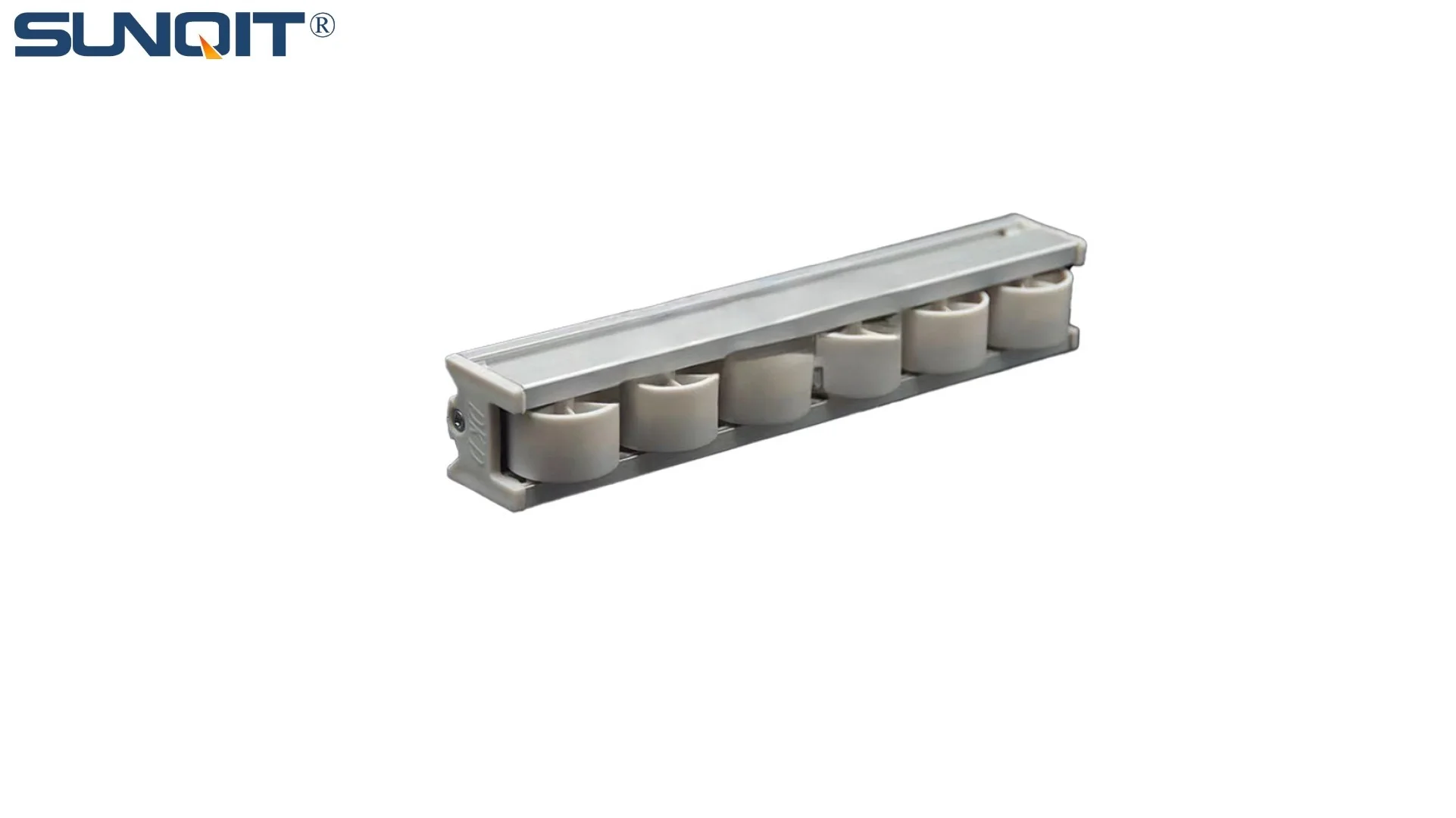
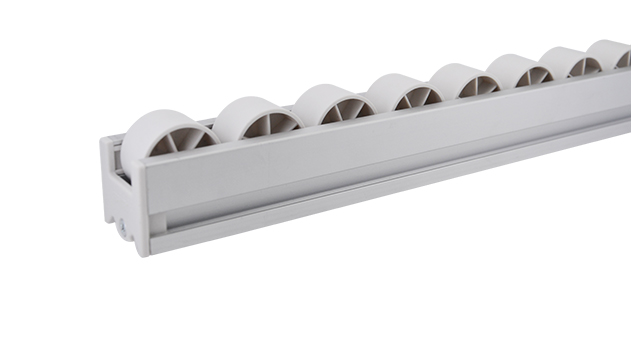
40 Aluminum Roller Track White
Durable and smooth-running modular roller rails. The system is fully assembled. The roller rail profile contains plastic rollers mounted on steel axles. Aluminum frame with plastic wheel make it anti corrosion,and material convey more smooth.
In the world of manufacturing, warehousing, and logistics, the phrase "time is money" isn't just a cliché—it's a daily reality. Every delay in material handling, every jammed conveyor, every misaligned track eats into productivity, slows down production, and ultimately impacts the bottom line. That's why choosing the right equipment for your workflow isn't just a purchase; it's an investment in efficiency. One such piece of equipment that often flies under the radar but plays a critical role is the roller track system. And among the many options available, the 40 Aluminum Roller Track White has emerged as a standout choice for businesses prioritizing durability, versatility, and smooth operation. If you're in the market for this essential tool, this guide will walk you through everything you need to know to make an informed decision—from key features to supplier selection, and everything in between.
What Is 40 Aluminum Roller Track White, Anyway?
Let's start with the basics. At its core, a 40 Aluminum Roller Track White is a linear conveyor component designed to facilitate the movement of materials—think boxes, parts, or products—from one point to another with minimal friction. The "40" in its name typically refers to its width (40mm), a standard size that balances maneuverability with load-bearing capacity. The "aluminum" denotes its primary material, chosen for its lightweight yet robust properties, and "white" points to its powder-coated finish, which adds both aesthetic appeal and functional benefits like corrosion resistance.
Unlike heavier steel tracks or less durable plastic alternatives, aluminum roller tracks strike a sweet spot: they're easy to install and reconfigure (thanks to aluminum's lightweight nature) but tough enough to withstand the rigors of daily use in busy environments. The white coating isn't just for show, either. In settings like cleanrooms, electronics manufacturing, or food processing facilities, a white finish helps reflect light, making it easier to spot debris or contaminants—an small detail that can have a big impact on quality control.
Key Features to Evaluate Before You Buy
Not all 40 Aluminum Roller Track White products are created equal. To ensure you're getting a track that meets your needs, there are several critical features to examine closely. Let's break them down.
1. Material Quality: It All Starts with the Aluminum
Aluminum is the star here, but not all aluminum is the same. The grade of aluminum used in the track's construction will directly affect its strength, weight, and resistance to wear. Most high-quality roller tracks are made from 6063-T5 aluminum alloy—a popular choice in industrial applications. Why? 6063-T5 offers excellent corrosion resistance, a smooth surface finish (ideal for the white powder coating), and a tensile strength that balances flexibility and rigidity. Cheaper alternatives might use lower-grade aluminum, which can bend under heavy loads or degrade quickly in humid or chemical-exposed environments. When evaluating a product, ask the supplier for the aluminum grade; a reputable lean system supplier will be happy to provide this information.
Equally important is the thickness of the aluminum extrusion. A track with a thinner wall (say, 1mm) might be cheaper, but it will struggle to support heavier loads. For most industrial applications, a wall thickness of 1.5mm to 2mm is recommended. You can check this by reviewing the product specs or, if possible, requesting a sample to inspect the cross-section—thicker walls will feel sturdier and less prone to denting when pressed.
2. Coating Durability: More Than Just a Pretty Color
The white powder coating is another area where quality varies. A cheap coating might chip, fade, or peel after a few months of use, exposing the aluminum underneath to rust or corrosion. Look for tracks with a multi-layer coating process: first, a pre-treatment (like chromate conversion coating) to enhance adhesion, followed by electrostatic powder application, and finally curing at high temperatures (around 180–200°C) to ensure a hard, uniform finish. A good coating should pass basic tests like the "cross-cut adhesion test" (where a grid is scored into the coating, and tape is applied to check for peeling) or salt spray testing (to simulate corrosion resistance in humid environments). Don't hesitate to ask suppliers for certification or test results—this is a sign they stand behind their product's durability.
3. Roller Design and Spacing: The Secret to Smooth Movement
The rollers themselves are the heart of the track. Without well-designed rollers, even the best aluminum track will fail to deliver smooth material flow. Pay attention to two key aspects here: roller material and spacing.
Rollers are typically made from plastic (like polypropylene) or metal (like stainless steel). Plastic rollers are quieter and gentler on delicate items (think electronics components), while metal rollers offer higher load capacity and durability for heavier goods. The 40 Aluminum Roller Track White often uses plastic rollers with a white or black finish (to match the track), but some suppliers offer metal options for specialized needs. Additionally, check if the rollers are "free-spinning"—they should rotate easily with minimal resistance, even when new. A quick test: spin a roller with your finger; it should continue moving for a few seconds without catching.
Roller spacing is equally crucial. If rollers are too far apart, small or irregularly shaped items might get stuck or tip over. Too close, and you're adding unnecessary weight and cost. For general use, a spacing of 50–60mm between rollers is standard, but this can vary based on your needs. For example, if you're transporting small parts (like screws or connectors), opt for tighter spacing (40–50mm) to ensure stability. Larger boxes might work well with wider spacing (60–80mm) to reduce friction and improve glide.
4. Compatibility with Accessories: Building a System, Not Just a Track
A roller track rarely works in isolation. To create a fully functional material handling system, you'll need to pair it with aluminum profile accessories like mounts, connectors, guide rails, and end stops. This is where compatibility becomes critical. The 40 Aluminum Roller Track White should integrate seamlessly with standard aluminum profiles (like 4040 or 3030 series) and their accompanying hardware. One accessory you'll likely need is the roller track placon mount for aluminum profile flat —a bracket designed to attach the track to flat aluminum profiles, ensuring stability and alignment. These mounts come in various designs (flat, high, or angled), so confirm that the track's mounting holes and dimensions match the mounts you plan to use. A mismatched mount can lead to wobbly tracks, uneven material flow, or even safety hazards.
Other accessories to consider include guide rails (to keep materials centered), end supports (to prevent items from falling off the track), and connectors (to join multiple track sections). A good supplier will offer a full range of compatible accessories, or at least provide clear specs to help you source them elsewhere. Avoid tracks with proprietary designs that lock you into overpriced, hard-to-find accessories—flexibility is key in lean manufacturing environments where workflows evolve over time.
Pro Tip: When evaluating compatibility, ask for a sample track and a sample mount (like the roller track placon mount for aluminum profile flat) to test fitment. It's better to catch a mismatch before you place a bulk order than after installation.
5. Load Capacity: Know Your Limits
Perhaps the most critical specification is load capacity—the maximum weight the track can safely support. This is typically measured in kilograms per linear meter (kg/m) and depends on factors like aluminum thickness, roller quality, and spacing. A standard 40 Aluminum Roller Track White might handle 50–80 kg/m, but heavy-duty versions can go up to 150 kg/m or more. To determine your needs, calculate the average weight of the items you'll be moving, plus a 20% buffer (to account for occasional heavier loads or uneven distribution). Overloading a track can lead to bent aluminum, cracked rollers, or even track failure—so when in doubt, opt for a higher capacity than you think you need.
Application Scenarios: Where Does 40 Aluminum Roller Track White Shine?
Now that you know what to look for, let's talk about where this track excels. Its versatility makes it a staple in a range of industries:
- Production Assembly Lines: In automotive, electronics, or appliance manufacturing, 40 Aluminum Roller Track White is often used to move parts between workstations. For example, in a smartphone assembly plant, components like screens or batteries can glide along the track from the soldering station to the testing area, reducing manual handling and speeding up production.
- Warehousing and Order Fulfillment: In e-commerce warehouses, roller tracks are integrated into picking systems, allowing workers to slide packages from storage racks to packing stations. The white finish helps keep the area bright, making it easier to read labels and reduce errors.
- Cleanrooms and Lab Environments: Thanks to its aluminum construction and smooth, non-porous white coating, this track is suitable for cleanrooms in pharmaceutical or semiconductor manufacturing. It resists dust buildup and is easy to sanitize, meeting strict hygiene standards.
- Retail and Distribution Centers: In back-of-house retail operations, roller tracks simplify the movement of inventory from receiving to shelving, or from shelving to checkout. Their lightweight design makes them easy to reconfigure during seasonal rushes.

How to Choose a Reliable Supplier
Even the best track design is only as good as the supplier behind it. When selecting a lean system supplier for your 40 Aluminum Roller Track White, keep these factors in mind:
1. Experience and Reputation
Look for suppliers with a proven track record in the material handling industry. A company that's been around for 5+ years is more likely to have refined its manufacturing processes and quality control systems. Check online reviews, ask for customer references, or look for certifications like ISO 9001 (which indicates adherence to international quality standards). Avoid suppliers with little to no online presence or vague product descriptions—transparency is a red flag.
2. Customization Options
No two workflows are identical. A good supplier should offer customization options, whether it's custom lengths (to fit your space), specialized coatings (like anti-static for electronics), or modified roller spacing for unique materials. Be wary of suppliers who only offer "one-size-fits-all" products—they might not prioritize your specific needs.
3. Technical Support and After-Sales Service
Installing or troubleshooting a roller track system can be tricky, especially if you're new to it. Choose a supplier that provides clear installation guides, technical support via phone or email, and a reasonable warranty (at least 12 months). A supplier that ghost you after the sale is a supplier to avoid.

Common Mistakes to Avoid
Even with the best intentions, buyers often fall into avoidable traps. Here are a few to watch out for:
- Choosing Based on Price Alone: It's tempting to go for the cheapest option, but low-cost tracks often cut corners on material quality or coating durability. A track that costs 20% less upfront might end up costing more in replacements or downtime later.
- Ignoring Environmental Factors: If your facility is humid, dusty, or exposed to chemicals, a standard track might not hold up. Look for features like corrosion-resistant coatings or sealed rollers for harsh environments.
- Overlooking Future Needs: Your current workflow might require a basic track, but what if you scale up production next year? Choose a track with a higher load capacity and compatible accessories to accommodate growth.
Maintenance Tips to Extend Your Track's Lifespan
A little maintenance goes a long way in keeping your 40 Aluminum Roller Track White running smoothly. Here's how to care for it:
- Regular Cleaning: Wipe down the track and rollers with a damp cloth to remove dust, debris, or oil buildup. For tougher grime, use a mild detergent (avoid harsh chemicals that can damage the coating).
- Lubricate Rollers: Every 3–6 months (depending on use), apply a small amount of light machine oil to roller bearings to reduce friction. Avoid over-lubricating, as excess oil can attract dust.
- Check for Loose Hardware: Periodically inspect mounts (like the roller track placon mount for aluminum profile flat) and connectors to ensure they're tight. Loose hardware can cause misalignment or noise.
- replace Worn Rollers: If rollers start sticking or cracking, replace them promptly. Most suppliers sell replacement rollers individually, so you won't need to replace the entire track.
Comparing Roller Track Options: A Quick Reference Table
| Feature | 40 Aluminum Roller Track White | 40 Steel Roller Track (Black) | 38 Plastic Roller Track (Grey) |
|---|---|---|---|
| Material | 6063-T5 Aluminum (White Powder-Coated) | Mild Steel (Black Oxide-Coated) | PVC Plastic |
| Load Capacity (kg/m) | 50–150 | 100–200 | 20–50 |
| Weight (kg/m) | 1.2–1.8 | 3.0–4.5 | 0.8–1.0 |
| Best For | General manufacturing, cleanrooms, warehousing | Heavy-duty industrial applications | Lightweight, low-cost, short-term use |
| Compatibility with Aluminum Profiles | Excellent (uses roller track placon mounts) | Good (requires heavy-duty mounts) | Limited (plastic-specific hardware) |
Final Thoughts: Invest in Quality, Reap the Rewards
Choosing a 40 Aluminum Roller Track White might seem like a small decision in the grand scheme of your operations, but it's one that can have a ripple effect on efficiency, safety, and profitability. By prioritizing material quality, compatibility with accessories like aluminum profile accessories and roller track placon mounts, and working with a reputable lean system supplier, you'll end up with a track that not only meets your current needs but adapts to future ones. Remember: a well-chosen roller track doesn't just move materials—it moves your business forward.
So, take the time to research, ask questions, and test samples. Your team, your workflow, and your bottom line will thank you.