- Company Articles
- Products and Technology
- Product knowledge
- 40 Aluminum Roller Track White: Corrosion Resistance in Humid Environments

40 Aluminum Roller Track White: Corrosion Resistance in Humid Environments
Related Product
40 Aluminum Roller Track White
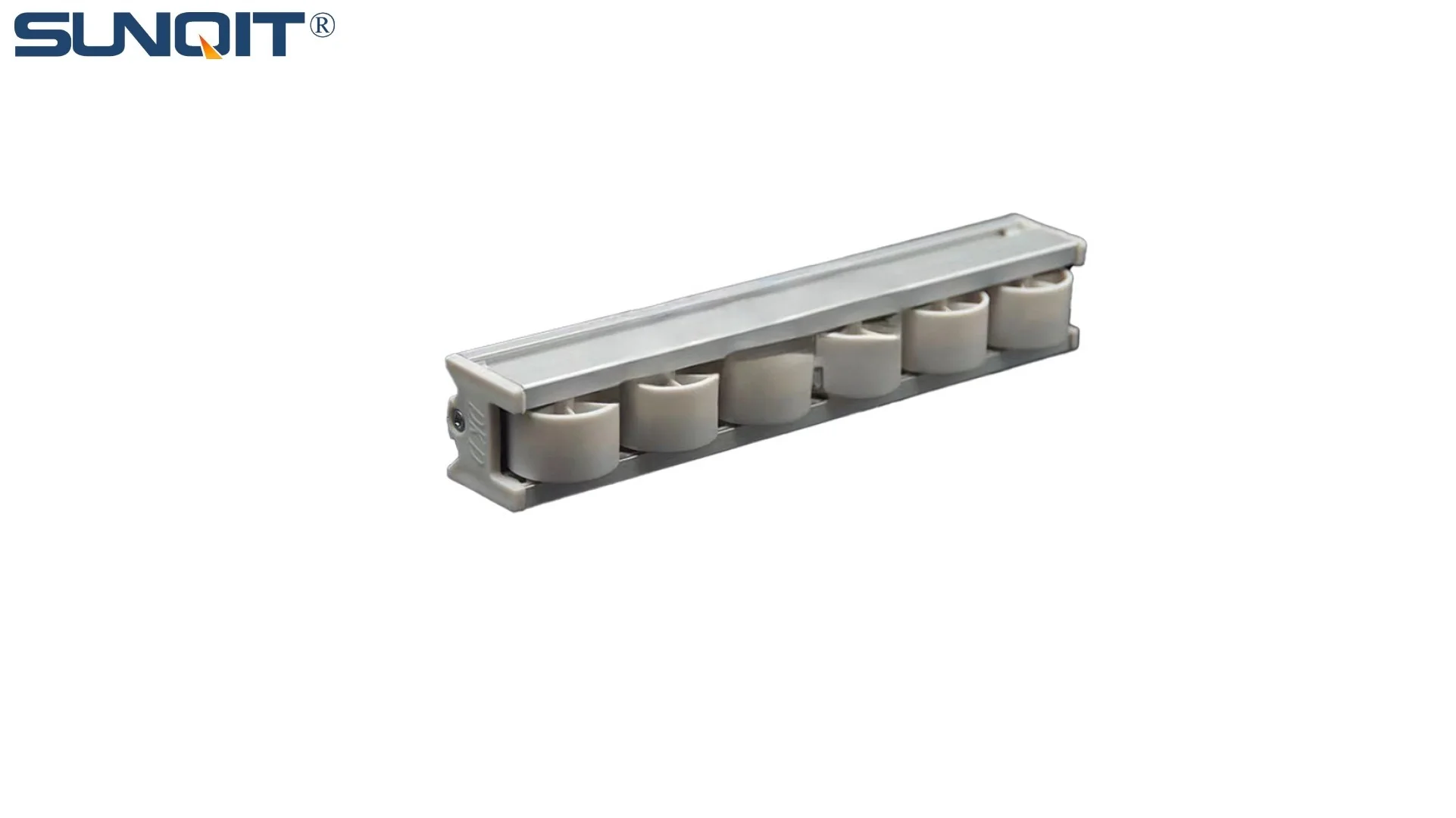
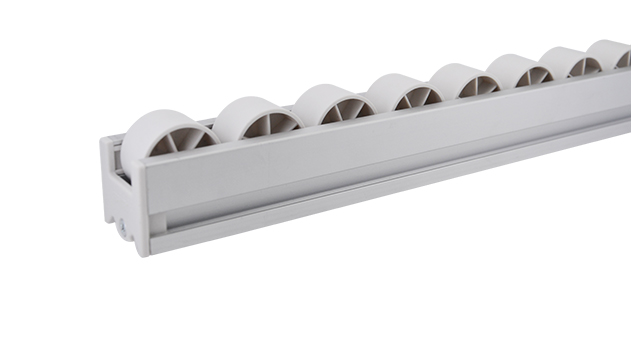
Durable and smooth-running modular roller rails. The system is fully assembled. The roller rail profile contains plastic rollers mounted on steel axles. Aluminum frame with plastic wheel make it anti corrosion,and material convey more smooth.
Walk into any busy warehouse, manufacturing plant, or food processing facility, and you'll likely spot a common challenge quietly undermining efficiency: humidity. It's the invisible culprit that creeps into corners, settles on equipment, and over time, turns sturdy metal into flaky rust, slows down production lines, and forces unexpected maintenance costs. For operations that rely on smooth material flow—like conveyor systems, assembly lines, or storage racks—humidity isn't just a minor annoyance; it's a threat to reliability. But what if there was a solution designed to laugh in the face of moisture? Enter the 40 Aluminum Roller Track White, a workhorse of material handling that's built to thrive where other systems falter. In this article, we'll dive into why this unassuming piece of equipment has become a lifesaver for humid environments, exploring its design, materials, and real-world impact.
What Is 40 Aluminum Roller Track White, Anyway?
Before we get into its superpowers against humidity, let's break down what makes this roller track unique. The "40" in its name refers to its width—40mm—making it a versatile middleweight in the material handling world. Not too narrow to limit load capacity, not too wide to waste space, it's designed to balance strength and practicality. The "aluminum" part is key (we'll circle back to that), and "white"? That's the finish, a clean, bright coating that does more than just look good—it adds an extra layer of protection. But this track isn't just a simple metal rail; it's a thoughtfully engineered system, often paired with aluminum profile accessories to create custom setups, from gravity-fed conveyor lines to picking stations in warehouses.
At first glance, it might seem similar to other roller tracks on the market—steel, plastic, or even wooden options. But take a closer look, and you'll notice the details: smooth-rolling white wheels (often made of high-density plastic or rubber), a lightweight yet rigid aluminum frame, and precision-engineered joints that keep the track stable even under heavy loads. It's the kind of equipment that fades into the background when it's working well—and that's the point. In humid environments, where other tracks might start squeaking, rusting, or jamming after a few months, the 40 Aluminum Roller Track White just keeps moving.
Why Aluminum? The Secret to Beating Humidity Starts with the Material
Let's talk about aluminum—the star of the show here. When it comes to fighting corrosion, aluminum is a natural champion, and that's no accident. Unlike steel, which reacts with moisture and oxygen to form iron oxide (rust), aluminum forms a thin, invisible layer of aluminum oxide on its surface when exposed to air. This layer isn't just a byproduct; it's a shield. It's hard, adherent, and self-healing. Even if you scratch the surface, the exposed aluminum will quickly react with oxygen to form a new oxide layer, preventing further corrosion. This built-in defense mechanism is why aluminum patio furniture can sit outside through rain and snow for years without rusting—and it's exactly why aluminum is the perfect base for a roller track in humid environments.
But the 40 Aluminum Roller Track White takes this a step further by using aluminum extrusion profile. Extrusion is a manufacturing process where aluminum is pushed through a die to create complex, uniform shapes—like the frame of the roller track. This method isn't just efficient; it results in a stronger, more consistent product. Extruded aluminum profiles have no weak points or seams where moisture could seep in, unlike welded steel tracks, which often rust first at the welds. The extrusion process also allows for precise design features, like integrated channels for roller axles or slots for attaching aluminum profile accessories, making the track easy to customize without compromising its structural integrity.
Compare this to steel roller tracks, which are often coated with paint or zinc (galvanization) to fight rust. While these coatings work initially, they're prone to chipping or wearing off over time—especially in high-traffic areas where carts or packages rub against the track. Once the coating is gone, the steel underneath is exposed, and rust starts to spread. Plastic tracks, on the other hand, might resist corrosion, but they lack the strength of aluminum, often bending or warping under heavy loads or in extreme temperatures (like the sweltering heat of a humid warehouse in summer). Aluminum? It's the sweet spot: strong enough to handle daily use, light enough to install and reconfigure easily, and naturally resistant to the moisture that would destroy other materials.
The White Finish: More Than Just a Pretty Face
You might be wondering: why white? Couldn't they just leave the aluminum bare? While bare aluminum is corrosion-resistant, the white finish adds another layer of protection—and a few practical benefits. Most 40 Aluminum Roller Track White systems use either anodization or powder coating to achieve that clean white color, and both processes enhance the track's ability to stand up to humidity.
Anodization is an electrochemical process that thickens the natural aluminum oxide layer on the surface. This makes the layer more durable and porous, which allows it to absorb dyes—hence the white color. The result? A finish that's harder than the base aluminum, resistant to scratches, and impervious to moisture. It's why anodized aluminum is used in everything from smartphone cases to marine hardware—applications where both aesthetics and durability matter. Powder coating, another common finish for these tracks, involves applying a dry powder (in this case, white) to the aluminum and curing it in an oven. The powder melts into a smooth, even coating that bonds tightly to the metal, creating a barrier against water, chemicals, and UV rays. Unlike paint, which can chip or peel, powder coating is flexible and tough, standing up to the bumps and scrapes of daily use in busy facilities.
Beyond protection, the white finish has a practical advantage: visibility. In dimly lit warehouses or manufacturing plants, a bright white track is easier to see, reducing the risk of accidents. It also reflects light, helping to keep work areas brighter and more energy-efficient. And let's not overlook the clean, professional look—important in industries like food processing or pharmaceuticals, where hygiene and appearance go hand in hand.

How It Performs in Real-World Humid Environments: Stories from the Field
Numbers and science are great, but nothing beats real-world examples. Let's look at how the 40 Aluminum Roller Track White has performed in some of the most humidity-challenged environments out there.
Case 1: A Seafood Processing Plant by the Coast
Imagine a seafood processing plant in a coastal town, where the air is thick with salt and moisture year-round. The facility handles fresh fish, so water is everywhere—hoses, condensation dripping from refrigeration units, and the constant hum of fans trying to keep the air moving. A few years ago, this plant was using steel roller tracks to move fish from the cleaning station to the packaging line. Within six months, the steel tracks started rusting, especially near the joints and roller axles. The rust wasn't just unsightly; it flaked off into the workspace, posing a contamination risk for the food. The rollers seized up, slowing down production, and the plant was spending thousands on replacement tracks and maintenance every year.
Then they switched to 40 Aluminum Roller Track White. Five years later, the tracks are still in use. The aluminum frames show no signs of corrosion, even in the salty, wet air. The white powder-coated finish has held up, and the rollers still spin smoothly. The plant manager estimates they've cut maintenance costs by 70% and reduced downtime due to track failures to almost zero. "We used to have a guy assigned just to oil and clean the steel tracks twice a week," he told me. "Now? We wipe them down with a damp cloth once a month, and that's it. It's been a game-changer."
Case 2: A Warehouse in a Tropical Climate
Another example: a large e-commerce warehouse in Southeast Asia, where temperatures hover around 30°C (86°F) and humidity often hits 90%. In this environment, even plastic roller tracks struggle—moisture can cause the plastic to degrade, and the heat makes the wheels soft and prone to wear. Steel tracks? Rust was inevitable, even with galvanization. The warehouse was using a mix of both, and it was a logistical nightmare: some tracks needed replacement every 12–18 months, and the constant variability in performance led to delays in order fulfillment.
After testing several options, they standardized on 40 Aluminum Roller Track White for their picking and packing areas. The results? The aluminum tracks handled the heat and humidity without a hitch. The white finish reflected some of the heat, keeping the tracks cooler than dark-colored alternatives, and the aluminum frame didn't warp or degrade. Employees reported that carts glided more smoothly, reducing physical strain, and the warehouse saw a 15% increase in order processing speed. "We were skeptical at first—aluminum feels lighter, so we thought it might not hold up," said the operations director. "But it's been two years, and the tracks look brand new. We're now rolling them out to all our facilities in the region."

How Does It Stack Up? A Comparison with Other Roller Track Materials
Curious how the 40 Aluminum Roller Track White compares to other common options? Let's break it down in a table—no jargon, just the facts that matter for humid environments:
| Feature | 40 Aluminum Roller Track White | Steel Roller Track (Galvanized) | Plastic Roller Track |
|---|---|---|---|
| Material | Extruded aluminum with white powder coating/anodization | Steel with galvanized or painted finish | High-density polyethylene (HDPE) or polypropylene |
| Corrosion Resistance in Humid Environments | Excellent—natural oxide layer + finish; no rust, even with salt exposure | Fair—galvanization/paint wears off over time; rusts at scratches/seams | Good—resists rust, but moisture can cause warping or degradation in high heat |
| Weight | Lightweight (easy to install/reconfigure) | Heavy (requires more labor to install; harder to adjust) | Lightest, but less rigid (may sag under heavy loads) |
| Load Capacity | High (supports 50–150 kg/m, depending on design) | Highest (supports 100–200 kg/m, but rust reduces lifespan) | Low to medium (supports 20–80 kg/m; prone to bending under stress) |
| Lifespan in Humid Environments | 5–10+ years with minimal maintenance | 2–3 years before rust causes failure | 3–5 years (may degrade faster in high heat/humidity) |
| Maintenance Needs | Low—occasional cleaning with mild soap and water | High—regular oiling, rust removal, and replacement of corroded parts | Medium—cleaning to prevent mold growth; replacement of worn wheels |
| Cost (Initial Investment) | Moderate (higher than plastic, lower than stainless steel) | Low initial cost, but high long-term replacement/maintenance | Lowest initial cost, but frequent replacements add up |
The takeaway? While steel might have a higher load capacity and plastic a lower upfront cost, neither can match the 40 Aluminum Roller Track White's combination of corrosion resistance, durability, and low maintenance in humid environments. It's an investment that pays off over time, especially for facilities where downtime or contamination risks are costly.
Where Does It Work Best? Applications Beyond the obvious
We've talked about seafood plants and tropical warehouses, but the 40 Aluminum Roller Track White isn't limited to extreme cases. Any environment with high humidity can benefit, and its versatility means it fits into more workflows than you might think. Here are a few more applications where it shines:
Food and Beverage Manufacturing
From bakeries (where steam is constant) to breweries (humidity from fermentation), food and beverage facilities need equipment that's easy to clean and resistant to moisture. The 40 Aluminum Roller Track White's smooth, non-porous surface won't trap bacteria, and its corrosion resistance means it can handle daily washdowns with water and mild detergents—no rust, no degradation.
Pharmaceutical and Healthcare
In pharmaceutical labs or hospitals, clean rooms and storage areas often maintain strict humidity controls to protect sensitive products. Even with controlled environments, condensation can occur, and corrosion is a risk. The white finish of the track aligns with the sterile aesthetic of these spaces, and its durability ensures it won't shed particles or rust, keeping products safe.
Cold Storage and Refrigerated Warehouses
You might not think of cold environments as "humid," but refrigerated warehouses are actually prime spots for moisture issues. When warm air leaks in, it condenses on cold surfaces, creating a damp environment that's tough on metal. The 40 Aluminum Roller Track White resists this condensation-related corrosion, making it ideal for moving goods in and out of freezers or coolers.
Greenhouses and Agricultural Facilities
Greenhouses are intentionally humid to keep plants thriving, but that moisture can wreak havoc on equipment. From moving trays of seedlings to transporting harvested produce, the 40 Aluminum Roller Track White holds up to the damp air and occasional splashes of water, ensuring smooth operations during peak growing seasons.
Caring for Your 40 Aluminum Roller Track White: Maintenance Tips for Longevity
One of the best things about this roller track is how little it asks of you in return for its hard work. But like any equipment, a little care goes a long way in extending its lifespan. Here are some simple maintenance tips:
- Keep it clean: Wipe down the track with a soft cloth and mild soap and water every few weeks. This removes dust, dirt, or debris that could scratch the finish or jam the rollers. Avoid abrasive cleaners or scouring pads—they can damage the anodization or powder coating.
- Check the rollers: Every month or so, inspect the rollers for signs of wear (like cracks or flat spots) or debris stuck between them. If a roller is damaged, replace it promptly—most aluminum profile accessories, including replacement rollers, are easy to find and install.
- Lubricate (sparingly): The rollers are often pre-lubricated, but if you notice squeaking or resistance, a drop of silicone-based lubricant (avoid oil, which can attract dust) on the axles should do the trick. Don't overdo it—too much lubricant can make the track slippery.
- Tighten loose connections: If the track is part of a larger system with aluminum profile accessories (like brackets or supports), check the bolts and screws occasionally. Humidity won't loosen them, but vibration from daily use might—tightening them keeps the track stable.
That's it. No fancy tools, no expensive cleaning products, just basic common sense. For most facilities, this routine takes less than an hour a month—and it's a small price to pay for a track that could last a decade or more.
Wrapping Up: Why 40 Aluminum Roller Track White Is a Humidity Hero
Humidity might be an invisible enemy, but it doesn't have to be an unbeatable one. The 40 Aluminum Roller Track White proves that with the right materials (aluminum extrusion profile), smart design (white protective finish, precision rollers), and practical engineering, you can build equipment that thrives in even the dampest environments. It's not just about avoiding rust—it's about reliability, efficiency, and peace of mind. When your roller track doesn't let you down, your team can focus on what matters: getting work done, meeting deadlines, and keeping your operation running smoothly.
Whether you're running a coastal warehouse, a busy food plant, or a tropical distribution center, the 40 Aluminum Roller Track White is more than just a piece of equipment—it's an investment in your facility's future. It's the kind of solution that makes you wonder why you ever settled for anything else. So the next time you're dealing with a rusted, jammed roller track in a humid corner of your workplace, remember: there's a better way. And it's white, aluminum, and ready to roll.