- Company Articles
- Products and Technology
- Product knowledge
- 40 Aluminum Roller Track White: Key Specifications You Need to Know

40 Aluminum Roller Track White: Key Specifications You Need to Know
Related Product
40 Aluminum Roller Track White
Durable and smooth-running modular roller rails. The system is fully assembled. The roller rail profile contains plastic rollers mounted on steel axles. Aluminum frame with plastic wheel make it anti corrosion,and material convey more smooth.
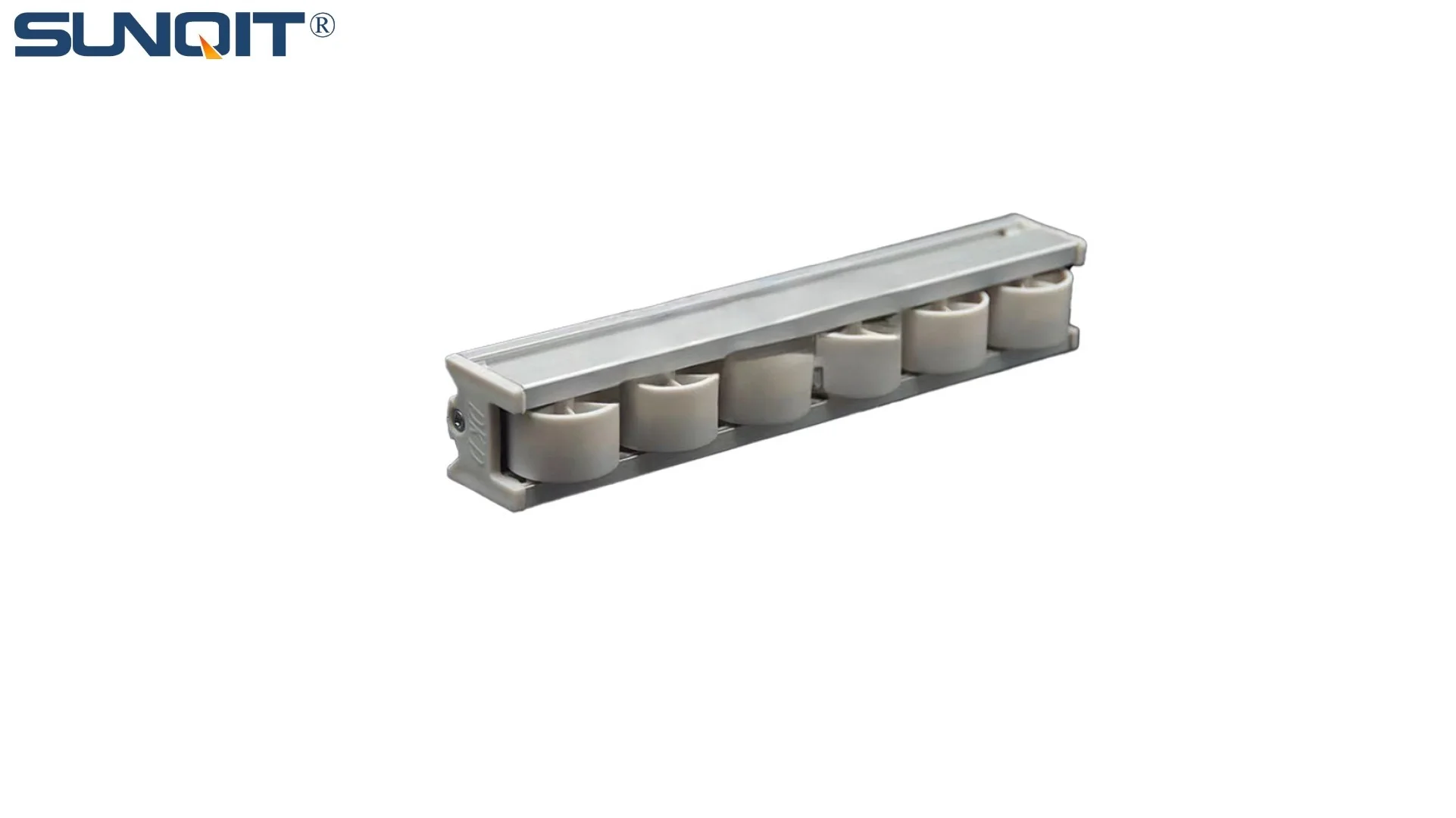
In the world of manufacturing and production, the smallest components often play the biggest roles in keeping operations running smoothly. If you've ever walked through a factory floor, you've likely seen them: those sleek, metallic tracks with rolling wheels that effortlessly move parts, materials, and products from one station to the next. Today, we're zeroing in on one such workhorse: the 40 Aluminum Roller Track White. Whether you're setting up a new lean system, upgrading your production assemble line, or simply curious about what makes this track a favorite among facility managers, this guide will break down everything you need to know—from its material makeup to real-world applications, and why it might just be the missing piece in your workflow puzzle.
What Is the 40 Aluminum Roller Track White?
Let's start with the basics. The 40 Aluminum Roller Track White is a specialized material handling component designed to facilitate the smooth, controlled movement of goods in industrial settings. The "40" refers to its width (40mm), "aluminum" highlights its core material, "roller track" describes its function, and "white" denotes its color finish. But it's more than just a track with wheels—it's a precision-engineered tool that aligns with lean manufacturing principles, helping teams reduce waste, improve efficiency, and maintain consistency in their processes.
Unlike heavier steel tracks or less durable plastic alternatives, this track strikes a balance between strength and practicality. Its aluminum construction keeps it lightweight (easy to install and reconfigure), while its roller system ensures minimal friction, so even delicate items glide without jams or damage. And that white finish? It's not just for aesthetics—we'll dive into why that matters later.
Key Specifications: Breaking Down the Details
When evaluating a component like the 40 Aluminum Roller Track White, specs aren't just numbers on a page—they're the difference between a track that integrates seamlessly into your workflow and one that causes headaches down the line. Let's unpack the most critical specifications, and why each one matters for your operation.
1. Material Composition: Aluminum Extrusion Profile at Its Core
At the heart of this track lies aluminum extrusion profile —a manufacturing process where aluminum is forced through a die to create a uniform, custom shape. This isn't just any aluminum, though; most 40 Aluminum Roller Tracks use 6063-T5 aluminum alloy, known for its excellent strength-to-weight ratio, corrosion resistance, and machinability. Why does this matter? For starters, extrusion ensures consistent wall thickness and structural integrity across the entire track length, so you won't have weak spots that bend or warp under load. It also allows for precise integration of features like T-slots, which let you attach accessories (more on that later) without drilling or welding.
Aluminum also offers a major advantage over steel: it's naturally resistant to rust and corrosion. In environments where moisture, oils, or chemicals are present (think automotive or food processing plants), this means less maintenance and a longer lifespan. And because it's lighter than steel, you can install longer sections without heavy lifting equipment—perfect for lean systems that prioritize flexibility and quick adjustments.
2. Dimensions & Sizing: Getting the Fit Right
Let's talk numbers. The "40" in the name refers to the track's width, which measures 40mm (about 1.57 inches). But there's more to sizing than just width. The track's overall height typically ranges from 30mm to 40mm, depending on the manufacturer, while standard lengths are 2 meters (6.56 feet) or 3 meters (9.84 feet)—though custom lengths are often available for larger setups. Why does length matter? Longer tracks reduce the need for joints, which can be points of friction or misalignment. Shorter tracks, on the other hand, offer more flexibility for tight spaces or modular configurations.
Another key dimension is the roller spacing. Most 40 Aluminum Roller Tracks feature rollers spaced 50mm to 60mm apart. This spacing is intentional: too far apart, and small or irregularly shaped items might tip or get stuck; too close, and you're adding unnecessary weight and cost. The 50-6mm gap strikes a sweet spot, supporting everything from small electronic components to larger boxes without issue.
3. Roller Design & Performance: The Wheels That Drive Efficiency
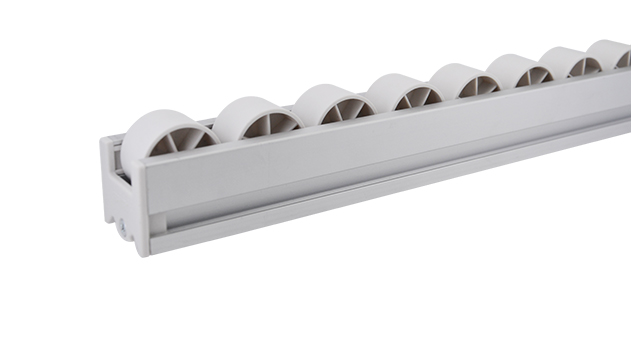
The rollers are the track's "engine," so their design is critical. The 40 Aluminum Roller Track White typically comes with white plastic rollers—often made from polypropylene (PP) or nylon. These materials are chosen for their low friction, impact resistance, and quiet operation (no more clanging metal wheels!). The roller diameter is usually 25mm to 30mm, which provides enough surface area to distribute weight evenly while keeping the track's profile low (important for fitting under workbenches or in tight conveyor systems).
But here's a detail that matters: the roller bearings. High-quality tracks use precision ball bearings or needle bearings in their rollers, ensuring smooth rotation even under load. This reduces the force needed to push items along the track—meaning less physical strain on workers and fewer bottlenecks when materials need to move quickly. Some models also offer ESD (electrostatic discharge) versions, where the rollers are treated to dissipate static electricity—a must for electronics manufacturing, where static can damage sensitive components.
4. Load Capacity: How Much Can It Handle?
You might be wondering, "Sure, it's lightweight, but can it actually carry heavy stuff?" The answer is a resounding yes—when used correctly. The 40 Aluminum Roller Track White typically has a dynamic load capacity (the weight it can handle when items are moving) of 50kg to 80kg per meter. Static load capacity (weight when items are stationary) is even higher, often reaching 100kg per meter or more. To put that in perspective: it can easily handle a stack of circuit boards, a box of mechanical parts, or even small power tools without bending or sagging.
Pro tip: Always check the manufacturer's specs for your specific model, as load capacity can vary based on roller material, track thickness, and installation method. And remember—distributing weight evenly across the track (rather than concentrating it in one spot) will help maximize its lifespan.
5. Color & Finish: Why White?
At first glance, the white color might seem like a minor detail, but it's actually a practical choice for industrial environments. White reflects light, making the track more visible in dimly lit areas—helping workers spot debris, misaligned rollers, or damaged wheels before they cause issues. It also shows dirt, dust, and spills more clearly than darker colors, which is a big plus for cleanliness-critical industries like pharmaceuticals or food packaging. A quick wipe-down is all it takes to keep the track looking (and functioning) like new.
The finish itself is usually a powder coating, which bonds tightly to the aluminum surface. This coating resists chipping, fading, and chemical damage—so even if the track gets exposed to oils, solvents, or cleaning agents, that white color stays bright, and the aluminum underneath stays protected from corrosion.
6. Compatibility: Fitting Into Your Existing Setup
No industrial component exists in a vacuum, and the 40 Aluminum Roller Track White is no exception. It's designed to work seamlessly with a range of accessories, making it easy to integrate into your existing workflow. One key accessory is the roller track placon mount for aluminum profile flat —a bracket that attaches the track to aluminum profiles (like those used in workbenches or material racks). These mounts are adjustable, so you can angle the track slightly (1-3 degrees) to use gravity for movement, reducing the need for manual pushing.
Other compatible parts include end stops (to prevent items from rolling off the track), side guides (to keep items centered), and connectors (to join multiple track sections into a longer run). This compatibility is a big reason why the track is popular in lean systems—you can start small, then expand or reconfigure as your needs change, without having to replace the entire system.
How Does It Fit Into Lean Systems & Production Assemble Lines?
Lean manufacturing is all about eliminating waste—whether that's time, effort, or materials. The 40 Aluminum Roller Track White aligns with this philosophy in several ways:
- Reduced manual handling: Instead of workers carrying parts from station to station, the track does the heavy lifting, cutting down on fatigue and errors.
- Controlled flow: Items move at a steady pace, preventing bottlenecks and ensuring each workstation has what it needs, when it needs it.
- Modularity: Since it's lightweight and compatible with accessories, you can rearrange the track as your production assemble line changes—no need for expensive, permanent installations.
- Visibility: The white track makes it easy to spot issues (like a stuck roller or misplaced item) before they disrupt the entire line.
Real-World Example: Electronics Manufacturing
Imagine a production line where workers assemble smartphones. PCBs (printed circuit boards) need to move from the soldering station to the testing station, then to packaging. Using the 40 Aluminum Roller Track White, the PCBs are placed on small trays that glide along the track. The white rollers ensure visibility—if a tray tips or a component falls off, it's immediately noticeable. The track's ESD rollers prevent static from frying sensitive chips, and its lightweight design means the line can be reconfigured quickly if the assembly process changes (e.g., adding a new testing step). At the end of the day, the team moves more units with fewer errors—and that's the lean promise in action.

Comparing the 40 Aluminum Roller Track White to Other Options
To really understand why this track stands out, let's compare it to common alternatives. Here's a quick breakdown:
| Track Type | Material | Width (mm) | Load Capacity (kg/m) | Key Advantage | Best For |
|---|---|---|---|---|---|
| 40 Aluminum Roller Track White | Aluminum + Plastic Rollers | 40 | 50-80 (dynamic) | Lightweight, corrosion-resistant, easy to clean | Lean systems, electronics, food packaging |
| 40 Steel Roller Track (Black) | Steel + Metal Rollers | 40 | 100-150 (dynamic) | High load capacity | Heavy machinery, automotive parts |
| 38 Aluminum Roller Track (Yellow) | Aluminum + Plastic Rollers | 38 | 40-60 (dynamic) | Narrower profile for tight spaces | Small parts assembly, lab environments |
| Plastic Roller Track (Grey) | PVC + Plastic Rollers | 40 | 20-40 (dynamic) | Low cost, lightweight | Light-duty use, temporary setups |
As you can see, the 40 Aluminum Roller Track White isn't the strongest (that title goes to steel), but it offers the best balance of strength, weight, and versatility for most mid-to-heavy-duty applications. Steel tracks, while strong, are heavier and prone to rust if not coated—making them overkill for many lean systems. Plastic tracks, on the other hand, are cheap but wear out quickly under repeated use. The aluminum option hits that "just right" spot.

Installation & Maintenance Tips for Longevity
Even the best track won't perform well if installed incorrectly. Here's how to set it up for success:
Installation Steps:
- Plan your layout first: Map out where the track will go, ensuring there's enough space for items to move freely and that the track is level (use a spirit level to check). A slight downward slope (1-2 degrees) can help items glide using gravity—just don't overdo it, or things might move too fast!
- Attach the placon mounts: Use roller track placon mount for aluminum profile flat brackets to secure the track to your aluminum profiles or workbench. Tighten the screws firmly, but don't overtighten—you might strip the aluminum threads.
- Join track sections: If using multiple track pieces, connect them with track joints or connectors. Ensure the ends align perfectly—even a small gap can cause items to jam.
- Test the rollers: Give the rollers a spin by hand—they should turn smoothly without wobbling. If any roller is stiff, check for debris or misalignment.
Maintenance Tips:
- Clean regularly: Wipe the track and rollers with a damp cloth to remove dust, oil, or debris. For tougher grime, use a mild detergent—avoid harsh chemicals that might damage the white finish.
- Lubricate sparingly: If rollers start to squeak, a drop of lightweight machine oil on the bearings can help. But don't over-lubricate—oil can attract dust and gunk over time.
- Check for wear: Inspect rollers monthly for cracks, flat spots, or loose bearings. replace worn rollers promptly—one bad roller can throw off the entire track's performance.
- Tighten hardware: Over time, screws and mounts might loosen from vibration. A quick check with a screwdriver every few months can prevent the track from shifting.
Who Should Use the 40 Aluminum Roller Track White?
This track isn't a one-size-fits-all solution—but it's a great fit for many industries. Here are some scenarios where it shines:
- Electronics manufacturing: The white color and optional ESD rollers make it ideal for cleanrooms and PCB assembly lines.
- Food and beverage packaging: Corrosion-resistant aluminum and easy-to-clean white finish meet strict hygiene standards.
- Automotive parts production: Handles metal components and plastic parts with equal ease, and its modularity works well with changing assembly processes.
- Warehousing and distribution: Use it in picking stations or order fulfillment areas to move boxes and packages efficiently.
- Lean startups and small workshops: Its affordability and easy installation make it a budget-friendly option for teams just starting to optimize their workflows.
Final Thoughts: Why It's More Than Just a Track
At the end of the day, the 40 Aluminum Roller Track White is more than a piece of hardware—it's a tool that empowers teams to work smarter, not harder. Its precision specs, compatibility with lean systems, and focus on practicality (from the white finish to the lightweight aluminum) make it a standout choice for anyone looking to streamline their production assemble line or material handling processes.
So, whether you're building a new facility, upgrading an old line, or simply want to reduce the hassle of moving materials around, don't overlook the impact of a well-chosen roller track. The 40 Aluminum Roller Track White might not be the flashiest component in your factory, but it's the kind of workhorse that quietly keeps things moving—one smooth roll at a time.