- Company Articles
- Products and Technology
- Product knowledge
- 40 Aluminum Roller Track White: Load Capacity & Weight Limits Explained

40 Aluminum Roller Track White: Load Capacity & Weight Limits Explained
Related Product
40 Aluminum Roller Track White
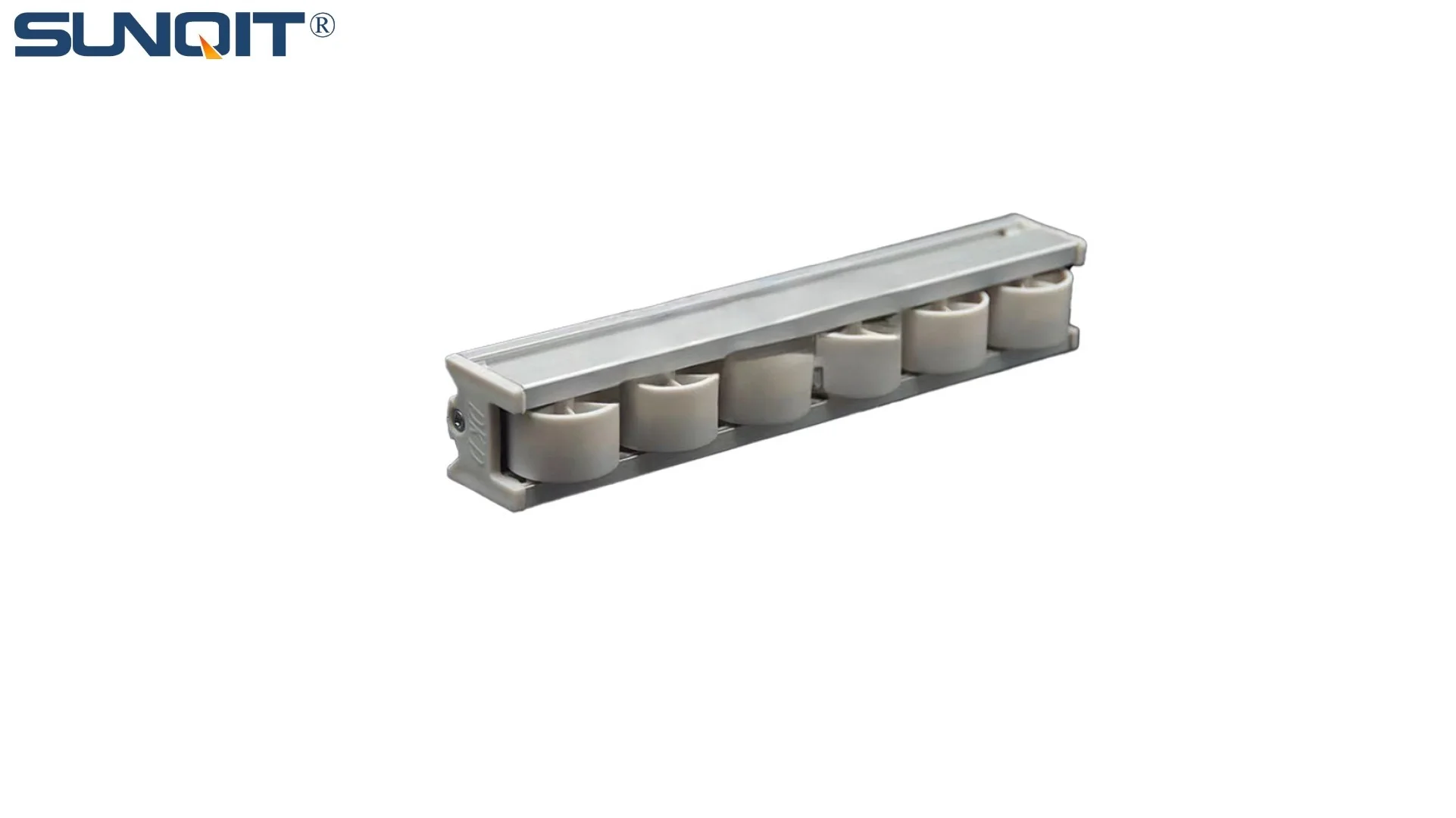
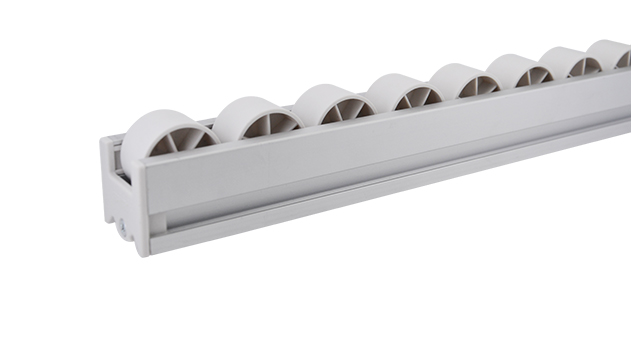
Durable and smooth-running modular roller rails. The system is fully assembled. The roller rail profile contains plastic rollers mounted on steel axles. Aluminum frame with plastic wheel make it anti corrosion,and material convey more smooth.
In the fast-paced world of manufacturing, warehousing, and lean production, the tools and equipment you choose can make or break your team's efficiency. Every component, no matter how small, plays a role in keeping workflows smooth, reducing downtime, and ensuring safety. One such unsung hero? The roller track. And among the many options available, the 40 Aluminum Roller Track White stands out as a versatile, reliable choice for teams looking to optimize their material handling processes. But before you integrate it into your workspace, there's one critical question to answer: How much weight can it actually handle? Let's dive into the details of load capacity and weight limits for this popular roller track, and why getting it right matters for your operation.
What Is 40 Aluminum Roller Track White, Anyway?
First things first: Let's make sure we're all on the same page about what exactly we're talking about. The 40 Aluminum Roller Track White is a type of material handling solution designed to move goods, components, or products along a smooth, rolling surface. The "40" here refers to its width—typically 40mm, making it a medium-sized option that balances maneuverability with stability. The "aluminum" part tells us it's constructed from aluminum profile, a lightweight yet durable material known for its resistance to corrosion and ease of customization. And "white"? That's more than just a color choice; the white finish helps reflect light, reducing glare in bright workspaces and giving it a clean, professional look—perfect for environments where aesthetics and visibility matter, like electronics assembly lines or cleanrooms.
But it's not just about looks. This roller track is part of a larger ecosystem of lean system tools, designed to support the principles of lean manufacturing: eliminating waste, streamlining processes, and improving flow. Whether it's part of a conveyor system, a workbench, or a material rack, the 40 Aluminum Roller Track White is built to keep things moving—literally. Now, let's get to the heart of the matter: how much weight can it really take?
Key Factors That Influence Load Capacity
Load capacity isn't a one-size-fits-all number. It depends on a handful of factors that work together to determine how much weight the roller track can safely support. Let's break them down one by one, so you can better understand what your specific setup might handle.
1. Aluminum Profile Quality & Thickness
At the core of the 40 Aluminum Roller Track White is its aluminum profile. Aluminum profiles come in different grades and wall thicknesses, and both play a big role in strength. A higher-grade aluminum (like 6061-T6, a common choice for industrial applications) offers better tensile strength and durability than lower grades. Similarly, a thicker wall profile (say, 1.5mm or 2.0mm) will naturally support more weight than a thinner one. When manufacturers list load capacity, they're assuming the track is made from a standard, high-quality aluminum profile—so if you're sourcing from a reputable roller track supplier, you can trust their specs. But if you're repurposing or using a generic profile, it's worth double-checking the material grade first.
2. Roller Wheel Design & Material
The rollers themselves are another critical piece of the puzzle. The 40 Aluminum Roller Track White typically features small, evenly spaced wheels that rotate to minimize friction as items slide across them. These wheels can be made from various materials—nylon, plastic, or even steel—and each has its own weight-bearing limits. Nylon wheels, for example, are lightweight and quiet, making them great for lighter loads and noise-sensitive environments. Steel wheels, on the other hand, can handle heavier weights but may be louder and more prone to scratching delicate surfaces. The white roller track often uses nylon or plastic wheels with a white finish to match the track, which are designed to balance load capacity with gentle handling of goods.
Wheel spacing matters too. Rollers that are spaced closer together distribute weight more evenly across the track, allowing it to support heavier loads. If the spacing is too wide, a heavy item might sag between rollers, putting stress on the track and increasing the risk of damage. Most 40mm aluminum tracks are engineered with optimal spacing—usually around 50-80mm between wheels—to ensure stability without sacrificing smooth movement.
3. Installation & Mounting
Even the strongest roller track won't perform well if it's installed poorly. How you mount the track to its supporting structure (like an aluminum profile frame, a workbench, or a rack) directly impacts its load capacity. For example, if the track is loosely attached or mounted on a wobbly base, it will flex under weight, reducing its effective capacity. On the flip side, a secure installation—using proper brackets, like the roller track placon mount for aluminum profile flat or high—locks the track in place, ensuring it can handle its rated weight without shifting.
The supporting structure itself matters too. If you're mounting the 40 Aluminum Roller Track White on a flimsy workbench, the bench might collapse before the track does! Always ensure the base (whether it's a workbench, a conveyor frame, or a material rack) is rated to support both the track's weight and the weight of the items you'll be moving. Think of it like building a house: a strong roof needs strong walls to hold it up.
4. Static vs. Dynamic Load: What's the Difference?
Here's a crucial distinction you need to know: load capacity isn't just one number. It's often split into two categories: static load and dynamic load. Static load refers to the maximum weight the track can support when the items on it are stationary. Dynamic load, on the other hand, is the maximum weight when the items are moving—rolling along the track. Why does this matter? Because moving weight puts additional stress on the rollers, bearings, and mounting hardware. Friction, momentum, and sudden stops can all increase the effective load, so dynamic capacity is usually lower than static capacity. For example, a track might have a static load capacity of 200kg per linear meter but a dynamic capacity of 150kg per linear meter. Always check both numbers before making a decision!
Typical Load Capacity & Weight Limits for 40 Aluminum Roller Track White
Now, let's get to the numbers. While exact specifications can vary slightly between manufacturers, most 40 Aluminum Roller Track White options on the market have similar load capacity ranges. Let's break them down:
Static Load Capacity: On average, you can expect a static load capacity of 150-250kg per linear meter. This means if you have a 2-meter section of track and you place a stationary box on it, the total weight of the box shouldn't exceed 300-500kg (since 150kg/m x 2m = 300kg, and 250kg/m x 2m = 500kg). This range accounts for variables like aluminum profile thickness, wheel material, and mounting quality. Higher-end models with reinforced profiles or steel-reinforced wheels might push closer to 300kg per linear meter, but 150-250kg is standard.
Dynamic Load Capacity: As we mentioned earlier, dynamic capacity is lower. Typically, this falls between 100-200kg per linear meter. So, for that same 2-meter track, a moving load should stay under 200-400kg. Again, this depends on factors like wheel bearings (sealed bearings reduce friction, allowing higher dynamic loads) and roller spacing. If you're moving heavy items frequently, look for tracks with precision bearings and tighter wheel spacing to maximize dynamic capacity.
Single Point Load: What if you're placing a single heavy item, not a distributed load? For example, a toolbox that's 30cm wide sitting on a 2-meter track. This is called a "single point load," and it's more stressful than a distributed load because all the weight is concentrated in one area. Most manufacturers recommend keeping single point loads under 50-80kg for the 40mm track. If you need to move larger, concentrated loads, you might need a wider track (like 60mm) or additional support brackets.

How to Choose the Right Load Capacity for Your Needs
Now that you know the typical ranges, how do you figure out what's right for your workspace? It starts with asking the right questions:
What are you moving? Start by listing the items that will go on the track. How much do they weigh? Are they small and light (like electronic components) or large and heavy (like metal parts)? Don't forget to account for packaging—boxes, pallets, or containers add weight too.
How often are they moving? If items are mostly stationary (like on a storage rack), static load is your main concern. If they're constantly being pushed, pulled, or conveyor-driven, focus on dynamic load.
What's the track length? Multiply the per-linear-meter capacity by the track length to get the total weight limit. For example, a 3-meter track with a 150kg/m dynamic capacity can handle 450kg total when moving items.
Are there peaks or averages? Maybe most days you're moving 100kg loads, but once a week you need to move a 200kg batch. In that case, size up to the peak load to avoid overloading.
What's your safety margin? Even if the track is rated for 200kg, it's smart to leave a buffer. Most experts recommend using only 80% of the rated capacity to account for wear and tear, unexpected impacts, or slight installation imperfections. So, if you need to move 160kg regularly, choose a track with a 200kg capacity (since 80% of 200kg is 160kg).

Comparing 40 Aluminum Roller Track White to Other Options
To truly understand the value of the 40 Aluminum Roller Track White, it helps to see how it stacks up against other common roller track types. Let's take a look at a quick comparison:
| Track Type | Material | Dynamic Load Capacity (per linear meter) | Best For | Key Advantage |
|---|---|---|---|---|
| 40 Aluminum Roller Track White | Aluminum Profile | 100-200kg | Medium-weight loads, clean environments, lean systems | Lightweight, corrosion-resistant, low glare |
| 38 Aluminum Roller Track Black | Aluminum Profile | 80-150kg | Light loads, tight spaces | More compact, ideal for small components |
| 60 Steel Roller Track Green | Steel | 250-400kg | Heavy industrial loads, outdoor use | Extremely durable, high load capacity |
| Plastic Roller Track Yellow | Plastic | 30-80kg | Light loads, low-cost applications | Budget-friendly, lightweight |
As you can see, the 40 Aluminum Roller Track White hits a sweet spot: it's not as heavy-duty as steel (which can be overkill for many applications), but it's sturdier than plastic or smaller aluminum tracks. Its aluminum construction also makes it easier to customize—you can cut it to length, add accessories like side guides, or mount it to almost any aluminum profile frame without needing heavy tools. For teams in lean manufacturing or warehousing, this balance of strength, flexibility, and cost makes it a top choice.
Real-World Applications: When to Use 40 Aluminum Roller Track White
To put this all in context, let's look at some common scenarios where the 40 Aluminum Roller Track White shines:
Workbench Integration: Many workbenches in assembly lines use roller tracks along the edge to slide components from one station to the next. For example, in a furniture assembly workshop, a 40mm white track on the workbench can smoothly move wooden panels (weighing 15-30kg each) between team members. The white finish keeps the workspace bright, and the aluminum profile resists scratches from tools.
Material Racks: In warehouses, material racks with roller tracks allow easy access to bins or boxes. A 3-row, 3-floor material rack (like "Material Rack B" from some suppliers) with 40mm tracks can hold multiple boxes of inventory, each weighing up to 20kg. When a team member needs a box, they simply slide it forward—no lifting required, reducing strain and speeding up picking.
Conveyor Systems: Short conveyor sections in packaging lines often use 40 Aluminum Roller Track White to move packages weighing 5-15kg each. The lightweight aluminum keeps the conveyor easy to install and reposition, while the dynamic load capacity ensures packages glide smoothly without jamming.
Turnover Trolleys: Trolleys with roller tracks on top make it easy to load and unload heavy items. For example, a maintenance team might use a trolley with 40mm tracks to move toolboxes (weighing 40-60kg) around a factory. The track allows the toolbox to slide on and off the trolley without lifting, saving time and preventing back injuries.
Installation Tips to Maximize Load Capacity
Even if you choose the right track, poor installation can reduce its effective load capacity. Here are some pro tips to ensure you get the most out of your 40 Aluminum Roller Track White:
Use the Right Mounting Hardware: Don't skimp on brackets! Use roller track placon mounts designed for aluminum profile—specifically, "roller track placon mount for aluminum profile flat" or "high" depending on your frame. These brackets are engineered to distribute weight evenly and prevent the track from sagging.
Level It Properly: A track that's tilted or uneven will put extra stress on one side, reducing load capacity. Use a spirit level to ensure the track is perfectly horizontal. If it needs to slope slightly (for gravity-fed systems), keep the angle under 5 degrees to avoid excessive speed and stress.
Reinforce Long Sections: Tracks longer than 2 meters may need additional support in the middle. Add center support brackets (like "roller track placon mount center support bracket") to prevent sagging under load.
Test Before Full Deployment: Once installed, do a test run with gradually increasing weights. Start with 50% of your expected load, then 75%, then 100%. Check for flexing, squeaking, or wheel jams. If something feels off, adjust the mounting or add supports before putting it into regular use.
Maintenance: Keeping Your Roller Track in Top Shape
To ensure your 40 Aluminum Roller Track White maintains its load capacity over time, a little maintenance goes a long way:
Clean Regularly: Dust, debris, and small particles can get stuck in the wheels or bearings, increasing friction and reducing load capacity. Wipe the track with a damp cloth weekly, and use compressed air to blow out any crumbs or dirt from the wheel gaps.
Lubricate Bearings: Every 3-6 months (depending on usage), apply a small amount of lightweight machine oil to the wheel bearings. This keeps them rolling smoothly and prevents wear. Avoid heavy greases, which can attract dust.
Check for Loose Parts: Tighten any loose brackets or mounting screws monthly. Vibration from moving loads can loosen hardware over time, leading to sagging or instability.
replace Worn Wheels: If wheels start to crack, chip, or roll unevenly, replace them immediately. Worn wheels distribute weight poorly, reducing load capacity and increasing the risk of jams.
Final Thoughts: Why Load Capacity Matters for Your Lean System
At the end of the day, understanding the load capacity and weight limits of your 40 Aluminum Roller Track White isn't just about avoiding equipment failure (though that's a big part of it). It's about protecting your team, optimizing your workflow, and getting the most out of your investment. A track that's overloaded can lead to bent aluminum profiles, broken wheels, or even accidents—all of which disrupt production and cost money.
On the flip side, choosing a track with the right capacity ensures that materials move smoothly, team members stay safe, and your lean system works as intended. Whether you're building a new workbench, upgrading a conveyor, or organizing a material rack, taking the time to match your load needs to the track's capabilities will pay off in the long run.
So, to recap: The 40 Aluminum Roller Track White is a versatile, aluminum profile-based solution with static load capacities of 150-250kg per linear meter and dynamic capacities of 100-200kg per linear meter. It's ideal for medium-weight, regular material handling in lean systems, workbenches, and warehouses. By choosing the right load capacity, installing it properly, and keeping up with maintenance, you'll ensure it's a reliable part of your workflow for years to come.
Ready to integrate it into your space? Reach out to a reputable roller track supplier to discuss your specific needs—they can help you confirm load ratings, recommend accessories, and even customize lengths to fit your workspace. Here's to smoother, safer, and more efficient material handling!