- Company Articles
- Products and Technology
- Product knowledge
- 40 Aluminum Roller Track White: Surface Treatment & White Coating Benefits

40 Aluminum Roller Track White: Surface Treatment & White Coating Benefits
Related Product
40 Aluminum Roller Track White
Durable and smooth-running modular roller rails. The system is fully assembled. The roller rail profile contains plastic rollers mounted on steel axles. Aluminum frame with plastic wheel make it anti corrosion,and material convey more smooth.
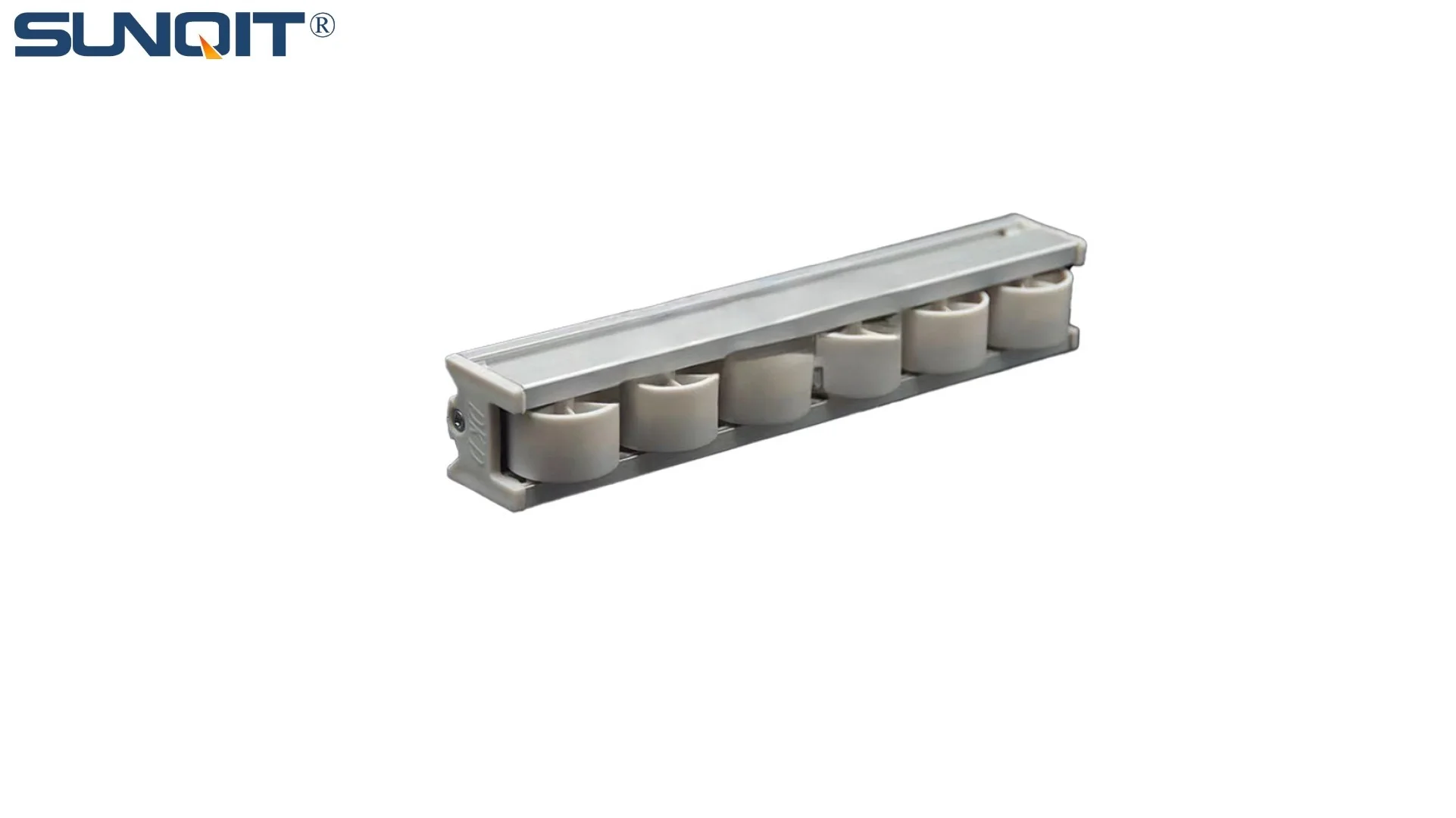
In the fast-paced world of manufacturing, warehousing, and logistics, every component in a workspace plays a silent but critical role in determining efficiency. Among these unsung heroes are roller tracks—simple in design yet transformative in function. They turn static workbenches into dynamic hubs, turn clunky material handling into seamless flow, and turn chaotic workflows into streamlined processes. Today, we're shining a spotlight on a specific star in this category: the 40 Aluminum Roller Track White. More than just a piece of hardware, it's a blend of engineering precision, material science, and intentional design—especially when it comes to its surface treatment and the strategic choice of white coating. Let's dive into why this seemingly small component has become a cornerstone in modern lean systems and workspace optimization.
Understanding the 40 Aluminum Roller Track: Beyond the Numbers
First things first: What does "40" mean in 40 Aluminum Roller Track? Unlike arbitrary model numbers, this designation is a clue to its design. The "40" refers to the width of the aluminum profile, typically measuring 40mm. This size strikes a sweet spot in the industry—broad enough to support substantial loads (often up to 50kg per linear meter, depending on the design) yet compact enough to integrate into tight spaces, from workbench edges to narrow material racks. It's a versatile middle ground, avoiding the bulk of larger profiles (like 60mm) while offering more stability than smaller options (like 20mm or 30mm).
But the 40mm profile is just the starting point. What truly sets this roller track apart is its construction material: aluminum. Not just any aluminum, though—we're talking about high-grade aluminum extrusion profile, the same material celebrated for its strength-to-weight ratio in everything from aerospace components to high-end furniture. Aluminum brings two key advantages to roller tracks: it's lightweight enough to be installed or reconfigured by a single person, and it's naturally resistant to corrosion, a must in environments where spills, humidity, or chemicals are part of the daily grind.
Fun Fact: The "extrusion" process is what gives aluminum profiles their precision. Heated aluminum billets are pushed through a die, forming the consistent, complex shapes (like the tracks and grooves that hold roller wheels) that make 40 Aluminum Roller Track so functional. This process ensures every unit is identical, which is critical for compatibility with roller track accessories.
Surface Treatment: The Foundation of Durability
Aluminum might be naturally corrosion-resistant, but raw aluminum isn't enough for industrial use. Without proper treatment, it can still scratch, stain, or dull over time—especially in high-traffic areas. That's where surface treatment comes in. The 40 Aluminum Roller Track White undergoes a multi-step process to prepare its surface before coating, ensuring the final product is both tough and long-lasting.
Step 1: Cleaning and Pre-Treatment
Before any coating is applied, the aluminum profile must be spotless. The process starts with degreasing—using alkaline solutions to strip away oils, dirt, or residues from the extrusion process. Next comes etching, where a mild acid (like phosphoric acid) is used to create a micro-rough texture on the aluminum surface. This might sound counterintuitive, but that texture gives the coating something to "grab onto," ensuring it adheres tightly and doesn't peel or chip.
Step 2: Anodizing (The Invisible Shield)
Many high-quality aluminum roller tracks, including the 40 series, undergo anodizing before coating. Anodizing is an electrochemical process that thickens the natural oxide layer on aluminum's surface. Think of it as turning the aluminum's own skin into a supercharged protective barrier. The result? A surface that's 30% harder than raw aluminum, highly resistant to scratches, and even more corrosion-proof. Anodizing also improves paint adhesion, making it the perfect precursor to the white coating that follows.
Step 3: Powder Coating (The Color and the Final Armor)
After anodizing, the roller track is ready for its white coating. Here, manufacturers use powder coating—a process where dry pigment particles are electrostatically charged and sprayed onto the surface. The track is then baked in an oven (typically at 180–200°C), melting the powder into a smooth, even film that bonds permanently to the anodized aluminum. Unlike liquid paint, powder coating contains no solvents, so it's more environmentally friendly and produces a thicker, more durable finish. For the 40 Aluminum Roller Track White, this step isn't just about aesthetics; it's the final layer of protection against the wear and tear of industrial life.
| Surface Treatment Step | Primary Benefit | Impact on Performance |
|---|---|---|
| Degreasing & Etching | Removes contaminants; creates texture for adhesion | Prevents coating failure (peeling, bubbling) |
| Anodizing | Thickens oxide layer; increases hardness | Resists scratches and corrosion |
| Powder Coating (White) | Adds color; seals surface from chemicals | Enhances visibility; simplifies cleaning; adds UV resistance |
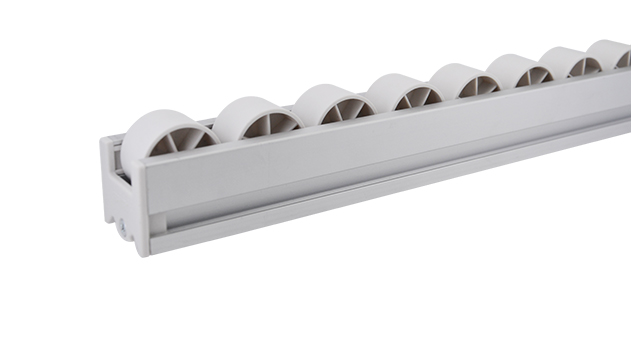
Why White? The Strategic Choice Behind the Color
Walk into any industrial supplier's catalog, and you'll find roller tracks in every color: grey, black, yellow, even blue. So why has white become such a popular choice, especially for 40 Aluminum Roller Track? It turns out, white is more than a design preference—it's a practical decision that impacts safety, efficiency, and workplace culture.
1. Visibility: Making Every Item Count
In busy work environments—think assembly lines where parts zip by, or warehouses during peak order fulfillment—visibility is everything. White roller tracks create a high-contrast background that makes items on the track stand out. A black component on a white track? Instantly noticeable. A small screw or washer that might blend into a grey or black track? Hard to miss on white. This might seem minor, but in industries where missing a part can halt production or lead to shipping errors, that extra visibility translates to fewer mistakes and faster workflows.
2. Cleanliness: The "Visual Hygiene" Effect
White has a unique psychological effect: it shows dirt. While that might sound like a downside, it's actually a hidden strength. In settings where cleanliness is critical—like electronics manufacturing (think ESD workstations) or food processing—white tracks act as a visual cue. A smudge, spill, or dust buildup is immediately obvious, prompting workers to clean it before it becomes a problem. This "visual hygiene" not only keeps the workspace cleaner but also reinforces a culture of care, where maintaining equipment and surfaces is second nature.
3. Light Reflection: Brightening the Workspace
Industrial spaces can be dim, especially large warehouses or factories with high ceilings. Dark-colored equipment absorbs light, making the area feel gloomier. White, by contrast, reflects light—both natural and artificial—brightening the workspace. This isn't just about mood; studies have shown that well-lit environments reduce eye strain, boost productivity, and even lower the risk of accidents. A white roller track might seem like a small contributor, but when multiplied across hundreds of meters of track, workbenches, and racks, it adds up to a noticeably brighter, more energetic space.
4. Brand Consistency: Fitting Into Modern Workspaces
Today's factories and offices aren't just functional—they're extensions of a company's brand. Many businesses opt for clean, modern aesthetics, and white fits seamlessly into this vision. Whether paired with aluminum profile workbenches, glass partitions, or colorful lean system accessories, white roller tracks don't clash; they complement. They're neutral enough to blend into any design scheme but crisp enough to feel intentional, avoiding the utilitarian "industrial" look that some darker colors evoke.

Beyond the Coating: The Hidden Benefits of 40 Aluminum Roller Track White
While the white coating gets a lot of attention, the 40 Aluminum Roller Track's value goes far beyond its color. Let's break down the practical advantages that make it a favorite among manufacturers, warehouse managers, and lean system designers.
Durability That Stands Up to the Grind
Between the anodized aluminum core and the powder coating, this roller track is built to last. It resists scratches from metal parts, dents from accidental impacts, and even chemical spills (common in automotive or pharmaceutical settings). Unlike plastic roller tracks, which can warp under heat or UV exposure, aluminum holds its shape, ensuring smooth rolling for years. And unlike uncoated steel, it won't rust or corrode, even in humid environments like food processing plants or coastal warehouses.
Easy Maintenance: More Work, Less Worry
In a busy operation, the last thing anyone has time for is high-maintenance equipment. The 40 Aluminum Roller Track White is designed for "set it and forget it" care. Cleaning is simple: a quick wipe with a damp cloth removes dust or spills. The powder coating resists fading, so even after years of sunlight exposure (near windows or in outdoor loading areas), the white stays bright. And because aluminum doesn't rust, there's no need for repainting or touch-ups—saving time and money on upkeep.
Compatibility with Aluminum Profile Accessories
One of the biggest advantages of aluminum roller tracks is their compatibility with the vast ecosystem of aluminum profile accessories. Need to connect two track sections? Use a roller track connector. Want to mount the track to a workbench or rack? Grab a roller track placon mount (like the Roller Track Placon Mount for Aluminum Profile High or Flat, depending on your setup). Need mobility? Add caster wheels to the base. This modularity is a cornerstone of lean systems, allowing businesses to start small and expand as needs change, or reconfigure layouts in hours instead of days.
Real-World Example: A mid-sized electronics manufacturer recently switched to 40 Aluminum Roller Track White on their assembly lines. By mounting the tracks to aluminum workbench surfaces and adding side guide rails, they reduced the time workers spent reaching for parts by 25%. The white coating made small components easier to spot, cutting down on errors, and the compatibility with existing aluminum profile accessories meant they didn't have to replace their entire setup—just upgrade the tracks. The result? A 15% boost in daily production, with fewer defects.
Eco-Friendly by Design
Sustainability isn't just a buzzword; it's a business imperative. Aluminum is 100% recyclable, and recycling it uses just 5% of the energy required to produce new aluminum. Unlike plastic roller tracks (which often end up in landfills), the 40 Aluminum Roller Track can be recycled at the end of its life, reducing a company's carbon footprint. Even the powder coating process is greener than traditional liquid painting, as it produces less waste and no volatile organic compounds (VOCs).

Applications: Where the 40 Aluminum Roller Track White Shines
This roller track isn't a one-trick pony. Its versatility makes it indispensable across industries. Here are just a few places you'll find it hard at work:
Workbenches: The Heart of the Operation
From assembly workbenches to packing stations, integrating 40 Aluminum Roller Track White into the surface or edges transforms static tables into dynamic workspaces. Workers can slide parts, tools, or finished products along the track with minimal effort, reducing fatigue and speeding up tasks. For example, a workbench in an automotive repair shop might use the track to move heavy engine components from one station to the next, while a fulfillment center could use it to slide packages to packing areas.
Material Racks: Organized and Accessible
Material racks (like the aforementioned 3-row, 3-floor designs) often use roller tracks to store and dispense bins or boxes. Gravity does the work here: the track is slightly inclined, so when a bin is removed from the front, the ones behind slide forward automatically. The white coating keeps the rack looking clean and organized, even in busy warehouses, and the visibility makes it easy to identify which bin contains which parts at a glance.
Conveyor Systems: Smooth Moves, All Day Long
In conveyor systems, 40 Aluminum Roller Track White is often used as a cost-effective alternative to motorized conveyors for short-distance transport. For example, between two assembly stations, a simple gravity conveyor made with these tracks can move products without electricity, reducing energy costs. The smooth-rolling design ensures items don't get stuck, and the white color makes jams (if they do occur) easier to spot and fix quickly.
Order Picking: Speed and Accuracy
In warehouses, order pickers need to move quickly and accurately. Roller tracks mounted on mobile carts or along picking shelves allow pickers to slide items directly into bins or totes, reducing the need to lift heavy objects. The white coating's light reflection also brightens picking areas, making barcodes and labels easier to read—cutting down on errors and speeding up the picking process.
Choosing the Right Supplier: Quality Matters
Not all 40 Aluminum Roller Track White products are created equal. The quality of the aluminum, the surface treatment process, and the powder coating can vary dramatically between suppliers. To ensure you're getting a track that lives up to its promises, look for suppliers who:
- Use high-grade aluminum extrusion profile (ask for material certifications).
- Detail their surface treatment process (anodizing thickness, powder coating milage).
- Offer samples so you can test durability and finish quality.
- Provide clear load capacity ratings and warranty information.
- Stock compatible accessories (connectors, mounts, guide rails) to simplify ordering.
Remember, a slightly cheaper track might save money upfront, but if it scratches easily, fades, or fails under load, it will cost more in replacements and downtime in the long run.
Conclusion: More Than a Track—A Tool for Better Work
The 40 Aluminum Roller Track White is a masterclass in thoughtful engineering. It starts with a versatile 40mm aluminum profile, with rigorous surface treatments (anodizing and powder coating) to balance strength and durability. The white coating, far from being a cosmetic choice, enhances visibility, cleanliness, and workspace brightness—all while fitting seamlessly into modern industrial design. Add in compatibility with aluminum profile accessories, easy maintenance, and eco-friendly credentials, and it's clear why this roller track has become a staple in lean systems, workbenches, and material handling setups worldwide.
At the end of the day, though, its greatest strength is how it empowers people. By reducing physical strain, speeding up workflows, and creating a cleaner, brighter workspace, it helps teams do their best work—one smooth roll at a time. Whether you're building a new production line, upgrading a warehouse, or simply looking to make your workbench more efficient, the 40 Aluminum Roller Track White isn't just a component. It's an investment in better, smarter, more human-centered work.