- Company Articles
- Products and Technology
- Product knowledge
- 40 Aluminum Roller Track White: Sustainable Choice for Green Manufacturing

40 Aluminum Roller Track White: Sustainable Choice for Green Manufacturing
Related Product
40 Aluminum Roller Track White
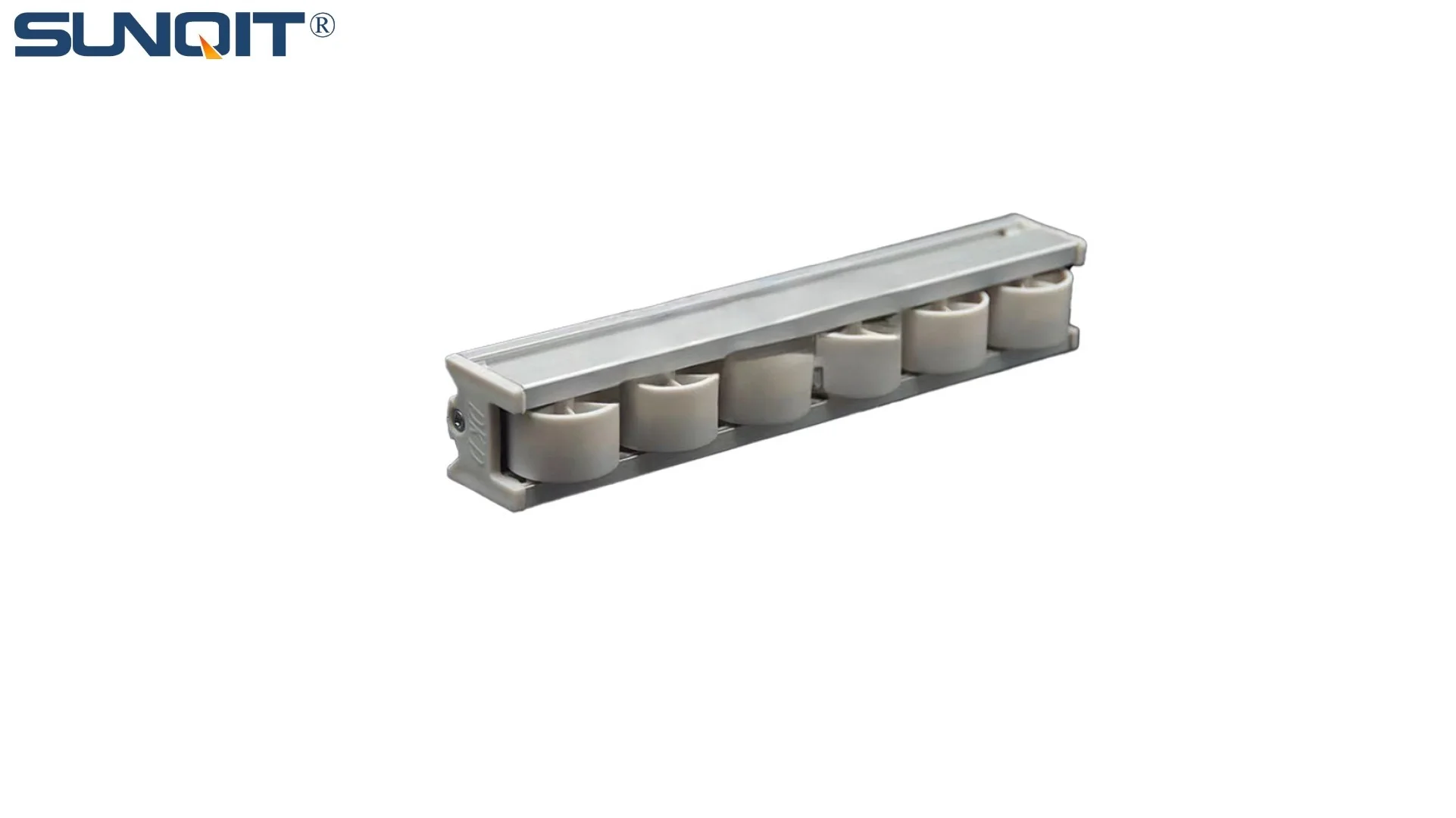
Durable and smooth-running modular roller rails. The system is fully assembled. The roller rail profile contains plastic rollers mounted on steel axles. Aluminum frame with plastic wheel make it anti corrosion,and material convey more smooth.
In an era where the phrase "sustainable manufacturing" has shifted from a buzzword to a business imperative, every component of the production line is under scrutiny. From energy consumption to waste generation, manufacturers worldwide are reevaluating their processes to align with environmental goals—without compromising on efficiency or productivity. One area that often flies under the radar, yet plays a critical role in material handling and workflow optimization, is the humble roller track. Specifically, the 40 Aluminum Roller Track White has emerged as a standout choice for facilities aiming to marry functionality with sustainability. But what makes this unassuming piece of equipment a linchpin in green manufacturing? Let's dive in.
The Quiet Revolution in Material Handling
Material handling is the backbone of any manufacturing operation. It's the invisible force that moves components from Point A to Point B, ensures assembly lines keep pace, and prevents bottlenecks that can grind production to a halt. Traditionally, this has relied on heavy steel tracks, plastic conveyors, or even wooden structures—materials that often come with hidden environmental costs. Steel, for instance, requires intensive mining and high energy inputs during production, while plastic tracks, though lightweight, are derived from fossil fuels and rarely recycled. This is where the 40 Aluminum Roller Track White steps in: a product designed not just to move goods, but to move the needle on sustainability.
Before we unpack its green credentials, let's clarify what exactly the 40 Aluminum Roller Track White is. At its core, it's a modular conveyor system component consisting of aluminum extrusion profiles—hollow, lightweight structures—fitted with white plastic or aluminum rollers. The "40" refers to its width (typically 40mm), making it versatile enough for small to medium-sized components, from electronics parts to automotive subassemblies. The "white" finish isn't just aesthetic; it's often a food-grade or low-friction coating that reduces wear and tear, extending the track's lifespan. But beyond its physical attributes, it's the material—aluminum—that sets it apart in the quest for sustainability.
Aluminum: The Green Metal Powering the Track
Aluminum is often hailed as the "sustainable metal," and for good reason. Unlike steel or plastic, aluminum is 100% recyclable, meaning it can be melted down and repurposed indefinitely without losing quality. In fact, recycling aluminum requires just 5% of the energy needed to produce it from raw bauxite ore—a statistic that alone makes it a champion of circular economy principles. For manufacturers, this translates to a material with a significantly lower carbon footprint over its lifecycle. When you choose a 40 Aluminum Roller Track White, you're not just investing in a piece of equipment; you're investing in a material that can be recycled at the end of its life, diverting waste from landfills and reducing reliance on virgin resources.
But recyclability is just one piece of the puzzle. Aluminum's inherent properties make it ideal for material handling. It's lightweight—about one-third the weight of steel—yet surprisingly strong, meaning it can support heavy loads without adding unnecessary bulk to the production line. This lightness reduces the energy required to install and maintain the tracks, as well as the strain on supporting structures like flow racks. Additionally, aluminum naturally resists corrosion, unlike steel, which often requires toxic coatings to prevent rust. This resistance means the 40 Aluminum Roller Track White can withstand harsh factory environments—humidity, chemicals, frequent cleaning—without degrading, leading to longer lifespans and fewer replacements. Fewer replacements mean less waste, lower costs, and a more stable production line over time.
Aluminum Extrusion Profile: Precision Meets Sustainability
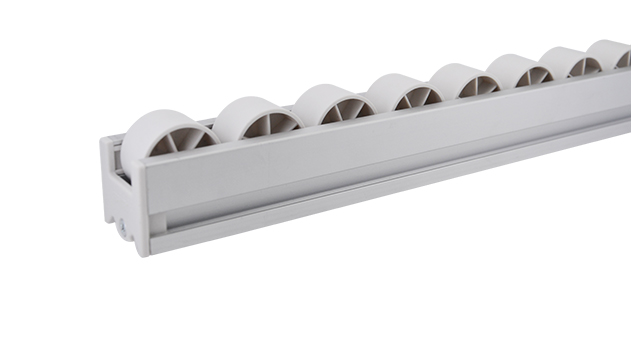
Central to the 40 Aluminum Roller Track White's design is the aluminum extrusion profile. Extrusion is a manufacturing process where aluminum is heated and forced through a die to create complex, uniform shapes—think of it like squeezing toothpaste through a tube, but on an industrial scale. This process is inherently efficient: it minimizes material waste, as the die ensures only the necessary amount of aluminum is used, and it allows for intricate designs that can be tailored to specific needs. For roller tracks, this means profiles with built-in channels for rollers, mounting points for accessories, and even T-slots for easy customization.
Compare this to steel tracks, which are often cut or welded into shape—a process that generates significant waste and requires additional energy for finishing. Plastic tracks, while extrudable, lack the structural integrity of aluminum, leading to frequent breakages and the need for more frequent replacements. The aluminum extrusion profile, by contrast, is a model of precision and sustainability. It allows manufacturers to create roller tracks that fit their exact workflow requirements—whether that's a straight line for assembly, a curved section for redirecting materials, or a incline for gravity-fed flow—without excess material or energy use. This level of customization is key to lean systems, where every square inch of the production floor is optimized for efficiency.
| Material | Recyclability | Energy Use (Production) | Durability | Weight (per meter) |
|---|---|---|---|---|
| Aluminum (40 Roller Track White) | 100% recyclable | Low (5% of virgin production for recycling) | High (corrosion-resistant, long lifespan) | ~1.2kg |
| Steel Track | Recyclable (~60% recycled content typical) | High (mining, smelting, welding) | High (but prone to corrosion without coating) | ~3.5kg |
| Plastic Track | Limited (often downcycled, not recycled) | High (derived from fossil fuels) | Low (prone to cracking, warping) | ~0.8kg |
The table above highlights the stark differences between aluminum, steel, and plastic tracks. While plastic is lighter, its poor durability and environmental impact make it a short-sighted choice. Steel, though strong, is heavy and energy-intensive. Aluminum, with its balance of recyclability, low energy use, durability, and lightweight design, emerges as the clear winner for sustainable manufacturing.

Integrating with Lean Systems: Waste Reduction in Action
Lean manufacturing is all about eliminating waste—whether that's time, materials, or energy. The 40 Aluminum Roller Track White aligns seamlessly with this philosophy, acting as a catalyst for efficiency. Let's start with flow: in lean systems, "flow" refers to the continuous movement of materials through the production process, minimizing stops and starts. Roller tracks, by design, enable smooth, gravity-fed or motorized movement of goods, reducing the need for manual handling. This not only cuts down on labor costs but also reduces the risk of human error and injury, which are significant sources of waste in traditional setups.
Take, for example, an electronics assembly line. Components like circuit boards need to move from soldering stations to testing areas quickly and without damage. A 40 Aluminum Roller Track White, with its smooth-rolling white wheels, ensures these delicate parts glide along the line, eliminating jams and reducing the chance of scratches or dents. This consistency in flow means fewer defective products, less rework, and a more predictable production schedule—all hallmarks of lean manufacturing.
Another lean principle is "just-in-time" (JIT) production, where materials arrive exactly when they're needed, not before. This reduces inventory costs and storage waste. Roller tracks excel here by enabling precise control over material movement. For instance, integrated with flow racks—structures that hold components and use gravity to feed them to workers—aluminum roller tracks ensure that the next part in the assembly sequence is always within reach. The lightweight nature of aluminum makes flow racks easier to reconfigure, allowing manufacturers to adapt to changing production needs without overhauling the entire system. This flexibility is crucial in today's fast-paced manufacturing landscape, where product lines often shift to meet market demands.

Flow Racks and Aluminum Profile Accessories: A Sustainable Ecosystem
The 40 Aluminum Roller Track White doesn't exist in isolation; it's part of a larger ecosystem of material handling equipment, including flow racks and aluminum profile accessories. Flow racks, which are designed to store and dispense materials using gravity, rely on roller tracks to function. By pairing aluminum roller tracks with aluminum flow racks—made from the same extrusion profiles—manufacturers create a fully integrated, sustainable system. Both components are lightweight, recyclable, and durable, ensuring that the entire setup has a minimal environmental impact.
Aluminum profile accessories further enhance this ecosystem. T-slot nuts, brackets, and connectors allow for easy assembly and modification of the track system. Need to add a side guide to prevent materials from slipping off? A simple aluminum bracket can be slid into the T-slot of the extrusion profile and secured with a nut—no welding or drilling required. This modularity means that as production needs change, the roller track system can evolve with them, rather than being discarded and replaced. For example, if a manufacturer switches from producing small parts to larger components, they can adjust the roller spacing or add extensions using compatible accessories, extending the life of the original track. This adaptability reduces waste and ensures that the initial investment in the 40 Aluminum Roller Track White continues to pay off for years.
Case Study: How a Automotive Supplier Cut Waste by 35% with Aluminum Roller Tracks
To put these benefits into perspective, let's look at a real-world example: a mid-sized automotive parts supplier in the Midwest. Prior to 2022, the company relied on steel roller tracks for moving engine components through its assembly line. The steel tracks were heavy, prone to rust despite regular painting, and difficult to reconfigure when the company introduced new part models. Each year, they replaced roughly 20% of their steel tracks due to corrosion or damage, generating over 500kg of steel waste annually. Additionally, the weight of the steel tracks made their flow racks unstable, requiring frequent repairs.
In early 2022, the company switched to 40 Aluminum Roller Track White, paired with aluminum flow racks and profile accessories. The results were striking: first, the weight of the track system was reduced by 60%, making the flow racks more stable and cutting installation time by half. Corrosion became a non-issue, eliminating the need for annual repainting and reducing track replacements to less than 5% per year. This translated to a 35% reduction in waste and a 20% drop in maintenance costs within the first year. Perhaps most notably, the aluminum tracks' modular design allowed the company to reconfigure their assembly line in just two days when they launched a new part model—compared to a week with the old steel system. This agility helped them meet tight production deadlines and gain a competitive edge in the market.
The Future of Green Manufacturing: Beyond the Track
As manufacturers continue to prioritize sustainability, the role of materials like aluminum will only grow. The 40 Aluminum Roller Track White is just one example of how small, intentional choices in equipment can have a ripple effect on a company's environmental footprint. Looking ahead, we can expect to see even more innovation in aluminum extrusion profiles—think integrated sensors for predictive maintenance, or recycled aluminum alloys with enhanced strength. There's also a push toward "closed-loop" systems, where manufacturers not only use recycled aluminum but also take responsibility for their old equipment, ensuring it's properly recycled and reintroduced into the supply chain.
Another trend is the rise of "circular manufacturing," where products are designed from the start with their end-of-life in mind. The 40 Aluminum Roller Track White embodies this: its modular design makes it easy to disassemble, and its aluminum components are infinitely recyclable. This stands in contrast to plastic tracks, which often end up in landfills, or steel tracks that require energy-intensive recycling processes. As more companies adopt circular principles, aluminum roller tracks will become a staple in green manufacturing, setting a standard for how material handling equipment should balance performance and planet.
Conclusion: Moving Toward a Sustainable Future—One Roller at a Time
The 40 Aluminum Roller Track White is more than just a piece of material handling equipment; it's a statement. It's a commitment to sustainability, efficiency, and innovation. In a world where every decision counts, choosing aluminum over traditional materials sends a clear message: that manufacturing can be both productive and planet-friendly. From its recyclable aluminum extrusion profile to its seamless integration with lean systems and flow racks, this roller track proves that sustainability doesn't have to come at the cost of performance—in fact, it often enhances it.
For manufacturers looking to reduce their environmental impact, the path forward is clear: start small. Evaluate your material handling systems, ask questions about the lifecycle of your equipment, and consider how components like the 40 Aluminum Roller Track White can make a difference. The benefits—lower costs, reduced waste, improved efficiency—are tangible, and the impact extends far beyond the factory floor. In the end, sustainable manufacturing isn't just about meeting regulations or pleasing customers; it's about building a future where production and the planet thrive together. And that future starts with choices like this one.