- Company Articles
- Products and Technology
- Product knowledge
- 40 Aluminum Roller Track White vs. Plastic: Environmental Impact Comparison

40 Aluminum Roller Track White vs. Plastic: Environmental Impact Comparison
Related Product
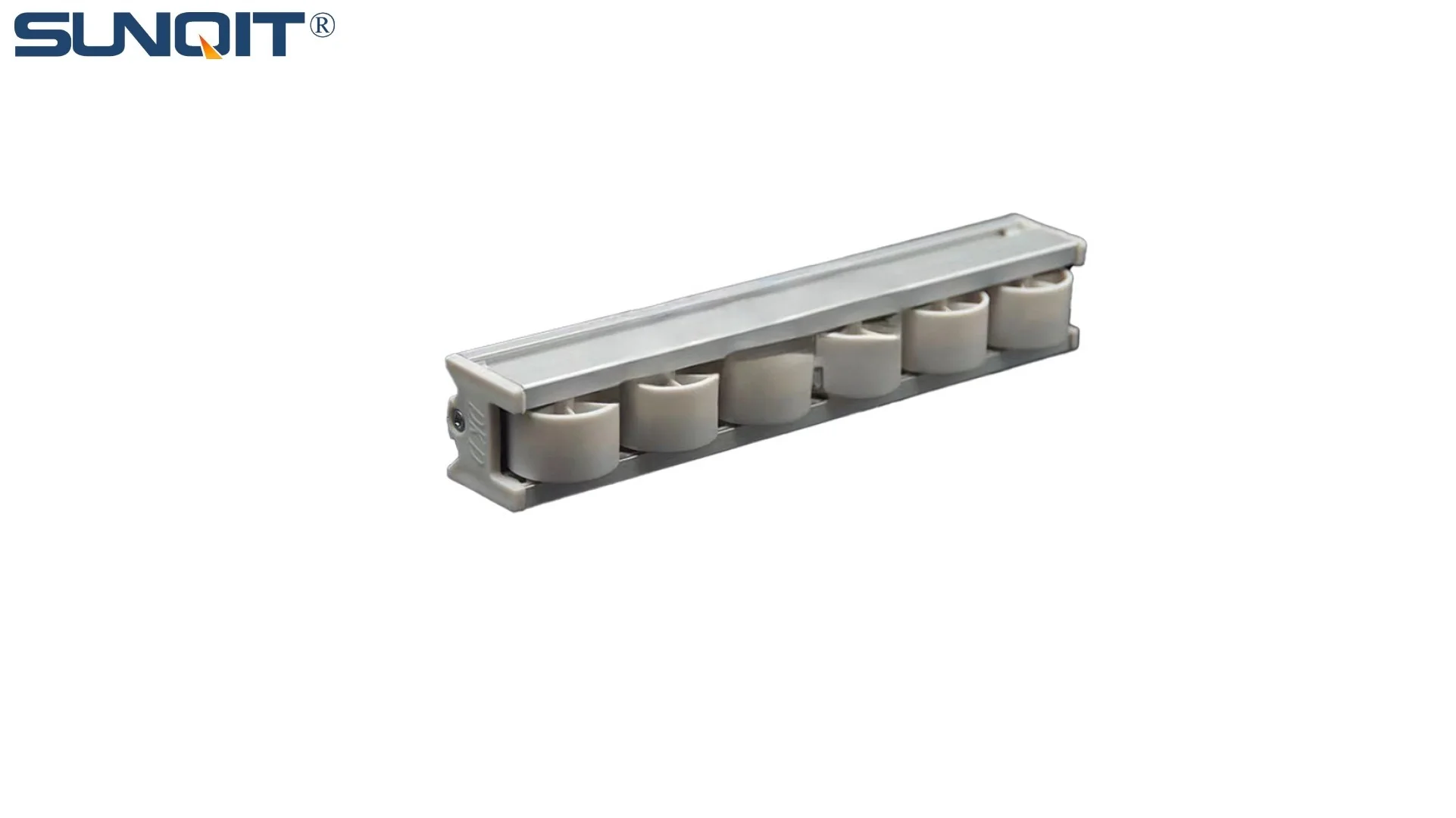
40 Aluminum Roller Track White
Durable and smooth-running modular roller rails. The system is fully assembled. The roller rail profile contains plastic rollers mounted on steel axles. Aluminum frame with plastic wheel make it anti corrosion,and material convey more smooth.
Exploring sustainability in industrial material handling—why the choice between aluminum and plastic matters for your operations and the planet
The Hidden Environmental Story Behind Your Factory's Roller Tracks
Walk through any manufacturing plant, warehouse, or assembly line, and you'll likely spot them: the unassuming roller tracks that keep materials moving, products flowing, and operations humming. These tracks—whether guiding components along an automotive assembly line or shuffling packages in a distribution center—are the unsung heroes of efficiency. But what if the choice between two common track materials—say, the sleek 40 Aluminum Roller Track White and the more budget-friendly Plastic Roller Track Guide Rail Grey —could impact not just your bottom line, but the health of the planet?
In today's industrial landscape, "sustainability" isn't just a buzzword; it's a business imperative. Companies worldwide are reevaluating every link in their supply chains, from raw materials to end-of-life disposal, to reduce carbon footprints and align with net-zero goals. For those invested in lean system principles—where waste reduction and efficiency are paramount—the materials used in day-to-day equipment like roller tracks play a surprisingly large role.
This article dives deep into the environmental showdown between two heavyweights in the roller track world: aluminum (specifically the 40 Aluminum Roller Track White , a popular choice for its durability and sleek design) and plastic (exemplified by the Plastic Roller Track Guide Rail Grey , often favored for its low upfront cost). We'll break down their lifecycles—from how they're made to how they're discarded—comparing energy use, emissions, recyclability, and long-term impact. By the end, you'll have a clearer picture of which material aligns with both your operational needs and your commitment to the planet.
Meet the Contenders: What Are These Roller Tracks, Anyway?
40 Aluminum Roller Track White: The Industrial Workhorse
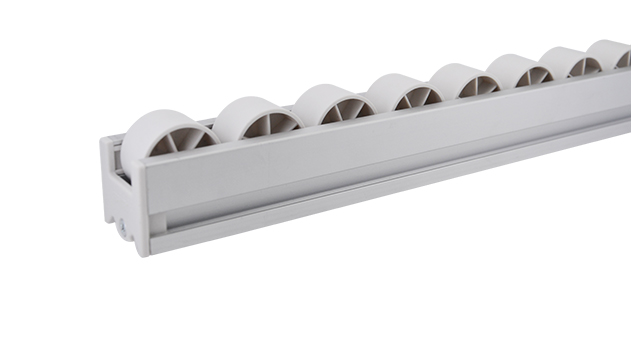
First up: the 40 Aluminum Roller Track White . If you've ever visited a high-efficiency production facility, you've probably seen this in action. Made from aluminum extrusion profile —a process where aluminum alloy is forced through a die to create precise, uniform shapes—this track is built to last. The "40" refers to its width (40mm), making it ideal for medium-to-heavy loads, from small parts bins to larger components. Its white finish isn't just for aesthetics; it often includes a protective coating that resists scratches and corrosion, ensuring it stays functional even in busy, high-moisture environments.
What sets aluminum roller tracks apart is their versatility. Thanks to the aluminum profile design, they're easy to customize with accessories like brackets, stops, or guides, fitting seamlessly into existing lean system setups. Whether you're building a gravity-fed flow rack, a conveyor system, or a workstation material delivery line, the 40 Aluminum Roller Track White adapts without skipping a beat.
Plastic Roller Track Guide Rail Grey: The Budget-Friendly Alternative
On the other side of the ring: the Plastic Roller Track Guide Rail Grey . As the name suggests, this track is made from plastic—typically high-density polyethylene (HDPE) or polypropylene (PP)—molded into a grey guide rail that supports roller balls or wheels. It's lightweight, inexpensive, and often marketed as a "quick fix" for low-load applications, like small parts sorting or temporary workstations.
Plastic tracks are popular in settings where upfront cost is a priority, or where the load requirements are minimal. Their grey color is practical, hiding minor scuffs and dirt, and they're easy to install with simple snap-on or bolt-on connectors. However, their lightweight nature comes with trade-offs: they're less rigid than aluminum, prone to warping under heat, and can crack under heavy or repeated stress.
Now that we know the basics, let's dig into the environmental nitty-gritty.
Lifecycle Showdown: From Cradle to Grave
To truly understand environmental impact, we need to look beyond the "green" label and examine the entire lifecycle of a product: how it's made, how it's used, and what happens when it's no longer needed. Let's break this down stage by stage for both materials.
Stage 1: Raw Material Extraction & Manufacturing
The story starts with raw materials—and here, aluminum and plastic take very different paths.
Aluminum: From Ore to Extrusion
Aluminum doesn't come from thin air. It starts as bauxite, a reddish ore mined primarily in Australia, Guinea, and China. Mining bauxite isn't without impact: it can disrupt ecosystems, cause soil erosion, and release greenhouse gases (GHGs) from heavy machinery. Once mined, bauxite is refined into alumina (aluminum oxide), a process that uses large amounts of energy and water, and produces a toxic byproduct called "red mud," which requires careful disposal.
But here's the twist: most aluminum used today isn't made from virgin bauxite. Thanks to its exceptional recyclability, over 75% of all aluminum ever produced is still in use today. When manufacturers opt for recycled aluminum (often called "secondary aluminum"), the environmental footprint plummets. Producing recycled aluminum uses just 5% of the energy required to make virgin aluminum and emits 95% less GHGs. For the 40 Aluminum Roller Track White , many suppliers now use recycled aluminum extrusion profile , turning old soda cans, car parts, and construction scraps into high-performance industrial tracks.
The extrusion process itself is also relatively efficient. Aluminum alloys are heated to around 500°C (far lower than the 1,500°C needed to melt iron for steel), and modern extrusion presses use energy-efficient motors and heat recovery systems. The result? A material that, while energy-intensive to produce from scratch, becomes remarkably sustainable when recycled.
Plastic: From Fossil Fuels to Injection Molding
Plastic's origin story is less encouraging. Most plastic roller tracks are made from petroleum-based polymers like HDPE or PP, which start as crude oil or natural gas—finite fossil fuels. Extracting these fuels involves drilling (onshore or offshore), which can lead to oil spills, habitat destruction, and methane emissions (a potent GHG). Refining crude oil into plastic resin further adds to the carbon footprint, with the plastic industry responsible for about 4% of global oil consumption annually.
Once the resin is produced, it's melted and injected into molds to create the Plastic Roller Track Guide Rail Grey . Injection molding is fast and cheap at scale, but it's energy-intensive: heating plastic to 200–300°C, maintaining high pressure, and cooling molds all require electricity, often from non-renewable sources. Unlike aluminum, plastic can't be easily recycled into the same high-quality product. Most recycled plastic is "downcycled" into lower-grade materials (like park benches or plastic lumber), and even then, only about 9% of all plastic ever produced has been recycled globally. The rest ends up in landfills, incinerators, or oceans, where it can take centuries to decompose, leaching microplastics into ecosystems.
Some plastic tracks are marketed as "recyclable," but in practice, their complex composition (often mixed with additives like colorants or UV stabilizers) makes them hard to process. Many end up in the trash, contributing to the ever-growing plastic waste crisis.
Stage 2: Transportation—Moving Materials Without Moving the Needle
Once manufactured, both aluminum and plastic tracks need to be shipped to factories, warehouses, or distributors. Here, aluminum's density works against it—aluminum is heavier than plastic, so transporting the same volume of tracks requires more fuel. However, aluminum's durability offsets this: a single aluminum track can replace multiple plastic tracks over time, meaning fewer shipments overall.
For example, if a plastic track needs replacement every 2–3 years, while an aluminum track lasts 10–15 years, the total transportation emissions for aluminum (one shipment) vs. plastic (5+ shipments) often favor aluminum in the long run. Plus, aluminum's stackability and uniform shape make it efficient to pack, reducing the number of trucks needed per order.
Stage 3: In-Use Performance—Durability = Less Waste
Now, let's talk about what happens once these tracks are installed. In a busy factory, equipment takes a beating—constant use, heavy loads, accidental bumps, and exposure to oils, chemicals, or moisture. How do aluminum and plastic hold up?
Aluminum: The Long Haul
The
40 Aluminum Roller Track White
is built for longevity. Aluminum's natural corrosion resistance means it won't rust, even in damp environments like food processing plants or outdoor loading docks. Its rigid
aluminum profile
design resists bending or warping under heavy loads, and the rollers (often made from steel or hard plastic) glide smoothly for years with minimal maintenance. A quick wipe-down with a damp cloth is usually all it takes to keep it clean.
In lean system terms, durability translates to less waste. No need to stockpile replacement tracks or halt production for repairs. This reliability is why industries like automotive, aerospace, and electronics—where downtime costs thousands per minute—often opt for aluminum.
Plastic: The Short Fuse
Plastic tracks, on the other hand, have a shorter lifespan. While HDPE and PP are tough, they're prone to UV degradation (fading and becoming brittle when exposed to sunlight), chemical damage (from oils or cleaning agents), and impact cracks. A dropped tool or a misaligned load can easily chip or break a plastic track, requiring immediate replacement. In high-temperature environments (like near ovens or welding stations), plastic can warp, causing jams in material flow—exactly what
lean system
managers aim to avoid.
Maintenance is also trickier. Plastic tracks can accumulate static electricity, attracting dust and debris that gum up rollers. They're harder to clean thoroughly, as harsh chemicals can degrade the plastic further. All this adds up to more frequent replacements, which means more waste and higher long-term costs—both financial and environmental.
Stage 4: End-of-Life—Recycling vs. Landfills
Every product reaches the end of its useful life. What happens next is where aluminum and plastic diverge dramatically.
Aluminum: Closing the Loop
When a
40 Aluminum Roller Track White
finally wears out (after 10, 15, or even 20 years), it doesn't become trash—it becomes a resource. Aluminum is 100% recyclable, with no loss in quality. The track can be melted down, purified, and extruded into a new track, a bicycle frame, or a soda can, starting the cycle anew. Even better, recycling aluminum takes just 60 days from collection to reprocessing. For manufacturers, this creates a circular economy: old tracks can be sold to scrap yards, offsetting the cost of new equipment, and suppliers can source recycled aluminum at stable prices, reducing reliance on volatile virgin material markets.
Plastic: A One-Way Ticket
Plastic tracks, unfortunately, face a bleaker fate. While some types of plastic are technically recyclable, the reality is far messier. The
Plastic Roller Track Guide Rail Grey
often contains additives like colorants (the grey pigment), UV stabilizers, or flame retardants, which contaminate recycling streams. Most recycling facilities can't process mixed or contaminated plastics, so these tracks end up in landfills or incinerators.
In landfills, plastic can take 450+ years to decompose, breaking down into microplastics that seep into soil and water. When incinerated, it releases CO2 and toxic fumes like dioxins, contributing to air pollution. Even "biodegradable" plastics often require industrial composting facilities to break down, which are scarce outside of urban areas. For most factories, discarding plastic tracks means adding to the 400 million tons of plastic waste produced globally each year.

By the Numbers: A Comparative Table
To visualize the environmental impact, let's put it all together in a table. We'll compare the 40 Aluminum Roller Track White (using recycled aluminum) and the Plastic Roller Track Guide Rail Grey (virgin plastic) across key lifecycle stages.
| Lifecycle Stage | 40 Aluminum Roller Track White (Recycled Aluminum) | Plastic Roller Track Guide Rail Grey (Virgin Plastic) | Key Takeaway |
|---|---|---|---|
| Raw Material Extraction | Uses recycled aluminum; minimal mining impact. 5% energy vs. virgin aluminum. | Relies on fossil fuels (crude oil/natural gas); high carbon emissions from extraction and refining. | Aluminum avoids fossil fuel use and reduces mining disruption. |
| Manufacturing | Extrusion process uses moderate energy; low emissions with recycled inputs. No toxic byproducts. | Injection molding requires high energy for melting plastic; releases GHGs and may produce toxic fumes. | Aluminum manufacturing is cleaner and more energy-efficient at scale. |
| Transportation | Heavier, but fewer shipments due to durability. Stackable for efficient packing. | Lightweight, but more frequent replacements require more total shipments over time. | Aluminum's longevity offsets higher initial transport costs. |
| In-Use Lifespan | 10–15+ years with minimal maintenance. | 2–5 years; prone to warping, cracking, and degradation. | Aluminum reduces replacement frequency by 70–80%. |
| End-of-Life | 100% recyclable; can be reused indefinitely with no quality loss. | 90%+ end up in landfills/incinerators; limited recycling options due to additives. | Aluminum supports circular economy; plastic creates long-term waste. |
| Carbon Footprint (Lifecycle) | Approx. 2–3 kg CO2e per meter of track. | Approx. 5–7 kg CO2e per meter of track (including replacements). | Aluminum reduces lifecycle emissions by ~50%. |
Case Study: How a Car Parts Manufacturer Cut Waste with Aluminum Tracks
Let's ground this in real-world impact. Consider a mid-sized automotive parts manufacturer in Ohio, USA, that recently switched from plastic to aluminum roller tracks. The company operated 10 assembly lines, each using 50 meters of Plastic Roller Track Guide Rail Grey to move component bins. Every 3 years, the plastic tracks warped or cracked, requiring full replacement—costing $15,000 per line ($150,000 total) and generating 2 tons of plastic waste.
In 2022, the plant manager, a proponent of lean system principles, decided to test the 40 Aluminum Roller Track White on one line. The upfront cost was higher—$30 per meter for aluminum vs. $15 per meter for plastic—but the results spoke for themselves. After 2 years, the aluminum track showed no signs of wear, and maintenance costs dropped by 80% (no more replacing cracked sections). Encouraged, the company replaced all 10 lines with aluminum tracks, investing $150,000 upfront but eliminating future replacement costs.
Environmentally, the impact was striking: Over a 15-year lifespan (the expected life of the aluminum tracks), the company avoided 10 tons of plastic waste (5 replacements × 2 tons) and reduced carbon emissions by an estimated 45 tons (calculated by comparing lifecycle CO2e of plastic vs. aluminum tracks). The plant also sold its old plastic tracks for recycling (though most ended up in landfills, a common reality), and plans to recycle the aluminum tracks once they reach end-of-life, closing the loop.
Today, the plant manager calls the switch "a no-brainer. We're saving money long-term, our lines run smoother, and we're finally walking the talk on sustainability."

Beyond the Tracks: Why This Choice Matters for Lean Systems
At this point, you might be thinking, "Okay, aluminum is better for the environment—but what does this have to do with lean system principles?" Great question. Lean manufacturing is all about eliminating waste—whether it's time, materials, or energy. Choosing aluminum roller tracks aligns perfectly with this philosophy in three key ways:
- Waste Reduction: Aluminum's durability means less waste from replacements, and its recyclability ensures end-of-life waste is minimized—directly tackling "defects" and "overproduction" (two of the eight wastes in lean).
- Efficiency: Aluminum tracks glide more smoothly than warped plastic ones, reducing jams and downtime. In a lean system , every minute saved is a minute added to value-creating work.
- Employee Engagement: Workers notice when their employer invests in sustainable, high-quality equipment. It signals that the company cares about more than profits, boosting morale and productivity.
In short, sustainable materials aren't just good for the planet—they're good for lean operations.
Conclusion: The Clear Winner for a Greener Future
When we weigh the evidence—the lifecycle analysis, the durability, the recyclability—it's clear that the 40 Aluminum Roller Track White outperforms the Plastic Roller Track Guide Rail Grey in nearly every environmental category. While plastic may have a lower upfront cost, its short lifespan, high maintenance needs, and poor end-of-life prospects make it a costly choice in the long run—for both your budget and the planet.
Aluminum, by contrast, offers a sustainable, circular solution. Made from recycled aluminum extrusion profile , it reduces reliance on fossil fuels and mining. Its durability cuts down on waste and maintenance, and its infinite recyclability ensures it never becomes trash. For companies committed to lean system principles and sustainability, aluminum roller tracks aren't just a purchase—they're an investment in a more efficient, responsible future.
So, the next time you're outfitting a production line or upgrading your material handling system, remember: the tracks beneath your products tell a story. Make sure it's one you're proud to share.