- Company Articles
- Products and Technology
- Product knowledge
- 40 Aluminum Roller Track Yellow Load Capacity: What You Need to Know

40 Aluminum Roller Track Yellow Load Capacity: What You Need to Know
Related Product
40 Aluminum Roller Track Yellow
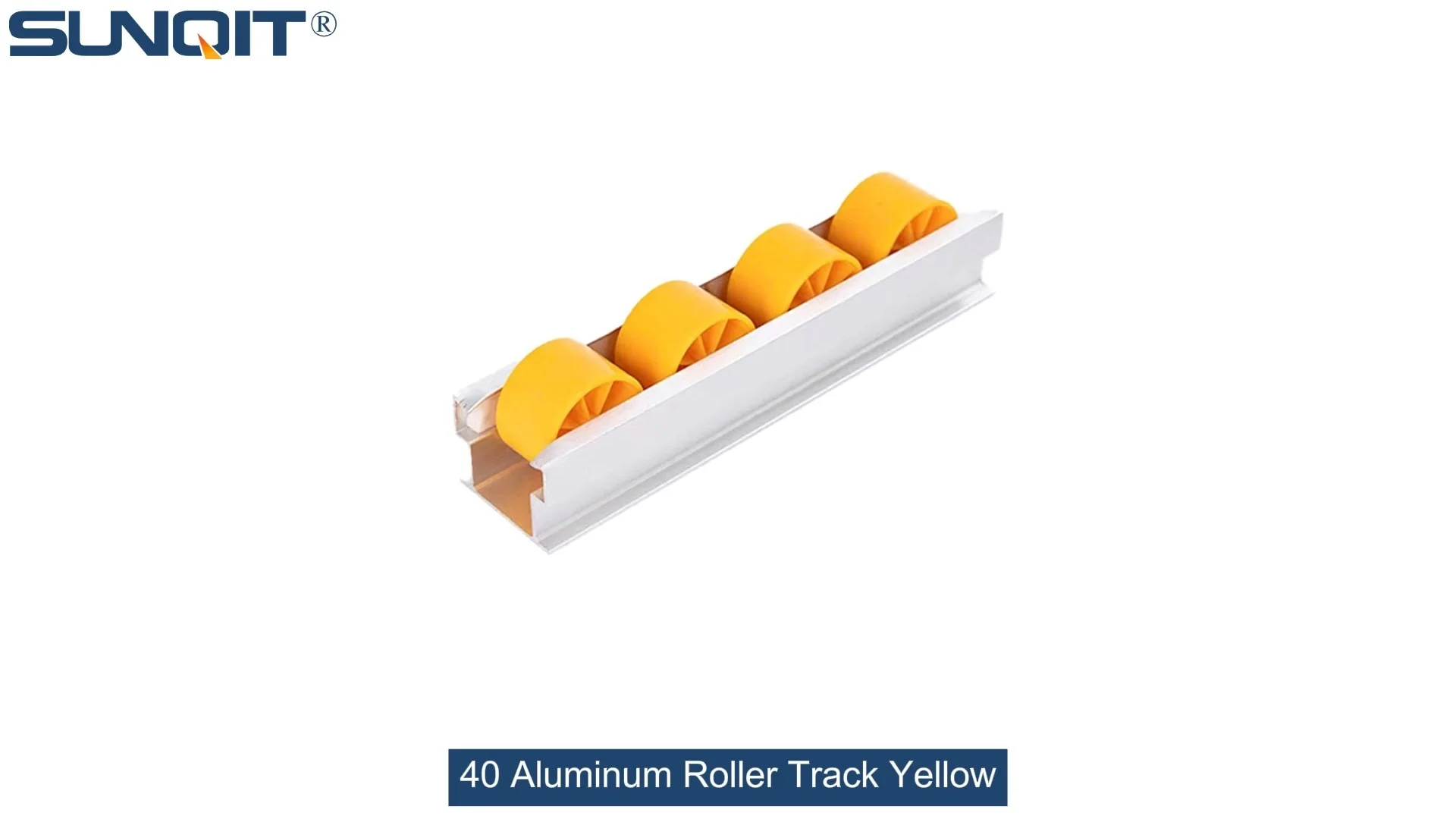
Durable and smooth-running modular roller rails. The system is fully assembled. The roller rail profile contains plastic rollers mounted on steel axles. Aluminum frame with plastic wheel make it anti corrosion,and material convey more smooth.
Have you ever wondered why some roller tracks hold up well under heavy boxes while others start to sag or jam? If you're in the manufacturing or warehouse business, the load capacity of your equipment isn't just a number—it's the backbone of your daily operations. Today, we're diving deep into one specific product that's been making waves in lean systems: the 40 Aluminum Roller Track Yellow. Whether you're setting up a new flow rack, upgrading a conveyor line, or building a custom lean pipe workbench, understanding its load capacity is crucial to keeping your workflow smooth and your products safe.
Let's start with the basics: what exactly is the 40 Aluminum Roller Track Yellow? It's a type of roller track made from aluminum profile, designed to help materials glide smoothly from one point to another. The "40" refers to its width (40mm), the "aluminum" tells you the material, and "yellow" is the color of its coating—often chosen for visibility or to meet specific workplace standards. But beyond its appearance, the real question is: how much weight can it handle? That's what we're here to answer today, along with everything else you need to know to make the right choice for your business.
Understanding Load Capacity Basics
Before we get into the specifics of the 40 Aluminum Roller Track Yellow, let's make sure we're on the same page about load capacity. Load capacity is the maximum weight a product can safely support without breaking, deforming, or losing functionality. It's not a random number; it's determined through rigorous testing and engineering calculations.
Several factors affect the load capacity of any roller track:
- Material Strength : Aluminum is lightweight but strong, especially when extruded into profiles that distribute weight evenly.
- Roller Design : The diameter of the rollers, their spacing, and the material they're made of (plastic vs steel) all play a role.
- Installation : How the track is mounted—whether it's attached to a sturdy frame (like an aluminum profile structure) or a weaker surface—can change how much weight it can hold.
- Usage : Are you placing heavy items all at once, or distributing weight evenly? Are the items sliding or being pushed? These daily use factors impact long-term capacity.
For the 40 Aluminum Roller Track Yellow, each of these factors is optimized to deliver reliable performance, but it's still important to know its limits to avoid costly mistakes.
Key Features of 40 Aluminum Roller Track Yellow
The 40 Aluminum Roller Track Yellow stands out for several reasons, and these features directly influence its load capacity:
- High-Quality Aluminum Profile : The track is made from extruded aluminum profile, which is known for its strength-to-weight ratio. This means it can support heavy loads without being too heavy to install or move.
- Optimized Roller Spacing : The rollers are spaced just right to ensure that even heavy items rest on multiple rollers at once, reducing stress on individual components.
- Durable Yellow Coating : The yellow coating isn't just for looks—it protects the aluminum from corrosion and wear, which helps maintain its load capacity over time.
- Compatibility with Lean Systems : This track is designed to work seamlessly with other lean components like flow racks, conveyors, and lean pipe workbenches. When integrated into a well-designed system, it can handle more weight because the load is distributed across the entire structure.
These features make it a popular choice for businesses looking to implement lean solutions in their warehouses or production lines.

Load Capacity Specifications
The load capacity of the 40 Aluminum Roller Track Yellow varies slightly depending on its length. Below is a table showing the recommended maximum load capacities for different track lengths under standard conditions:
| Track Length (mm) | Max Static Load Capacity (kg) | Max Dynamic Load Capacity (kg) |
|---|---|---|
| 500 | 200 | 150 |
| 1000 | 180 | 130 |
| 1500 | 160 | 110 |
| 2000 | 140 | 90 |
| 2500 | 120 | 70 |
| 3000 | 100 | 50 |
Note: Static load capacity refers to the weight the track can support when items are stationary. Dynamic load capacity refers to the weight it can handle when items are sliding or moving. These values are based on even weight distribution and proper installation. Always consult the product manual for exact specifications for your specific use case.

Real-World Applications
Where can you use the 40 Aluminum Roller Track Yellow? Let's look at some common scenarios:
Warehouse Flow Racks
Flow racks are a staple in lean warehouses, and the 40 Aluminum Roller Track Yellow is perfect for them. When used in a flow rack, the track allows boxes to slide from the back to the front, making picking easier. The load capacity ensures that even heavy inventory (like automotive parts or medical equipment) can be stored safely. For example, a warehouse storing large boxes of industrial tools can use this track to create a flow rack that holds up to 180kg per 1000mm section, reducing the need for manual lifting and speeding up order fulfillment.
Production Line Conveyors
In manufacturing, conveyors move parts from one station to another. This roller track is often part of conveyor systems, especially in 3C assembly lines where precision and reliability are key. Its load capacity supports the weight of electronic components and assembly tools. A smartphone factory might use this track in a conveyor line to move component trays between soldering and testing stations, ensuring that each tray (weighing up to 130kg for a 1000mm track) glides smoothly without jamming.
Lean Pipe Workbenches
Workbenches used in production need to hold tools, parts, and sometimes heavy equipment. Integrating the 40 Aluminum Roller Track Yellow into a lean pipe workbench creates a sliding surface for materials, reducing the need for manual lifting and improving efficiency. A mechanic's workbench might use this track to slide heavy engine parts from one side to another, with the track supporting up to 200kg for a 500mm section.
Custom Lean Solutions
For businesses with unique needs—like medical device manufacturers who require clean, organized spaces—the 40 Aluminum Roller Track Yellow can be part of a custom solution. Its compatibility with aluminum profile accessories allows for flexible designs that meet specific load requirements. A medical equipment manufacturer might use this track in a custom workstation to move sterile components between assembly stations, ensuring that the track's load capacity supports the weight of delicate instruments while maintaining a clean environment.
These applications show how versatile this roller track is, and why its load capacity is such an important consideration for so many industries.

How to Choose the Right 40 Aluminum Roller Track Yellow
Choosing the right 40 Aluminum Roller Track Yellow starts with understanding your needs. Here's a step-by-step guide:
- Calculate Your Load Requirements : First, figure out the maximum weight of the items you'll be moving or storing. If you're using it in a flow rack, consider the heaviest box you'll place on it. For conveyors, think about the weight of the parts plus any fixtures. Add a 10-20% buffer to ensure you don't exceed the track's capacity.
- Check the Length : As the table earlier shows, longer tracks have slightly lower load capacities. So if you need a long track, make sure it can handle your load. For example, if you need a 2000mm track and your load is 150kg, you might need to use two 1000mm tracks instead, as each 1000mm track can hold up to 180kg.
- Consider the Environment : Do you work in an ESD-sensitive area (like electronics manufacturing)? If so, you might want to pair this track with an ESD workbench to prevent static damage. While the yellow track itself isn't ESD-rated, it can be integrated into ESD systems by using ESD-compatible accessories.
- Evaluate Compatibility : Will the track fit with your existing equipment? If you already have aluminum profile structures, ensure the track's mounting holes match your profile's T-slots. For example, if your existing frames use 4040 aluminum profiles, the track should have mounting brackets that fit into the 40mm T-slots.
- Think About Future Needs : Are you planning to expand your system later? Choosing a track with a higher load capacity than you currently need can save you from having to replace it down the line. For example, if you currently need to hold 100kg, choosing a track that can hold 150kg gives you room to grow.
By taking these steps, you can ensure that the 40 Aluminum Roller Track Yellow you choose will meet your needs now and in the future.
Installation Tips to Maximize Load Capacity
Proper installation is key to getting the most out of your 40 Aluminum Roller Track Yellow's load capacity. Here are some tips:
- Use Sturdy Mounting : Attach the track to a strong frame, preferably made of aluminum profile. Weak frames will limit the track's ability to hold weight. For example, mounting the track to a 4040 aluminum profile frame ensures that the frame can support the track's load capacity.
- Align Tracks Correctly : If you're using multiple tracks side by side, make sure they're perfectly aligned. Misaligned tracks can cause items to get stuck, putting extra stress on the track and reducing capacity. Use a level to ensure each track is straight and even.
- Secure Rollers : Check that all rollers are tightly fastened. Loose rollers can shift under load, leading to uneven weight distribution. Tighten the roller axles with a wrench to ensure they don't move.
- Distribute Weight Evenly : When placing items on the track, spread them out as much as possible. Concentrated weight can damage the track over time. For example, placing a single heavy box in the middle of a 2000mm track can cause sagging, while distributing the weight across multiple boxes reduces stress.
- Use the Right Accessories : Use aluminum profile accessories like brackets and connectors to reinforce the track. For example, using a 40 fluent flat joint can help connect tracks securely, improving load distribution. Adding end stops to the track can prevent items from falling off, reducing the risk of damage.
Following these tips will not only maximize load capacity but also extend the life of your roller track.
Maintenance Practices to Preserve Load Capacity
To keep your 40 Aluminum Roller Track Yellow performing at its best, regular maintenance is essential. Here's what you should do:
- Clean Regularly : Dust and debris can get stuck between rollers, causing friction and reducing efficiency. Wipe the track with a clean cloth every week to remove buildup. For stubborn debris, use a soft brush to gently scrub between the rollers.
- Lubricate Rollers : Every three months, apply a small amount of lubricant to the rollers to keep them sliding smoothly. Use a light machine oil or silicone lubricant—avoid heavy oils that can attract dust. Apply a drop to each roller's axle, then roll the roller back and forth to distribute the lubricant evenly.
- Inspect for Wear : Check the track and rollers for signs of damage every month. Look for bent aluminum, cracked rollers, or loose fasteners. If you find any damage, replace the affected parts immediately to prevent further issues. For example, a cracked roller can cause uneven weight distribution, leading to reduced load capacity.
- Tighten Fasteners : Over time, screws and bolts can loosen. Periodically check and tighten all mounting hardware to ensure the track stays secure. Use a torque wrench to tighten bolts to the manufacturer's recommended torque settings.
- Avoid Overloading : Even though the track has a high load capacity, consistently exceeding its limits will shorten its lifespan. Stick to the recommended weight limits. For example, if the track is rated for 180kg per 1000mm section, don't place a 200kg box on it.
By taking care of your roller track, you can ensure it continues to support your operations for years to come.
Comparing with Other Roller Track Types
How does the 40 Aluminum Roller Track Yellow compare to other roller tracks? Let's look at a few common alternatives:
Stainless Steel Roller Tracks
Stainless steel is more corrosion-resistant than aluminum, but it's heavier and more expensive. The 40 Aluminum Roller Track Yellow is lighter, making it easier to install, and its yellow coating provides good corrosion protection for most environments. For example, in a warehouse with moderate humidity, the yellow aluminum track will perform just as well as stainless steel but at a lower cost.
38mm Aluminum Roller Tracks
38mm tracks are narrower than 40mm ones. They have a lower load capacity—typically up to 150kg per 1000mm section—so if you need to support heavier items, the 40mm track is a better choice. A factory producing heavy machinery parts would benefit from the 40mm track's higher load capacity, while a small electronics workshop might use the 38mm track for lighter components.
Grey Aluminum Roller Tracks
Grey tracks are similar in load capacity to yellow ones, but the yellow color is often preferred for visibility—helping workers see the track clearly and avoid mistakes. In a busy production line, the yellow track stands out against the surrounding equipment, reducing the risk of items being placed off-track.
Plastic Roller Tracks
Plastic tracks are cheaper than aluminum ones, but they have a much lower load capacity (usually up to 50kg per 1000mm section). They're best for light items like small boxes or documents. The 40 Aluminum Roller Track Yellow is a better choice for heavy-duty applications where strength and durability are important.
Each type has its pros and cons, but the 40 Aluminum Roller Track Yellow strikes a balance between strength, weight, cost, and visibility that makes it a top choice for many businesses.
Lean Solution Integration
Lean manufacturing is all about eliminating waste and improving efficiency, and the 40 Aluminum Roller Track Yellow is a key component of many lean solutions. Here's how it contributes:
- Flexibility : The track can be easily reconfigured as your needs change. If you need to adjust your flow rack or conveyor line, you can move the track without having to replace the entire system. For example, a factory that switches from producing one product to another can reconfigure its conveyor line using the same tracks, saving time and money.
- Continuous Improvement : Because it's reusable and adaptable, you can make small changes to your setup over time to improve workflow—aligning with the lean principle of continuous improvement. A warehouse might start with a small flow rack and add more tracks as inventory grows, optimizing the layout for maximum efficiency.
- Reduced Waste : By using the track in flow racks, you minimize the need for manual handling, which reduces the risk of damage to products and injuries to workers. This leads to less waste and higher productivity. A distribution center using this track in its flow racks might see a 20% reduction in product damage due to fewer manual transfers.
- Sustainability : Aluminum is recyclable, so when you're done with the track, it can be repurposed—supporting the lean of sustainability. Unlike plastic tracks, which often end up in landfills, aluminum tracks can be melted down and reused to make new products.
Integrating the 40 Aluminum Roller Track Yellow into your lean system isn't just about load capacity; it's about building a more efficient, flexible, and sustainable operation.
Common Misconceptions
There are a few common misconceptions about the 40 Aluminum Roller Track Yellow's load capacity that we should clear up:
- "All roller tracks are the same" : No, different materials, sizes, and designs lead to different load capacities. The 40 Aluminum Roller Track Yellow is specifically engineered for strength, so don't assume it's the same as a cheaper plastic track. Always check the product specifications before purchasing.
- "Longer tracks can hold more weight" : Actually, longer tracks have slightly lower load capacities because the weight is spread over a larger area. A 3000mm track can hold up to 100kg, while a 500mm track can hold up to 200kg. So if you need to support heavy items, shorter tracks are better.
- "You can exceed the load capacity occasionally" : Even occasional overloading can cause permanent damage to the track, reducing its capacity over time. A single instance of placing a 200kg box on a 180kg-rated track can bend the aluminum, leading to reduced performance in the future.
- "ESD-rated tracks are the only ones for electronics" : While ESD workbenches are important in electronics manufacturing, the 40 Aluminum Roller Track Yellow can be used in these areas as long as it's part of a complete ESD system. Using ESD-compatible casters or grounding straps with the track can prevent static buildup.
Clearing up these misconceptions helps you make informed decisions and get the most out of your equipment.
Conclusion
The 40 Aluminum Roller Track Yellow is a versatile, reliable product that plays a crucial role in lean systems across industries. Its load capacity—ranging from 50kg to 200kg depending on length—makes it suitable for a wide range of applications, from warehouse flow racks to production line conveyors.
By understanding its load capacity, key features, and how to install and maintain it properly, you can ensure that this track supports your operations efficiently and effectively. Whether you're building a new lean system or upgrading an existing one, the 40 Aluminum Roller Track Yellow is a smart choice that balances strength, flexibility, and value.
So next time you're looking for a roller track that can handle heavy loads while fitting into your lean solution, remember the 40 Aluminum Roller Track Yellow. Its load capacity, combined with its other features, makes it a top choice for businesses looking to improve their workflow and bottom line.