- Company Articles
- Products and Technology
- Product knowledge
- 40 Aluminum Roller Track Yellow with Lean Tube Connectors: Building a Complete System

40 Aluminum Roller Track Yellow with Lean Tube Connectors: Building a Complete System
Related Product
40 Aluminum Roller Track Yellow
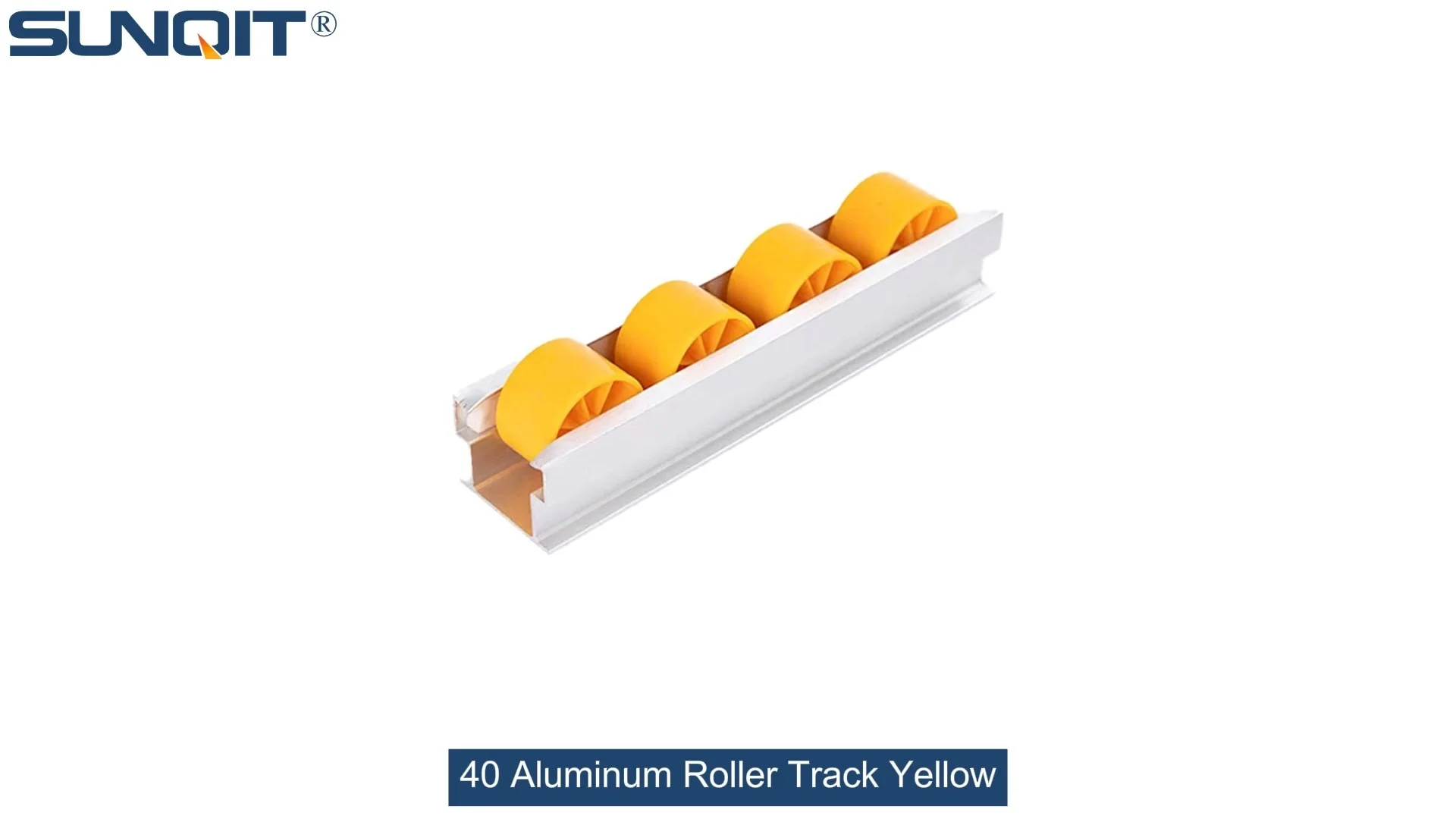
Durable and smooth-running modular roller rails. The system is fully assembled. The roller rail profile contains plastic rollers mounted on steel axles. Aluminum frame with plastic wheel make it anti corrosion,and material convey more smooth.
In the fast-paced world of manufacturing and logistics, efficiency is everything. A well-designed lean system can transform your workflow, reduce waste, and boost productivity. Today, we're diving deep into building a complete system using 40 Aluminum Roller Track Yellow and lean tube connectors—two core components that form the backbone of flexible, scalable solutions. Whether you're setting up a production line, organizing a warehouse, or optimizing an assembly station, this combination offers the versatility and durability you need to stay ahead.
Key Components for Your Complete System
To build a robust lean system, you need the right parts working together seamlessly. Let's break down the essential components, starting with our star: the 40 Aluminum Roller Track Yellow.
40 Aluminum Roller Track Yellow
This track is a workhorse in material handling. Its bright yellow color makes it easy to spot, and the aluminum construction ensures it's lightweight yet strong enough to handle heavy loads. The rollers are designed for smooth movement, reducing friction and making it ideal for flow racks and conveyors. Whether you're moving boxes, parts, or products, this track keeps things rolling efficiently. The aluminum material is resistant to corrosion, so it holds up well in both dry and slightly humid environments, making it suitable for a wide range of industries from automotive to medical.
Lean Tube Connectors
Lean tube connectors are the glue that holds your system together. These versatile pieces allow you to connect lean pipes at various angles—90°, 45°, 135°, and more—creating custom structures like workbenches, shelves, frames, and even entire production lines. Made from durable materials like steel or aluminum, they ensure stability while still allowing for adjustments. If you need to reconfigure your setup next month or next year, these connectors make it easy without requiring special tools or extensive disassembly. This adaptability is what makes lean systems so powerful for businesses that need to pivot quickly.
Other Essential Accessories
No system is complete without the right extras. Casters and caster accessories let you make your structures mobile, so you can rearrange your workspace quickly to accommodate new projects or seasonal demands. Aluminum profile accessories add strength and functionality—things like end caps to protect against sharp edges, rubber strips to reduce noise, and brackets to attach additional components. Workbenches and turnover trolleys provide dedicated spaces for assembly or storage; for example, a lean pipe workbench with an ESD (electrostatic discharge) surface is perfect for handling sensitive electronic parts in 3C assembly lines. Let's not forget flow racks, which use the roller tracks to create a first-in-first-out (FIFO) system, keeping your inventory organized and accessible while minimizing the risk of expired or obsolete stock.
Step-by-Step Assembly Guide: Building Your System
Assembling a lean system with 40 Aluminum Roller Track Yellow and lean tube connectors is straightforward, but careful planning ensures success. Here's a step-by-step guide, along with a parts list to get you started on a basic flow rack system—one of the most common applications for these components.
| Component | Quantity | Function |
|---|---|---|
| 40 Aluminum Roller Track Yellow (1200mm) | 6 | Main tracks for material flow (3 rows per side) |
| Lean Tube Connectors (90°) | 12 | Connect vertical and horizontal lean pipes at corners |
| Basic Aluminum Tube (1.2mm thickness, 1000mm) | 8 | Frame structure: 4 for base, 4 for vertical supports |
| Basic Aluminum Tube (1.2mm thickness, 1500mm) | 4 | Horizontal beams to support roller tracks |
| Caster Wheels (Heavy-duty with brake) | 4 | Make the rack mobile for easy repositioning |
| Aluminum Profile End Caps (2020 size) | 16 | Protect ends of aluminum tubes from scratches and dust |
| Flow Rack Brackets | 12 | Attach roller tracks to horizontal beams securely |
Assembly Steps:
1. Plan Your Design: Sketch out your desired flow rack dimensions based on the space available and the size of the items you'll be storing. Consider the height—you want it to be ergonomic for workers to access without bending too much or reaching too high. Measure the area where the rack will go to ensure it fits perfectly.
2. Build the Base: Start with the four 1000mm basic aluminum tubes for the base. Use 90° lean tube connectors to join them into a rectangle. Make sure the corners are square—you can use a level to check. This base will support the entire structure, so it needs to be stable.
3. Add Vertical Supports: Attach the four vertical 1000mm aluminum tubes to the corners of the base using 90° connectors. Again, check for plumbness to ensure the rack doesn't lean. If you're using a mobile system, now is the time to attach the caster wheels to the bottom of the base tubes. Tighten them securely to prevent wobbling.
4. Install Horizontal Beams: Place the 1500mm aluminum tubes horizontally between the vertical supports at the desired heights for your flow rows. For a 3-level rack, you'll need three sets of horizontal beams. Use 90° connectors to fix them in place. Make sure each level is parallel to the one below.
5. Attach Roller Tracks: Use flow rack brackets to mount the 40 Aluminum Roller Track Yellow onto the horizontal beams. Space the brackets evenly along the track to distribute weight properly. Ensure the tracks are sloped slightly downward (about 5-10 degrees) to allow gravity to move items forward—this is key for FIFO flow. Test a few items on the track to make sure they move smoothly without getting stuck.
6. Add Finishing Touches: Snap the aluminum profile end caps onto the ends of all tubes to give the rack a clean look and protect workers from sharp edges. If you want to add dividers between rows, use additional lean tube connectors and small pieces of aluminum tube to create partitions. This helps keep items separated and organized.
7. Test and Adjust: Once fully assembled, load the rack with your actual items to test its stability and capacity. Check if the casters roll smoothly (if using) and if the brakes hold when engaged. If any part feels wobbly, tighten the connectors or add additional supports. Adjust the slope of the roller tracks if items are moving too fast or too slow—you can add shims under the brackets to fine-tune the angle.

Applications Across Industries: Where This System Shines
The beauty of a lean system built with 40 Aluminum Roller Track Yellow and lean tube connectors is its versatility. It works across a wide range of industries, solving unique challenges each time. Let's explore some of the most common use cases:
3C Assembly (Consumer Electronics)
In the fast-changing world of consumer electronics—think smartphones, laptops, tablets—flexibility is non-negotiable. New models are released every few months, and assembly lines need to adapt quickly. A lean system using these components allows you to reconfigure workstations in hours, not days. Flow racks keep components like circuit boards, batteries, and screens organized and within easy reach of assemblers. ESD workbenches (equipped with electrostatic discharge surfaces) prevent static damage to sensitive parts, which is critical in this industry. The ability to move entire stations with casters means you can rearrange your line to optimize workflow as new products are introduced.
Medical Equipment Manufacturing
Precision and cleanliness are paramount in medical device production. The aluminum components are easy to sanitize, making them ideal for environments where hygiene is a top priority. The customizable system can be adapted to handle small, delicate parts like surgical instruments or larger items like diagnostic machines. Lean tube workstations with adjustable heights ensure workers maintain proper posture, reducing the risk of repetitive strain injuries. Flow racks keep sterile components organized and ensure they're used in the correct order, which is essential for compliance with strict medical regulations. Additionally, the system's reusability aligns with the medical industry's focus on sustainability and reducing waste.
Warehousing and Logistics
In warehouses, space is at a premium, and efficiency directly impacts the bottom line. Flow racks built with 40 Aluminum Roller Track Yellow maximize vertical space and keep inventory accessible. They're perfect for picking stations—workers can grab items from the front as they're replenished from the back, ensuring FIFO and reducing the chance of stock becoming outdated. Conveyors using these tracks move goods from receiving to storage or from storage to shipping without manual lifting, cutting down on labor costs and the risk of workplace injuries. Mobile turnover trolleys with roller tracks make it easy to transport batches of items across the warehouse, streamlining operations.
Automotive and Aerospace
These industries require heavy-duty solutions that can handle large, bulky parts. The durable aluminum tracks and strong lean tube connectors support the weight of engine components, body panels, and aerospace parts without bending or breaking. The system's adaptability means you can adjust your setup as production needs change—for example, adding more racks during peak seasons or reconfiguring assembly lines for new vehicle models. Conveyors using 40 Aluminum Roller Track Yellow move parts along the production line, ensuring each step is completed efficiently. Lean tube workbenches with tool holders keep essential equipment within reach, reducing downtime and improving productivity.

Benefits of Your Complete Lean System
Why choose this combination for your next project? Let's look at the key benefits that make it a smart investment for any business:
Flexibility and Scalability
Lean tube connectors allow you to modify your system anytime. Need to add more shelves to a rack? Extend a conveyor by a few feet? Rearrange an assembly line for a new product? It's all possible with minimal effort. This scalability means your system grows with your business—you don't have to invest in a completely new setup every time your needs change. For startups and small businesses, this is a game-changer, as it allows them to start small and expand as they grow.
Durability and Longevity
Aluminum is known for its strength-to-weight ratio and resistance to rust and corrosion. The 40 Aluminum Roller Track Yellow is built to withstand constant use, even in high-traffic environments. Lean tube connectors are made from heavy-duty materials that hold up under pressure. This durability translates to a lower total cost of ownership over time—you won't have to replace parts as frequently as you would with cheaper, less robust systems. The reusable nature of the components also means you can repurpose them for new projects, further extending their lifespan.
Waste Reduction
A lean system is all about eliminating waste—whether it's time, materials, or space. Flow racks ensure FIFO inventory management, reducing overstock and spoilage. The reusable components mean you don't have to buy new parts every time you reconfigure, cutting down on material waste. The efficient layout of the system reduces the time workers spend searching for parts or moving items, minimizing labor waste. All these factors contribute to a more sustainable operation, which is not only good for the planet but also for your bottom line.
Improved Productivity
With everything in its place and easy to access, workers spend less time searching for parts and more time producing. Smooth-moving roller tracks reduce bottlenecks in material handling, ensuring a steady flow of items through the production line. Ergonomic workbenches with adjustable heights keep employees comfortable, reducing fatigue and improving focus. Mobile systems allow for quick reconfiguration, so you can adapt to changes in demand without losing productivity. All these improvements add up to a more efficient workflow and higher output.

Customization Options: Tailored to Your Needs
Every business is unique, so your lean system should be too. The supplier offers a range of customization options designed to fit your specific industry and workflow. Let's explore some of the ways you can tailor the system to your needs:
Industry-Specific Designs
The supplier has experience working with a wide range of industries and can create designs that meet the unique requirements of each. For example, in the medical industry, they can design ESD workstations with sterile surfaces and easy-to-clean components. In the automotive industry, they can create heavy-duty conveyors and racks that handle large parts. For 3C assembly, they offer flexible workstations that can be quickly reconfigured for new products. Whatever your industry, the team will work with you to understand your challenges and design a solution that addresses them.
Bespoke Configurations
If you have a specific vision for your system, the supplier can bring it to life. They use 3D modeling software to create a detailed rendering of your setup before production, allowing you to see exactly how it will look and function. This ensures there are no surprises when the components arrive. Whether you need a custom-sized flow rack, a unique conveyor layout, or a workstation with specific accessories, the team can design and build it for you. They also offer prototyping services, so you can test a small version of the system before committing to a full-scale implementation.
Wholesale and Bulk Options
For manufacturers, distributors, or businesses that need multiple systems, wholesale options are available. You can buy components like lean pipes, roller tracks, connectors, and workbenches in bulk at discounted prices. This is ideal for businesses that want to stock up on parts to quickly assemble or reconfigure systems as needed. The supplier also offers bulk shipping, reducing the cost and hassle of transporting large quantities of components. Whether you need a few parts or a full container load, they can accommodate your order.
Conclusion: Build a System That Works for You
A complete lean system using 40 Aluminum Roller Track Yellow and lean tube connectors is more than just a set of parts—it's a solution that transforms your workflow. Its flexibility, durability, and scalability make it an investment that pays off in increased efficiency, reduced costs, and improved productivity. Whether you're a small business just starting out or a large corporation looking to optimize your operations, this system adapts to your needs, helping you stay competitive in today's fast-paced market.
Don't settle for a one-size-fits-all approach. Embrace the power of lean and build a system that grows with your business. With the right components and a little planning, you can create a workspace that's efficient, organized, and ready for whatever comes next. The key is to start with a clear vision of your goals, choose high-quality components that meet your needs, and work with a supplier that understands your industry and can provide the support you need to succeed.
Whether you're building a flow rack for your warehouse, a conveyor for your production line, or a custom workstation for your assembly team, the combination of 40 Aluminum Roller Track Yellow and lean tube connectors is the foundation of a system that will serve you well for years to come. It's time to take control of your workflow and unlock the full potential of your business with a lean system designed just for you.