- Company Articles
- Products and Technology
- Application Cases
- 40 Roller Track Placon Mount Flat: Key Considerations for Cold Storage Applications

40 Roller Track Placon Mount Flat: Key Considerations for Cold Storage Applications
Related Product
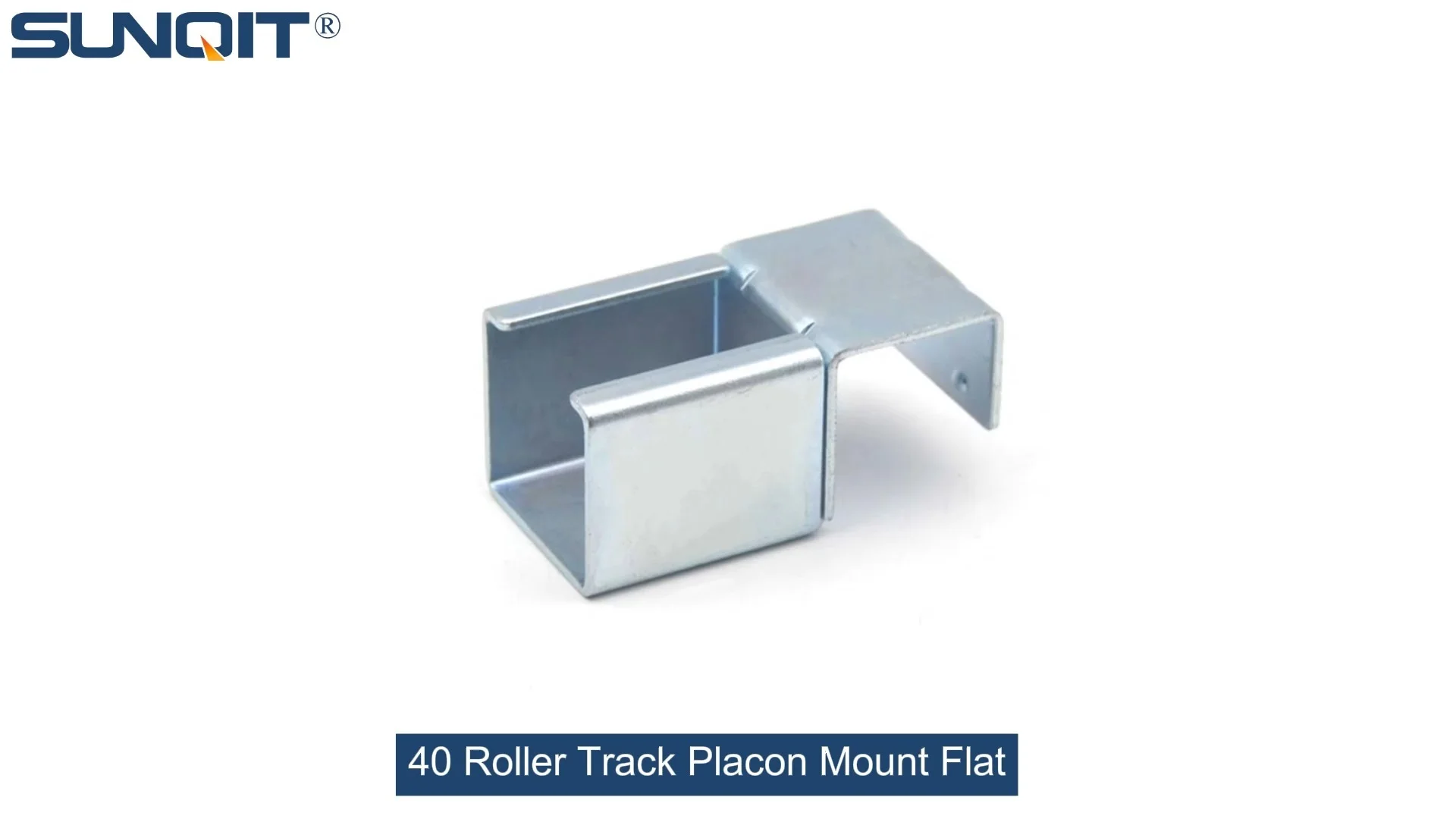
40 Roller Track Placon Mount Flat
Roller track placon mount work as a connector for roller track and pipe or aluminum profile in rack syetem, it is a necessary parts in rack system which widely used in industrial plant and logistic,warehouse storage.
How the right material handling component can transform efficiency, durability, and safety in low-temperature environments
Introduction: The Unsung Hero of Cold Storage Operations
Stepping into a cold storage facility, you'll quickly sense the delicate balance at play. Temperatures plummet to -30°C, humidity hangs thick in the air, and every second counts to keep perishable goods fresh. In this high-stakes environment, material handling isn't just about moving products—it's about maintaining precision, speed, and reliability while battling the elements. Among the many components that keep these operations running, roller tracks stand out as workhorses, quietly ensuring goods flow from receiving to storage to shipping without delays or damage.
But not all roller tracks are built for the freeze. Standard options often falter in cold, damp conditions: metal corrodes, moving parts seize, and structural integrity weakens. That's where specialized solutions like the 40 Roller Track Placon Mount Flat come in. Designed with cold storage's unique challenges in mind, this component isn't just a "nice-to-have"—it's a critical investment in long-term efficiency and safety. Let's dive into what makes this roller track a game-changer, and the key factors facility managers must consider when integrating it into their operations.
What Is 40 Roller Track Placon Mount Flat, Anyway?
Before we jump into cold storage specifics, let's get clear on the product itself. The "40 Roller Track Placon Mount Flat" might sound like industry jargon, but break it down, and you'll see why it's built for performance:
- 40: Refers to the track width (40mm), a common size for medium-to-heavy load applications, balancing maneuverability with stability.
- Roller Track: A series of mounted rollers that allow smooth, gravity-assisted or powered movement of goods (think pallets, bins, or containers).
- Placon Mount Flat: The "placon mount" is the secret sauce here—a specialized flat mounting system that attaches the track securely to aluminum profiles, steel frames, or flow racks. Unlike basic bolt-on designs, it distributes weight evenly, resists vibration, and simplifies installation and adjustments.
In short, this isn't just a track with rollers. It's a precision-engineered component designed to integrate seamlessly into lean material handling systems, from flow racks to conveyors, while withstanding tough conditions. And in cold storage? Those conditions are about as tough as they get.

Key Considerations for Cold Storage: Beyond the Basics
Cold storage isn't just "regular storage with a freezer." The combination of low temperatures, high humidity, and strict hygiene standards creates a unique set of demands. When selecting a roller track like the 40 Placon Mount Flat, these are the non-negotiable factors to evaluate:
1. Material Selection: Corrosion Resistance Starts Here
Walk into any cold storage facility, and you'll notice a common enemy: corrosion. The constant cycle of cold, condensation, and (often) cleaning chemicals turns standard steel into a rust risk within months. For roller tracks, material choice isn't just about durability—it's about avoiding costly replacements and safety hazards (like rust flakes contaminating food products).
| Material Type | Corrosion Resistance | Temperature Tolerance | Best For |
|---|---|---|---|
| Aluminum (Anodized) | High (resists moisture, mild chemicals) | -40°C to 80°C | Medium-load, cost-sensitive applications (e.g., beverage coolers) |
| Stainless Steel (304 or 316) | Excellent (resists salt, acids, heavy moisture) | -270°C to 600°C | Food-grade, high-humidity freezers (e.g., meat, seafood storage) |
| Coated Steel (Polyurethane or Epoxy) | Moderate (depends on coating thickness; prone to chips) | -30°C to 50°C | Light-load, dry cold environments (e.g., pharmaceutical storage) |
For most cold storage facilities, stainless steel (304 grade) is the gold standard. It balances corrosion resistance, strength, and cost, making it ideal for high-moisture areas like blast freezers or produce coolers. Anodized aluminum is a strong runner-up for lighter loads, offering better weight-to-strength ratios—critical for overhead or mobile systems. Avoid coated steel unless your facility is exceptionally dry; even a small chip in the coating can become a rust spot in weeks.
2. Load Capacity: When Cold Temperatures Test Strength
"It works in the warehouse—why wouldn't it work in the freezer?" That's a common assumption, but cold temperatures change everything. Metals become more brittle, plastics lose flexibility, and even welds can weaken under stress. A roller track rated for 500kg at room temperature might safely handle only 350kg at -20°C.
The 40 Roller Track Placon Mount Flat, when paired with stainless steel or aluminum, addresses this with engineered load ratings specific to cold conditions. Look for suppliers who provide "cold-rated" specs—for example, "400kg per linear meter at -30°C" instead of generic room-temperature numbers. And don't forget dynamic loads: when a pallet slides down a gravity-fed flow rack, impact force can double the static weight. A track that flexes or deforms under this stress isn't just inefficient—it's dangerous.
3. Temperature Range: From Chilled to Deep Freeze
Cold storage isn't one-size-fits-all. A dairy cooler stays around 4°C, while a blast freezer for frozen pizza hits -35°C. Your roller track needs to perform consistently across this spectrum. The 40 Placon Mount Flat's design helps here, but pay attention to two key details:
- Thermal Expansion/Contraction: Metals shrink in the cold. A 10-foot track might shorten by 0.1 inches at -30°C—enough to create gaps between sections or bind rollers. Look for tracks with built-in tolerance for movement, like floating mounts or flexible joints.
- Lubrication Compatibility: Standard greases thicken and harden in the cold, turning smooth-rolling bearings into sticky messes. Opt for tracks with sealed, maintenance-free bearings (like stainless steel ball bearings) or specify food-grade, low-temperature lubricants (rated for -40°C or lower).
4. Hygiene: Easy to Clean, Hard to Contaminate
For food or pharmaceutical cold storage, hygiene isn't optional—it's regulated. Roller tracks with crevices, rough edges, or hard-to-reach corners become breeding grounds for bacteria like Listeria, which thrives in cold, moist environments. The 40 Placon Mount Flat's flat design helps here (no hidden gaps), but go a step further:
- Smooth Surfaces: Avoid tracks with exposed bolts, weld seams, or porous coatings. Opt for rounded edges and continuous, polished surfaces that wipe clean with a sanitizing cloth.
- Sealed Components: Rollers and bearings should be sealed to prevent water, ice, or cleaning solutions from seeping in and causing jams or mold.
- Compliance: Look for certifications like FDA, USDA, or EU 10/2011 (for food contact) to ensure the material itself is safe for sensitive products.
5. Installation & Flexibility: Adapting to Tight Spaces
Cold storage facilities are often retrofitted or built with limited space—high-rack systems, narrow aisles, and custom layouts are the norm. A roller track that's hard to install or adjust can derail timelines and inflate labor costs. The 40 Placon Mount Flat's "placon mount" system shines here, but check for:
- Tool-Free Adjustments: Can you reposition the track or replace rollers without hauling tools into a -20°C freezer? Quick-release pins or hand-tightened knobs save time and frustration.
- Compatibility with Lean Systems: Does it integrate with your existing flow racks, conveyors, or aluminum profiles? A truly lean solution shouldn't require custom adapters or workarounds.
- Weight: Aluminum tracks are lighter than steel, making them easier to handle during installation—critical when workers are wearing bulky cold-weather gear.

Integration with Lean Solutions: More Than Just a Track
Cold storage efficiency isn't about individual components—it's about how they work together. The 40 Roller Track Placon Mount Flat is at its best when part of a cohesive lean material handling system, connecting flow racks, conveyors, and workstations to minimize waste and maximize flow.
Take flow racks, for example. In a typical cold storage setup, gravity-fed flow racks use roller tracks to slide pallets from the back (loading) to the front (picking), reducing the need for forklifts in tight aisles. The 40 Placon Mount Flat's smooth rolling action and load capacity make it ideal here, ensuring pallets glide consistently even in the cold. Pair it with a conveyor system, and you've got a seamless path from receiving to storage, with minimal manual handling.
And that's the heart of lean solution thinking: every component should serve a purpose, eliminate waste (like unnecessary movement or delays), and adapt as your needs change. A roller track that's easy to reconfigure, for example, lets you adjust rack layouts seasonally (e.g., expanding space for holiday inventory) without rebuilding from scratch.
Real-World Impact: A regional food distributor recently upgraded their cold storage flow racks with 40 Stainless Steel Placon Mount Flat tracks. Within 6 months, they reported a 22% reduction in picking errors (thanks to smoother product flow), a 15% drop in maintenance costs (no more rusted rollers), and improved compliance with FDA audits (due to easier cleaning). For a facility handling 50,000 pallets monthly, those numbers translate to significant bottom-line savings.

Choosing the Right Supplier: It's About Partnership
Even the best roller track design falls flat if your supplier can't deliver on quality, support, or customization. When vetting suppliers for cold storage applications, ask these questions:
- Do they specialize in cold storage solutions? A supplier who only sells "general" material handling products might not understand your unique needs (like FDA compliance or low-temperature testing).
- Can they provide custom configurations? Your facility's layout, load requirements, or temperature range might demand tweaks—like longer rollers, reinforced mounts, or specialized coatings.
- What's their testing process? Reputable suppliers test tracks in cold chambers, simulating years of use in -30°C conditions to verify durability.
- Do they offer after-sales support? If a roller jams in the middle of a night shift, can you reach a technician quickly? Look for suppliers with 24/7 support or local service teams.
Remember: This isn't just a purchase—it's a long-term investment in your facility's efficiency and safety. A supplier who takes the time to understand your operation (not just sell you a product) will pay dividends in reliability.
Conclusion: The Right Track for Cold Storage Success
Cold storage operations don't have room for compromise. Every component, from the walls to the roller tracks, must work harder to keep products safe, workers efficient, and costs in check. The 40 Roller Track Placon Mount Flat, with its focus on material durability, temperature resilience, and lean integration, isn't just a component—it's a solution built for these challenges.
By prioritizing corrosion resistance, cold-rated load capacity, hygiene, and flexibility, you're not just buying a roller track. You're investing in smoother operations, fewer disruptions, and a system that grows with your needs. And in an industry where every second (and every degree) counts? That's the difference between falling behind and staying ahead.