- Company Articles
- Products and Technology
- Product knowledge
- 40 Roller Track Placon Mount Flat Load Capacity: What You Need to Know

40 Roller Track Placon Mount Flat Load Capacity: What You Need to Know
Related Product
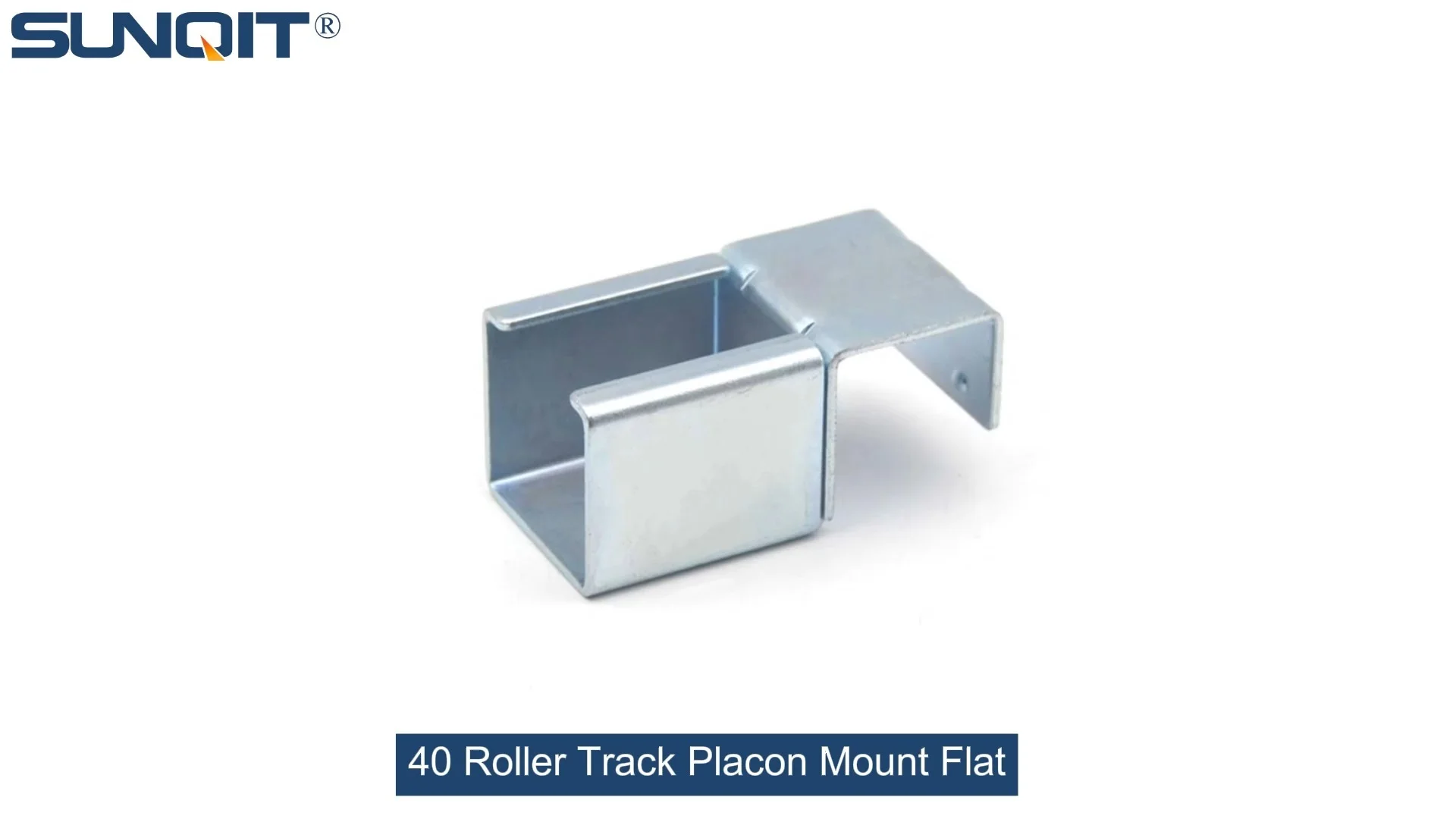
40 Roller Track Placon Mount Flat
Roller track placon mount work as a connector for roller track and pipe or aluminum profile in rack syetem, it is a necessary parts in rack system which widely used in industrial plant and logistic,warehouse storage.
Introduction: The Backbone of Smooth Material Flow in Lean Manufacturing
In the world of manufacturing, where every second counts and efficiency is king, the components often make the biggest difference. Take material handling, for example—without reliable systems to move parts and products seamlessly, even the most advanced assembly lines grind to a halt. This is where components like the 40 Roller Track Placon Mount Flat come into play. As a key part of modern flow rack and conveyor systems, this roller track isn't just a piece of hardware; it's a critical link in the chain of lean manufacturing, ensuring materials glide where they need to be, when they need to be there. But if you're in the market for one, there's one question that always rises to the top: What's its load capacity, and how does that impact my operations? Let's dive in.
What Exactly Is the 40 Roller Track Placon Mount Flat?
Before we get to load capacity, let's make sure we're all on the same page about what this component is. The 40 Roller Track Placon Mount Flat is a type of aluminum roller track designed for smooth, low-friction material transport. It's part of a broader lean system that focuses on minimizing waste—whether that's time wasted on manual, space wasted on inefficient layouts, or resources wasted on one-and-done equipment.
The "40" in its name refers to its width (typically 40mm), making it a versatile middle-ground option—small enough for tight workspaces but robust enough for most standard manufacturing needs. "Placon Mount Flat" describes its installation style: it mounts directly onto aluminum profiles (think of those T-slot aluminum frames you see in workbenches and racks) using specialized brackets, creating a stable, flush surface. This flat mounting design is key for ensuring materials don't get caught or jammed as they roll, which is a common headache with poorly designed tracks.
Made from high-grade aluminum, it's lightweight yet surprisingly strong—no rust, no heavy lifting during installation, and easy to reconfigure if your production line needs to adapt (a big win for the "sustainable improvement" part of lean philosophy). The rollers themselves are usually steel or high-quality plastic, depending on the application, and spaced evenly to distribute weight across the track.

Load Capacity: The Numbers That Matter
Load capacity is the maximum weight the track can safely handle without bending, warping, or compromising performance. For the 40 Roller Track Placon Mount Flat, this isn't a one-size-fits-all number—it depends on several factors, but let's start with the baseline: most standard models can handle between 80kg to 150kg per linear meter . That's a solid range, but to understand what it means for your business, we need to break down the variables that influence this number.
Key Factors That Affect Load Capacity
- Material Quality: Not all aluminum is created equal. This track uses high-strength aluminum extrusion profiles, which are heat-treated to boost durability. Thicker walls (often 1.5mm to 2mm) mean higher load capacity. Cheaper, thinner alternatives might claim similar specs, but they'll sag under heavy loads over time.
- Roller Material & Design: Steel rollers can handle more weight than plastic ones. For example, a steel wheel roller track variant of the 40 model might hit the 150kg/m mark, while a plastic wheel version tops out around 80kg/m. Roller diameter and spacing also matter—wider spacing can lead to uneven weight distribution, so closer rollers (typically 50-60mm apart) are better for heavier items.
- Installation & Support: Even the strongest track will fail if installed poorly. The Placon Mount system is designed to spread the load across the aluminum profile it's mounted on, but if the profile itself is under (e.g., using a 2020 profile instead of a sturdier 4040), or if the brackets are loose, the effective load capacity drops. Always pair the track with a compatible aluminum profile and ensure brackets are tightened to specs.
- Usage Conditions: Are you using the track in a cool, dry warehouse or a hot, humid factory? Extreme temperatures can weaken materials over time. Similarly, if the track is on an incline (even a slight one), the load capacity decreases because gravity adds extra stress. Most specs assume horizontal use—if you need it on a slope, factor that in (a 5° incline might reduce capacity by 10-15%).
Pro Tip: When checking load capacity specs from suppliers, look for the phrase "uniformly distributed load" (UDL). This means the weight is spread evenly across the track (like a box that spans multiple rollers), which is how most real-world materials are transported. A "point load" (e.g., a single heavy item sitting on one roller) will have a lower limit—usually around 50% of the UDL.

Real-World Applications: When Load Capacity Makes or Breaks Your Line
Numbers on a spec sheet are one thing, but how does this translate to actual manufacturing scenarios? Let's look at a few industries where the 40 Roller Track Placon Mount Flat is commonly used and how load capacity plays a role:
1. 3C Assembly (Phones, Laptops, Electronics)
In 3C manufacturing, components are often small and lightweight—think circuit boards, phone casings, or laptop hinges. Here, the track might only need to handle 30-50kg per meter. The 40 Roller Track's 80kg+ capacity is more than enough, leaving room for occasional heavier batches (like shipping boxes of finished products). The real benefit here isn't just load capacity but precision: the flat, smooth track ensures delicate electronics don't get jostled or damaged during transport.
2. Automotive Parts Manufacturing
Now we're talking heavier loads. Car door panels, engine components, or brake assemblies can weigh 10-20kg each—and when you're moving 5-6 of them at once on a cart or pallet, the total weight adds up fast. A 40 Roller Track with a 120-150kg/m capacity is essential here. Imagine trying to use a lower-capacity track and having it bend mid-operation—you'd risk damaging parts, delaying production, and even injuring workers. No thank you.
3. Medical Device Production
Medical manufacturing is all about cleanliness and reliability. While many medical parts are lightweight, there are exceptions—think of stainless steel surgical instrument trays or large diagnostic machine components. The 40 Roller Track's aluminum construction is easy to clean (no rust, no crevices for bacteria), and its load capacity (around 100kg/m) handles these bulkier items without compromising the sterile environment.
4. Warehousing & Logistics
In warehouses, flow racks equipped with these tracks are used to store and retrieve boxes. If you're dealing with standard shipping boxes (15-25kg each), a 40 Roller Track with 100kg/m capacity can hold 4-5 boxes per meter—plenty for most e-commerce or retail distribution centers. For heavier industrial parts (e.g., 50kg toolboxes), you'd want to opt for the higher end of the load range (150kg/m) to be safe.

How Does It Compare to Other Roller Tracks?
You might be wondering: Why not just go with a bigger track if load capacity is a concern? Fair question. Let's compare the 40 Roller Track Placon Mount Flat to two common alternatives to see when it's the right pick:
| Track Type | Width | Typical Load Capacity (kg/m) | Best For | Trade-offs |
|---|---|---|---|---|
| 40 Roller Track Placon Mount Flat | 40mm | 80-150 | General manufacturing, 3C, automotive (medium parts), warehousing | Not ideal for extremely heavy loads (200kg+/m) |
| 60 Steel Roller Track | 60mm | 180-250 | Heavy machinery, large automotive parts, industrial warehousing | Heavier, bulkier, harder to reconfigure; overkill for small parts |
| 38 Aluminum Mini Roller Track | 38mm | 50-80 | Light electronics, small parts assembly, tight workspaces | Too weak for medium-heavy loads; risk of bending under stress |
The 40mm track hits that sweet spot: versatile enough for 80% of manufacturing scenarios, lightweight for easy setup, and strong enough for most day-to-day loads. Unless you're moving literal tons of material, it's the practical choice.
How to Choose the Right Load Capacity for Your Needs
So, you know the basics—now how do you pick the right 40 Roller Track Placon Mount Flat for your business? Here's a step-by-step guide:
Step 1: Calculate Your Maximum Load
Start by figuring out the heaviest item (or batch of items) that will roll on the track. Let's say you're moving plastic bins of components: each bin weighs 10kg, and you usually have 6 bins on the track at once. That's 60kg total. But don't stop there—add a safety margin! Manufacturing is unpredictable: maybe one day you need to move a heavier bin, or someone accidentally stacks an extra box. A good rule of thumb is to aim for a track with a load capacity 50% higher than your maximum calculated load . In this case, 60kg + 50% = 90kg, so a 100kg/m track would work.
Step 2: Check the Roller Material
If your load is on the lower end (50kg/m or less), plastic rollers are fine—they're quieter and cheaper. For 80kg+/m, go with steel rollers. They're more durable and less likely to wear down over time, which saves you from frequent replacements (another lean win: less waste!).
Step 3: Think About Installation
Remember, the track is only as strong as what it's mounted on. If you're using it in a flow rack, make sure the rack's vertical supports and horizontal beams are rated for the total weight. For example, if the track can handle 150kg/m, but the rack beam it's attached to only supports 120kg/m, the beam becomes the weak link. Always match components—this is where working with a supplier who offers full lean solution (not just parts) helps, as they can design the entire system to work together.
Step 4: Plan for the Future
Your business isn't static—next year, you might add a new product line that's heavier, or expand production to handle more volume. Choosing a track with a little extra capacity now (e.g., 150kg/m instead of 100kg/m) saves you from having to replace it later. Lean manufacturing is about adaptability, remember? Invest in flexibility.
Maintenance: Keeping That Load Capacity Consistent
Even the best track will lose load capacity if neglected. Here's how to keep it in top shape:
- Clean the Rollers Regularly: Dust, debris, and even oil from manufacturing can gunk up the rollers, making them stick. A quick wipe with a dry cloth (or mild cleaner for stubborn grime) every week keeps them rolling smoothly.
- Tighten Brackets Monthly: Vibrations from daily use can loosen the Placon Mount brackets. A quick check with a wrench ensures the track stays firmly attached to the aluminum profile—no sagging, no accidents.
- replace Worn Rollers: If a roller starts to squeak, wobble, or show signs of cracks, replace it immediately. A single faulty roller puts extra stress on the others, reducing the track's overall load capacity.
- Avoid Overloading (Duh, But Still): It's tempting to push the limits, but consistently exceeding the load capacity will bend the aluminum frame over time. Train your team to respect the limits—label the track with its max load if needed!
Why Go with Aluminum? The Material Advantage
You might be thinking, "Why aluminum? Steel is stronger, right?" While steel tracks can handle more weight, aluminum has benefits that make it the better choice for most lean system setups:
- Lightweight: Aluminum is 1/3 the weight of steel, making installation a one-person job (no need for heavy machinery or extra labor).
- Rust-Resistant: No more worrying about corrosion in humid factories or warehouses—aluminum holds up in tough environments, extending the track's lifespan.
- Easy to Modify: Need to cut the track to length? Aluminum is easy to saw and drill, so you can customize it on-site without special tools.
- Recyclable: If you ever need to replace the track, aluminum is 100% recyclable—aligning with sustainability goals (a big plus for eco-conscious industries like medical or consumer electronics).
For the 40mm size, aluminum's strength-to-weight ratio is perfect—strong enough for most loads, light enough for flexibility.
Choosing a Supplier: It's About More Than Load Capacity
Okay, so you know what load capacity you need—now where do you buy it? Not all suppliers are created equal, and here's why that matters: A cheap track might claim the same load capacity on paper, but cut corners on material thickness or roller quality. After a few months, you'll notice it bending or rollers failing, and suddenly that "good deal" becomes a costly replacement.
Look for suppliers who specialize in lean pipe and accessories, not just generic hardware. They'll understand the nuances of load capacity, can help you calculate your needs accurately, and offer custom solutions if your setup is unique (like integrating ESD protection for electronics manufacturing or food-grade materials for pharmaceutical lines). Bonus points if they provide samples—testing a small section with your actual loads is the best way to confirm it works.
Final Thoughts: Load Capacity as Part of Your Lean Journey
At the end of the day, the 40 Roller Track Placon Mount Flat's load capacity is more than just a number—it's a key piece of your lean puzzle. It determines what you can move, how efficiently you can move it, and how adaptable your production line is to change. By choosing the right capacity, pairing it with quality materials, and maintaining it properly, you're not just buying a track—you're investing in a smoother, more efficient, and more sustainable operation.
So, whether you're setting up a new flow rack in your warehouse, revamping an assembly line, or building a custom lean system from scratch, take the time to get this right. Your team will thank you (no more struggling with stuck parts!), your bottom line will thank you (less waste, more productivity), and your lean journey will be all the stronger for it.