- Company Articles
- Products and Technology
- Installation And Maintenance
- 40 Roller Track Placon Mount Flat: Maintenance Schedules for Maximum Uptime

40 Roller Track Placon Mount Flat: Maintenance Schedules for Maximum Uptime
Related Product
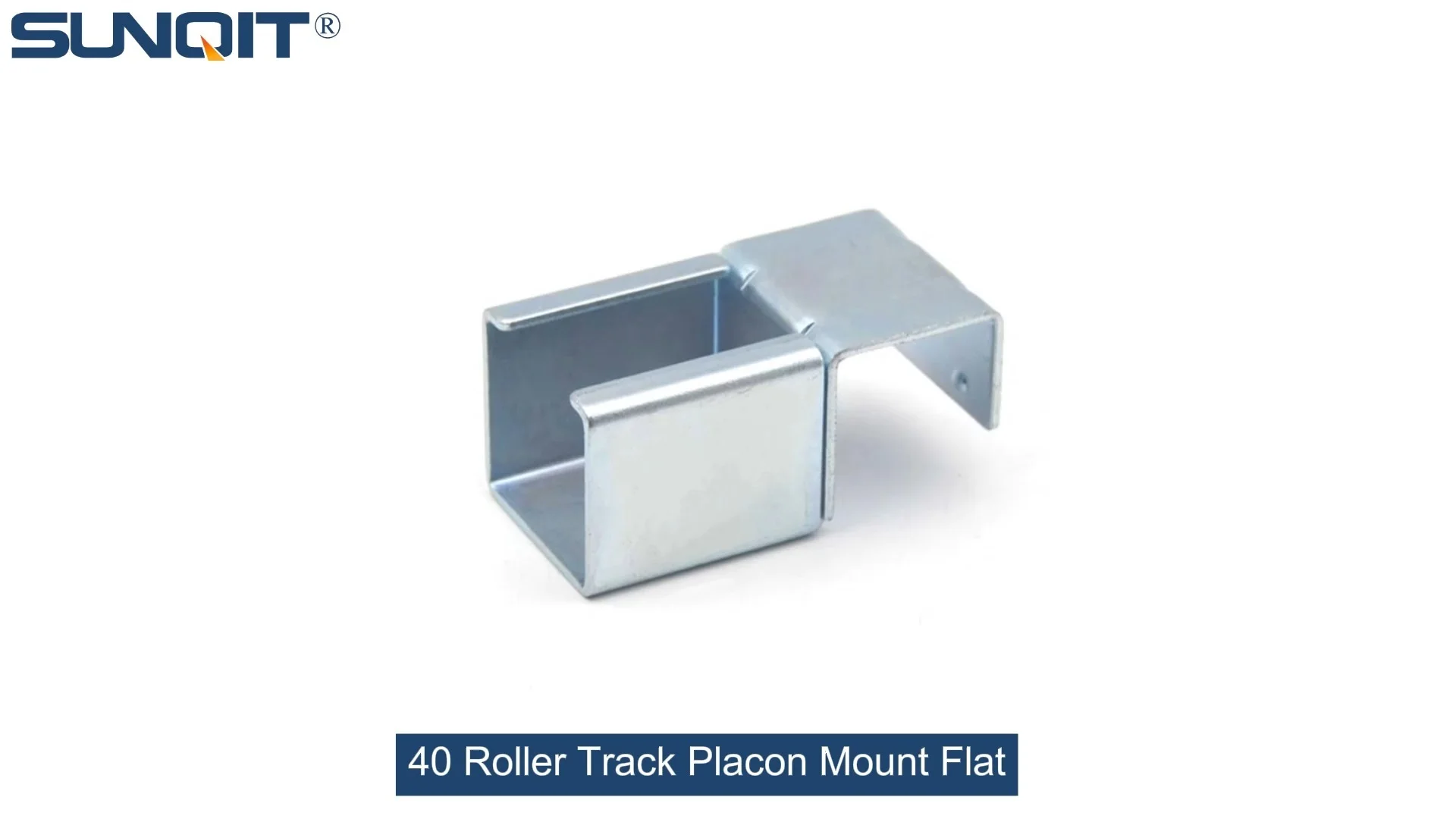
40 Roller Track Placon Mount Flat
Roller track placon mount work as a connector for roller track and pipe or aluminum profile in rack syetem, it is a necessary parts in rack system which widely used in industrial plant and logistic,warehouse storage.
Walk into any busy factory, and you'll hear it before you see it—the steady hum of production, the clink of tools, and the smooth glide of materials moving from one station to the next. At the heart of that rhythm is often a workhorse like the 40 Roller Track Placon Mount Flat. This isn't just a piece of metal and rollers; it's the silent conveyor of progress, moving circuit boards through 3C assembly lines, guiding medical supplies in healthcare facilities, and keeping warehouse logistics flowing like clockwork. It's the kind of equipment that fades into the background—until it stops working.
But here's the thing: Your roller track doesn't have to be a "set it and forget it" tool. Like a reliable car, it needs regular check-ups to stay in top shape. A little maintenance today can save you from a major headache tomorrow—think missed deadlines, frustrated teams, and unexpected repair costs. In this guide, we're breaking down a simple, actionable maintenance plan to keep your 40 Roller Track Placon Mount Flat rolling strong, so your operation stays on track, too.
Whether you're a floor supervisor in a automotive plant or a warehouse manager overseeing logistics, this isn't just about wrenches and lubricant. It's about keeping your team productive, your customers happy, and your bottom line healthy. Let's dive in.
Why Your Roller Track Deserves Regular TLC
Let's get real: No one gets excited about maintenance. But ignoring your 40 Roller Track Placon Mount Flat is like skipping oil changes on your car—eventually, it'll cost you. Here's why a little care goes a long way:
- Downtime Kills Productivity: A single stuck roller can bring a section of your line to a halt. In high-speed environments like consumer electronics manufacturing, even 15 minutes of downtime can derail hourly targets. Multiply that by a week, and you're looking at thousands in lost output.
- Wear and Tear Adds Up: Rollers, bearings, and aluminum profile components take a beating daily. Without cleaning and lubrication, friction builds up, turning small issues (like a squeaky roller) into big problems (like a bent track or seized bearing).
- Safety First: Loose rollers or damaged tracks aren't just efficiency killers—they're hazards. A roller could trip a worker, or a misaligned track might send products crashing to the floor, risking injury or damaged goods.
- Quality Matters: Jerky or uneven movement can scratch delicate parts (think smartphone screens or medical devices) or cause assembly errors. Your roller track doesn't just move materials—it protects quality.
"A client in the 3C industry once told us a story: Their roller track jammed during a rush order, delaying a shipment to a major customer. The culprit? A tiny plastic chip that had worked its way between two rollers—something a 30-second daily check would've caught. The result? A $5,000 rush shipping fee and a tense call with the client. Don't let that be your story."
The Maintenance Schedule: Simple, Consistent, Effective
Maintenance doesn't have to be complicated. We've designed this schedule to fit into your team's existing routine—no extra hours, no fancy tools, just good habits. Think of it as a "care package" for your roller track, broken down by how often you need to act:
| Maintenance Frequency | Key Tasks | What to Check | Pro Tips |
|---|---|---|---|
| Daily (End of Shift) | Quick inspection + debris removal |
• No debris (dust, metal shavings, plastic scraps)
• Rollers spin freely when touched • Fasteners (screws, brackets) are tight |
Assign to the last operator of the shift—they know the day's workflow best. 2 minutes tops! |
| Weekly | Deep cleaning + light lubrication |
• Wipe track rails with a dry cloth
• Lubricate roller bearings (1-2 drops per roller) • Tighten loose fasteners |
Use a microfiber cloth for cleaning—no harsh chemicals! Light machine oil works best for lubrication. |
| Monthly | Alignment check + wear assessment |
• Track is level (no tilting left/right)
• Rollers show no cracks or flat spots • End stops/guides are secure |
Use a spirit level to check alignment. Even a 1° tilt can cause products to jam. |
| Quarterly | Full system check + part replacement |
• replace worn rollers/bearings
• Inspect aluminum profile for damage • Test with full-load simulations |
Keep spare rollers on hand—waiting for parts = downtime. Our aluminum and stainless steel rollers are easy to swap! |

Daily Maintenance: The 2-Minute Check That Saves the Day
Daily maintenance is all about catching small issues before they spiral. It's quick, it's easy, and it should become as routine as clocking in. Here's how to do it right:
- Scan for Debris: Walk the length of the track and keep an eye out for anything that shouldn't be there—plastic wrap, metal filings, a stray bolt, or even dust bunnies. These are the most common causes of jams, and they're easy to fix with a quick sweep or wipe.
- Spin a Few Rollers: Gently push 5-6 rollers with your hand (spread them out—don't just check the first few!). They should spin smoothly and stop gradually. If one feels "sticky" or makes a grinding noise, mark it with a piece of tape for weekly maintenance. No need to fix it now—just flag it.
- Check the Fasteners: Glance at the screws and brackets holding the track to the aluminum profile. Are any screws sticking up? Any brackets bent? Tighten loose ones with a screwdriver if you have one nearby—otherwise, add it to the to-do list.
- Do a "Test Run": Grab a typical product or container that moves along the track and slide it through. Does it glide evenly, or does it catch halfway? If it catches, note the spot—this could mean a misaligned roller or a dip in the track.
Pro Tip:
Keep a "mini maintenance kit" near each track—a small cloth, a basic screwdriver, and a roll of tape. It turns a 5-minute check into a 2-minute one!
Remember: Daily checks aren't about perfection. They're about awareness. By taking 2 minutes each shift, you'll spot issues when they're small—and cheap—to fix.

Weekly Maintenance: Deep Clean & Lubricate (15 Minutes Tops)
Daily checks handle the "what's obvious" stuff. Weekly maintenance is where you keep the track running like new. Set aside 15 minutes on a slow shift (like Friday afternoons) and follow these steps:
- Deep Clean the Track: Grab a microfiber cloth and wipe down the entire track—top, bottom, and between the rollers. For greasy spots (common in automotive or machinery shops), dampen the cloth with warm water and a drop of dish soap, then wipe again with a dry cloth. Grease attracts dust, and dust causes friction—so this step is non-negotiable.
- Lubricate the Rollers: Get a small bottle of light machine oil (3-in-One or similar works great). Put 1-2 drops on each roller's bearing (the part where the roller meets the track). Spin the roller a few times to work the oil in. Pro tip: Too much oil is worse than none—excess oil will drip onto products or collect dust. Less is more here.
- Tighten Everything Up: Go through all the screws and brackets again, this time with a screwdriver or wrench. Pay extra attention to the ends of the track and any spots where it connects to other equipment (like a conveyor or flow rack)—these take the most stress and loosen first.
- Inspect for Wear: Look closely at the rollers. Are there cracks? Flat spots? Chipped edges? If a roller looks damaged, mark it with a tag (or take a quick photo on your phone) so you can replace it during quarterly maintenance. No need to stop production now—just plan for it.
Think of this as a "spa day" for your track. A little cleaning and lubrication go a long way in preventing wear and tear.

Monthly Maintenance: Alignment & Precision (30 Minutes)
Monthly maintenance is where you get proactive. It's about making sure your track isn't just moving—but moving well . Here's how to do it:
- Check Track Level: Grab a spirit level (the longer, the better—2ft minimum). Place it across the track rails horizontally (left to right) and vertically (along the length). If the bubble isn't centered, adjust the mounting feet or brackets until it is. Even a tiny tilt can cause products to slow down or speed up unexpectedly, leading to jams or spills.
- Align the Rollers: Rollers should be perfectly parallel to each other and perpendicular to the track rails. If a roller is angled, loosen the mounting screws, adjust it, and retighten. A quick way to check: Place a straightedge (like a long level) across the rollers—they should all touch the edge evenly.
- Test with Real Loads: Grab a few of the heaviest, bulkiest items that typically move along the track (think a fully loaded bin of 3C components or a large medical device part). Slide them through the track. Do they move smoothly? Do they get stuck halfway? If so, check for misaligned rollers or spots where the track dips—these are easy to fix with a little adjustment.
- Clean Under the Track: Dust and debris love to collect underneath the track, especially in busy warehouses. Sweep or vacuum this area to prevent buildup that could eventually affect the track's stability. A clean workspace is a safe workspace, too!
"A warehouse manager we work with once told us they skipped monthly alignment checks for 6 months. By the time they noticed, products were sliding off the track and getting damaged. Fixing the alignment took 10 minutes—but replacing the damaged goods cost $2,000. Don't skip this step!"
Quarterly Maintenance: Full Check-Up (45 Minutes, Worth Every Second)
Quarterly maintenance is like a "physical exam" for your track. It's more thorough, and it helps you catch long-term issues before they become disasters. Block off 45 minutes, and if possible, have a maintenance tech help. Here's what to cover:
- replace Worn Rollers: Remember all those rollers you marked with tape or tags? Now's the time to swap them out. Most rollers (like our stainless steel or aluminum options) are designed for easy replacement: just loosen the end caps, slide the old roller out, and pop the new one in. It's like changing a lightbulb—no special tools needed.
- Inspect the Aluminum Profile: The track's base is usually made of durable aluminum profile, but it's not indestructible. Check for dents, cracks, or bending—especially near the mounting points. Minor dents can often be gently tapped out with a rubber mallet, but major damage means it's time to replace that section. Safety first—don't risk a track collapse!
- Check the Bearings: For rollers that aren't replaced, remove one or two and inspect the bearings. If they're rusty, gritty, or don't spin freely, replace them. Bearings are cheap (usually under $5 each), and replacing them now saves you from replacing the entire roller later.
- Test the Track's Limits: Run a full day's worth of products through the track—heavy loads, light loads, small parts, large bins. Watch how they move: Do they speed up/slow down in certain spots? Are there bottlenecks? Use this to fine-tune alignment or lubrication for specific items. For example, if small parts keep getting stuck, you might need to adjust the roller spacing.
- update Your Maintenance Log: Jot down what you replaced, adjusted, or fixed. Note any patterns (e.g., "Rollers in the middle wear out faster"). This log becomes gold when planning future maintenance or ordering replacement parts.
Pro Tip:
Schedule quarterly maintenance during a planned downtime (like a weekend or shift change). That way, you're not interrupting production to do the work.
Troubleshooting: Fix Common Issues in 10 Minutes or Less
Even with great maintenance, problems can pop up. Here's how to fix the most common issues quickly, so you can get back to production:
| Problem | What's Likely Causing It | How to Fix It Fast |
|---|---|---|
| Roller won't spin (stuck) | Dirt/debris in the bearing; dry bearing | 1. Clean the bearing with compressed air. 2. Add 2-3 drops of oil. 3. Spin vigorously to work oil in. If still stuck, replace the roller. |
| Track makes a loud squeaking noise | Dry bearings; misaligned roller; loose fastener | 1. Lubricate all rollers. 2. Tighten loose screws. 3. Check for misaligned rollers and adjust. |
| Products keep sliding off the track | Track is tilted; side guides are loose/missing | 1. Use a spirit level to realign the track. 2. Tighten or add side guides (our plastic roller track guide rails work great here). |
| Products move too slowly or get stuck | Under-lubricated rollers; track has a dip | 1. Lubricate rollers. 2. Check for dips in the track and adjust mounting brackets to level. |
| Fasteners keep coming loose | Vibration from heavy loads; worn threads | 1. Use thread-locking fluid on screws. 2. If threads are stripped, replace the connector or aluminum profile section. |
Remember: Most issues are quick fixes. The key is to address them as soon as you notice—don't let a small problem become a big one.
The Bottom Line: Maintenance = Money Saved
Let's talk dollars and cents. Suppose your production line runs 8 hours a day, 5 days a week, and produces $2,000 worth of goods per hour. A single hour of downtime due to a track issue costs $2,000. If that happens just once a month, that's $24,000 a year in lost revenue.
Compare that to the cost of maintenance: A bottle of oil ($5), a pack of microfiber cloths ($10), and 10 replacement rollers ($100 total). Even if you spend 2 hours a month on maintenance (which is generous), that's a tiny investment to avoid $24,000 in losses. The math is clear: Maintenance pays for itself—often within the first month.
But it's not just about money. It's about respect for your team. When equipment works, your team can focus on what they do best—building great products, meeting deadlines, and taking pride in their work. A well-maintained track is a sign that you care about their success.
Final Thoughts: Your Track, Your Team, Your Success
The 40 Roller Track Placon Mount Flat might not be the star of your production line, but it's the unsung hero that keeps everything moving. By following this maintenance schedule, you're not just taking care of a piece of equipment—you're investing in your team's productivity, your customers' trust, and your company's future.
And when you need help—whether it's replacement rollers, custom aluminum profile sections, or expert advice on optimizing your track—we're here. With years of experience supplying lean pipe systems, flow racks, and conveyor solutions to manufacturers worldwide, we know what it takes to keep operations running smoothly. After all, your success is our success.
So grab that cloth, oil that roller, and keep rolling. Your team (and your bottom line) will thank you.