- Company Articles
- Products and Technology
- Application Cases
- 40 Roller Track Placon Mount drop High in Medical Device Assembly: Compliance and Efficiency

40 Roller Track Placon Mount drop High in Medical Device Assembly: Compliance and Efficiency
Related Product
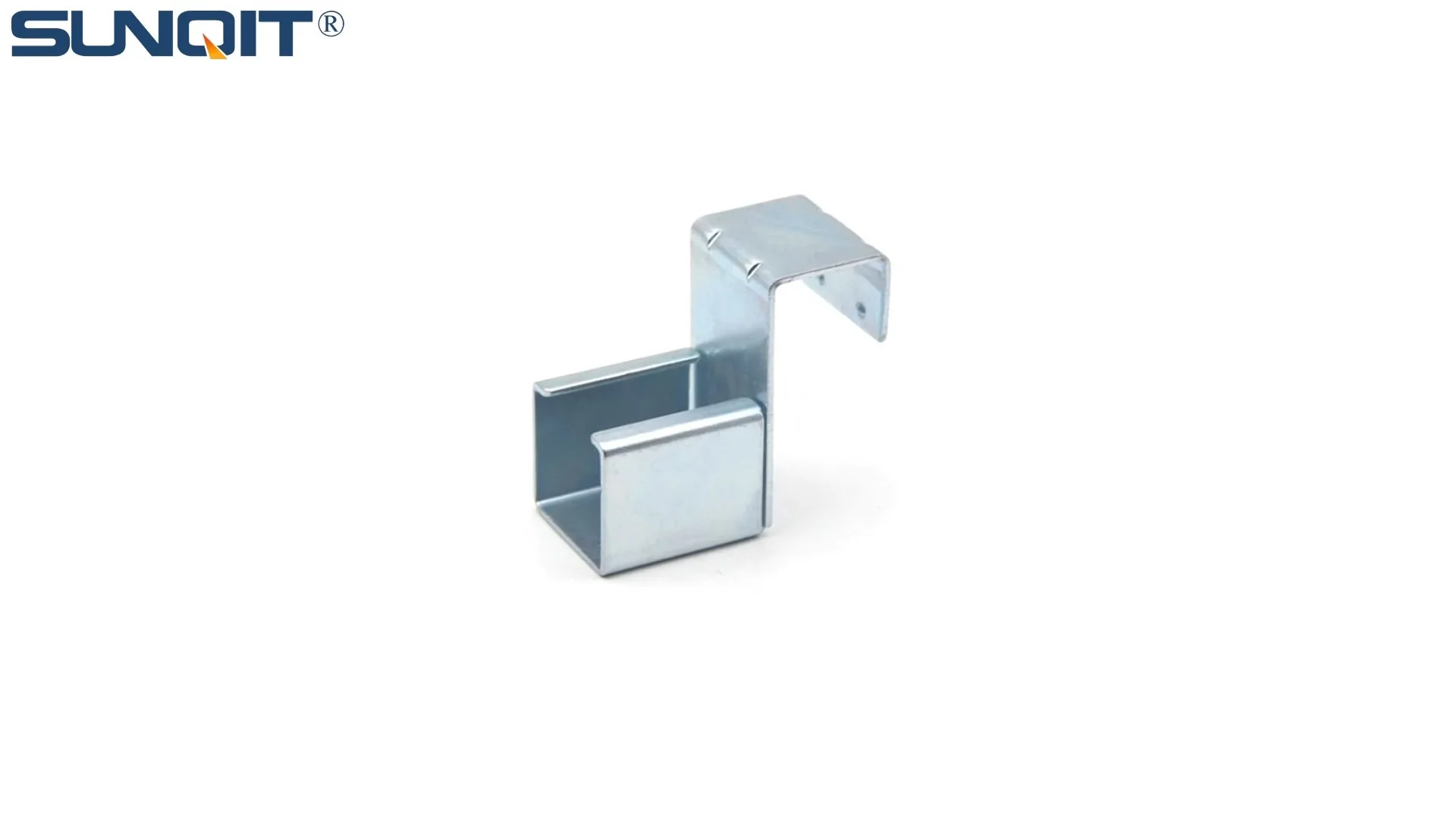
40 Roller Track Placon Mount drop High
Roller track placon mount work as a connector for roller track and pipe or aluminum profile in rack syetem, it is a necessary parts in rack system which widely used in industrial plant and logistic,warehouse storage.
In the world of medical device manufacturing, every second counts—and so does every detail. When you're assembling equipment that could one day support a patient's life, there's no room for error. Compliance with strict regulations like FDA guidelines and ISO standards isn't just a box to check; it's the foundation of trust between manufacturers, healthcare providers, and the patients who rely on these devices. At the same time, efficiency is key—delays in production can mean delayed treatments, missed opportunities, and strained resources. This is where the right tools make all the difference. Today, we're diving into how one specific component—the 40 Roller Track Placon Mount drop High—is transforming medical device assembly lines by balancing compliance and efficiency in ways that matter.
The Unique Demands of Medical Device Assembly
Medical device assembly isn't like other manufacturing processes. Let's break down the challenges that set it apart:
Compliance First: Unlike consumer electronics or automotive parts, medical devices are governed by some of the strictest regulations in the world. From FDA's Current Good Manufacturing Practices (cGMP) to ISO 13485, every step must be documented, traceable, and repeatable. Materials must be non-reactive, easy to clean, and resistant to corrosion—critical for maintaining sterile environments where even a tiny particle could compromise a device's integrity.
Precision Beyond Measure: Many medical devices, like surgical tools or diagnostic equipment, involve micro-components that require millimeter-perfect alignment. A that jolts or misaligns parts can lead to assembly errors, rework, or worse—defective products that never reach the market.
Flexibility in a Fast-Changing Industry: Medical technology evolves rapidly. Assembly lines need to adapt quickly to new device designs, smaller batch sizes, or updated compliance requirements. Rigid, one-size-fits-all equipment often becomes a bottleneck, forcing manufacturers to choose between sticking with outdated processes or investing in costly overhauls.
40 Roller Track Placon Mount drop High: Engineered for Medical Excellence
So, what makes the 40 Roller Track Placon Mount drop High stand out in this high-stakes environment? Let's start with the basics: its design. Built with medical assembly in mind, this roller track isn't just a conveyor component—it's a lean system workhorse that addresses the industry's unique pain points head-on.
Material Matters: Aluminum Profile for Clean, Durable Performance
At its core, the 40 Roller Track relies on high-quality
aluminum profile
—a material chosen for its winning combination of strength, lightness, and resistance to corrosion. Unlike steel, aluminum doesn't rust, making it ideal for cleanrooms and environments where frequent sanitization is required. Its smooth surface is easy to wipe down, reducing the risk of bacterial buildup and ensuring compliance with strict hygiene standards. Plus, aluminum's lightweight nature means the track is easy to install and reconfigure, supporting the flexibility medical manufacturers need to adapt to new projects.
Placon Mount Design: Stability Meets Versatility
The "placon mount drop high" feature is where the magic happens. This design ensures the roller track sits securely on
aluminum profile
frames, creating a stable base that minimizes vibration during operation. Why does stability matter? For delicate medical components—think tiny sensors or precision gears—even the smallest shake can throw off alignment, leading to assembly errors. The placon mount system eliminates this risk, keeping parts steady as they glide from one workstation to the next.
But stability doesn't mean rigidity. The 40 Roller Track's modular design lets manufacturers adjust height, length, and angle with minimal effort. Need to reconfigure the line for a new device model? Simply loosen the mounts, adjust the track, and lock it back in place—no welding or specialized tools required. This adaptability is a game-changer for facilities handling multiple product lines or frequent design updates.
ESD Compatibility: Protecting Sensitive Electronics
Many medical devices, from pacemakers to diagnostic monitors, include sensitive electronic components. Static electricity can damage these parts, leading to malfunctions or shortened lifespans. That's why the 40 Roller Track is often paired with
esd workstation
setups. Its aluminum construction conducts static safely away from components, while optional ESD-safe rollers add an extra layer of protection. This integration ensures that even as parts move through the assembly line, they stay shielded from electrostatic discharge—critical for compliance with ESD standards like ANSI/ESD S20.20.
| Feature | Traditional Steel Roller Tracks | 40 Roller Track Placon Mount drop High |
|---|---|---|
| Material | Prone to rust; requires frequent painting/coating | Aluminum profile; corrosion-resistant, easy to clean |
| Installation/Reconfiguration | Heavy; often requires welding or permanent fixtures | Lightweight; modular placon mounts for tool-free adjustments |
| ESD Protection | Limited; may require additional grounding tools | Integrates with ESD workstations; conductive aluminum dissipates static |
| Maintenance | Frequent lubrication; rust removal | Low maintenance; smooth rollers reduce need for lubrication |

Boosting Efficiency Without Compromising Compliance
Compliance is non-negotiable, but efficiency is what keeps operations sustainable. The 40 Roller Track Placon Mount drop High doesn't just meet regulatory standards—it actively enhances productivity in ways that impact the bottom line.
Smooth, Jam-Free Conveyance
Anyone who's worked on an assembly line knows the frustration of a jammed conveyor. A single stuck part can bring the entire line to a halt, wasting valuable time and disrupting workflows. The 40 Roller Track's precision-engineered rollers—paired with its stable placon mount design—ensure parts glide smoothly, even at high speeds. Whether it's a small catheter component or a larger diagnostic tool housing, the track minimizes friction and misalignment, reducing downtime and rework.
Seamless Integration with Lean Systems
Medical device manufacturers are increasingly turning to
lean system
principles to eliminate waste and streamline processes. The 40 Roller Track fits perfectly into this mindset. Its modular design aligns with the "just-in-time" production model, allowing parts to arrive at each workstation exactly when needed—no excess inventory cluttering the line, no delays waiting for components. When paired with other lean tools like flow racks for parts storage, it creates a continuous, efficient workflow that reduces bottlenecks and keeps teams focused on value-adding tasks.
Traceability and Documentation Made Easier
Compliance isn't just about the final product—it's about tracking every step of the journey. The 40 Roller Track's compatibility with smart manufacturing tools (like barcode scanners or RFID readers) makes it easier to document when parts enter the line, how long they take to process, and where they move next. This data isn't just for regulators; it's also gold for manufacturers looking to identify inefficiencies and optimize their processes over time.
Case Study: How a Medical Device Manufacturer Cut Rework by 30% with 40 Roller Track
Let's look at a real-world example. A mid-sized medical device company specializing in surgical instruments was struggling with two major issues: frequent rework due to misaligned components and difficulty meeting ISO 13485's strict documentation requirements. Their old steel roller tracks were prone to rust, requiring constant cleaning, and their fixed design made it hard to adapt to new instrument sizes.
After switching to the 40 Roller Track Placon Mount drop High, paired with ESD workstations and aluminum profile frames, the results were clear: Parts moved more smoothly, reducing alignment errors by 25%. The aluminum tracks eliminated rust concerns, cutting cleaning time by 40%. And because the track was easy to reconfigure, the team could quickly adjust for new instrument designs without halting production for days. Most importantly, the integrated tracking features made ISO audits a breeze—no more scrambling to piece together production records. In just six months, rework costs dropped by 30%, and the line's throughput increased by 18%.

Beyond the Track: Integrating with a Holistic Lean Solution
The 40 Roller Track Placon Mount drop High is powerful on its own, but its true potential shines when it's part of a broader lean solution . Medical device assembly lines are complex ecosystems, and every component—from workstations to storage—needs to work in harmony.
For example, pairing the track with flow racks (another staple of lean manufacturing) creates a seamless "pull" system. Parts are stored in flow racks near the assembly line, and as the track moves components forward, new parts automatically slide into place—ensuring operators never run out of materials and reducing the need for manual restocking. This integration not only saves time but also minimizes the risk of human error, a critical factor in compliance.
Similarly, when combined with ESD workstations, the track ensures that sensitive electronic components are protected from static damage at every stage—from storage in flow racks to final assembly. This level of coordination isn't just efficient; it's a proactive way to meet regulatory standards, showing auditors that every detail of the process is designed with quality in mind.

Why 40 Roller Track Placon Mount drop High is the Right Choice for Medical Assembly
At the end of the day, medical device manufacturers need tools that don't just "work"—they support the mission. The 40 Roller Track Placon Mount drop High does exactly that by:
- Prioritizing compliance with corrosion-resistant aluminum, ESD compatibility, and easy documentation
- Boosting efficiency through smooth part conveyance, low maintenance, and quick reconfiguration
- Adapting to the industry's changing needs with modular, flexible design
- Integrating seamlessly with other lean tools to create a cohesive, waste-free workflow
In medical device assembly, there's no trade-off between compliance and efficiency—not when you have the right tools. The 40 Roller Track Placon Mount drop High proves that with thoughtful engineering, you can have both. It's more than a conveyor component; it's a partner in building safer, more reliable medical devices—and that's a difference everyone can appreciate.