- Company Articles
- Products and Technology
- Product knowledge
- 40 Roller Track Placon Mount drop High Load Capacity: What You Need to Know

40 Roller Track Placon Mount drop High Load Capacity: What You Need to Know
Related Product
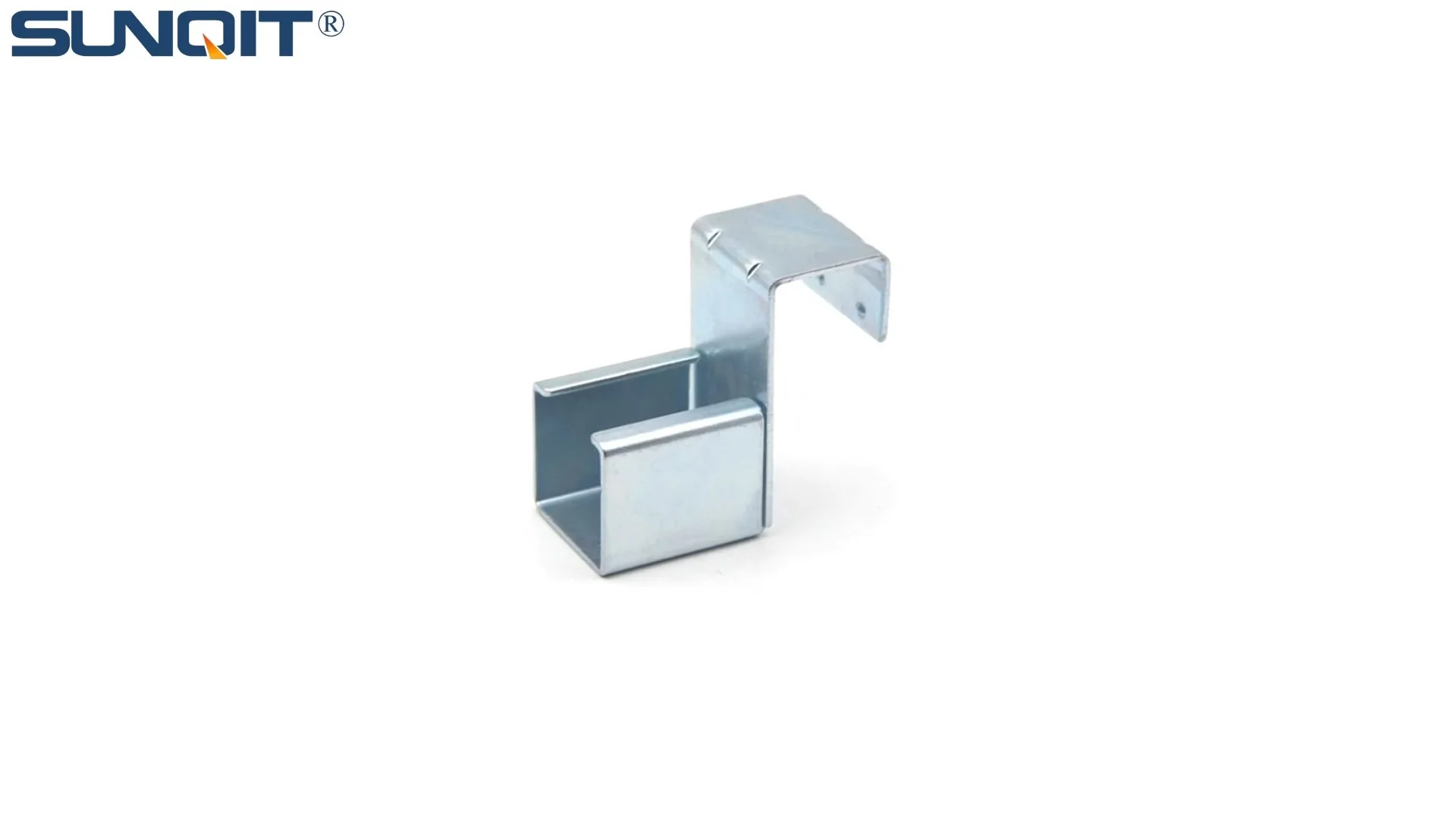
40 Roller Track Placon Mount drop High
Roller track placon mount work as a connector for roller track and pipe or aluminum profile in rack syetem, it is a necessary parts in rack system which widely used in industrial plant and logistic,warehouse storage.
Let's start with a scenario we've all heard about in manufacturing: A production line humming along, workers focused, deadlines looming—and then, a bottleneck. A roller track that was supposed to move components smoothly suddenly jams under the weight of a heavy batch. Or worse, it bends slightly, throwing off the entire workflow. Sound familiar? In the fast-paced world of manufacturing, where every second counts, the right material handling equipment isn't just a "nice-to-have"—it's the backbone of keeping things running without a hitch. Today, we're diving deep into one such unsung hero: the 40 Roller Track Placon Mount drop High. If you've ever wondered how to boost your line's efficiency, reduce downtime, or handle heavier loads without breaking a sweat, this is for you.
First Things First: What Even Is a 40 Roller Track Placon Mount drop High?
Before we get into the nitty-gritty of load capacity, let's make sure we're all on the same page. The 40 Roller Track Placon Mount drop High is part of a larger lean system designed to simplify material flow in factories, warehouses, and assembly lines. Think of it as a specialized conveyor track—low-profile, sturdy, and built to connect workstations, storage areas, or production cells seamlessly. The "drop high" part refers to its height: it's designed to sit slightly lower than standard tracks, making it easier to align with workbenches, carts, or other equipment without awkward gaps. And the "40"? That's a nod to its size specifications, ensuring compatibility with common industry standards.
But here's the thing that really sets it apart: its load capacity. We're not talking about flimsy tracks that wobble under a few pounds. This one means business—built to handle the kind of heavy, bulky components that are the lifeblood of industries like automotive, 3C assembly, and medical device manufacturing. Let's break down why that matters.
Why Load Capacity Isn't Just a Number—It's Your Line's Lifeline
Imagine you're running a 3C assembly plant, putting together smartphones or laptops. You've got circuit boards, metal frames, and battery packs moving from station to station. A typical batch might weigh 50kg, maybe 70kg on a busy day. If your roller track maxes out at 60kg, you're already in trouble. You'll either have to split batches (slowing down production) or risk damaging the track (leading to costly repairs and downtime). That's where the 40 Roller Track Placon Mount drop High shines: its load capacity is engineered to handle these real-world demands, not just theoretical ones.
So, what's the actual capacity? While exact numbers can vary based on configuration, most models are tested to reliably carry up to 150kg per linear meter. That's enough to handle everything from small electronic components to heavier automotive parts without skipping a beat. But here's the kicker: it doesn't just "handle" the weight—it does so smoothly. No jerky movements, no stuck rollers, just a steady glide that keeps your line moving at peak speed.

What Makes It So Strong? The Design Secrets Behind the Strength
You might be thinking, "Okay, 150kg is impressive—but how do they pull that off?" Let's peek under the hood (or rather, under the track) to see what makes this roller track tick.
1. High-Quality Materials: It Starts with the Right Building Blocks
At the core is aluminum profile —lightweight but surprisingly tough. Aluminum is a favorite in lean manufacturing for good reason: it's resistant to rust, easy to clean, and strong enough to handle heavy loads without adding unnecessary bulk. The track's frame is made from extruded aluminum, which means it's formed in one piece, avoiding weak points that come with or glued joints. And the rollers? They're typically steel or high-density plastic, chosen for their durability and low friction. Steel wheels, in particular, are great for heavy loads—they won't warp or wear down quickly, even with constant use.
2. Smart Engineering: The "Placon Mount" Advantage
The "placon mount" design is another key player here. Instead of basic brackets, this system uses specialized mounts that distribute weight evenly across the track. Think of it like a bridge: if you concentrate weight in one spot, it might collapse, but spread it out, and it holds strong. The placon mounts act like that bridge's supports, ensuring that even when a heavy load rolls over, the stress is shared across the entire structure, not just a single point. This not only boosts load capacity but also extends the track's lifespan—no more replacing bent brackets every few months.
3. Precision Rollers: Smooth Movement, Even Under Pressure
What good is a strong track if the rollers can't keep up? The 40 Roller Track Placon Mount drop High uses precision-engineered rollers with sealed bearings. That means less friction, smoother movement, and fewer jams—even when carrying heavy loads. And because the rollers are spaced evenly, there's no "dead weight" spot where the load might get stuck. It's the kind of attention to detail that turns a "good" track into a "game-changing" one.
Quick Specs at a Glance
| Feature | Details |
|---|---|
| Load Capacity (per linear meter) | Up to 150kg (tested under real-world conditions) |
| Material | Extruded aluminum profile frame, steel/plastic rollers |
| Mounting Type | Placon mount (even weight distribution) |
| Compatibility | Fits standard lean pipe systems, workbenches, and flow racks |
| Surface Treatment | Anti-corrosion coating (ideal for industrial environments) |

Where Does It Fit in Your Workflow? Real-World Applications
This roller track isn't a one-trick pony. It's designed to slot into all kinds of manufacturing setups, but let's highlight a few areas where it really shines:
Automotive and Heavy Machinery
Car parts, engine components, large metal brackets—these are heavy, and they need to move from welding stations to assembly lines without delays. The 40 Roller Track Placon Mount drop High's high load capacity means you can transport these parts in bulk, reducing the number of trips and keeping your line on schedule.
3C Assembly (Smartphones, Laptops, Electronics)
Even in tech, where components are smaller, there are still heavy batches. Imagine moving 50 laptop chassis at once—each with a metal frame. This track handles that weight smoothly, ensuring delicate components aren't jostled or damaged during transport. Plus, its low profile aligns perfectly with lean pipe workbench setups, making it easy for workers to load and unload without bending or stretching.
Medical Device Manufacturing
Medical equipment often requires strict cleanliness and precision. The aluminum frame is easy to sanitize, and the smooth rollers prevent dust buildup—critical for environments where contamination is a no-go. Whether you're moving surgical tool kits or large imaging machine parts, this track keeps things clean and on the move.
Warehouse and Logistics
When paired with flow rack systems, this roller track becomes a star in order fulfillment. Heavy boxes, pallets, or bulk inventory glide from storage to packing stations effortlessly. No more manual lifting, no more slow-moving carts—just a steady stream of goods that keeps your warehouse efficient, even during peak seasons.

It's Better Together: Synergy with Other Lean Tools
Here's the beauty of lean manufacturing: the whole is greater than the sum of its parts. The 40 Roller Track Placon Mount drop High doesn't work in isolation—it plays well with other tools in your lean toolkit.
Pair It with Lean Pipe Workbenches
Your workbench is where the magic happens—assembly, testing, packaging. By connecting a workbench to this roller track, you create a seamless flow: components arrive right at the worker's fingertips, and finished products glide away to the next station. No more walking back and forth to fetch materials—everything is right there, reducing fatigue and boosting productivity.
Integrate with Conveyors for Long-Distance Transport
Need to move materials across the factory floor? Link this roller track to a conveyor system, and you've got a complete material handling network. Heavy loads start on the roller track (close to the workbench), transfer to the conveyor for long hauls, and then back to another roller track at the next station. It's like building a highway for your materials—no traffic jams, no detours.
Combine with Custom Lean Solutions
Every factory is unique, and off-the-shelf solutions don't always cut it. That's where lean solution customization comes in. Whether you need the track to curve around a corner, connect to a specialized machine, or handle extra-heavy loads (beyond the standard 150kg), the modular design makes it easy to adapt. It's not just a product—it's a flexible tool that grows with your business.
Why This Track Over the Rest? The Difference Makers
Let's be honest: there are plenty of roller tracks on the market. So what makes this one worth your investment? Here are a few reasons that stand out:
- Built for the Long Haul: Aluminum profiles and steel rollers mean this track isn't going to rust, bend, or wear out after a few months of heavy use. It's designed to handle the daily grind of manufacturing, so you won't be replacing it anytime soon.
- Sustainability at Its Core: Lean manufacturing is all about reducing waste, and this track fits right in. Its modular design means you can reconfigure it if your production line changes—no need to buy a whole new system. Plus, aluminum is recyclable, so you're doing your part for the planet too.
- Tested in Real Factories, Not Just Labs: This isn't a track that looked good on paper and flopped in the real world. It's been tested in busy factories—think 12-hour shifts, constant use, heavy loads—to make sure it holds up when you need it most.
- Support When You Need It: From installation guidance to troubleshooting, the team behind this track doesn't just sell you a product—they partner with you to make sure it works for your specific setup. No automated phone trees, just real people who understand manufacturing.
You Asked, We Answered: Common Questions
Q: Can this track work with our existing lean pipe system?
A: Absolutely! It's designed to be compatible with standard lean pipe setups. Most customers find it slots right in without needing extra adapters. If you have a non-standard system, the team can help with custom mounts—just ask!
Q: What if we need a higher load capacity than 150kg?
A: No problem. While 150kg is the standard, they offer reinforced versions for heavier loads. Just share your needs, and they'll engineer a solution that fits—whether it's thicker aluminum profiles, stronger rollers, or extra support brackets.
Q: Is installation complicated? Do we need special tools?
A: Not at all. The track comes with clear instructions, and most teams can install it with basic tools (drill, wrench). If you're short on time, they can even send a technician to help—no stress, no hassle.
Q: How do we maintain it? Any special care needed?
A: Maintenance is simple. Wipe down the aluminum frame occasionally to prevent dust buildup, and lubricate the rollers once a quarter (or more if you're in a dusty environment). That's it—no fancy upkeep required.
Final Thoughts: More Than a Roller Track—A Step Toward Smarter Manufacturing
At the end of the day, the 40 Roller Track Placon Mount drop High isn't just about moving things from A to B. It's about making your factory more efficient, your workers more productive, and your business more competitive. When you invest in tools that handle heavy loads smoothly, reduce downtime, and adapt to your changing needs, you're not just buying equipment—you're building a lean system that grows with you.
Whether you're in automotive, 3C, medical, or logistics, this track is a small change that can make a big difference. It's the kind of tool that quietly gets the job done, so you can focus on what really matters: creating great products, meeting deadlines, and keeping your team happy.
So, if you've been struggling with material handling bottlenecks, heavy loads that slow you down, or tracks that just don't hold up—this might be the solution you've been looking for. After all, in manufacturing, the right tools don't just save time—they save opportunities.