- Company Articles
- Products and Technology
- Installation And Maintenance
- 40 Roller Track Placon Mount drop High Maintenance Schedule: Best Practices

40 Roller Track Placon Mount drop High Maintenance Schedule: Best Practices
Related Product
40 Roller Track Placon Mount drop High
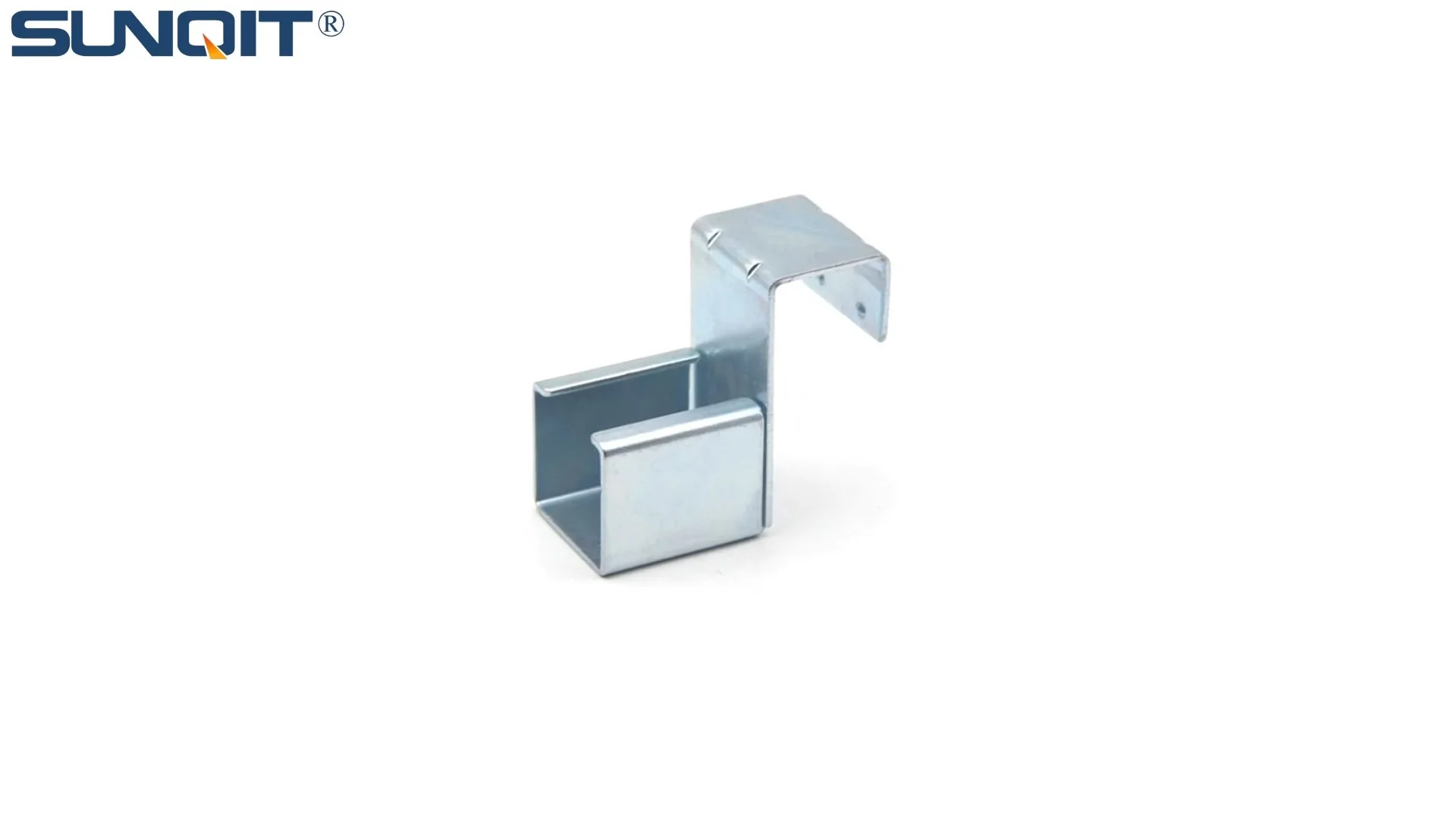
Roller track placon mount work as a connector for roller track and pipe or aluminum profile in rack syetem, it is a necessary parts in rack system which widely used in industrial plant and logistic,warehouse storage.
40 Roller Track Placon Mount drop High Maintenance Schedule: Best Practices
Ever walked through a manufacturing floor and marveled at how smoothly materials glide from one station to the next? Behind that seamless flow often lies a unsung hero: the 40 Roller Track Placon Mount drop High. It's not just a piece of equipment—it's the quiet backbone of your production line, the bridge between stagnation and efficiency. When it runs well, your team stays focused, deadlines get met, and your lean system hums like a well-tuned orchestra. But when it falters? Suddenly, bottlenecks appear, frustration rises, and that hard-earned rhythm grinds to a halt. That's why a solid maintenance schedule isn't just "good practice"—it's the secret to keeping your operation agile, your team motivated, and your bottom line healthy. Let's dive into how to care for this critical component, step by step, with tips that feel less like a chore and more like investing in your team's success.
Understanding Your 40 Roller Track Placon Mount drop High: More Than Just Rollers
First, let's get intimate with what makes this roller track special. Unlike generic conveyor parts, this model is built with precision-engineered aluminum profile—a material chosen for its perfect balance of strength and lightness. Think about it: aluminum resists rust, handles daily wear without bending, and keeps the track lightweight enough for easy adjustments (a huge win for lean system flexibility). The "drop high" design? That's the genius touch that ensures materials flow at just the right angle, reducing friction and preventing jams. And those placon mounts? They're the unsung heroes holding everything together, designed to lock into your existing aluminum frame with zero wiggle room. In short, this isn't just a track—it's a thoughtfully crafted piece of your lean solution puzzle, built to adapt as your production needs evolve.
Daily Habits: Small Actions, Big Impact
Maintenance doesn't have to be overwhelming. In fact, the most effective routines are the ones your team can stick to daily, almost without thinking. Let's break it down into three simple check-ins that take minutes but save hours of headaches later.
1. Pre-Shift Quick Scan (2 Minutes Tops!)
Start each day with a visual sweep. Walk the length of the track and ask: Are there any obvious obstacles? Dust bunnies, loose screws, or stray debris can turn into big problems fast. Run your hand gently along the aluminum profile edges—rough spots might mean a loose connector. Spin a few rollers with your finger—they should move freely, no squeaks or sticking. If something feels off, jot it down. This quick scan isn't just about the track; it's about setting a tone of care for the day. When your team sees you noticing the small things, they'll follow suit.
2. Mid-Shift "Pulse Check"
Halfway through the shift, take 30 seconds to watch the track in action. Are materials gliding evenly, or do some seem to slow down? Listen for unusual noises—a faint rattle or a high-pitched squeal could be a roller begging for lubrication. If a operator mentions "the track feels sticky today," don't brush it off. Stop, inspect, and fix it on the spot. Small issues here are like a cough—ignore them, and they turn into a full-blown cold for your production line.
3. End-of-Shift Tidy-Up
Before closing up, spend 5 minutes giving the track some love. Wipe down the aluminum profile with a dry cloth to remove dust and oil buildup (a microfiber cloth works wonders here). Check the placon mounts again—vibration from the day can loosen even the tightest screws. And if you noticed a finicky roller earlier? Take 2 minutes to spray a tiny bit of silicone lubricant (avoid heavy oils—they attract dust!). This isn't just cleaning; it's sending a message: "We care about the tools that help us succeed."
| Time of Day | Action | Why It Matters |
| Pre-Shift | Visual scan for debris; check roller movement; tighten loose mounts | Catches issues before they slow your team down |
| Mid-Shift | Observe material flow; listen for noises; address operator feedback | Stops small problems from snowballing |
| End-of-Shift | Wipe aluminum profile; lubricate sticky rollers; document issues | Sets up tomorrow's team for success |
Weekly & Monthly Deep Dives: Preventing Problems Before They Start
Daily checks keep the lights on, but weekly and monthly maintenance is where you prevent costly breakdowns. Think of it like taking your car for an oil change—annoying to schedule, but way better than a blown engine. Let's break this down into manageable tasks that won't derail your workflow.
Weekly: The "Under the Hood" Check
Set aside 15 minutes once a week (we like Friday afternoons, when the team's wrapping up) for a closer look. Grab a flashlight and inspect the roller bearings—those tiny metal balls inside the rollers. If they're dry or rusty, a drop of bearing grease (not too much!) will bring them back to life. Check the aluminum profile joints where the track connects to your frame—are the bolts tight? A quick quarter-turn with a wrench can prevent a wobbly track next week. And don't forget the end stops! They're easy to overlook, but a loose end stop can send materials sliding off the track, risking damage or delays. Finally, run a few test boxes along the track—if any roller skips or sticks, mark it for repair. This weekly ritual turns "maybe it'll hold" into "we know it will."
Monthly: Long-Term Health Check
Once a month, block off 30 minutes for a deep dive. Start by removing a few rollers (they pop out easily with a flathead screwdriver) to check for hidden debris inside the track bed—crumbs, metal shavings, or even a stray zip tie can cause big problems over time. Wipe the inside with a damp cloth, then dry thoroughly (aluminum loves staying dry!). Next, inspect the aluminum profile itself for scratches or dents—deep grooves can catch on materials, so sand them smooth with fine-grit sandpaper if needed. Finally, test the track's alignment: place a straightedge along the length—if it curves, adjust the placon mounts until it's straight as an arrow. This isn't just maintenance; it's extending the life of your equipment, so you won't be stuck replacing it a year earlier than necessary.
| Weekly |
• Lubricate roller bearings
• Tighten placon mount bolts • Inspect end stops • Test roller movement with sample materials |
| Monthly |
• Clean track bed of hidden debris
• Sand minor scratches on aluminum profile • Align track with straightedge • Check placon mount wear (replace if cracked) |
Troubleshooting Common Issues: Turn Frustration Into Fixes
Even with great maintenance, problems happen. The key is to turn "Uh-oh, it's broken" into "Got it, let's fix this fast." Here are the most common headaches and how to solve them—no fancy tools required.
Problem 1: Rollers Are Squeaking or Sticking
Squeaky rollers aren't just annoying—they're a cry for help. 9 times out of 10, the culprit is dry bearings or debris. First, spray a small amount of silicone lubricant (the kind in a straw bottle) directly into the bearing housing—spin the roller by hand to work it in. If that doesn't work, pop the roller out and check for hair, dust, or metal shavings inside. Wipe it clean, relubricate, and pop it back in. Still sticking? The bearing might be worn out—swap it with a spare (you do keep spares, right?). Pro tip: Keep a small toolkit near the track with lubricant, a screwdriver, and 2-3 spare rollers. Your team will thank you for cutting down "downtime panic."
Problem 2: Materials Keep Jamming at the Same Spot
A recurring jam is like a puzzle—let's solve it. First, check the track alignment: is that section slightly lower than the rest? Adjust the placon mounts to level it out. If alignment looks good, inspect the rollers in that area—one might be bent or worn down. replace it, then test with a few materials. Still jamming? Look at the materials themselves—are they heavier than usual? The "drop high" angle might need a tweak (most placon mounts let you adjust height by 1-2cm). Small changes here can turn a daily frustration into a "why didn't we think of this sooner" moment.
Problem 3: Placon Mounts Feel Loose, Even After Tightening
Loose mounts are a red flag—they mean the connection between the track and your aluminum frame is weakening. First, check if the bolts are stripped (common if over-tightened). replace them with new ones (always use the size specified in the manual—too big will crack the aluminum profile!). If the frame itself has stripped threads, wrap the bolt in Teflon tape before screwing it in—that adds extra grip. For really stubborn cases, add a small washer under the bolt head to distribute pressure. Remember: A tight mount isn't just about stability—it's about safety. A wobbly track puts your team at risk of trips or falling materials.
Linking Maintenance to Your Lean System: It's All Connected
Here's the big picture: maintaining your 40 Roller Track Placon Mount drop High isn't just about the track itself—it's about living your lean solution values. Think about it: lean manufacturing is all about eliminating waste, right? And what's bigger waste than a production line stuck because of a preventable breakdown? Or a team spending 20 minutes fixing a jam that could've been avoided with 2 minutes of cleaning? When you prioritize maintenance, you're not just "fixing equipment"—you're teaching your team to value efficiency, to notice small problems before they grow, and to take pride in keeping the operation running smoothly. It's lean in action: small, consistent efforts that add up to big results.
Plus, this track's aluminum profile design plays into lean's "sustainability" ethos. Unlike steel tracks that rust and need replacing every few years, aluminum lasts decades with proper care. That means less waste, fewer replacement orders, and more budget for the tools your team actually gets excited about. It's a win-win: your track stays reliable, your operation stays green, and your team sees that "sustainability" isn't just a buzzword—it's how you work.
Final Thoughts: Maintenance as a Team Sport
At the end of the day, the best maintenance schedule isn't a piece of paper—it's a culture. When everyone on the floor—from operators to supervisors—takes 2 minutes to check the roller track, to report a squeak, or to wipe down the aluminum profile, you build a team that looks out for each other and the tools they depend on. This 40 Roller Track Placon Mount drop High? It's more than metal and aluminum. It's a symbol of how your team works: together, proactively, and with pride in the details. So grab that lubricant, grab a wrench, and let's keep that track rolling—because when it runs well, your team runs well, and that's the ultimate win.