- Company Articles
- Products and Technology
- Product knowledge
- 40 Roller Track Placon Mount drop High Material Options: Aluminum vs Stainless Steel

40 Roller Track Placon Mount drop High Material Options: Aluminum vs Stainless Steel
Related Product
40 Roller Track Placon Mount drop High
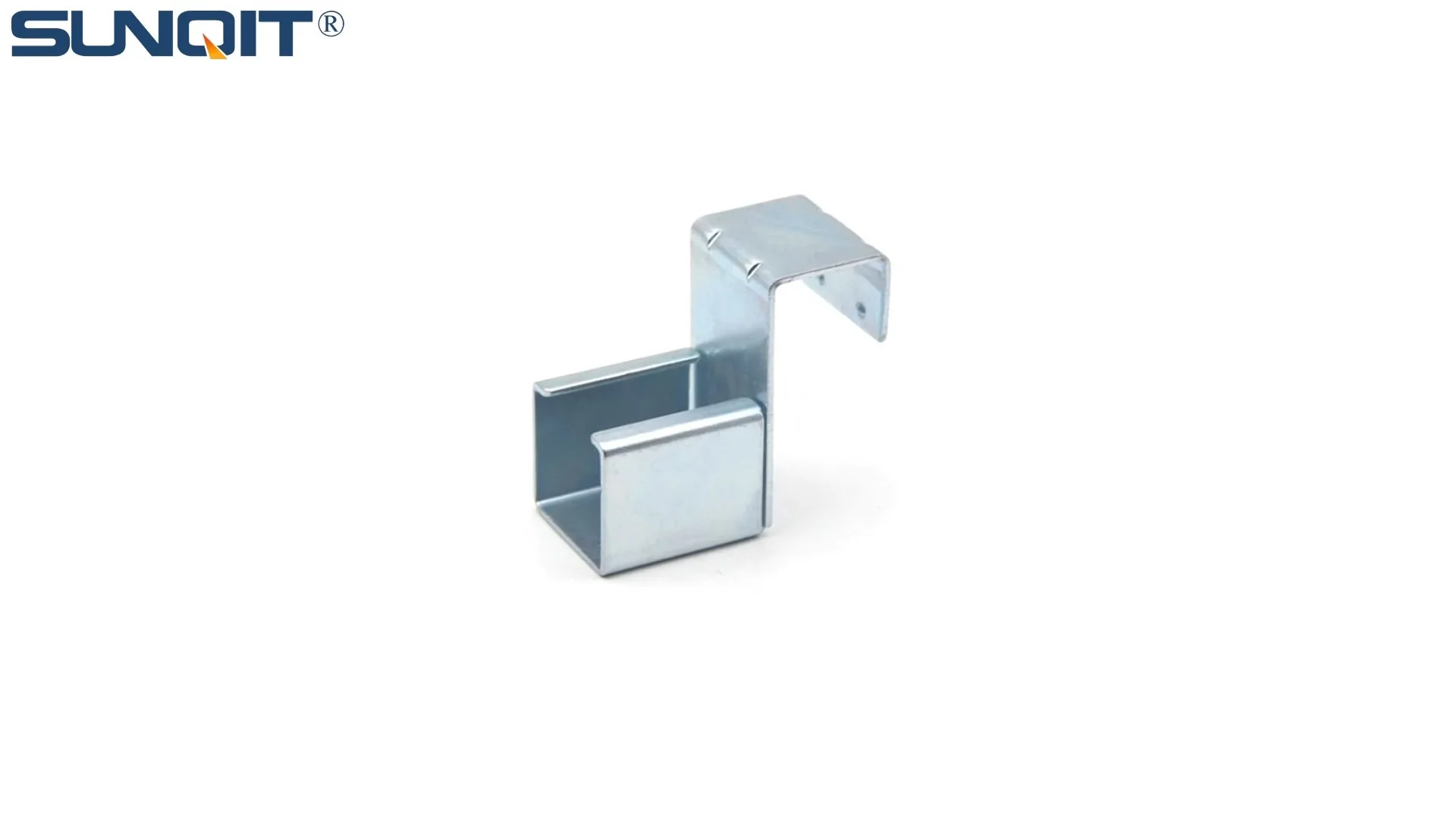
Roller track placon mount work as a connector for roller track and pipe or aluminum profile in rack syetem, it is a necessary parts in rack system which widely used in industrial plant and logistic,warehouse storage.
In the fast-paced world of manufacturing, where every second counts and efficiency is the name of the game, the smallest components often play the biggest roles. Take the 40 Roller Track Placon Mount drop High, for example. This unassuming piece of equipment—those metal tracks with rolling wheels that move parts from one workstation to the next—might not grab headlines, but it's the silent workhorse keeping production lines flowing. Whether you're assembling smartphones in a 3C factory, building car engines, or packaging medical devices, the material of your roller track can make or break your workflow. Choose the wrong one, and you're looking at frequent breakdowns, higher maintenance costs, and bottlenecks that grind productivity to a halt. Choose the right one, and you'll enjoy smooth, reliable material flow that aligns with your lean manufacturing goals. Today, we're diving deep into two of the most popular options: aluminum and stainless steel. By the end, you'll know exactly which material fits your operation—and why.
What Exactly Is 40 Roller Track Placon Mount drop High?
Before we compare materials, let's make sure we're all on the same page about what this track actually is. The 40 Roller Track Placon Mount drop High is a type of gravity conveyor system designed for lean production environments. It consists of a metal frame (the "track"), evenly spaced rollers, and mounting brackets that attach it to workbenches, racks, or production lines. The "drop high" refers to its height relative to the mounting surface—low enough to let materials glide smoothly, but high enough to integrate with other equipment like workstations or turnover trolleys.
Think of it as the circulatory system of your factory. Raw materials, semi-finished parts, and even finished products ride these tracks, moving from one stage of production to the next without manual lifting or pushing. In a typical automotive plant, for instance, you might see these tracks carrying gearboxes from the machining station to the assembly line. In a 3C facility, they could shuttle circuit boards between soldering and testing. The key here is flow —and the track's material directly impacts how well that flow works over time.
So why does material matter so much? Let's break it down. A roller track has to handle constant use: parts sliding over it 8+ hours a day, exposure to oils, coolants, or cleaning chemicals, and sometimes even heavy loads. If the material is too weak, the track bends. If it corrodes easily, rollers seize up. If it's too heavy, installing or reconfiguring the track becomes a hassle. That's where aluminum and stainless steel step in—each with its own strengths and weaknesses, tailored to different factory realities.
Aluminum vs. Stainless Steel: The Showdown
Choosing between aluminum and stainless steel isn't just about picking a metal—it's about matching your track to your factory's unique needs. Let's compare them across six critical categories to see how they stack up.
1. Strength & Load Capacity: How Much Can They Handle?
When it comes to raw strength, stainless steel has the edge. Most stainless steel tracks are made from 304 or 316 grade steel, which contain chromium and nickel for added toughness. A typical 40mm stainless steel track can comfortably support loads up to 150kg per meter—more than enough for heavy parts like engine blocks or large medical devices. That's why you'll often find stainless steel tracks in automotive or heavy machinery plants, where durability under stress is non-negotiable.
Aluminum, on the other hand, is lighter but still surprisingly strong—especially when alloyed with elements like magnesium and silicon (think 6063 aluminum, a common choice for tracks). An aluminum 40 Roller Track Placon Mount drop High usually tops out around 80-100kg per meter. That's perfect for medium-weight items: circuit boards, small components, or packaged pharmaceuticals. It's not that aluminum is "weak"—it's just optimized for different use cases. If your parts weigh less than 50kg each, aluminum will handle them without breaking a sweat.
2. Corrosion Resistance: Fighting the Elements
Factories are messy places. Oils drip, cleaning solutions splash, and some environments (like food processing or coastal plants) even have high humidity or salt in the air. Corrosion isn't just unsightly—it can jam rollers, weaken the track, and force premature replacements. Here's how our two materials hold up:
Aluminum naturally forms a thin oxide layer when exposed to air, which acts as a barrier against rust. This makes it resistant to mild moisture and common factory chemicals. However, it's not invincible. In highly acidic or alkaline environments—say, a battery manufacturing plant with sulfuric acid fumes—aluminum can corrode over time. You'll also want to avoid prolonged exposure to saltwater, which breaks down that oxide layer.
Stainless steel, true to its name, is the corrosion champion. The chromium in its composition reacts with oxygen to create a protective film that repairs itself if scratched. 304 stainless steel handles most factory environments, while 316 (with added molybdenum) thrives in extreme conditions: coastal areas, medical cleanrooms with harsh disinfectants, or chemical processing plants. If your track is going anywhere near water, chemicals, or high humidity, stainless steel is the safer bet.
3. Weight & Installation: Ease of Setup
Let's talk logistics. Aluminum is light—about one-third the weight of stainless steel. A 2-meter aluminum track might weigh 5-7kg, while the same length in stainless steel could hit 15-20kg. Why does this matter? Installing a track often means lifting it onto racks or workbenches, and lighter materials mean fewer workers are needed. In a busy factory where downtime is costly, this can cut installation time by half. It also makes reconfiguring your production line easier. If you need to move the track to a new workstation or adjust its angle, aluminum tracks are easy to carry and reposition—no forklift required.
Stainless steel's heft can be a double-edged sword. On one hand, its weight adds stability; heavy tracks are less likely to shift or vibrate under load, which is great for precision applications like semiconductor manufacturing. On the other hand, installation requires more manpower or equipment. If you're setting up a long track (say, 10 meters or more), you'll need to reinforce the mounting surface to support the weight. For factories with fixed layouts, this is a one-time hassle. But for lean operations that frequently retool lines (like 3C plants making seasonal electronics), stainless steel's weight can slow down those quick changes.
4. Cost: Short-Term vs. Long-Term
Let's get practical: budgets matter. Aluminum is almost always cheaper upfront. A meter of aluminum 40 Roller Track Placon Mount drop High might cost 30-40% less than its stainless steel counterpart. For small factories or startups watching cash flow, this is a big plus. But here's the catch: aluminum often has a shorter lifespan. In high-wear environments, you might need to replace aluminum tracks every 3-5 years. Stainless steel, while pricier to buy, can last 10+ years with minimal maintenance. So it's a trade-off: save now with aluminum, or invest in stainless steel for long-term durability.
To put this in perspective, let's say a factory needs 20 meters of track. Aluminum might cost $800 total, while stainless steel is $1,200. If the aluminum track needs replacement after 4 years, that's $200/year. Stainless steel, lasting 12 years, works out to $100/year. For factories planning to stay in the same space long-term, stainless steel actually saves money. For those with temporary setups or low production volumes, aluminum's lower upfront cost wins.
| Factor | Aluminum | Stainless Steel |
|---|---|---|
| Upfront Cost (per meter) | Lower ($30-$50) | Higher ($50-$80) |
| Expected Lifespan | 3-5 years (high use) | 10+ years (high use) |
| Annual Maintenance Cost | Higher (cleaning, minor repairs) | Lower (minimal upkeep) |
| Best For | Short-term setups, low budgets | Long-term operations, heavy use |
5. Environmental Adaptability: Hot, Cold, Wet, or Dry?
Factories aren't all the same—some are sweltering (think foundries), others air-conditioned (like medical device labs), and some are downright damp (outdoor warehouses). Aluminum and stainless steel handle these conditions differently.
Aluminum is a champion in moderate environments. It does well in dry, indoor spaces with stable temperatures—like a 3C assembly line or a furniture factory. But it struggles with extremes. High heat can make aluminum soft over time; leave an aluminum track near a furnace, and it might warp after a few years. Cold isn't great either—aluminum becomes brittle in sub-zero temperatures, increasing the risk of cracks if heavy parts hit it. And while it resists rust, it's not immune to pitting in highly acidic or alkaline environments. A factory using strong cleaning agents (like some food processing plants) might see aluminum tracks corrode faster than expected.
Stainless steel laughs at extremes. It handles high temperatures (up to 800°C for 304 stainless) without losing strength, making it ideal for factories with ovens or heat-treating processes. It stays tough in cold weather too—no brittleness here. And as we mentioned earlier, its corrosion resistance shines in wet or chemical-heavy spaces. A stainless steel track in a coastal warehouse (salty air) or a medical lab (frequent wipe-downs with alcohol) will look and work like new for years.
6. Aesthetics & Cleanability: More Than Just Looks
You might not think "aesthetics" matter for a factory track, but hear us out. Aluminum is highly customizable. It can be anodized (creating a hard, colored surface), painted, or powder-coated to match your factory's color scheme or brand. This is a small detail, but in customer-facing areas—like a factory tour route—it makes the space look more professional. Aluminum is also easy to clean; a quick wipe with a damp cloth removes dust or oil, which is handy for industries where appearance counts, like consumer electronics manufacturing.
Stainless steel, while less flashy, has its own visual appeal: a sleek, silver finish that's inherently clean-looking. This is a big deal in industries with strict hygiene standards, like medical device or pharmaceutical production. Stainless steel doesn't harbor bacteria (thanks to its non-porous surface), and it stands up to harsh sanitizers without discoloring. In a cleanroom where even a speck of dust can ruin a batch, stainless steel tracks are non-negotiable. They're also fingerprint-resistant—no more smudges from workers adjusting the track.

Which Material for Which Factory? Real-World Scenarios
Enough theory—let's put this into practice. Here are four common factory types and which material makes sense for their 40 Roller Track Placon Mount drop High.
Scenario 1: 3C Electronics Manufacturing (Smartphones, Laptops)
3C factories are all about speed and flexibility. Production lines change frequently (new phone models every 6-12 months), and parts are lightweight (circuit boards, screens, batteries). Here, aluminum is the star. Its light weight makes reconfiguring tracks quick—workers can move them in minutes to adapt to new assembly steps. The moderate environment (indoor, air-conditioned, low humidity) plays to aluminum's strengths, and its lower cost helps keep budgets in check for fast-turnaround projects. Plus, aluminum's clean, customizable look fits well with the high-tech vibe of 3C plants.
Example: A 3C manufacturer in Shenzhen was struggling with downtime when retooling their line for a new tablet model. They switched from steel tracks to aluminum, cutting reconfiguration time from 8 hours to 2 and reducing installation labor by 50%. The aluminum tracks handled the 2kg circuit boards easily, and after 4 years, they're still in use—no corrosion, no warping.
Scenario 2: Automotive Assembly (Engines, Transmissions)
Automotive plants are tough on equipment. Parts are heavy (engine blocks can weigh 100kg+), and tracks are exposed to oils, coolants, and constant use. Stainless steel is the clear winner here. Its strength handles the weight, and its corrosion resistance stands up to automotive fluids. Even better, stainless steel's durability means fewer replacements—critical in a 24/7 production environment where downtime costs thousands per minute.
Example: A mid-sized auto parts supplier in Michigan was replacing steel tracks every 2 years due to corrosion from cutting fluids. They switched to 304 stainless steel tracks and saw their track lifespan jump to 12 years. Maintenance costs dropped too—no more lubricating seized rollers or replacing rusted brackets. The initial investment paid off in under 3 years.
Scenario 3: Medical Device Production (Surgical Tools, Implants)
Medical manufacturing is all about precision and cleanliness. Tracks here need to resist harsh disinfectants (like hydrogen peroxide) and meet strict FDA or ISO standards for bacteria resistance. Stainless steel is non-negotiable. Its non-porous surface won't trap germs, and it stands up to daily wipe-downs with strong chemicals. Plus, its smooth finish won't scratch delicate parts like surgical scissors or implant components.
Example: A medical device maker in Germany needed tracks for their implant assembly line. Aluminum tracks corroded after 6 months of daily alcohol cleaning, leaving tiny pits that trapped bacteria. Switching to 316 stainless steel solved the problem—no corrosion, and the tracks passed their annual ISO 13485 audit with zero issues.
Scenario 4: Outdoor or Coastal Warehousing (Logistics, Distribution)
Outdoor warehouses face rain, snow, salt, and UV rays—tough conditions for any material. Stainless steel (especially 316 grade) is the only choice here. Its corrosion resistance laughs off saltwater spray (critical for coastal warehouses) and rain, while its durability handles temperature swings. Aluminum, left outside, would pit and corrode within a year, leading to seized rollers and unsafe material flow.
Example: A logistics company in Florida used aluminum tracks for their outdoor loading dock. After one rainy season, the tracks were covered in white rust, and rollers were sticking. They replaced them with 316 stainless steel tracks, and 5 years later, the tracks still work perfectly—even after hurricanes and salt air exposure.

How to Choose: 5 Questions to Ask Yourself
Still on the fence? Ask these five questions to narrow it down:
- What's the average weight of the parts moving on the track? If most parts are under 50kg, aluminum works. Over 50kg? Go stainless steel.
- What's my factory's environment like? Dry, indoor, and moderate temps? Aluminum. Wet, chemical-heavy, hot/cold, or outdoor? Stainless steel.
- Will I need to reconfigure the track often? Frequent changes (3C, seasonal production)? Aluminum (lightweight, easy to move). Fixed layout (automotive, heavy manufacturing)? Stainless steel.
- What's my budget timeline? Short-term (3-5 years)? Aluminum (lower upfront cost). Long-term (10+ years)? Stainless steel (better TCO).
- Do I have strict hygiene or appearance standards? Medical, food, or cleanrooms? Stainless steel. Consumer electronics or offices? Aluminum.
Remember, there's no "one size fits all" answer. Some factories even mix materials: aluminum tracks for light parts in dry areas, stainless steel for heavy or wet zones. The goal is to align your choice with your lean solution —maximizing efficiency, minimizing waste, and ensuring your track works for your production line, not against it.

The Bottom Line: It's About Your Factory's Story
At the end of the day, choosing between aluminum and stainless steel for your 40 Roller Track Placon Mount drop High is about understanding your factory's unique story. Are you a fast-growing 3C startup needing to pivot quickly? Aluminum is your partner. A medical manufacturer prioritizing cleanliness and compliance? Stainless steel is non-negotiable. An automotive giant focused on 24/7 reliability? Stainless steel will keep your line moving.
Both materials are excellent—they're just good at different things. Aluminum is the flexible, budget-friendly option for moderate, low-to-medium use. Stainless steel is the tough, long-lasting workhorse for heavy loads, harsh environments, and long-term operations. The key is to look beyond the price tag and think about how the track will perform every day in your factory. After all, a roller track isn't just metal and rollers—it's the backbone of your lean production flow. Choose wisely, and it will keep your parts moving, your workers efficient, and your bottom line healthy for years to come.