- Company Articles
- Products and Technology
- Installation And Maintenance
- 40 Roller Track Placon Mount drop High Troubleshooting: Fixing Jams and Misalignment

40 Roller Track Placon Mount drop High Troubleshooting: Fixing Jams and Misalignment
Related Product
40 Roller Track Placon Mount drop High
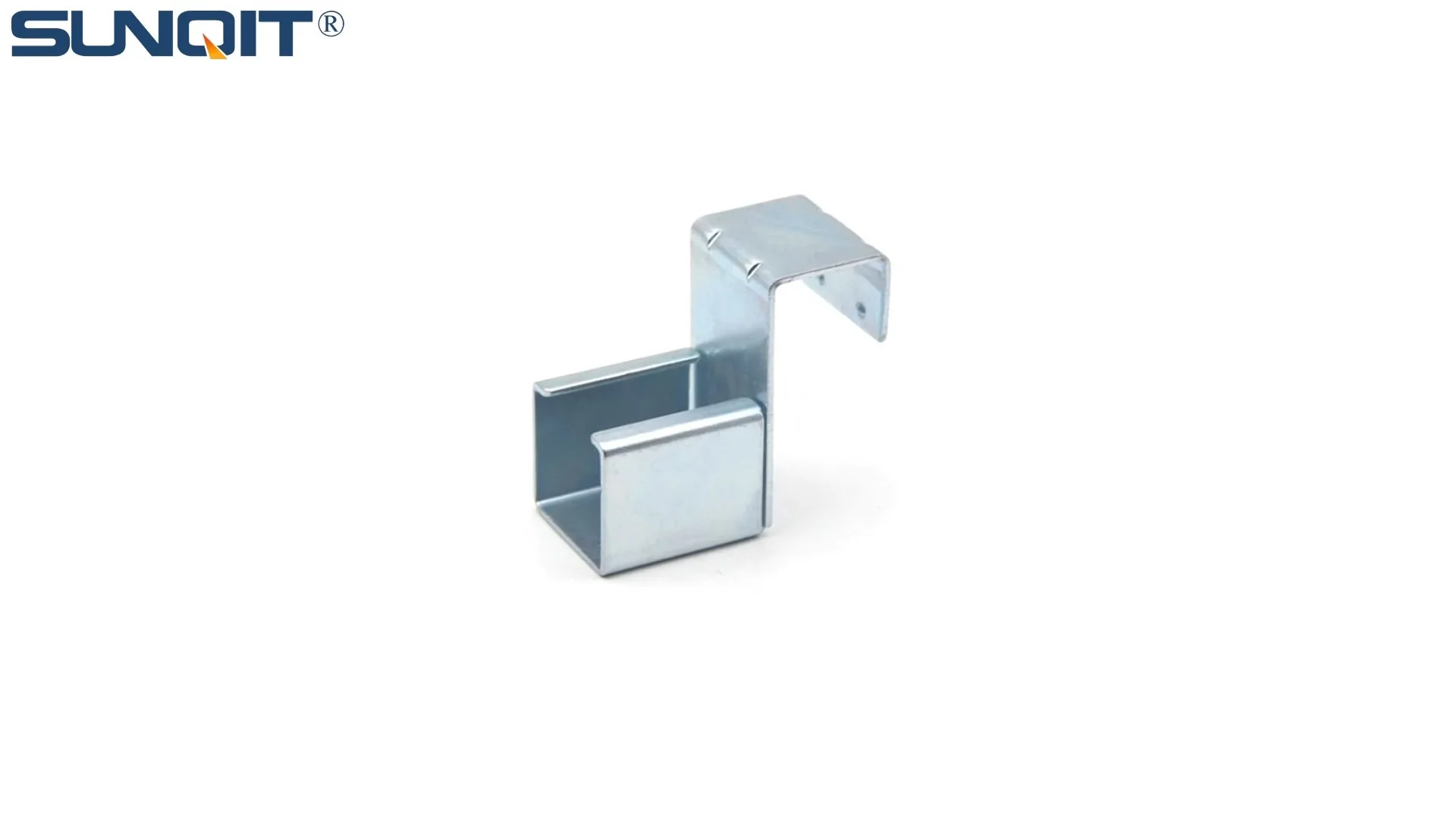
Roller track placon mount work as a connector for roller track and pipe or aluminum profile in rack syetem, it is a necessary parts in rack system which widely used in industrial plant and logistic,warehouse storage.
In the fast-paced world of manufacturing and logistics, every piece of equipment plays a critical role in keeping operations running smoothly. Among these, the 40 Roller Track Placon Mount drop High stands out as a workhorse—quietly ensuring parts, components, and products glide seamlessly through assembly lines, warehouses, and distribution centers. But what happens when this reliable workhorse hits a snag? Jams that bring production to a halt, misalignments that slow down workflows, or unexpected wear that compromises efficiency. If you've ever found yourself staring at a stuck roller track, wondering how to get things moving again, you're in the right place. Let's dive into the most common issues with your 40 Roller Track Placon Mount drop High, why they happen, and how to fix them—so you can get back to what matters most: keeping your operations lean, efficient, and on track.
Understanding Your 40 Roller Track Placon Mount drop High
Before we jump into troubleshooting, let's take a moment to appreciate why this roller track is such a staple in modern facilities. Designed with precision and durability in mind, the 40 Roller Track Placon Mount drop High is built to handle the demands of high-throughput environments. Its drop-high design—meaning the track sits slightly lower than standard models—makes it ideal for seamless transitions between workstations, conveyor systems, and lean pipe workbenches, ensuring materials flow without unnecessary lifting or shifting.
Crafted from robust aluminum profile, this roller track isn't just strong; it's also lightweight enough to integrate into various setups without adding excess bulk. Paired with high-quality roller track connectors and accessories, it's engineered to withstand daily use in industries like 3C assembly, automotive manufacturing, and (warehousing and logistics)—where reliability isn't just a nice-to-have, it's essential.
Key Role in Lean Systems: Think of your roller track as the "veins" of your lean pipe system. Just as lean principles focus on eliminating waste and continuous improvement, this track is designed to minimize friction (both literal and operational), ensuring materials move exactly where they need to be, when they need to be there. When it's working well, you might not even notice it—but when it's not? That's when you realize how critical it is to your workflow.
Common Culprits: Why Jams Happen
Jams are the most frustrating issue you'll face with your roller track. One minute, parts are sliding smoothly; the next, everything grinds to a halt. Let's break down the top reasons jams occur and how to spot them.
1. Debris and Contamination
In busy facilities, it's easy for small bits of debris to find their way into your roller track. Metal shavings from nearby machining, plastic fragments from packaging, or even dust buildup over time can wedge between rollers, creating resistance. This is especially common in 3C assembly lines, where tiny components like screws or connectors might fall into the track unnoticed.
2. Worn or Damaged Rollers
Rollers are the heart of your track, and over time, they take a beating. Constant contact with parts, varying weights, and even minor impacts can cause rollers to wear unevenly, develop flat spots, or seize up. If you notice a roller that's not spinning freely or looks visibly worn (scratches, cracks, or discoloration), it's likely contributing to jams.
3. Overloading the Track
Every roller track has a weight limit, and pushing past it is a recipe for trouble. Loading the track with heavier items than it's designed for can cause rollers to bend, misalign, or even break. This is a common issue in warehouses where teams might rush to move large batches, underestimating how much weight the track can handle.
4. Misaligned or Bent Track Sections
Even a small bend in the aluminum profile or a misalignment between track sections can disrupt the flow. This might happen due to accidental impacts (like a forklift bumping into a support), uneven flooring, or loose roller track placon mount brackets that hold the track in place. When sections aren't perfectly aligned, parts can catch on the edges, leading to jams.

Step-by-Step: Fixing Jams in Your Roller Track
Now that we know the "why," let's focus on the "how." Here's a detailed guide to resolving common jams and getting your track moving again.
| Issue | Tools You'll Need | Fix Steps |
|---|---|---|
| Debris Contamination | Soft brush, compressed air, lint-free cloth, mild cleaner |
1. Stop the line and disconnect power (if integrated with a motor).
2. Use the brush to gently sweep away loose debris. 3. Blow out hard-to-reach areas with compressed air. 4. Wipe rollers and track rails with a cloth dampened in mild cleaner. 5. Test by rolling a sample part to ensure smooth movement. |
| Worn/Damaged Rollers | Screwdriver, replacement rollers, wrench |
1. Identify the problematic roller(s) by spinning each one—stuck or rough rollers are the culprit.
2. Loosen the roller track placon mount connector holding the roller in place. 3. Remove the old roller and replace it with a new one (ensure it's the correct size: check for "40 steel roller track" or "38 aluminum roller track" specs). 4. Tighten the connector and test spin the new roller to confirm it moves freely. |
| Overloading | Weight scale, load capacity chart (check your product manual) |
1. Weigh the items causing the jam to confirm they exceed the track's limit.
2. Redistribute the load into smaller batches. 3. Post load limits near the track as a reminder for your team. 4. If consistent overloading is needed, consider upgrading to a heavier-duty model (e.g., 85 steel roller track for higher weight capacity). |
| Bent/Misaligned Sections | Level tool, rubber mallet, wrench, shims (if needed) |
1. Use the level to check for uneven sections along the track.
2. Loosen the roller track placon mount bracket securing the bent section. 3. Gently tap the aluminum profile back into alignment with the rubber mallet (avoid using metal tools directly on the track to prevent scratches). 4. Retighten the bracket and recheck levelness. 5. For severe bends, replace the damaged track section entirely. |
Pro Tip: After fixing a jam, always run a test batch of parts through the track to ensure the issue is fully resolved. Sometimes, a small adjustment might seem to work, but real-world use will reveal if there's a lingering problem.

Diagnosing Misalignment: When Your Track Isn't "Straight"
Misalignment is trickier than jams because it might not stop operations entirely—but it will slow them down. You might notice parts veering off course, making loud noises, or wearing unevenly. Here's how to diagnose and fix it.
Signs of Misalignment
- Parts consistently drift to one side of the track.
- Unusual squeaking or grinding sounds as items move.
- Premature wear on one edge of rollers or track rails.
- Difficulty transitioning parts to/from connected conveyor systems or workbenches.
Root Causes & Solutions
1. Loose Connectors or Brackets: Over time, the vibration of daily use can loosen roller track placon mount connectors or aluminum profile accessories. This is especially common at joints where track sections meet or where the track attaches to support structures (like lean pipe workbenches or aluminum profile frames).
Fix: Walk the length of the track and inspect every connector. Use a wrench to tighten any loose bolts or screws. Pay extra attention to areas near motors or high-traffic zones—these vibrate more and loosen faster.
2. Uneven Flooring or Support: If your facility's floor isn't level (common in older buildings or areas with heavy equipment), the track might tilt to one side. Even a small slope can cause big alignment issues over time.
Fix: Use a level to check the track from end to end. If you find a slope, adjust the support feet (many tracks use anti-slip adjustable leveling feet) or add shims under the mounting brackets to compensate. For severe unevenness, consider reinforcing the floor or installing a dedicated support frame using aluminum profile.
3. Poor Initial Installation: Sometimes, misalignment starts on day one. If the track wasn't installed with precision—using laser levels or reference points (like aligning with a nearby conveyor or workbench)—it might have been off-kilter from the beginning.
Fix: This might require a full reinstall. Start by marking a straight reference line along the desired path (use a string line or laser level). Then, realign each track section to this line, ensuring connectors are tight and the track is level both horizontally and vertically. If integrating with a conveyor, double-check that the track height matches the conveyor's surface to avoid "speed bumps" for parts.

Preventive Maintenance: Keep Jams and Misalignment at Bay
The best way to handle roller track issues is to prevent them from happening in the first place. A little regular maintenance goes a long way toward keeping your track running smoothly for years. Here's a simple maintenance schedule to follow:
Daily Checks (5-Minute Routine)
- Visually inspect the track for debris, loose rollers, or obvious bends.
- Run a test part through the track to listen for unusual noises.
- Check load limits are being followed (no overloaded carts or bins).
Weekly Deep Clean
- Use compressed air to blow out debris from roller gaps.
- Wipe down track rails and rollers with a dry cloth (add mild cleaner if needed for oil or grease buildup).
- Lubricate roller bearings (use a light machine oil—avoid heavy greases that attract dust).
Monthly Alignment & Tightening
- Check track alignment with a level tool.
- Tighten all roller track placon mount brackets, connectors, and fasteners.
- Inspect aluminum profile for signs of wear (dents, cracks, or corrosion) and replace damaged sections.
Quarterly Load Testing
Every three months, test the track with loads at 80% of its maximum capacity to ensure rollers and connectors can still handle the weight. This is especially important if your operations have changed (e.g., new heavier parts, increased throughput).
Lean Maintenance = Lean Operations: Remember, preventive maintenance isn't just about fixing things—it's about embodying the "continuous improvement" spirit of lean systems. By staying ahead of issues, you reduce downtime, extend the life of your equipment, and keep your workflow as efficient as possible. It's a small investment of time that pays big dividends in productivity.
Real-World Success: How Proper Maintenance Boosts Efficiency
Let's look at a real example to see how troubleshooting and maintenance make a difference. A 3C assembly plant in Shenzhen was struggling with daily jams on their 40 Roller Track Placon Mount drop High, causing production delays of 1–2 hours per day. After following the steps above, they identified two main issues: debris from circuit board assembly (tiny solder balls and plastic scraps) and worn rollers in high-traffic areas.
Their solution? They implemented a daily debris sweep before each shift, replaced 12 worn rollers with new 40 steel roller track yellow wheels (chosen for better visibility of debris), and added a small brush attachment at the start of the track to catch larger particles. Within a week, jams dropped by 90%, and production delays were eliminated. Over six months, this simple fix saved them over 300 hours of downtime—time that could be better spent on actual assembly work.
Another example: A warehouse using roller tracks to move turnover trolleys noticed parts were often misaligned when transferring to their lean pipe workbench. By realigning the track with the workbench using aluminum guide rail A and tightening loose connectors, they reduced transfer errors by 75%, making their picking process faster and more accurate.
When to Call in the Pros: Knowing Your Limits
While many issues can be fixed in-house, some problems require expert help. If you encounter any of the following, it's time to reach out to your roller track supplier or a lean solution specialist:
- Severe aluminum profile damage (e.g., bent sections that won't straighten, cracked rails).
- Consistent misalignment despite repeated adjustments (this might indicate a foundational issue with your facility's layout).
- Jams caused by design flaws (e.g., the track isn't compatible with your product sizes or weights—this is where custom lean solutions can help).
- Need for upgrades (e.g., switching from steel to aluminum roller track for lighter loads, or adding ESD features for sensitive electronics).
A good supplier won't just sell you parts—they'll work with you to analyze your workflow, identify inefficiencies, and recommend solutions that fit your specific needs. Whether it's a replacement roller track section, new aluminum profile accessories, or a complete system redesign, their expertise can save you time and frustration in the long run.
Final Thoughts: Your Roller Track, Your Workflow, Your Success
The 40 Roller Track Placon Mount drop High might seem like a simple piece of equipment, but it's the backbone of your material flow. When it's working well, it's invisible—quietly supporting your lean pipe system, conveyor, and workbench setups to keep operations moving. When it's not? It's a reminder of how even the smallest components can impact your entire workflow.
By understanding the causes of jams and misalignment, following the troubleshooting steps, and sticking to a regular maintenance schedule, you can keep your roller track in top shape. And remember, this isn't just about fixing problems—it's about embracing the lean mindset: continuous improvement, attention to detail, and a commitment to efficiency.
So the next time you walk past your roller track, take a moment to check on it. A quick inspection, a little cleaning, or a tightener of a loose connector might be all it takes to prevent a major jam tomorrow. Your team, your production goals, and your bottom line will thank you.