- Company Articles
- Products and Technology
- Product knowledge
- 40 Roller Track Placon Mount drop High vs Standard Roller Tracks: What's the Difference?

40 Roller Track Placon Mount drop High vs Standard Roller Tracks: What's the Difference?
Related Product
40 Roller Track Placon Mount drop High
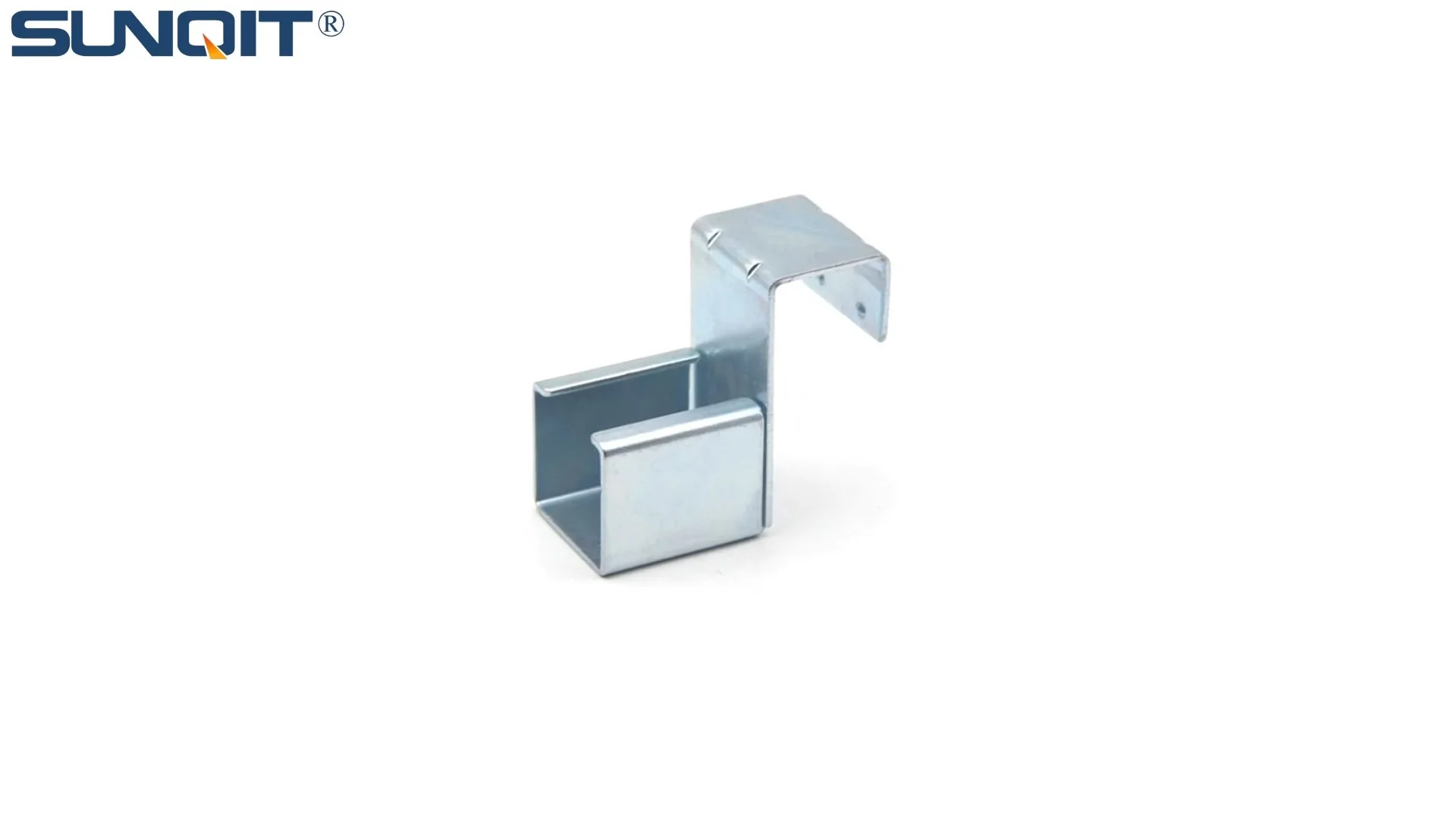
Roller track placon mount work as a connector for roller track and pipe or aluminum profile in rack syetem, it is a necessary parts in rack system which widely used in industrial plant and logistic,warehouse storage.
Walk into any manufacturing workshop, and you'll notice a silent hero hard at work: the roller track. It's the unsung backbone of material flow, quietly moving components from point A to B so assembly lines keep humming, warehouses stay organized, and deadlines get met. But here's the thing—all roller tracks aren't created equal. If you've ever stood in front of a catalog wondering whether to pick a "40 Roller Track Placon Mount drop High" or a standard model, you're not alone. These names might sound like jargon, but the difference between them could be the key to unlocking smoother workflows, fewer bottlenecks, and yes—even happier teams on the shop floor. Let's break it down like we're chatting over a cup of coffee, not poring over technical specs.
First Things First: What Are Roller Tracks, Anyway?
Before we dive into the "drop High" vs. "Standard" debate, let's make sure we're on the same page. Roller tracks—those lines of rotating wheels or cylinders mounted on a frame—are the workhorses of lean manufacturing. Think of them as the "conveyor belts without motors" for smaller, lighter loads. They let gravity (or a gentle push) do the heavy lifting, moving parts, boxes, or assemblies along a path with minimal effort. Whether you're feeding components to an assembly station, organizing parts in a flow rack, or connecting different stages of production, roller tracks keep things moving consistently —and consistency, as any manufacturer knows, is gold.
But here's where it gets interesting: not all production lines are the same. A 3C electronics plant assembling tiny circuit boards has different needs than a automotive parts warehouse moving heavy gearboxes. That's where specialized roller tracks, like the 40 Roller Track Placon Mount drop High, come in. They're not just "better" than standard tracks—they're tailored for specific jobs. Let's start with the basics: standard roller tracks.
Standard Roller Tracks: The Reliable "All-Rounder"
Standard roller tracks are the "everyday car" of material handling—you've seen them everywhere, and for good reason. They're designed to be simple, sturdy, and adaptable to most general manufacturing scenarios. Let's peel back the layers:
What Makes Them "Standard"?
Picture a basic frame—usually made of steel or aluminum—with evenly spaced rollers (often steel or plastic) mounted along its length. The rollers spin freely, so when you place a box or a pallet on top, it glides forward with minimal friction. Standard tracks typically come in fixed heights, with straightforward mounting options: bolt them to a workbench, attach them to a flow rack, or even mount them on the floor. They're like the LEGO bricks of material handling—easy to put together, no fancy tools required.
Where Do They Shine?
Standard tracks are your go-to for "middle-of-the-road" needs. Think: moving medium-weight items (say, 10-30kg per unit) in straightforward, horizontal paths. They're perfect for general warehouses, where you need to shift boxes from shelving to packing stations, or in production lines, where components like plastic panels or metal brackets need to move between workstations. Because they're widely available and cost-effective, they're a favorite for small to mid-sized factories that don't have ultra-specific space or load requirements.
The Upsides (and the "Buts")
Pros? They're budget-friendly, easy to install, and compatible with most basic material handling setups. If your line doesn't have tight space constraints or super-heavy loads, standard tracks will get the job done without fuss. But here's the catch: they're not built for "special cases." If your workshop has limited vertical space (like low-ceilinged areas in 3C assembly lines), or if you need to connect tracks at odd angles or varying heights, standard models might feel rigid. They also lack some of the fine-tuning features that could squeeze extra efficiency out of your workflow—more on that later.

40 Roller Track Placon Mount drop High: The "Precision Tool" for Tight Spaces
Now, let's meet the specialist: the 40 Roller Track Placon Mount drop High. The name might sound like a mouthful, but every part of it tells you something important. "40" likely refers to its width or series size (common in aluminum profile systems), "Placon Mount" points to its unique mounting (think: specialized brackets that lock into aluminum profiles), and "drop High" hints at its low-profile, space-saving design. This isn't just a roller track—it's a problem-solver for factories where space is at a premium and precision matters most.
Design Deep Dive: Built for Flexibility
Unlike standard tracks, which often use basic steel frames, the 40 Roller Track Placon Mount drop High is engineered to pair seamlessly with aluminum profiles—the lightweight, modular building blocks of modern lean systems. Its "Placon Mount" (like roller track placon mount brackets or connectors) let it attach directly to aluminum profile frames, which means you can adjust its height, angle, or position with tiny increments. The "drop High" part? That's about keeping things low. These tracks sit closer to the mounting surface, making them ideal for tight vertical spaces—like under workbenches or between conveyor levels in crowded 3C or medical device assembly lines.
But it's not just about height. The rollers themselves are often optimized, too. Many 40 series tracks use steel wheels (some with yellow or black ESD-safe coatings) spaced precisely to handle small, delicate parts without jamming. And because they're part of a modular system, you can mix and match them with other lean pipe accessories—like internal rotary aluminum joints or aluminum guide rails—to create custom paths that twist, turn, or drop exactly where you need them.
When to Choose This Specialist
This track shines in environments where "good enough" isn't enough. Let's take 3C assembly, for example: imagine a line building smartphones, where tiny circuit boards or camera modules need to move from one workstation to the next without jostling. The 40 Roller Track Placon Mount drop High's low profile and precise roller spacing keep these delicate parts stable, while its ESD-safe wheels prevent static damage—a make-or-break feature for electronics. In medical device manufacturing, where cleanliness and precision are non-negotiable, the aluminum construction resists rust, and the modular design makes it easy to sanitize and reconfigure as production needs change.
It's also a star in lean solution setups. Remember that "sustainable improvement"? These tracks are built to evolve with your line. If next month you need to add a new workstation or shift a track by 5cm, you won't have to tear everything down—just loosen a few brackets, adjust the aluminum profile, and you're good to go. That's the lean promise in action: minimal waste, maximum adaptability.
The Trade-Offs
Specialty tools come with specialty price tags—these tracks are often pricier than standard models, thanks to their precision engineering and aluminum. They also require a bit more know-how to install, since you'll need to work with aluminum profiles and Placon Mount connectors. But for many factories, the ROI is clear: faster material flow, fewer errors, and the ability to tweak your line without major overhauls. As one plant manager put it: "We spent a little more upfront, but we've saved hours of downtime and rework. It paid for itself in three months."

Side-by-Side: How They Stack Up
Still on the fence? Let's put them head-to-head. This table breaks down the key differences to help you decide:
| Feature | Standard Roller Tracks | 40 Roller Track Placon Mount drop High |
|---|---|---|
| Design Focus | General-purpose, simplicity | Precision, space-saving, modularity |
| Mounting | Basic bolt-on or floor mounting | Placon Mount brackets for aluminum profiles (high adjustability) |
| Height Profile | Standard height (may be bulkier) | Low-profile ("drop High") for tight spaces |
| Typical Load Capacity | Medium (10-30kg per unit) | Medium to high (up to 50kg with reinforced brackets) |
| Best For | General warehouses, simple assembly lines, budget-focused setups | 3C/electronics, medical devices, tight spaces, ESD-sensitive environments, lean systems |
| Flexibility | Fixed; hard to reconfigure | Highly adjustable (angle, height, path); easy to rework |
| Cost | Budget-friendly | Higher upfront cost, better long-term ROI for specialized needs |

So, Which One Should You Pick?
At the end of the day, there's no "winner"—only what works best for your shop floor. Here's a quick checklist to guide you:
- Ask about space: Do you have low ceilings or tight gaps between workstations? If yes, the 40 Roller Track Placon Mount drop High's low profile is a lifesaver.
- Think about parts: Are you moving heavy, sturdy items (like car parts) or small, delicate ones (like circuit boards)? Standard tracks handle bulk; the 40 series excels with precision.
- Plan for the future: Will your line need to change in 6 months? A year? Modular 40 series tracks grow with you, while standard tracks may need replacement if you reconfigure.
- Budget vs. value: If you're in a stable, low-change environment, standard tracks save cash. If you need efficiency and adaptability, the 40 series is an investment that pays off.
And remember: you don't have to choose one or the other. Many factories mix standard tracks for general areas and 40 Roller Track Placon Mount drop High for high-precision zones. That's the beauty of lean systems—they're about blending tools to fit your unique workflow.
Final Thoughts: It's About Making Work Flow (Literally)
Roller tracks might seem like small cogs in the manufacturing machine, but they're the ones that keep the whole system turning smoothly. Whether you go standard or opt for the 40 Roller Track Placon Mount drop High, the goal is the same: to make your team's work easier, your line faster, and your production more adaptable.
So next time you're standing in front of that catalog, think beyond the specs. Think about the operator who'll load parts onto that track every day—will it make their job smoother? Think about the deadlines you're chasing—will it cut down on delays? Think about the future of your line—will it grow with you? That's how you pick a roller track that doesn't just move parts, but moves your whole operation forward.
After all, in manufacturing, the best tools aren't just about metal and wheels—they're about people, progress, and the quiet confidence that comes from knowing your workflow is built to thrive.