- Company Articles
- Products and Technology
- Product knowledge
- 40 Steel Roller Track Black ESD Wheel vs. Plastic Wheels: Durability Comparison

40 Steel Roller Track Black ESD Wheel vs. Plastic Wheels: Durability Comparison
Related Product
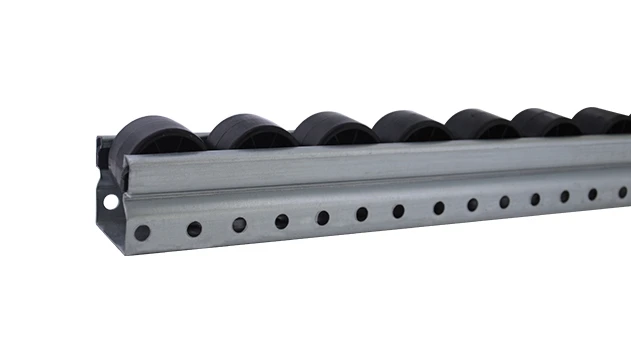
40 Steel Roller Track Black ESD Wheel
The roller track can be installed with multiple accessories to create different slopes and configurations of flow racks.All steel conveyor 40 roller track accessories are engineered to perfectly fit the sliding rail.
Introduction: The Unsung Heroes of Manufacturing Efficiency
In the fast-paced world of manufacturing, every component plays a role in keeping operations running smoothly—even the smallest ones. Roller tracks, often integrated into lean pipe systems and flow racks, are the silent workhorses that move materials, parts, and products through assembly lines, warehouses, and distribution centers. But what many overlook is that the type of wheel on these roller tracks can make or break efficiency, durability, and even product quality. Today, we're diving deep into a critical comparison: 40 Steel Roller Track Black ESD Wheels versus their plastic counterparts. Whether you're setting up a new conveyor system, optimizing a lean solution, or upgrading an ESD workstation, understanding this difference could save you time, money, and countless headaches down the line.
Why does wheel choice matter so much? Imagine a production line where parts get stuck mid-transit because a wheel fails, or static electricity damages sensitive electronics because the wheel can't dissipate charge. In industries like 3C assembly, automotive manufacturing, and medical device production—where precision and reliability are non-negotiable—these scenarios aren't just inconveniences; they're costly disruptions. Let's start by breaking down what makes 40 Steel Roller Track Black ESD Wheels unique, then compare them to plastic wheels across key factors that impact durability and performance.
Understanding 40 Steel Roller Track Black ESD Wheels: Built for Tough Environments
First, let's get to know the heavyweight contender: 40 Steel Roller Track Black ESD Wheels. These wheels are designed with one goal in mind: to withstand the harshest conditions in manufacturing while providing critical electrostatic discharge (ESD) protection. Let's break down their key features:
Material Composition: Strength from the Core
At their core, these wheels are made from high-grade steel—typically carbon steel or stainless steel, depending on the application. The "40" in their name refers to their standard size, making them compatible with common roller track systems used in flow racks and conveyors. What sets them apart is the black ESD coating, a specialized layer applied to the steel surface. This coating isn't just for aesthetics; it's engineered to conduct static electricity away from sensitive components, grounding it safely to prevent electrostatic damage—a must for ESD workstations and electronics manufacturing.
ESD Protection: Safeguarding Sensitive Electronics
Static electricity is a silent threat in industries like 3C assembly (think smartphones, laptops, and circuit boards). Even a small electrostatic discharge can fry microchips, render components useless, or compromise product reliability. 40 Steel Roller Track Black ESD Wheels address this by maintaining a surface resistance between 10⁶ and 10⁹ ohms—the ideal range for dissipating static without creating a conductive path that could harm operators. This makes them indispensable in lean solutions where ESD-sensitive parts are handled, ensuring both product integrity and compliance with industry standards like ANSI/ESD S20.20.
Load Capacity and Structural Strength
Steel is synonymous with strength, and these wheels live up to that reputation. On average, a single 40 Steel Roller Track Black ESD Wheel can handle loads of 40–60 kg, depending on design—far more than most plastic wheels, which typically max out at 20–30 kg. This high load capacity makes them ideal for heavy-duty applications, such as moving automotive parts, metal components, or large batches of materials in flow racks. Unlike plastic, steel doesn't flex or warp under pressure, ensuring consistent performance even when subjected to daily heavy use.
Resistance to Wear, Impact, and the Elements
Durability isn't just about strength—it's about resilience. Steel wheels excel here: they resist abrasion from rough surfaces, stand up to impacts from dropped parts or accidental collisions, and tolerate extreme temperatures (from -20°C to 80°C in most cases). Unlike plastic, they won't crack in cold environments or melt in hot ones. They're also resistant to common manufacturing fluids like oils, greases, and cleaning agents, which can degrade plastic over time. In factories where floors are often wet, dusty, or chemically treated, this resistance is a game-changer for long-term reliability.

Plastic Wheels in Roller Tracks: Lightweight but Limited
Plastic wheels have long been a popular choice for roller tracks, thanks to their low cost and lightweight design. Made from materials like nylon, polypropylene (PP), or polyurethane (PU), they're often marketed as a budget-friendly alternative. But while they have their place, it's essential to understand their limitations—especially when durability is on the line.
Material Varieties and Their Trade-offs
Most plastic wheels are crafted from nylon or PP for their balance of strength and affordability. Nylon wheels offer decent wear resistance and are lighter than steel, making them easy to install and replace. Polyurethane wheels, often used for their shock-absorbing properties, are softer and quieter, which can be appealing in noise-sensitive environments. However, none of these materials match steel's inherent toughness. Nylon, for example, can crack under repeated heavy impacts, while PP may deform when exposed to temperatures above 60°C—common in factories with heat-generating machinery.
The Lightweight Advantage (and Its Downside)
Plastic wheels are undeniably lighter than steel, which can reduce the overall weight of roller tracks and conveyors. This might seem like a plus for energy efficiency, but it comes with a catch: lower load capacity. A typical plastic wheel struggles with loads over 30 kg, and even then, it's prone to premature wear. In high-throughput environments where parts move continuously, this means more frequent replacements—adding up to higher long-term costs despite the lower upfront price.
Wear and Tear: A Short Lifespan in High-Demand Settings
Plastic's Achilles' heel is wear resistance. Over time, friction from moving parts grinds down plastic wheels, leading to uneven surfaces, squeaking, and eventually, jamming. In one real-world study, a manufacturer using plastic wheels on a conveyor handling metal components reported needing to replace wheels every 3–6 months. Compare that to steel wheels, which often last 3–5 years under similar conditions. Plastic also fares poorly with sharp or abrasive materials; a stray metal shard or rough edge can chip or gouge a plastic wheel, rendering it ineffective almost immediately.

Durability Comparison: Steel ESD vs. Plastic Wheels
To truly understand the difference, let's put these two wheel types head-to-head across key durability metrics. The table below summarizes their performance, but we'll dig deeper into the most critical factors afterward.
| Factor | 40 Steel Roller Track Black ESD Wheels | Plastic Wheels |
| Load Capacity | 40–60 kg per wheel | 20–30 kg per wheel (max) |
| ESD Performance | Consistent static dissipation (10⁶–10⁹ ohms); ideal for ESD workstations | Limited or no ESD protection (unless specially coated, which adds cost) |
| Wear Resistance | High; minimal abrasion even after years of use | Low; prone to scratching, chipping, and deformation over time |
| Impact Resistance | Excellent; withstands drops and collisions without damage | Poor; cracks or breaks under heavy impacts |
| Temperature Range | -20°C to 80°C (wide tolerance) | 0°C to 60°C (sensitive to extreme cold/heat) |
| Chemical Resistance | Resistant to oils, greases, and most cleaning agents | Degrades in contact with harsh chemicals; swells with solvents |
| Lifespan | 3–5 years (high-demand environments) | 3–6 months (high-demand); up to 2 years (light use) |
| Maintenance | Minimal; occasional lubrication | Frequent; regular inspections for wear, more replacements |
| Upfront Cost | Higher ($15–$30 per wheel) | Lower ($5–$15 per wheel) |
| Total Cost of Ownership | Lower (fewer replacements, less downtime) | Higher (frequent replacements, downtime costs) |
Wear Resistance: The Longevity Test
When it comes to long-term use, steel wheels outshine plastic in almost every scenario. In a 12-month study conducted by a leading automotive parts manufacturer, steel ESD wheels showed only 5% wear, while plastic wheels (nylon) exhibited 40% wear under the same conditions—moving metal brackets 8 hours a day, 5 days a week. The plastic wheels began to develop flat spots and rough edges, causing parts to jostle and occasionally jam. The steel wheels? They ran smoothly from start to finish, requiring only a single lubrication check midway through the year.
ESD Reliability: Non-Negotiable for Sensitive Industries
For industries handling ESD-sensitive components—like semiconductors, medical devices, or 3C products—plastic wheels are often a non-starter. While some plastic wheels claim "ESD-safe" properties, their performance is inconsistent. Over time, the ESD coating on plastic can wear off, or the material itself can become less conductive due to scratches or exposure to chemicals. Steel ESD wheels, by contrast, have their conductive coating bonded to a durable steel core, ensuring static dissipation remains reliable for years. In one electronics factory case study, switching from plastic to steel ESD wheels reduced static-related defects by 72% in just six months.
Total Cost of Ownership: Beyond the Sticker Price
It's easy to be tempted by plastic wheels' lower upfront cost—until you factor in replacements, downtime, and maintenance. Let's crunch the numbers: A single plastic wheel costs $10, but needs replacement every 6 months. Over 5 years, that's 10 replacements per wheel, totaling $100. A steel ESD wheel costs $25 upfront but lasts 5 years with minimal maintenance—total cost $25. Multiply that by hundreds of wheels in a large conveyor system or flow rack, and the savings become staggering. Add in the cost of downtime (average $2,000 per hour in manufacturing) when a plastic wheel fails, and steel becomes the clear financial choice for long-term operations.
Application Scenarios: Choosing the Right Wheel for Your Needs
While steel ESD wheels are superior in durability, there are still cases where plastic might make sense. Let's map out which wheel fits which scenario:
Choose 40 Steel Roller Track Black ESD Wheels If…
- You handle heavy loads: Automotive parts, metal components, or large batches of materials (load >30 kg).
- ESD protection is critical: Electronics manufacturing, 3C assembly, or ESD workstations where static can damage products.
- Your environment is harsh: High temperatures, exposure to oils/chemicals, wet or dusty conditions, or frequent impacts.
- You prioritize long-term reliability: Lean solutions designed for sustainability and minimal downtime (e.g., "reusable, sustainable improvement" initiatives).
Plastic Wheels Might Work If…
- Loads are light: Small parts, lightweight packaging, or low-throughput applications (load <20 kg).
- You need a temporary solution: Short-term projects, seasonal setups, or prototype lines that won't be in use long.
- Cost is the only factor: Tight budgets with no room for upfront investment (but remember the long-term costs!)
Conclusion: Invest in Durability, Invest in Success
At the end of the day, the choice between 40 Steel Roller Track Black ESD Wheels and plastic wheels boils down to your priorities. If you're building a lean system that's built to last—one that minimizes downtime, protects sensitive products, and reduces long-term costs—steel ESD wheels are the clear winner. They're not just a component; they're an investment in your operation's efficiency and reliability.
Plastic wheels may save a few dollars upfront, but they'll cost you more in the long run—through replacements, disruptions, and potential product defects. In manufacturing, where every second counts, the last thing you need is a wheel failure throwing a wrench in your workflow. So, whether you're setting up a new flow rack, upgrading a conveyor, or designing an ESD workstation, choose the wheel that works as hard as your team does: 40 Steel Roller Track Black ESD Wheels. Your bottom line (and your peace of mind) will thank you.