- Company Articles
- Products and Technology
- Application Cases
- 40 Steel Roller Track Black Wheels in Automotive Assembly: Streamlining Component Transport

40 Steel Roller Track Black Wheels in Automotive Assembly: Streamlining Component Transport
Related Product
40 Steel Roller Track Black Wheel
The roller track can be installed with multiple accessories to create different slopes and configurations of flow racks.All steel conveyor 40 roller track accessories are engineered to perfectly fit the sliding rail.
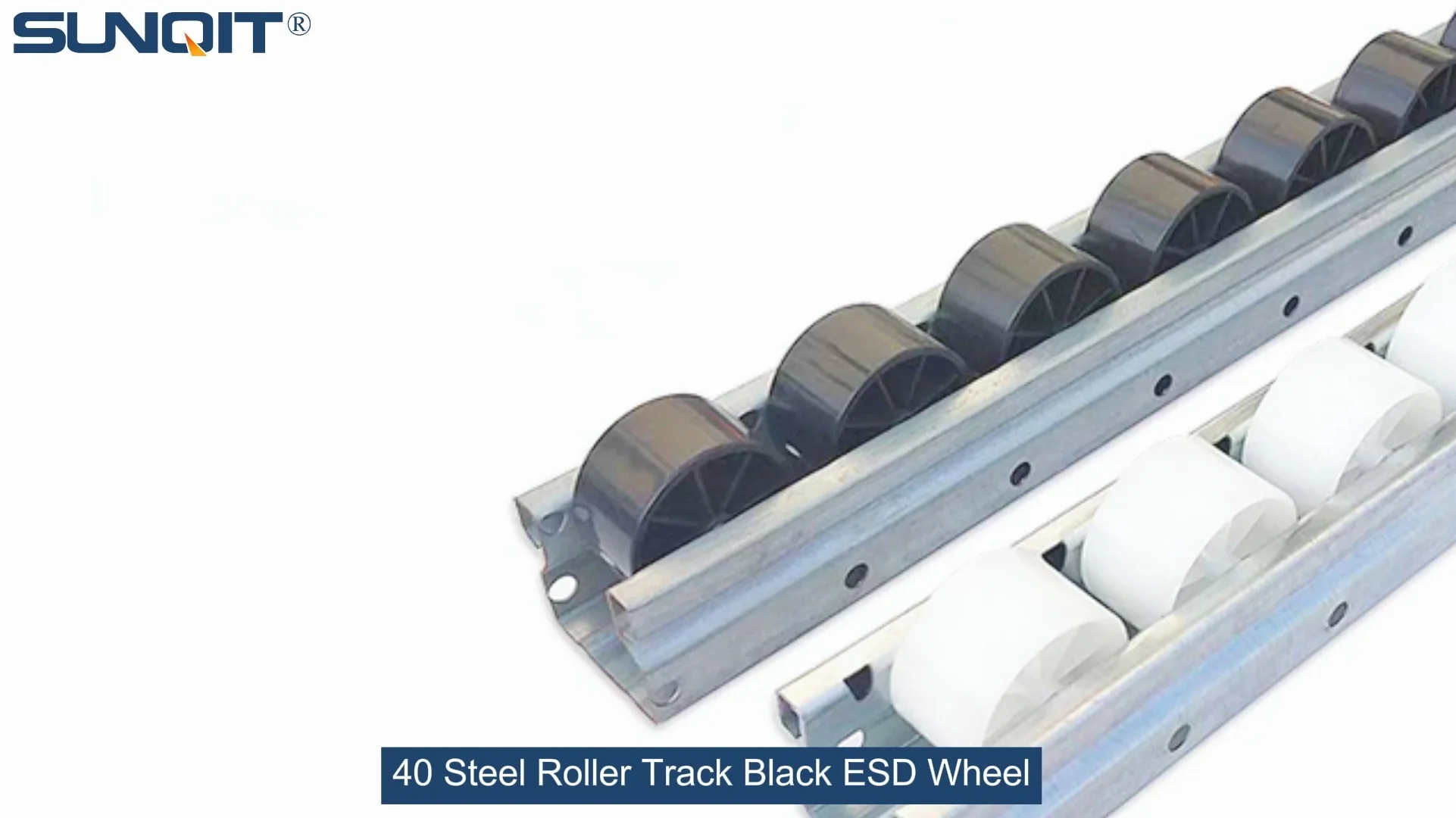
In the heart of a bustling automotive manufacturing plant, the rhythm of production never stops. From engine blocks to dashboard panels, thousands of components need to move seamlessly across the factory floor—each part has a precise destination, and every delay can send ripples through the entire assembly line. For automotive manufacturers, the challenge isn't just about building cars; it's about building efficiency into every step of the process. This is where the 40 Steel Roller Track with Black Wheels emerges as a quiet hero, transforming how components are transported and redefining what "lean manufacturing" truly means on the ground.
More than just a conveyor accessory, this roller track system is a cornerstone of modern lean solutions, designed to tackle the unique logistical hurdles of automotive assembly. Let's dive into how this unassuming yet powerful tool is streamlining component transport, reducing waste, and driving productivity to new heights.
The Hidden Hurdles of Component Transport in Automotive Assembly
Automotive assembly lines are marvels of complexity. A single vehicle requires over 30,000 parts, ranging from tiny screws to bulky seats. Moving these parts efficiently isn't just about speed—it's about precision, reliability, and adaptability. Here's why traditional transport methods often fall short:
- Heavy Loads, Frequent Wear: Engine components, chassis parts, and metal panels are heavy. Plastic or lightweight roller systems can warp or crack under constant stress, leading to unexpected downtime.
- Variable Speeds and Stops: Assembly lines aren't one-size-fits-all. Some stations need parts delivered slowly for careful installation, while others require rapid transit. Rigid systems struggle to adjust.
- Space Constraints: Modern factories maximize every square inch. Transport systems must fit into tight gaps between workbenches and conveyor belts without limiting worker movement.
- Cost of Downtime: A stuck roller or misaligned track can halt a section of the line, costing manufacturers thousands of dollars per minute in lost production.
These challenges aren't just logistical—they eat into profit margins and slow down innovation. For plant managers, the search for a solution often leads to one question: How do we build a transport system that's tough enough for the job, flexible enough to adapt, and smart enough to reduce waste?
Why 40 Steel Roller Track Black Wheels Stand Out
The 40 Steel Roller Track with Black Wheels isn't just another piece of hardware. It's a engineered response to the demands of automotive manufacturing. Let's break down its key features and why they matter:
1. Built to Last: Steel Construction for Heavy-Duty Performance
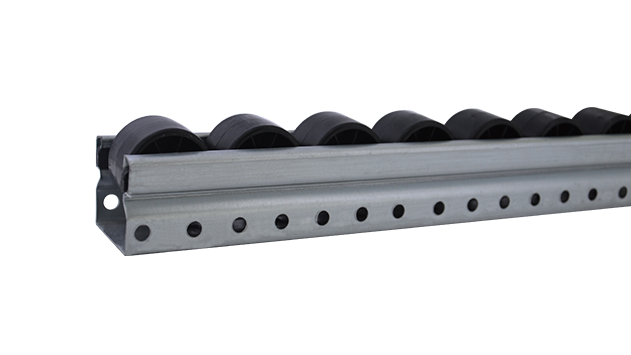
At its core, this roller track is made from high-grade steel—chosen for its exceptional strength-to-weight ratio. Unlike aluminum or plastic alternatives, steel resists bending under heavy loads (up to 500 kg per meter, depending on configuration) and stands up to the daily grind of a busy factory. Whether transporting engine blocks or transmission parts, the track maintains its shape and alignment, even after years of use.
2. Black Wheels: More Than Just a Color
The black wheels are a deliberate design choice, not just an aesthetic one. Made from a proprietary rubber compound, they offer two critical advantages:
- Enhanced Grip: The rubberized surface prevents parts from slipping during transport, even when moving at an incline or around corners. This is especially crucial for delicate components like electronic wiring harnesses.
- Reduced Noise: Anyone who's worked in a factory knows the constant hum of machinery can be draining. These wheels dampen vibrations, cutting down on operational noise by up to 30% compared to metal-on-metal systems—creating a quieter, more pleasant work environment.
3. Modular Design: Flexibility to Fit Your Layout
Lean manufacturing thrives on adaptability, and this roller track delivers. Its modular design allows for easy customization: sections can be cut to length, curved to navigate tight corners, or combined with lean pipe workbenches and conveyors to create a seamless workflow. Need to reconfigure a section of the line for a new model? The track disassembles quickly, with no welding required—saving hours of downtime.
4. Low Maintenance, High Reliability
Factory maintenance teams have enough on their plates without adding "fix roller tracks" to the list. The 40 Steel Roller Track minimizes hassle with:
- Sealed Bearings: Each wheel is fitted with sealed bearings to prevent dust and debris from jamming the mechanism, reducing the need for frequent cleaning.
- Corrosion Resistance: The steel frame is coated with a protective layer to resist rust, even in humid or oily factory environments.
- Easy Replacement: If a wheel does wear out (after years of use), it can be swapped out in minutes with basic tools—no need to replace the entire track.
In Action: How Automotive Plants Are Using 40 Steel Roller Track
Theory is one thing—real-world results are another. Let's look at a hypothetical (but realistic) case study of a mid-sized automotive manufacturer that upgraded to 40 Steel Roller Track Black Wheels:
Case Study: XYZ Motors Reduces Transport Time by 22%
Before: XYZ Motors was using a mix of plastic roller tracks and manual carts to move chassis components. The plastic tracks often cracked under heavy loads, leading to 3-4 breakdowns per month. Workers spent 15% of their shift manually pushing carts, and parts frequently arrived at stations out of sequence.
After: The plant replaced 80 meters of plastic track with 40 Steel Roller Track Black Wheels, integrating it with existing lean pipe workbenches and conveyor systems. Within three months:
- Breakdowns dropped to zero—no more unexpected line stops.
- Manual cart use decreased by 40%, freeing workers to focus on assembly tasks.
- Component transport time between stations fell from 4.5 minutes to 3.5 minutes—a 22% improvement.
- Worker satisfaction scores rose by 18%, thanks to reduced physical strain and quieter work areas.
This isn't an isolated success. From luxury car brands to commercial vehicle manufacturers, plants report similar gains: fewer delays, lower maintenance costs, and a smoother flow of parts. It's lean manufacturing in action—using the right tools to eliminate waste and boost value.

40 Steel Roller Track vs. Alternatives: A Clear Winner for Automotive
Not all roller tracks are created equal. Let's compare the 40 Steel Roller Track Black Wheels to common alternatives to see why it's the top choice for automotive assembly:
| Feature | 40 Steel Roller Track (Black Wheels) | Aluminum Roller Track | Plastic Roller Track | Traditional Belt Conveyor |
|---|---|---|---|---|
| Max Load Capacity | Up to 500 kg/m | Up to 200 kg/m | Up to 100 kg/m | Up to 800 kg/m (but bulkier) |
| Noise Level | Low (55-60 dB) | Medium (65-70 dB) | Medium (60-65 dB) | High (75-80 dB) |
| Installation Flexibility | High (modular, easy to reconfigure) | Medium (lighter but less durable) | High (lightweight, but fragile) | Low (fixed, hard to modify) |
| Maintenance Cost (Annual) | Low ($200-$300 per 10m) | Medium ($400-$500 per 10m) | High ($600-$800 per 10m) | Very High ($1,000+ per 10m) |
| Best For | Heavy parts, variable speeds, tight spaces | Light parts, cleanrooms | Lightweight, low-use applications | Continuous, high-speed bulk transport |
For automotive plants, the choice is clear: 40 Steel Roller Track Black Wheels offer the perfect balance of strength, flexibility, and cost-effectiveness. While belt conveyors handle heavier loads, they're too rigid for dynamic assembly lines. Aluminum and plastic tracks work for lighter parts but can't keep up with the demands of daily automotive production.

Lean and Green: Sustainability in Every Roll
Today's manufacturers don't just care about efficiency—they care about the planet, too. The 40 Steel Roller Track Black Wheels aligns with sustainability goals in three key ways:
1. Longevity Reduces Waste
Steel's durability means the track lasts 10-15 years, compared to 3-5 years for plastic systems. Fewer replacements mean less material waste and lower carbon emissions from manufacturing new parts.
2. Energy Efficiency
The smooth-rolling black wheels require less power to move loads than friction-heavy belt conveyors. Over time, this reduces energy consumption—good for the environment and the bottom line.
3. Recyclable and Reusable
At the end of its lifespan, the steel track is 100% recyclable. Even better, its modular design means sections can be repurposed for other areas of the factory, extending their useful life and minimizing waste.
For companies aiming to meet ESG (Environmental, Social, Governance) targets, this isn't just a bonus—it's a necessity. The 40 Steel Roller Track proves that lean manufacturing and sustainability can go hand in hand.
What's Next? The Future of Roller Track Technology
As automotive manufacturing evolves—with electric vehicles, autonomous assembly, and smart factories—so too will transport systems. The 40 Steel Roller Track Black Wheels is already adapting, with innovations like:
- IoT Integration: Sensors embedded in the track can monitor wheel wear, load distribution, and speed in real time, alerting maintenance teams before issues arise.
- Custom Coatings: New anti-corrosion and anti-static coatings make the track suitable for electric vehicle battery assembly, where static discharge can damage sensitive components.
- AI-Powered Routing: When paired with smart conveyors, the track can dynamically adjust speeds based on assembly line demand, further reducing wait times.
These advancements aren't just about keeping up with trends—they're about staying ahead. For forward-thinking manufacturers, investing in adaptable systems like the 40 Steel Roller Track ensures they're ready for whatever the future of automotive assembly brings.
More Than a Track—A Foundation for Success
In the fast-paced world of automotive manufacturing, every component, every process, and every tool matters. The 40 Steel Roller Track with Black Wheels may not grab headlines, but it's the kind of innovation that transforms factories from good to great. It's tough enough to handle the heaviest parts, flexible enough to adapt to changing needs, and smart enough to reduce waste—all while keeping workers safe and productive.
For plant managers, engineers, and lean manufacturing enthusiasts, this roller track is more than a purchase—it's an investment in efficiency, reliability, and the future of your operation. When you're building cars that move the world, you need a transport system that moves with you.
So, the next time you walk through an automotive factory, take a closer look at the tracks beneath those moving parts. Chances are, you'll see the 40 Steel Roller Track Black Wheels—quietly, steadily, streamlining the journey from parts to finished vehicles. And that's the power of lean solutions: they don't just solve problems—they make better manufacturing possible.