- Company Articles
- Products and Technology
- Application Cases
- 40 Steel Roller Track Green: A Case Study in 3C Assembly Line Sustainability

40 Steel Roller Track Green: A Case Study in 3C Assembly Line Sustainability
Related Product
40 Steel Roller Track Green
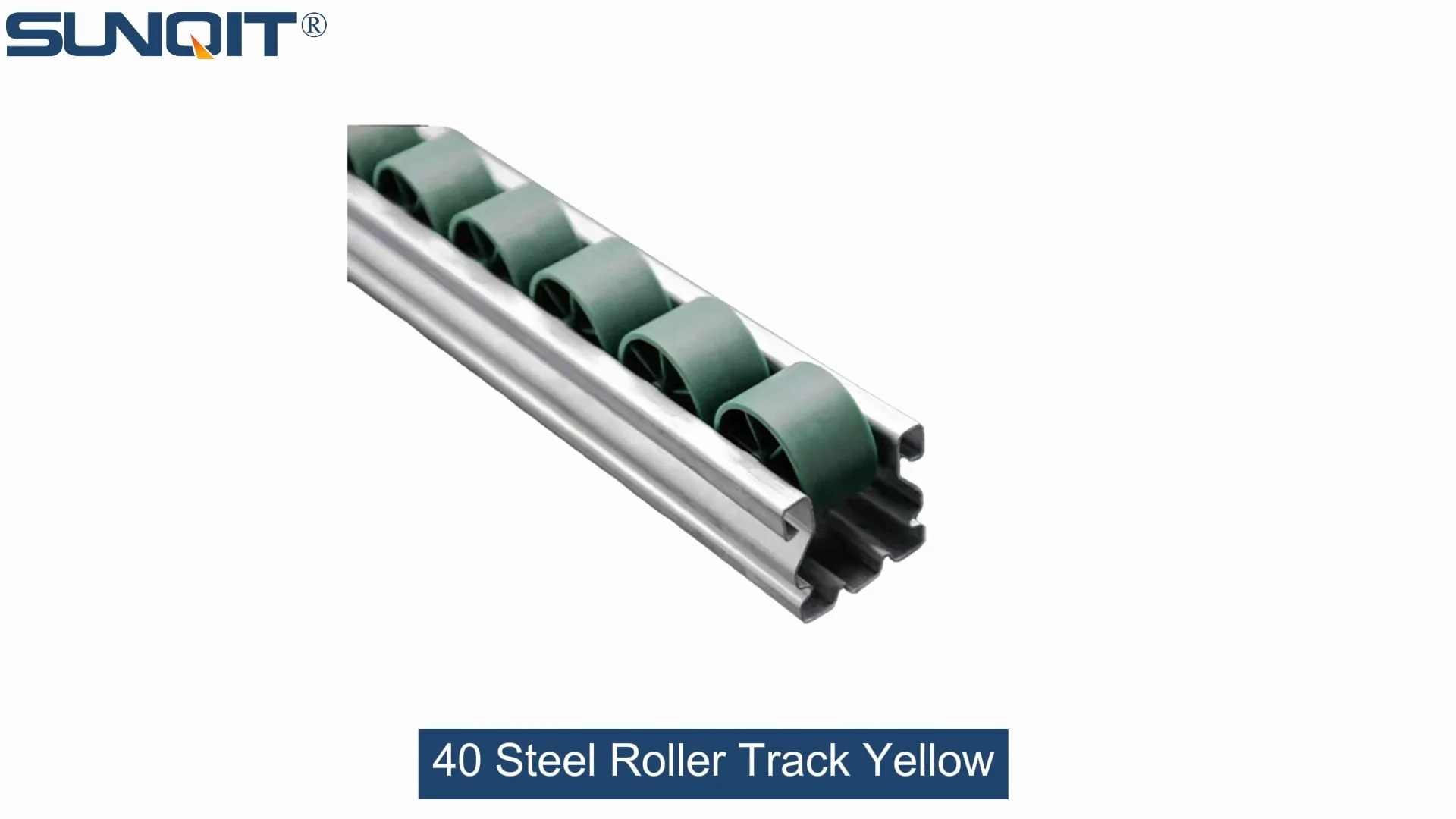
The roller track can be installed with multiple accessories to create different slopes and configurations of flow racks.All steel conveyor 40 roller track accessories are engineered to perfectly fit the sliding rail.
The 3C (Computer, Communication, Consumer Electronics) industry is one of the fastest-growing sectors globally, driven by constant innovation and consumer demand for new devices. However, this rapid growth comes with significant challenges—especially when it comes to sustainability. Manufacturers are under increasing pressure to reduce waste, lower energy consumption, and create more flexible production systems that can adapt to changing market needs without sacrificing efficiency. In this case study, we explore how the implementation of the 40 Steel Roller Track Green, as part of a comprehensive lean solution, transformed the assembly line of a mid-sized 3C component manufacturer, leading to dramatic improvements in both sustainability and operational performance.
The Challenge: Inefficiency and Waste in Traditional Assembly Lines
Let's take XYZ Tech, a manufacturer specializing in smartphone camera modules, as our example. Before adopting the new system, XYZ Tech's assembly line faced several critical issues:
- Bottlenecks and Inflexibility: The line used fixed metal conveyors and rigid workstations that were difficult to reconfigure. When launching a new camera module model, the team spent 48 hours dismantling and rebuilding parts of the line—leading to production delays and lost revenue.
- High Material Waste: Parts were stored in static bins, often leading to overproduction and expiration of components. The company reported a 12% waste rate for raw materials, which was well above industry averages.
- Energy Inefficiency: The old conveyor system used heavy motors and had high friction points, resulting in excessive energy consumption. Each unit produced required 15 kWh of electricity, contributing to a large carbon footprint.
- Poor Ergonomics: Workers had to reach across long distances to access parts, leading to fatigue and reduced productivity. The rigid workstations didn't accommodate different body types or task requirements.
XYZ Tech knew it needed a solution that could address these issues while aligning with its sustainability goals. After researching various options, the company partnered with a supplier specializing in lean manufacturing systems to implement a custom solution centered around the 40 Steel Roller Track Green.
The Solution: A Lean System Built Around 40 Steel Roller Track Green
The core of the solution was the 40 Steel Roller Track Green, a durable and eco-friendly component designed to enable smooth material flow in assembly lines. This roller track was integrated into a system that included flow racks, lean pipe workbenches made from aluminum profiles, and other customizable components. Here's how each part contributed to the overall improvement:
1. 40 Steel Roller Track Green: The Backbone of Material Flow
The 40 Steel Roller Track Green is a key component of the flow rack system. Its green coating not only makes it visually distinct but also provides corrosion resistance, extending its lifespan. The rollers are designed to minimize friction, allowing parts to move smoothly with minimal energy input. Unlike traditional conveyors, this roller track doesn't require continuous power—parts glide along using gravity, reducing energy consumption significantly.
2. Flow Rack System: Organized and Efficient Part Storage
Flow racks equipped with the 40 Steel Roller Track Green were installed along the assembly line. These racks use a first-in-first-out (FIFO) system, ensuring that parts are used in the order they are received. This eliminated waste from expired components and reduced overproduction by aligning part availability with actual production needs. The flow racks were also adjustable, allowing the team to change the number of lanes or the height of shelves quickly.
3. Lean Pipe Workbench: Customizable Workstations
Lean pipe workbenches made from aluminum profiles replaced the rigid old workstations. These workbenches are lightweight yet sturdy, and they can be reconfigured in minutes using simple tools—no welding required. Workers could adjust the height of the bench, add or remove shelves, and attach accessories like tool holders to suit their specific tasks. This improved ergonomics and reduced worker fatigue, leading to higher productivity.
4. Aluminum Profile Components: Flexible and Reusable
Aluminum profiles were used throughout the system, from the frame of the flow racks to the structure of the workbenches. These profiles are 100% recyclable and can be disassembled and reassembled into new configurations as needed. This meant that when XYZ Tech launched a new product, they didn't have to buy new equipment—they simply reconfigured the existing aluminum components, reducing waste and saving costs.
Key Insight: The combination of the 40 Steel Roller Track Green, flow racks, lean pipe workbenches, and aluminum profiles created a system that was not only efficient but also highly sustainable. Every component was designed to be reusable, recyclable, or both—aligning perfectly with XYZ Tech's sustainability goals.

Implementation Process: Phased Rollout for Minimal Disruption
The implementation of the new system was done in four phases to ensure minimal disruption to ongoing production:
Phase 1: Assessment and Design
The supplier's team conducted a detailed assessment of XYZ Tech's assembly line, mapping out workflow patterns, identifying bottlenecks, and understanding the specific needs of each station. Based on this assessment, they designed a custom layout that integrated the 40 Steel Roller Track Green into flow racks positioned next to lean pipe workbenches. The design focused on reducing the distance workers had to move parts and optimizing the flow of materials through the line.
Phase 2: Pilot Implementation
A small section of the assembly line was converted to the new system as a pilot. This allowed the team to test the components in a real production environment and make adjustments before a full rollout. The pilot phase revealed that the 40 Steel Roller Track Green reduced friction more than expected, leading to even lower energy consumption than initially projected.
Phase 3: Full Installation
After the pilot was successful, the full installation began. The team worked in shifts to install the flow racks and lean pipe workbenches during off-hours, ensuring that production continued without major interruptions. The entire installation was completed in three weeks, which was faster than the projected four weeks.
Phase 4: Training and Optimization
Workers were trained on how to use and reconfigure the new system. The supplier provided hands-on sessions to teach the team how to adjust the lean pipe workbenches, change the flow rack lanes, and maintain the 40 Steel Roller Track Green. After the initial training, the supplier continued to work with XYZ Tech for three months to optimize the system based on feedback from workers.

Results & Impact: Transforming Operational Performance
The results of the implementation were dramatic. Within six months, XYZ Tech saw significant improvements in every key metric. Here's a comparison of the old and new systems:
| Metric | Before Implementation | After Implementation | Percentage Improvement |
|---|---|---|---|
| Changeover Time (per new model) | 48 hours | 8 hours | 83% reduction |
| Material Waste Rate | 12% | 3% | 75% reduction |
| Energy Consumption per Unit | 15 kWh | 10 kWh | 33% reduction |
| Production Efficiency (units per hour) | 60 units | 90 units | 50% increase |
| Worker Fatigue Rate (reported) | 45% | 15% | 67% reduction |
| Carbon Footprint (per month) | 120 tons CO2e | 90 tons CO2e | 25% reduction |
These improvements had a direct impact on XYZ Tech's bottom line. The company reported a 20% increase in profit margins within the first year of implementation, thanks to reduced waste, lower energy costs, and higher productivity. Additionally, the system's flexibility allowed XYZ Tech to launch new products 30% faster than before, giving them a competitive edge in the market.

Sustainability Benefits: Beyond Operational Efficiency
While the operational improvements were impressive, the sustainability benefits of the system were equally significant. Here's how the solution contributed to XYZ Tech's eco-friendly goals:
1. Reduced Material Waste
The flow rack system with the 40 Steel Roller Track Green eliminated overproduction by ensuring that parts were only available when needed. The FIFO system also reduced waste from expired components. Additionally, the aluminum profiles used in the workbenches and flow racks are reusable—when the company needs to change the layout, they simply disassemble the profiles and reassemble them into a new configuration, rather than buying new materials.
2. Lower Energy Consumption
The 40 Steel Roller Track Green uses gravity instead of motors to move parts, reducing energy consumption significantly. The aluminum components are lightweight, which also contributes to lower energy use during transportation and installation. Overall, XYZ Tech's energy costs decreased by 25% after implementing the system.
3. Recyclability and Reusability
All components of the system are either recyclable or reusable. The 40 Steel Roller Track Green is made from steel, which is 100% recyclable. The aluminum profiles can be reused indefinitely, and even when they reach the end of their lifespan, they can be melted down and recycled into new products. This reduces the company's reliance on virgin materials and minimizes its environmental impact.
4. Extended Equipment Lifespan
The 40 Steel Roller Track Green's corrosion-resistant coating and durable design mean it has a longer lifespan than traditional conveyor components. This reduces the frequency of replacements, further cutting down on waste and costs. XYZ Tech estimates that the system will last at least 10 years, compared to the 5-year lifespan of their old equipment.
Conclusion: A Model for Sustainable 3C Manufacturing
The implementation of the 40 Steel Roller Track Green and the accompanying lean solution transformed XYZ Tech's assembly line into a model of sustainability and efficiency. The system not only improved operational performance but also aligned with the company's environmental goals, reducing its carbon footprint and material waste.
For 3C manufacturers looking to stay competitive in today's market, this case study provides a clear roadmap. By investing in flexible, eco-friendly components like the 40 Steel Roller Track Green, flow racks, and lean pipe workbenches, companies can achieve both operational excellence and sustainability. The key takeaway is that sustainability doesn't have to come at the cost of efficiency—in fact, the two often go hand in hand.
As the 3C industry continues to grow, the demand for sustainable manufacturing solutions will only increase. The 40 Steel Roller Track Green is more than just a component—it's a symbol of how innovative design can help companies meet the challenges of the future while protecting the environment.