- Company Articles
- Products and Technology
- Application Cases
- 40 Steel Roller Track Green for Automotive Parts Logistics: A Case Study

40 Steel Roller Track Green for Automotive Parts Logistics: A Case Study
Related Product
40 Steel Roller Track Green
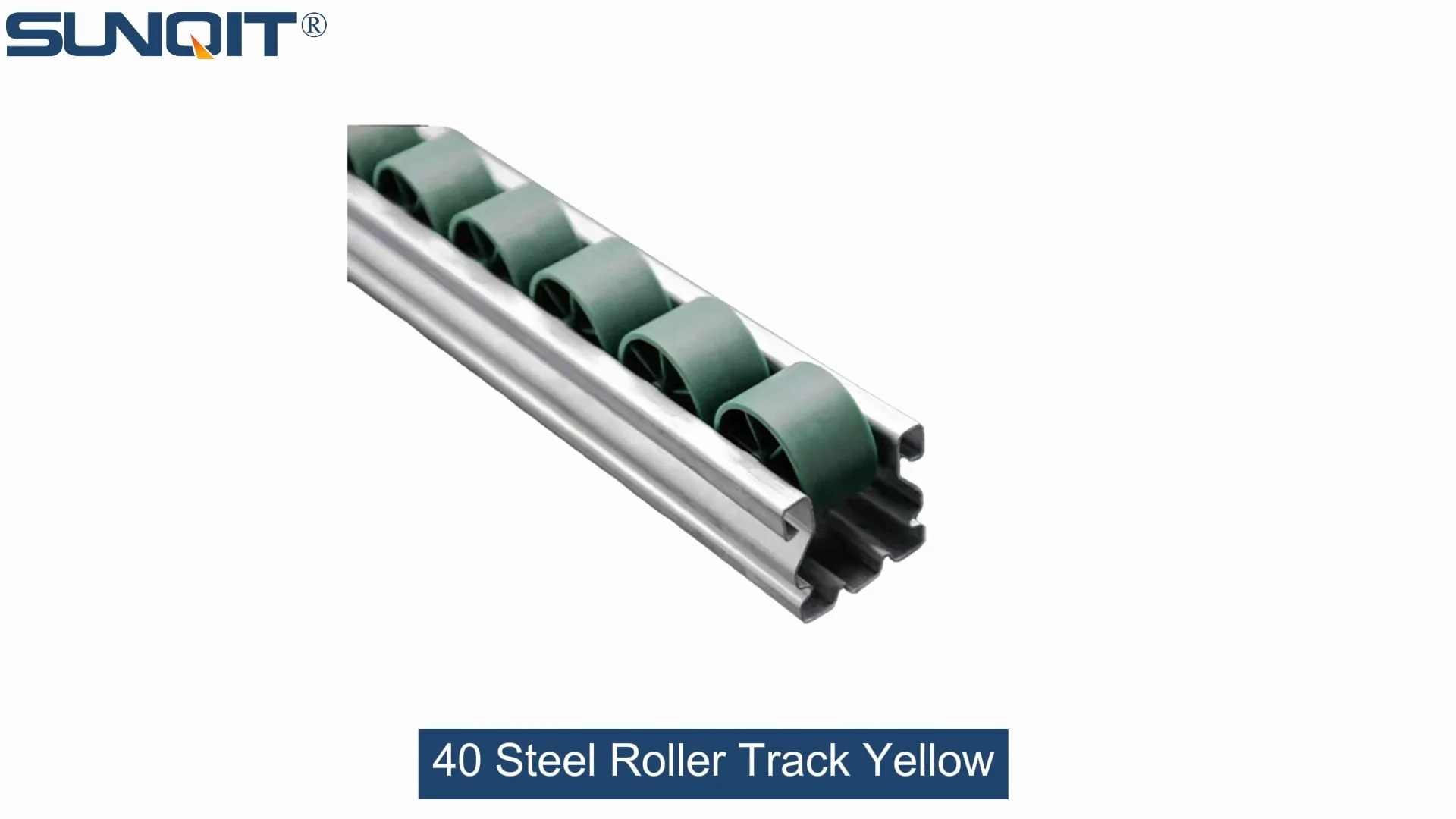
The roller track can be installed with multiple accessories to create different slopes and configurations of flow racks.All steel conveyor 40 roller track accessories are engineered to perfectly fit the sliding rail.
In the fast-paced world of automotive manufacturing, every second counts. The smooth flow of parts from warehouses to assembly lines is not just a convenience—it's a critical factor that directly impacts production efficiency, cost control, and ultimately, the ability to meet customer demands. For many automotive parts manufacturers, outdated material handling systems can create bottlenecks, slow down operations, and lead to unnecessary waste. This case study explores how the implementation of 40 Steel Roller Track Green, combined with complementary lean solutions, transformed the logistics operations of a mid-sized automotive parts producer.
The Challenge: Inefficiencies in Automotive Parts Logistics
AutoParts Inc., a manufacturer specializing in brake systems and engine components, faced significant challenges in their material handling processes. Their existing setup relied on static storage racks and manual transport of parts to assembly lines. Heavy automotive parts, such as brake calipers and engine blocks, required workers to lift and carry bins from racks to conveyors, leading to several issues:
- Slow material flow: Manual handling caused delays in delivering parts to assembly stations, leading to production line downtimes.
- Labor fatigue: Repetitive lifting of heavy bins increased worker fatigue, reducing productivity and raising safety concerns.
- Inventory inaccuracies: Without a structured FIFO (First-In-First-Out) system, parts sometimes sat unused for long periods, leading to obsolescence and errors in part selection.
- Space constraints: Static racks were not optimized for space, limiting the number of parts that could be stored in the available area.
AutoParts Inc. needed a solution that could address these challenges while aligning with their lean manufacturing goals of reducing waste and improving continuous improvement.
The Solution: A Comprehensive Lean Material Handling System
After researching various options, AutoParts Inc. partnered with a leading supplier of lean material handling equipment to design a customized solution. The core components of the solution included:
- 40 Steel Roller Track Green: Selected for its durability and ability to handle heavy loads (up to 500 kg per meter), making it ideal for automotive parts. The green color also helped in visual management, distinguishing it from other equipment.
- Flow Racks: Designed with multiple levels and integrated 40 Steel Roller Tracks to enable FIFO storage. This ensured that older parts were used first, reducing obsolescence.
- Conveyors: Connected the flow racks to the assembly lines, allowing parts to be transported automatically without manual intervention.
- Lean Pipe Workbenches: Placed at assembly stations, these workbenches were equipped with the roller tracks to allow easy access to parts, reducing worker movement and fatigue.
- Aluminum Profiles: Used in the construction of flow racks and workbenches for their lightweight yet sturdy properties, making the system easy to reconfigure as production needs change.
This combination of equipment formed a cohesive lean solution that addressed all of AutoParts Inc.'s pain points.

Implementation Process: From Assessment to Integration
The implementation of the new system was carried out in four key phases:
1. Site Assessment and Analysis
The supplier's team conducted a detailed site assessment to understand the current layout, part dimensions, weight, and flow patterns. They interviewed workers and managers to identify specific pain points and requirements. This data was used to design a system that fit the unique needs of AutoParts Inc.
2. Customization and Design
Based on the assessment, the 40 Steel Roller Track Green was customized to fit the size of the parts bins used by AutoParts Inc. Flow racks were designed with adjustable shelves to accommodate different part sizes. Conveyors were adjusted to the correct height to ensure seamless transfer between racks and assembly lines. Lean pipe workbenches were tailored to the ergonomic needs of the workers, with adjustable heights and integrated tool holders.
3. Installation and Training
The installation was done in phases to minimize disruption to ongoing production. First, the flow racks with roller tracks were installed in the warehouse. Then, conveyors were added to connect the racks to the assembly area. Finally, the lean pipe workbenches were set up at each station. Training sessions were held for all workers to familiarize them with the new equipment, including how to load parts onto the roller tracks, operate the conveyors, and adjust the workbenches.
4. Integration with Existing Systems
The new material handling system was integrated with AutoParts Inc.'s inventory management software. Sensors on the conveyors and flow racks tracked the movement of parts, providing real-time data on inventory levels and material flow. This integration allowed managers to make data-driven decisions to further optimize the system.

Results: Transforming Logistics Operations
After the implementation of the new system, AutoParts Inc. saw significant improvements in their logistics operations. The following metrics highlight the success of the solution:
| Metric | Before Implementation | After Implementation | Improvement |
|---|---|---|---|
| Material Flow Time | 15 minutes per part batch | 10 minutes per part batch | 33% reduction |
| Labor Cost for Material Handling | $50,000/month | $40,000/month | 20% reduction |
| Part Obsolescence Rate | 5% | 2% | 60% reduction |
| Worker Fatigue Complaints | 10 per month | 2 per month | 80% reduction |
| Space Utilization | 60% | 85% | 25% increase |
Workers reported that the new system made their jobs easier, with less manual lifting and more time focused on assembly tasks. Managers noted that the real-time data from the integrated system allowed them to quickly identify and resolve bottlenecks, leading to a more efficient production process.

Conclusion: The Value of a Lean Material Handling System
The case study of AutoParts Inc. demonstrates how the right combination of material handling equipment can transform logistics operations in the automotive industry. The 40 Steel Roller Track Green, along with flow racks, conveyors, lean pipe workbenches, and aluminum profiles, provided a comprehensive lean solution that improved efficiency, reduced costs, and enhanced worker satisfaction.
This solution is not just a one-time fix; it's a scalable system that can be adapted as AutoParts Inc.'s production needs change. The use of lean principles ensures that the system can be continuously improved, aligning with the company's long-term goals.
For automotive parts manufacturers looking to optimize their logistics operations, investing in a lean material handling system that includes durable components like the 40 Steel Roller Track Green is a smart choice. It not only addresses immediate challenges but also sets the foundation for sustained growth and success.