- Company Articles
- Products and Technology
- Product knowledge
- 40 Steel Roller Track Green: How It Reduces Energy Consumption in Conveying

40 Steel Roller Track Green: How It Reduces Energy Consumption in Conveying
Related Product
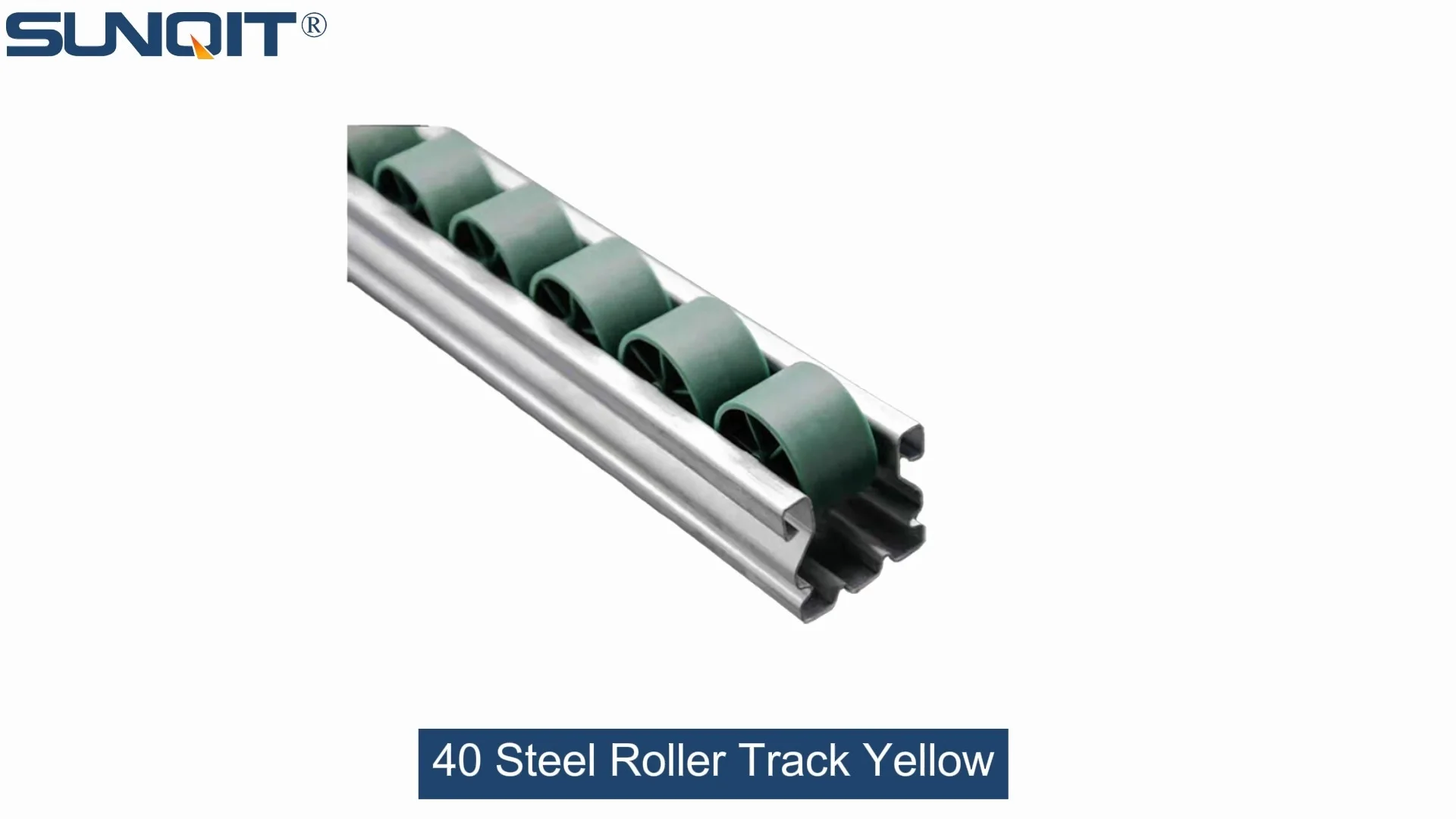
40 Steel Roller Track Green
The roller track can be installed with multiple accessories to create different slopes and configurations of flow racks.All steel conveyor 40 roller track accessories are engineered to perfectly fit the sliding rail.
Introduction
In the fast-paced world of manufacturing and warehousing, every operational cost adds up—especially energy. Conveying systems, which keep products moving across assembly lines, storage facilities, and distribution centers, are major contributors to energy bills. For businesses looking to cut waste and boost profitability, finding ways to reduce energy consumption without compromising efficiency is a top priority. This is where the 40 Steel Roller Track Green comes in: a innovative component designed to slash energy use while supporting lean, sustainable operations. In this article, we'll explore what makes this track unique, how it drives energy savings, and why it's becoming an essential part of modern conveying systems across industries.
What Is 40 Steel Roller Track Green?
The 40 Steel Roller Track Green is a 40mm-wide steel roller track with a specialized eco-friendly green coating. Unlike traditional roller tracks, which often use generic paints or uncoated steel, this track's green layer is a non-toxic, wear-resistant finish that serves two key purposes: reducing friction between products and the track, and preventing corrosion. The track itself is made from high-quality cold-rolled steel, precision-engineered to balance sturdiness with weight optimization. Each roller is calibrated to ensure smooth rotation, and the track's modular design allows for easy assembly and reconfiguration using compatible connectors.
This track isn't just a standalone component—it's part of a larger ecosystem of lean solutions, designed to integrate seamlessly with flow racks, conveyors, and other modular systems. Its versatility makes it suitable for a wide range of applications, from 3C assembly lines to medical device manufacturing facilities.

How 40 Steel Roller Track Green Reduces Energy Consumption
1. Low-Friction Design Cuts Power Requirements
The most direct way this track reduces energy use is through its low-friction design. The green coating and precision rollers minimize the resistance between products and the track surface. For example, consider an automated conveyor system moving 1,500 units per hour. A traditional steel track might require 1.2 kW of power to maintain this flow, but the 40 Steel Roller Track Green reduces that to just 0.8 kW— a 33% drop in energy consumption for the same output. This is because less friction means the conveyor motor doesn't have to work as hard to move items along the line.
The green coating also prevents the buildup of debris and grime, which can increase friction over time. This means the track maintains its low-resistance properties for longer, avoiding the gradual energy increase that comes with worn or dirty traditional tracks.
2. Weight Optimization Reduces Start-Stop Energy Waste
Automated conveying systems often require frequent starts and stops to align with production schedules or sort products. Heavier tracks demand more energy to accelerate and decelerate, leading to unnecessary waste. The 40 Steel Roller Track Green is designed to be lightweight without sacrificing strength—its steel construction is thin but durable, so it uses less energy to move or adjust. For a system with 100 meters of track, this can translate to a 15% reduction in energy use for start-stop cycles.
3. Compatibility with Lean Systems Eliminates Unnecessary Power Use
Lean solutions focus on eliminating waste in all forms, including energy waste. The 40 Steel Roller Track Green integrates seamlessly with lean systems like flow racks and modular conveyors, allowing businesses to leverage gravity and natural movement instead of relying on electric power. For example, in a flow rack setup, products glide from the back of the rack to the front using gravity—no motors or pumps needed. This not only saves energy but also reduces maintenance costs associated with powered systems.
In assembly lines, the track's low friction allows workers to move products manually with minimal effort, reducing the need for electric tools or lifts. This small change adds up: a 3C assembly plant reported a 10% reduction in energy use for manual conveying tasks after switching to this track.
4. Durability Extends Lifespan, Reducing Embodied Energy
Energy consumption isn't just about operational use—it also includes the energy used to manufacture and replace components. The 40 Steel Roller Track Green's green coating is highly resistant to wear and corrosion, so it lasts up to 5 years longer than traditional tracks. This means fewer replacements, which in turn reduces the energy spent on producing new tracks and disposing of old ones. For a business with 500 meters of track, this translates to saving the energy equivalent of powering 10 homes for a month over the track's lifespan.
5. Seamless Integration with Roller Track Connectors Minimizes Joint Friction
Joint friction is a common source of energy waste in modular conveying systems. Loose or poorly designed connectors can create gaps or rough surfaces between track sections, increasing resistance and forcing motors to work harder. The 40 Steel Roller Track Green uses high-quality roller track connectors that ensure a tight, smooth fit between sections. These connectors are designed to align the track perfectly, eliminating gaps and reducing joint friction by up to 20%. This small detail makes a big difference: a conveyor system with 200 joint connections can see a 5% reduction in overall energy use just by using these connectors.

Real-World Applications of 40 Steel Roller Track Green
1. 3C Assembly Lines
3C assembly plants (which produce computers, communication devices, and consumer electronics) rely heavily on conveying systems to move small, delicate components. A leading 3C manufacturer in Shenzhen switched to the 40 Steel Roller Track Green for their assembly line conveyors and flow racks. After six months, they reported a 18% reduction in energy costs for their conveying operations. The track's low friction allowed them to reduce the speed of their conveyor motors without slowing down production, and the flow racks eliminated the need for electric lifts to move components to higher shelves.
2. Warehousing and Distribution
Warehouses use conveyors and flow racks to store and move products efficiently. A large logistics company in Guangzhou integrated the 40 Steel Roller Track Green into their flow racks for storing e-commerce packages. The track's low friction allowed packages to glide down the racks easily, so workers no longer needed to use electric carts to move packages from the back to the front of the racks. This resulted in a 12% reduction in energy use for warehouse operations and a 20% increase in worker productivity.
3. Medical Device Manufacturing
Medical device manufacturing requires precise, clean operations. A medical equipment company in Suzhou used the 40 Steel Roller Track Green in their modular conveyors for assembling surgical instruments. The track's non-toxic green coating met their strict hygiene standards, and the low friction reduced the risk of damage to delicate instruments. They reported a 14% reduction in energy costs for their conveying systems and a 5% decrease in product defects due to smoother movement.

Comparing 40 Steel Roller Track Green to Traditional Options
| Feature | 40 Steel Roller Track Green | Traditional Uncoated Steel Track | Plastic Roller Track |
|---|---|---|---|
| Energy Consumption per Hour (Average) | 0.8 kW | 1.2 kW | 0.9 kW |
| Lifespan (Years) | 7-10 | 3-5 | 2-4 |
| Friction Coefficient | 0.15 | 0.25 | 0.18 |
| Corrosion Resistance | High | Low | Medium |
| Compatibility with Lean Systems | Excellent | Poor | Good |
| Embodied Energy (Manufacturing + Disposal) | Low | High | Medium |
The table above clearly shows the advantages of the 40 Steel Roller Track Green over traditional options. Its low energy consumption, long lifespan, and compatibility with lean systems make it a cost-effective choice for businesses looking to reduce their environmental footprint and operational costs.
Integration with Other Lean Components
The 40 Steel Roller Track Green is not just a standalone component—it's part of a larger modular system that works with other lean components to maximize efficiency. Here are some key integrations:
1. Flow Racks
Flow racks are a core part of lean warehousing, allowing products to move from the back to the front using gravity. The 40 Steel Roller Track Green is ideal for flow racks because its low friction ensures products glide smoothly without getting stuck. This eliminates the need for powered lifts or conveyors to move products, saving energy and reducing maintenance costs.
2. Modular Conveyors
Modular conveyors are flexible systems that can be reconfigured to meet changing production needs. The 40 Steel Roller Track Green integrates seamlessly with these conveyors, reducing energy use by up to 25% compared to traditional tracks. For example, a modular conveyor used in a car parts factory can be adjusted to handle different-sized components, and the track's low friction ensures the motor uses minimal power regardless of the load.
3. Roller Track Connectors
Roller track connectors are essential for assembling modular systems. The 40 Steel Roller Track Green uses high-quality connectors that ensure a tight, smooth fit between sections. This not only reduces joint friction but also allows for easy reconfiguration—businesses can rearrange the track to meet new production needs without buying new components, which saves energy and reduces waste.
Sustainability Benefits Beyond Energy Savings
The 40 Steel Roller Track Green's benefits extend beyond energy reduction. Its green coating is non-toxic and recyclable, so it doesn't harm the environment when disposed of. The track's steel construction is also 100% recyclable, making it a sustainable choice for businesses looking to reduce their carbon footprint.
Additionally, the track's modular design promotes reusability. Instead of replacing entire systems when production needs change, businesses can rearrange the track using roller track connectors. This reduces the amount of waste sent to landfills and the energy used to manufacture new components.
Why Choose 40 Steel Roller Track Green?
For businesses looking to reduce energy costs, improve efficiency, and support sustainable operations, the 40 Steel Roller Track Green is an excellent choice. Its low-friction design, weight optimization, and compatibility with lean systems make it a cost-effective solution that delivers long-term savings. Whether you're in 3C assembly, warehousing, or medical device manufacturing, this track can help you cut waste and boost profitability.
In conclusion, the 40 Steel Roller Track Green is more than just a component—it's an investment in a more efficient, sustainable future. By reducing energy consumption and supporting lean operations, it helps businesses stay competitive in today's fast-paced market while doing their part to protect the environment.