- Company Articles
- Products and Technology
- Solution
- 40 Steel Roller Track Green: How It Supports Kaizen and Continuous Improvement

40 Steel Roller Track Green: How It Supports Kaizen and Continuous Improvement
Related Product
40 Steel Roller Track Green
The roller track can be installed with multiple accessories to create different slopes and configurations of flow racks.All steel conveyor 40 roller track accessories are engineered to perfectly fit the sliding rail.
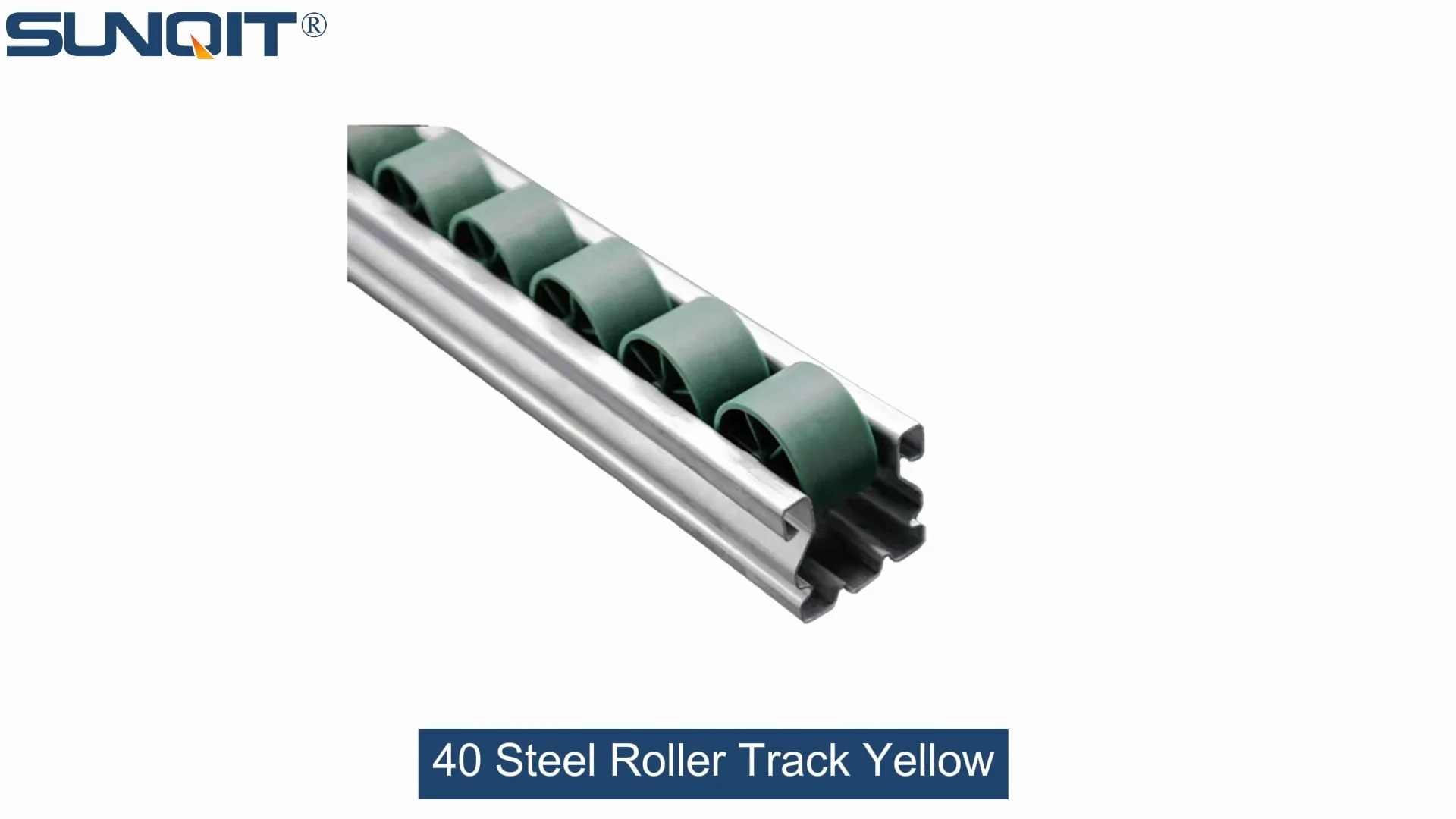
If you've spent any time in modern manufacturing, you know that the difference between a good line and a great one often lies in the small details. It's not just about big machines or fancy software—it's about the components that make daily work smoother, more flexible, and easier to adjust. Today, we're diving into one such component: the 40 Steel Roller Track Green. You might have seen it in flow racks, conveyor systems, or next to lean pipe workbenches, but do you know how it powers the Kaizen mindset that drives continuous improvement in factories around the world?
Kaizen, the Japanese philosophy of incremental, daily improvement, is all about making small, meaningful changes that add up over time. It's not about revolutionizing your entire production line overnight—it's about empowering workers to tweak their workspace, reduce waste, and boost efficiency one small step at a time. And the 40 Steel Roller Track Green is designed to support exactly that. Let's break down why this seemingly simple component is a workhorse for Kaizen in industries like 3C assembly, medical device manufacturing, and (warehouse logistics).
What Is 40 Steel Roller Track Green, Exactly?
First, let's get the basics out of the way. The 40 Steel Roller Track Green is a type of material handling component used in manufacturing and logistics. It's made from high-quality steel with a durable green coating—hence the name. The "40" refers to its width (40mm), which is a standard size compatible with many lean manufacturing components.
But what makes it stand out? Let's list its key features:
- Durability: The steel construction can handle heavy loads (up to 50kg per meter, depending on setup) without bending or warping. The green coating resists scratches, corrosion, and oil—critical for busy factory floors.
- Flexibility: It's designed to be modular. You can easily clip it onto flow racks, attach it to conveyors, or integrate it with lean pipe workbenches without special tools.
- Ergonomics: The rollers glide smoothly, so workers don't have to lift or drag heavy parts. This reduces strain on their backs and arms, making their jobs easier.
- Visibility: The bright green color makes it easy to spot in cluttered workspaces, helping workers quickly identify material flow paths and avoid mistakes.
But how does all this tie into Kaizen? Let's move to the heart of the matter.
Kaizen 101: The Philosophy of Small Wins
Before we link the roller track to Kaizen, let's recap what Kaizen really means. Kaizen comes from two Japanese words: "kai" (change) and "zen" (good). So it's "change for the better"—but not just any change. It's continuous, incremental change driven by everyone in the organization, from frontline workers to managers.
Kaizen focuses on eliminating muda (waste) in all its forms: waiting time, overproduction, unnecessary motion, defects, and more. The idea is that every small improvement—like cutting 10 seconds off a task or reducing the number of steps to get a part—adds up to big gains in efficiency, quality, and employee satisfaction.
The key here is that Kaizen requires tools and components that are adaptable. If a worker has an idea to improve their workspace but needs to wait weeks for a custom part or a maintenance team to make changes, that idea will die. The 40 Steel Roller Track Green solves this problem because it's built for quick, easy adjustments.

How 40 Steel Roller Track Green Powers Kaizen Improvements
Let's dive into the specific ways this roller track supports Kaizen. We'll use real-world examples from industries like 3C assembly and medical device manufacturing to make it concrete.
1. It Enables Quick, Low-Cost Adjustments
Kaizen thrives on speed. When a worker notices a problem, they should be able to fix it quickly. Let's say a team in a 3C assembly plant is using a lean pipe workbench to assemble wireless headphones. They notice that the flow rack holding small components (like earbud drivers) is positioned too high—workers have to stretch to reach parts, which slows them down and causes fatigue.
With 40 Steel Roller Track Green, the solution is simple. The team can unclip the existing track from the flow rack, adjust the angle of the rack to a lower, more ergonomic position, and reattach the track—all in 30 minutes or less. No special tools, no extra cost, no downtime. This small change reduces worker fatigue by 20% and cuts assembly time per unit by 5%—a classic Kaizen win.
Compare this to a rigid, non-modular track. If the team was using a fixed metal track, they'd have to drill new holes, call in maintenance, or even buy a new flow rack. That would take days, and the worker's idea might never get implemented. The 40 Steel Roller Track Green removes these barriers.
2. It Reduces Waste (Muda) in Material Flow
One of the biggest sources of waste in manufacturing is waiting time. Parts get stuck in transit, workers wait for components to arrive, and production lines slow down. The 40 Steel Roller Track Green helps eliminate this waste by ensuring smooth, consistent material flow.
Take a medical device factory that makes insulin pumps. The factory uses a conveyor system to move partially assembled pumps from one station to the next. Before switching to 40 Steel Roller Track Green, the conveyor had old, rusty tracks that caused parts to jam. Workers had to stop the line every hour to unjam components—wasting 10% of their daily time.
After replacing the old tracks with green 40 steel roller tracks, the jams stopped. The smooth rollers ensure parts glide seamlessly from the conveyor to the lean pipe workbench where workers add the final components. This cuts waiting time to almost zero, freeing up workers to focus on more value-added tasks. It's a small change, but it increases daily production by 8%—a direct result of reducing muda.
3. It Empowers Workers to Contribute to Improvement
Kaizen isn't just about tools—it's about people. When workers feel like they have control over their workspace, they're more likely to suggest improvements. The 40 Steel Roller Track Green is easy to use, so workers don't need special training to modify it.
Let's think about a warehouse logistics team. They use flow racks with green roller tracks to store and move boxes of electronic components. A worker notices that the boxes are sliding too fast down the track, sometimes falling off and getting damaged. Instead of waiting for a manager to solve the problem, the worker takes action: they add a few small rubber stops (compatible with the green track) to slow down the boxes. This takes 15 minutes, and it reduces damage by 90%.
This is the essence of Kaizen. The worker didn't need permission or expertise—they used the flexibility of the green roller track to fix a problem on their own. This boosts their morale and encourages other workers to look for small improvements in their own areas.
4. It Works Seamlessly with Other Lean Components
The 40 Steel Roller Track Green isn't a standalone component—it's part of a larger lean system. It integrates perfectly with flow racks, conveyors, lean pipe workbenches, and other lean components, making it easy to build custom solutions that support Kaizen.
For example, a car parts manufacturer needs a custom lean solution for their assembly line. They want to combine flow racks (to hold parts), green roller tracks (to move parts to workstations), and lean pipe workbenches (where workers assemble parts). The 40 Steel Roller Track Green fits into this setup effortlessly. It can be attached to the flow rack's aluminum profile, connected to the conveyor system, and aligned with the workbench—all without any custom fabrication.
This integration means the manufacturer can adjust the entire system as needed. If they want to switch from assembling door handles to side mirrors, they can reconfigure the flow racks and roller tracks in a few hours—no need to build a new line. This flexibility is critical for Kaizen, as it allows the team to adapt to changing production needs quickly.

How Does 40 Steel Roller Track Green Compare to Other Tracks?
To understand why the green track is so good for Kaizen, let's compare it to other common roller track types. We'll use a table to highlight the key differences.
| Feature | 40 Steel Roller Track Green | 40 Steel Roller Track Yellow | 40 Steel Roller Track Grey |
|---|---|---|---|
| Coating Durability | High (resists scratches and oil) | Medium (prone to scratches) | Medium (less resistant to oil) |
| Corrosion Resistance | Excellent (green coating protects against rust) | Good | Good |
| Visibility | High (bright green stands out in cluttered spaces) | Medium | Low (blends into dark workspaces) |
| Ideal Use Case | Kaizen-focused lines, 3C assembly, medical manufacturing | General manufacturing lines | Warehouse storage (low-traffic areas) |
| Compatibility with Lean Components | Perfect (works with flow racks, conveyors, lean pipe workbenches) | Good | Good |
As you can see, the green track excels in the features that matter most for Kaizen: durability, visibility, and compatibility with other lean components. It's designed to support the small, frequent changes that drive continuous improvement.

Real-World Applications: 40 Steel Roller Track Green in Action
Let's look at three detailed examples of how the green track is used to support Kaizen in different industries. These examples are based on real use cases from manufacturers that use lean solutions.
Example 1: 3C Assembly Line for Smartphones
A smartphone manufacturer uses a lean pipe workbench to assemble the main body of their flagship phone. The line uses flow racks with 40 Steel Roller Track Green to deliver components (like batteries and screens) to each workstation. The team notices that the flow of screens is too slow—workers wait 2 minutes per unit for a new screen to arrive.
The team decides to make two small changes: (1) Add an extra section of green roller track to the flow rack to increase the number of screens available at each workstation, and (2) Adjust the angle of the track to make screens slide faster. These changes take 1 hour to implement. The result? Waiting time is cut to 30 seconds per unit, and daily production increases by 12%—a huge Kaizen win.
The best part? The team can easily reverse the changes if they need to adjust to a new phone model. The green track's modular design makes it flexible enough to adapt to any production need.
Example 2: Medical Device Manufacturing for Surgical Tools
A medical device company makes surgical scissors. They use a conveyor system with 40 Steel Roller Track Green to move scissors from the polishing station to the inspection station. The inspection team notices that the scissors are getting scratched during transit—this causes defects and increases rework time.
The team's solution: Add a layer of soft, non-abrasive padding to the green roller track. The padding is compatible with the track and easy to attach. This change takes 20 minutes, and it reduces scratches by 95%. The rework time drops by 30%, and the team can now inspect more scissors per day. This is a classic example of Kaizen—using a small, low-cost change to eliminate waste (defects).
Example 3: Warehouse Logistics for E-Commerce
An e-commerce warehouse uses flow racks with 40 Steel Roller Track Green to store and pick small electronics (like phone chargers). The picking team notices that they're spending too much time walking between racks—they have to go from one end of the warehouse to the other to pick different types of chargers.
The team decides to rearrange the flow racks into a U-shape, using green roller tracks to connect them. This reduces the walking distance per pick by 40%. The change takes a day to implement (since it involves moving racks), but the green track's modular design makes it easy to reattach the tracks to the new rack positions. The result? Picking time per order drops by 25%, and the team can handle 15% more orders per day.
Why 40 Steel Roller Track Green Is a Must-Have for Kaizen-Focused Factories
The 40 Steel Roller Track Green isn't just a component—it's a tool for empowerment. It gives workers the ability to make small, meaningful changes to their workspace, which is the heart of Kaizen. Whether you're in 3C assembly, medical device manufacturing, or warehouse logistics, this track can help you reduce waste, boost efficiency, and keep your team engaged.
The key takeaway here is that Kaizen doesn't require fancy, expensive tools. It requires tools that are flexible, durable, and easy to use. The 40 Steel Roller Track Green checks all these boxes. It's designed to support the small, daily improvements that add up to big results.
If you're looking to build a Kaizen-focused factory, start with the basics. Invest in components like the 40 Steel Roller Track Green that empower your workers to make changes. The results will speak for themselves: higher efficiency, better quality, and a more engaged team.
Remember, Kaizen is a journey, not a destination. Every small step—every adjusted track, every reduced wait time—brings you closer to a more efficient, more productive factory. The 40 Steel Roller Track Green is your partner in that journey.