- Company Articles
- Products and Technology
- Installation And Maintenance
- 40 Steel Roller Track Green Maintenance: Eco-Friendly Practices to Extend Lifespan

40 Steel Roller Track Green Maintenance: Eco-Friendly Practices to Extend Lifespan
Related Product
40 Steel Roller Track Green
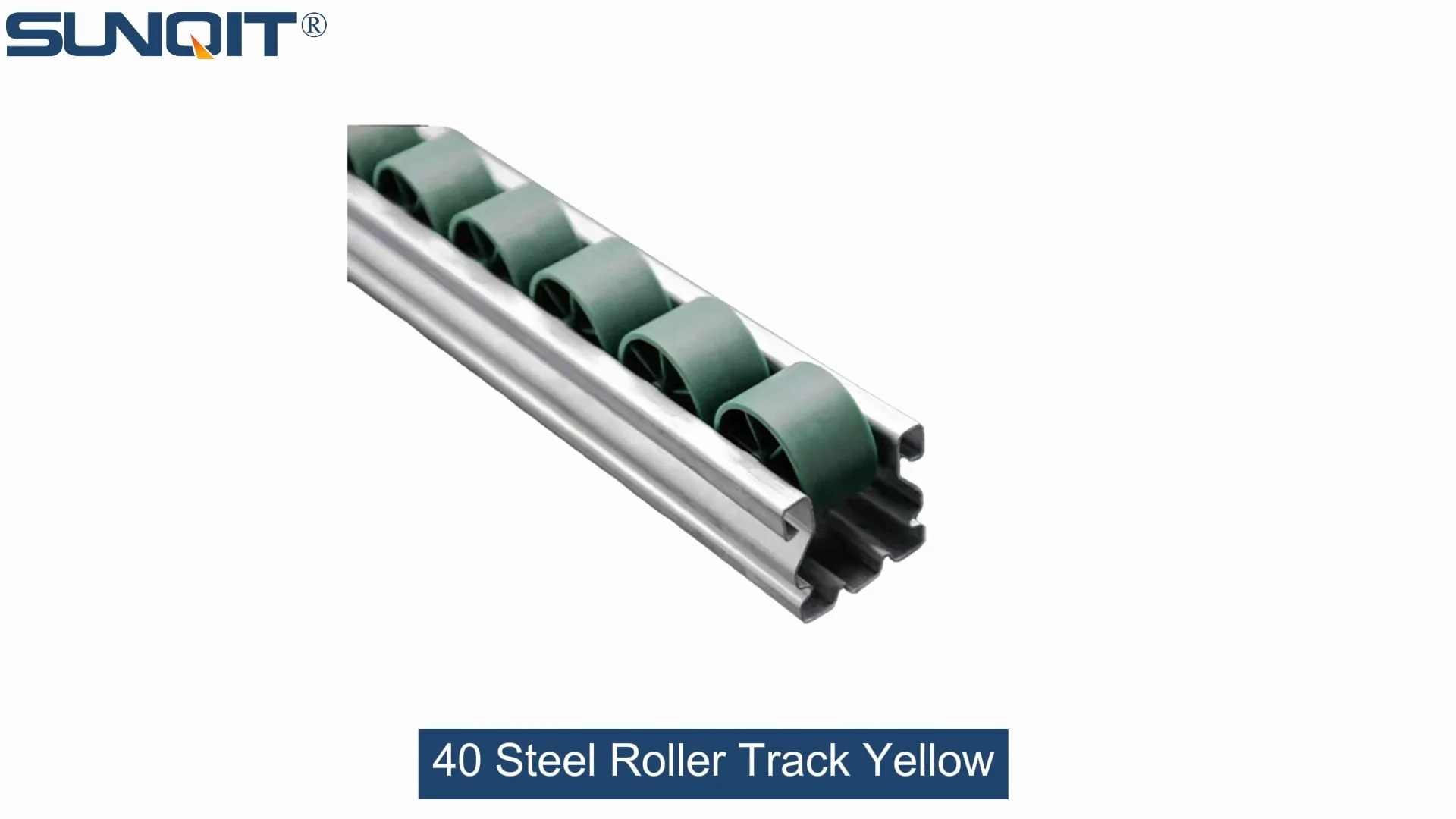
The roller track can be installed with multiple accessories to create different slopes and configurations of flow racks.All steel conveyor 40 roller track accessories are engineered to perfectly fit the sliding rail.
40 Steel Roller Track Green Maintenance: Eco-Friendly Practices to Extend Lifespan
Ever walked through a manufacturing floor and noticed those smooth, green-colored steel tracks moving parts from one station to another? Chances are, you're looking at 40 Steel Roller Track Green— a workhorse in flow racks, conveyors, and lean systems across industries like 3C assembly, automotive, and warehouse logistics. But here's the thing: even the toughest equipment needs care, and when that care is eco-friendly, it does more than just keep your tracks running—it saves you money, reduces your carbon footprint, and aligns with the lean principles that make modern manufacturing so efficient.
In this article, we're going to talk about how to maintain your 40 Steel Roller Track Green the green way. We'll cover everything from simple cleaning tips using household items to repurposing old tracks into new lean system components. Whether you're a warehouse manager, a maintenance technician, or just someone interested in sustainable manufacturing, this guide has something for you. Let's get started.
Understanding 40 Steel Roller Track Green
First off, let's clarify what we're talking about. 40 Steel Roller Track Green is a type of heavy-duty roller track made from steel, coated with a green layer that's both durable and eco-friendly. The "40" refers to its width (usually 40mm, though sizes can vary slightly), making it perfect for handling medium to heavy loads in flow racks, conveyors, and lean workstations.
Where do you find it? You'll see this track in all sorts of places: in flow racks holding boxes of parts that slide smoothly to the picker (common in 3C assembly lines for phones and laptops); in conveyors moving products from one part of the factory to another (like in automotive manufacturing, where car parts are transported between stations); and in lean workstations as part of the setup that allows workers to access materials easily without wasting time.
Key features that make it eco-friendly: Steel is one of the most recyclable materials on the planet—almost 100% of steel can be recycled without losing quality. So when your track reaches the end of its lifespan, you can send it to a recycling facility instead of a landfill. The green coating protects the steel from rust and wear, so it lasts longer than uncoated tracks (fewer replacements = less waste). It's versatile too—used in multiple lean system setups, so you don't need to buy different tracks for different purposes (reducing overall material use).
Eco-Friendly Maintenance Practices
1. Regular Cleaning: Keep It Fresh Without Harsh Chemicals
Cleaning is the foundation of any maintenance routine, but traditional cleaning products can be bad for the environment (and your wallet). Here's how to clean your 40 Steel Roller Track Green the green way:
Choose Eco-Friendly Cleaners: Instead of bleach or ammonia, opt for natural alternatives. Mix one part white vinegar with three parts water to cut through grease and grime. For tough stains, use a baking soda paste (baking soda + water) — let it sit 10 minutes then wipe off. Lemon juice works great for light rust spots and adds a fresh scent.
Use Reusable Tools: Ditch paper towels for microfiber cloths (washable and reusable). For hard-to-reach areas, use an old toothbrush instead of buying new brushes.
Conserve Water: Fill a bucket with your cleaning solution instead of running the tap. Use a spray bottle for rinsing to target areas and save water.
Clean at the Right Frequency: High-use tracks (busy conveyors) need weekly cleaning; medium-use (flow racks for slow parts) every two weeks; low-use (storage) monthly. Over-cleaning wastes resources.
2. Lubrication: Keep It Rolling With Bio-Based Products
Rollers need lubrication to move smoothly, but petroleum-based oils are non-biodegradable. Switch to bio-based lubricants (made from vegetable oils or soybeans) — they're biodegradable and perform well in high temps. Apply 1-2 drops per roller (use a syringe or small brush) and wipe excess to avoid dust buildup. Recycle any leftover lubricant (check manufacturer instructions).
3. Inspection & Minor Repairs: Fix Small Issues Early
Lean manufacturing teaches us to fix problems early to avoid bigger issues. Weekly checks for loose bolts (tighten instead of replacing), monthly checks for rust spots (use lemon juice + salt), and quarterly checks for worn rollers (repurpose old rollers if possible). Use reusable or recycled parts for repairs — this saves money and reduces waste.
4. Storage & Handling: Protect Your Track When Not In Use
Store tracks in a dry, covered area (avoid outdoors to prevent rust). Use recycled cardboard boxes or plastic sheets for storage. Elevate tracks on repurposed wooden pallets to keep moisture away. When moving tracks, use a hand trolley instead of dragging to prevent scratches.
5. Upcycling & Repurposing: Give Old Tracks A New Life
Don't throw away old tracks! Repurpose them into material racks (like Material Rack B), lean workbench shelves, or mini conveyors. This reduces landfill waste and saves you money on new equipment.
Case Study: ABC Electronics
Company Background: ABC Electronics is a 3C assembly firm using 40 Steel Roller Track Green in flow racks and conveyors.
Before Green Maintenance: Used harsh chemicals, petroleum lubricants, replaced parts often, and threw old tracks away. Track lifespan:5 years; maintenance cost:$10k/year per conveyor; landfill waste:200kg/year per conveyor.
After Green Maintenance: Switched to vinegar cleaners and bio-lubricants; inspected weekly; reused/recycled parts; repurposed old tracks. Results: Track lifespan increased to6.25 years (25% longer); maintenance cost reduced to$7k/year (30% cut); landfill waste down to 160kg/year (20% less). They also repurposed old tracks into5 material racks, saving$5k.
Common Mistakes To Avoid
Using Harsh Chemicals:
Consequence: Damages coating and pollutes water. Fix: Switch to natural cleaners like vinegar + water.
Over-Lubricating:
Consequence: Attracts dust and wastes lubricant. Fix: Apply only1-2 drops per roller.
Ignoring Rust Spots:
Consequence: Rust spreads and breaks tracks. Fix: Treat immediately with lemon juice + salt.
Storing Outdoors:
Consequence: Causes rust. Fix: Store in dry, covered area.
Throwing Old Tracks Away:
Consequence: Wastes recyclable steel. Fix: Repurpose or recycle.
Green Maintenance Checklist
| Maintenance Task | Frequency | Eco-Friendly Action | Benefit |
| Clean Track | Weekly/ Bi-weekly/ Monthly | Vinegar + water, microfiber cloths | Reduce chemical waste |
| Lubricate Rollers | Monthly | Bio-based lubricant, 1-2 drops | Extend roller lifespan |
| Check Loose Bolts | Weekly | Tighten with recycled tools | Prevent track shifting |
| Remove Rust Spots | Monthly | Lemon juice + salt | Avoid track replacement |
| Repurpose Old Tracks | When unusable | Make material rack/ workbench shelf | Reduce landfill waste |
Conclusion
Green maintenance for 40 Steel Roller Track Green isn't just a nice-to-have — it's a smart business decision. It aligns with lean principles (reducing waste, continuous improvement) and delivers tangible results: longer track lifespan, lower costs, and less environmental impact. Whether you're using these tracks in flow racks, conveyors, or lean workstations, the practices outlined here will help you keep them running smoothly for years. Every small change adds up to a big difference. Start implementing these practices today — your wallet and the planet will thank you.