
- Company Articles
- Products and Technology
- Installation And Maintenance
- 40 Steel Roller Track Green Maintenance Tips for Prolonged Eco-Friendly Performance
Why Green Maintenance Matters for 40 Steel Roller Track
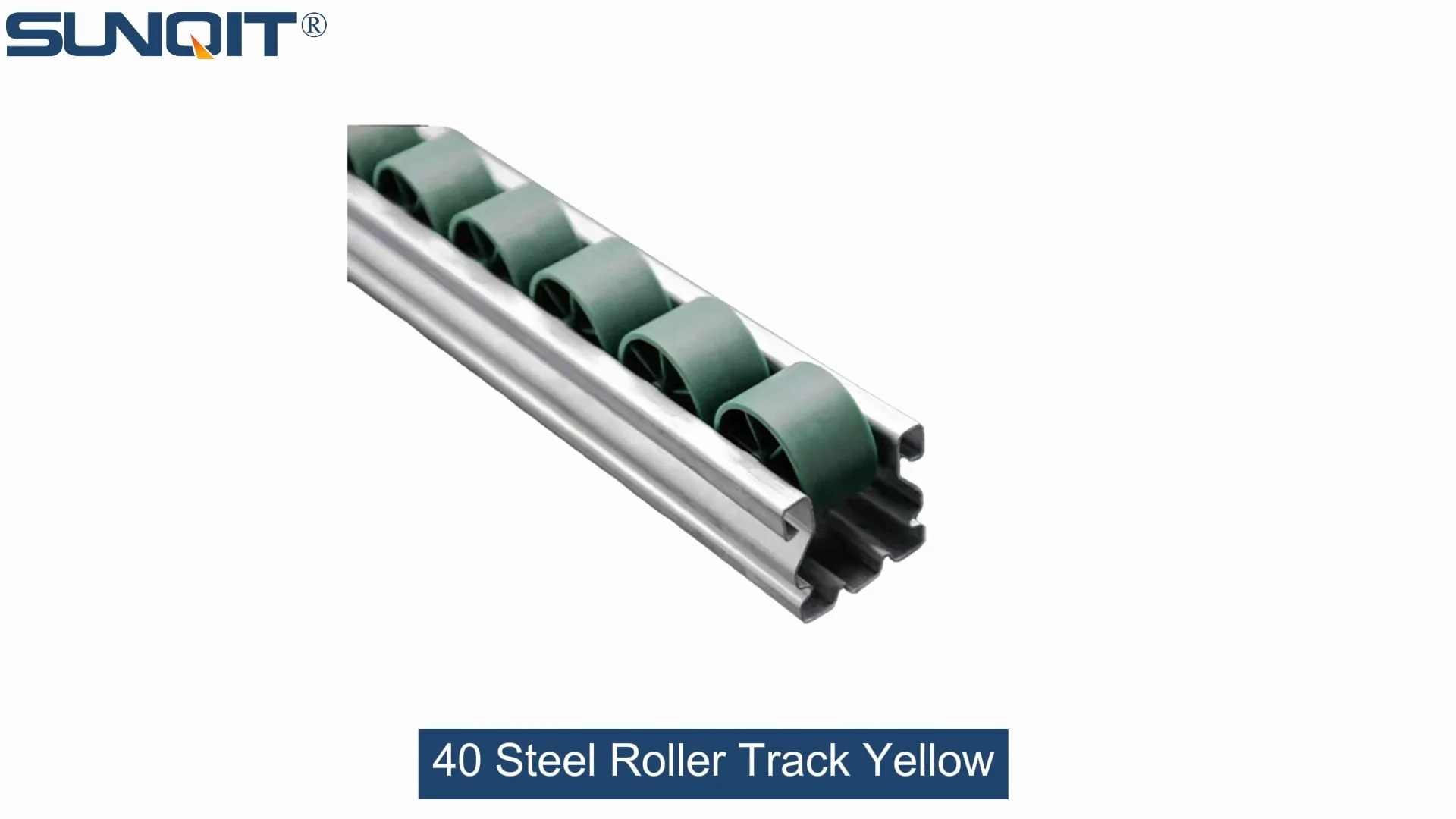
The 40 Steel Roller Track Green is designed for durability and efficiency, but even the sturdiest equipment suffers from wear without proper care. Traditional maintenance often relies on harsh chemicals and single-use parts, which harm the environment and increase operational costs. Green maintenance shifts this paradigm by prioritizing biodegradable products, reuse of components, and energy-efficient practices. For businesses using lean solutions, this aligns perfectly with the core lean principle of minimizing waste—whether it's material waste, energy waste, or environmental waste. By investing in green maintenance, you not only protect your equipment but also contribute to a circular economy where resources are used wisely.
Top 10 Green Maintenance Tips for 40 Steel Roller Track Green
1. Regular Cleaning with Eco-Friendly Agents
Dirt, dust, and debris accumulate on roller tracks over time, causing friction that slows material flow and accelerates wear. Instead of harsh, chemical-laden detergents that pollute waterways and harm workers, opt for biodegradable cleaning solutions. Vinegar-based mixtures, plant-derived soaps, or baking soda pastes are effective alternatives. To clean: start with a soft-bristled brush to remove loose debris, then wipe the track with a cloth dampened in your eco-friendly cleaner. For stubborn grime, let the solution sit for 5-10 minutes before gently scrubbing. Rinse with warm water (if applicable) and dry thoroughly to prevent rust. This practice reduces chemical runoff, protects aquatic ecosystems, and creates a safer workplace for your team.
2. Lubrication with Sustainable Oils
Friction is the primary cause of roller track degradation. Choosing plant-based lubricants—made from soy, canola, or palm oil—over petroleum-based options reduces reliance on fossil fuels and minimizes harmful emissions. Apply a small amount of lubricant to roller bearings and axles every 4-6 weeks (adjust based on usage frequency). Too much lubrication attracts dirt, so use a precision oiler to target specific areas. For high-traffic tracks, consider a dry lubricant like graphite powder, which leaves no residue and lasts longer. Sustainable lubrication not only extends equipment life but also lowers your carbon footprint by reducing dependence on non-renewable resources.
3. Inspect Aluminum Pipe Accessories for Wear
40 Steel Roller Track Green often connects to aluminum pipe accessories such as joints, connectors, and brackets. These components are critical for structural integrity, so inspect them monthly for signs of wear: cracks, loose fittings, or bent edges. If a part is damaged, first try tightening bolts or adjusting connections before replacing it. Reusing functional parts reduces waste, aligning with lean principles of minimizing unnecessary replacements. When replacement is unavoidable, choose recycled aluminum accessories to further reduce environmental impact. This practice cuts down on raw material consumption and supports the circular economy.
4. Practice Proper Load Management (Lean Solution Principle)
Overloading roller tracks causes deformation, leading to premature failure and safety hazards. Follow the manufacturer's load capacity guidelines—typically 50-100 kg per meter for 40 Steel Roller Track Green. Distribute loads evenly across the track to avoid stress concentrations. This not only prevents damage but also optimizes material flow, a key aspect of lean solutions. By avoiding overloading, you reduce the need for repairs or replacements, saving resources and money. For custom lean solutions, work with your supplier to design tracks that match your specific load requirements, ensuring long-term sustainability.
5. Rust Prevention Using Eco-Coatings
Steel tracks are prone to rust if exposed to moisture or humidity. Instead of harsh rust removers (like hydrochloric acid), use non-toxic alternatives such as citric acid or oxalic acid solutions. For small rust spots: mix 1 part citric acid with 10 parts water, apply to the rusted area, and let sit for 30 minutes before scrubbing with a soft brush. After removing rust, protect the surface with an eco-friendly coating—water-based paint, natural wax, or a plant-derived sealant. These coatings are free of volatile organic compounds (VOCs) and provide long-lasting protection against corrosion. This practice reduces toxic chemical use and prevents rust-related waste.
6. Maintain Caster Wheels for Smooth Mobility
If your roller track is part of a mobile unit (like a turnover trolley), caster wheels play a vital role in performance. Clean wheels weekly to remove dirt and debris that can cause jams. Lubricate wheel bearings with sustainable oil every month to ensure smooth movement. Check for worn tire treads or loose axles—replace only the damaged part instead of the entire wheel. Reusing functional components reduces waste, and choosing recycled plastic or metal casters further enhances sustainability. Proper caster maintenance reduces energy use during movement and extends the life of both the wheels and the roller track.
7. Align with Conveyors for Optimal Flow
Roller tracks integrated into conveyors need precise alignment to minimize friction and energy use. Inspect alignment monthly: place a straightedge across the track and conveyor to check for gaps or misalignment. Adjust brackets or supports to ensure a seamless transition between the two systems. Misaligned tracks cause materials to jam, increasing energy consumption and wear. Proper alignment improves workflow efficiency, a core tenet of lean solutions, and reduces the need for repairs. This practice cuts down on energy waste and enhances overall system performance.
8. Reuse and Recycle Components Where Possible
When parts of your roller track reach the end of their lifespan, don't discard them immediately. Steel tracks are 100% recyclable—send old tracks to a metal recycling facility instead of the landfill. For aluminum pipe accessories, check if they can be repurposed in other lean systems, like small flow racks or workstations. Many components can be refurbished: sand down rusted parts, repaint with eco-coatings, or replace worn bearings. Reusing and recycling reduces raw material extraction and lowers your carbon footprint. For businesses, this translates to cost savings and a stronger sustainability reputation.
9. Train Your Team on Eco-Maintenance Practices
Your maintenance staff are the frontline of green practices. Conduct quarterly training sessions on eco-friendly cleaning agents, sustainable lubrication techniques, and proper inspection protocols. Encourage workers to report issues early—small problems like loose joints can be fixed before they become major failures. Create a maintenance checklist that includes green practices, and reward teams for meeting sustainability targets. A well-trained team ensures consistent implementation of green maintenance, leading to better equipment performance and reduced environmental impact. This investment in training pays off in long-term efficiency and sustainability.
10. Adjust Maintenance for Seasonal Changes
Weather conditions affect roller track performance. In humid seasons (summer or rainy months), increase rust inspections to every 2 weeks and use a dehumidifier in storage areas. In dry seasons (winter), dust accumulates faster—clean tracks weekly to prevent friction. For outdoor tracks, cover them with a waterproof tarp during heavy rain to avoid moisture damage. In cold climates, use a low-temperature sustainable lubricant to prevent freezing. Adapting maintenance to seasons prevents unexpected failures and extends equipment life. This proactive approach reduces waste and ensures year-round optimal performance.

Maintenance Schedule Summary
| Tip Number | Task | Recommended Frequency | Eco-Friendly Benefit |
|---|---|---|---|
| 1 | Clean with biodegradable agents | Weekly | Reduces chemical runoff |
| 2 | Lubricate with plant-based oils | Monthly | Minimizes fossil fuel reliance |
| 3 | Inspect aluminum pipe accessories | Monthly | Reduces unnecessary replacements |
| 4 | Follow load capacity guidelines | Daily (operation) | Prevents premature failure |
| 5 | Apply eco-coatings for rust protection | Quarterly | Eliminates toxic chemical use |
| 6 | Maintain caster wheels | Weekly | Reduces energy use during movement |
| 7 | Align with conveyors | Monthly | Optimizes workflow efficiency |
| 8 | Reuse/recycle components | As needed | Supports circular economy |
| 9 | Train team on green practices | Quarterly | Ensures consistent sustainability |
| 10 | Adjust for seasonal changes | Seasonally | Prevents weather-related damage |

Conclusion
Green maintenance for 40 Steel Roller Track Green is a win-win: it extends equipment life, reduces costs, and protects the environment. By implementing these tips—from using eco-friendly cleaners to reusing aluminum pipe accessories—you align your operations with lean principles and sustainable values. Whether your track is part of a flow rack, conveyor system, or custom lean solution, these practices will keep it performing at its best for years to come. Remember, small, consistent actions add up to significant changes: every eco-friendly lubricant application, every reused component, and every well-trained team member contributes to a more sustainable future. Embrace green maintenance today, and watch your business thrive while making a positive impact on the planet.