- Company Articles
- Products and Technology
- Application Cases
- 40 Steel Roller Track Grey for Automotive Assembly Lines: Part Delivery Optimization

40 Steel Roller Track Grey for Automotive Assembly Lines: Part Delivery Optimization
Related Product
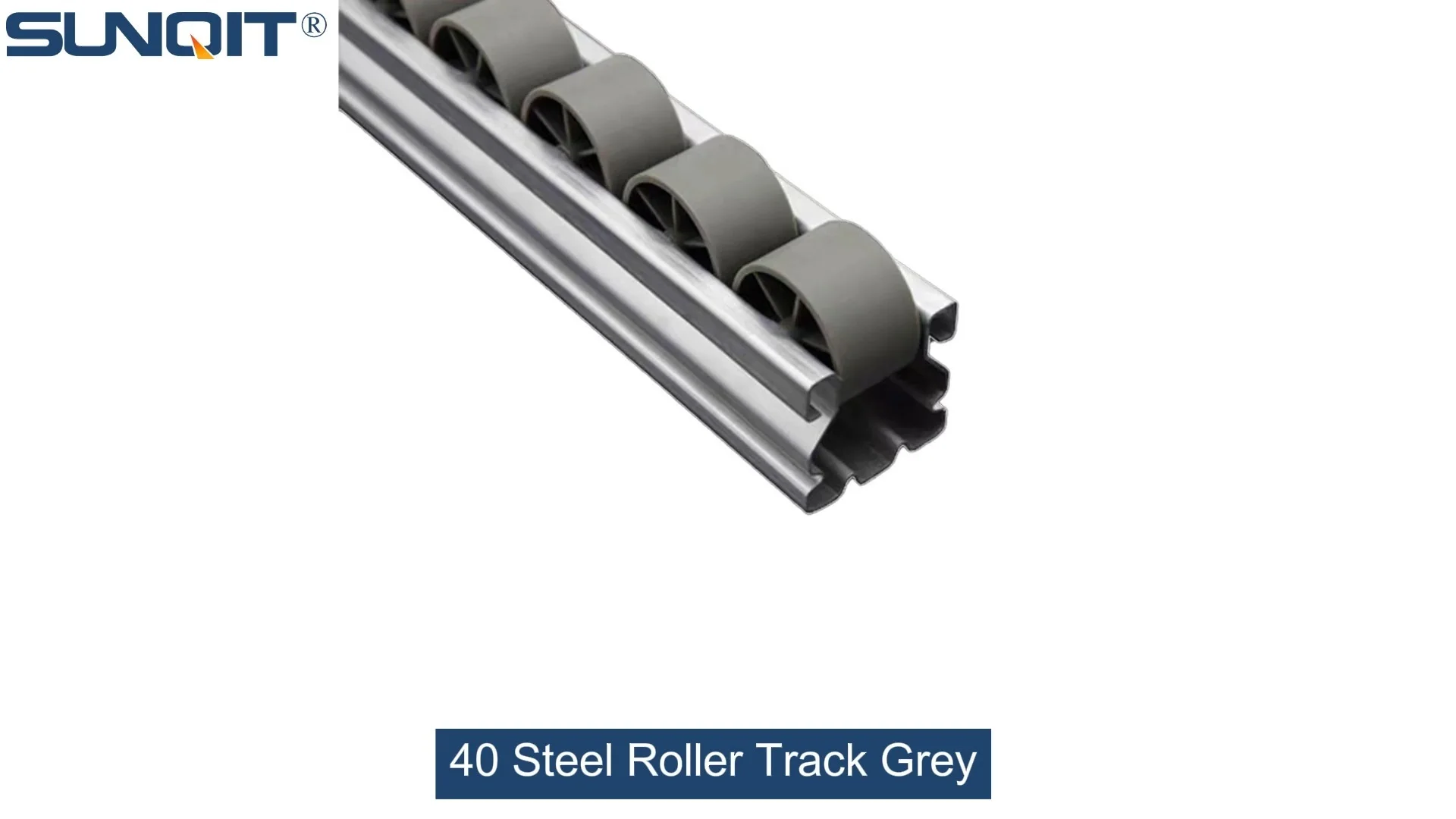
40 Steel Roller Track Grey
The roller track can be installed with multiple accessories to create different slopes and configurations of flow racks.All steel conveyor 40 roller track accessories are engineered to perfectly fit the sliding rail.It is enable the movement of SLC boxes.
40 Steel Roller Track Grey for Automotive Assembly Lines: Part Delivery Optimization
If you're running an automotive assembly line, you know the frustration of a bottleneck caused by slow part delivery. A worker waits 5 minutes for a bracket, then another 3 for a bolt—suddenly, the entire line is behind schedule, and you're staring at missed production targets. What if there's a simple, durable solution to keep parts flowing smoothly, cut down on waiting time, and boost overall efficiency? That's where the 40 Steel Roller Track Grey comes in. This unsung hero of assembly lines is designed to tackle the exact pain points that plague automotive manufacturers, and today we're diving deep into how it can transform your part delivery process.
1. The Hidden Pain Points of Automotive Part Delivery
Before we talk about the solution, let's break down the common issues that slow down part delivery in automotive assembly lines. These aren't just minor annoyances—they add up to lost revenue, wasted labor, and frustrated teams.
First, there's the problem of disorganized part storage. Many lines use static shelves where parts are stacked haphazardly, forcing workers to spend extra time searching for the right component. Then, rigid conveyor systems that can't adapt to changing part sizes or line layouts. If you switch to assembling a new car model with larger door panels, your old conveyor might not handle the weight or dimensions, leading to jams or delays.
Another issue is parts getting stuck on rough surfaces. Cheap roller tracks often have uneven rollers or poor finishes, causing parts to snag—especially small, delicate components like wiring harnesses or plastic clips. This not only slows down delivery but also increases the risk of part damage, which means more waste and higher costs.
Finally, inconsistent flow between workstations. One station might be flooded with parts while another waits idly, creating a domino effect across the entire line. This is a classic example of "waiting waste"—a key target for elimination in lean manufacturing.
2. What Makes 40 Steel Roller Track Grey Stand Out?
The 40 Steel Roller Track Grey isn't just another piece of equipment—it's a purpose-built tool for automotive assembly lines. Let's look at the features that make it a game-changer:
Durable Steel Construction:
Made from high-quality 40mm steel, this track can handle the weight of heavy automotive parts (like engine brackets or suspension components) without bending or warping. The steel is treated to resist rust and corrosion, which is crucial in automotive plants where oil, grease, and moisture are common.
Grey Finish:
The matte grey coating isn't just for looks—it's scratch-resistant and easy to clean. Unlike shiny tracks that show every smudge or scratch, the grey finish stays looking professional even after months of heavy use. It also reduces glare, which is helpful for workers who spend long hours staring at the line.
Smooth Roller Design:
Each roller is precision-engineered to rotate freely with minimal friction. This means parts glide from storage to workstation without getting stuck, even if they're slightly uneven or have irregular shapes. The rollers are spaced evenly to support both small and large parts, so you don't have to worry about components falling through or tipping over.
Compatibility with Lean Systems:
One of the biggest advantages of this track is its ability to integrate seamlessly with existing lean manufacturing tools. Whether you're using flow racks, conveyors, or lean pipe workstations, the 40 Steel Roller Track Grey can be easily added or modified to fit your layout. This flexibility is key for automotive lines that need to adapt quickly to new models or production changes.
3. Integrating 40 Steel Roller Track Grey into Your Lean System
Lean manufacturing is all about eliminating waste and continuous improvement, and the 40 Steel Roller Track Grey aligns perfectly with these principles. Let's see how it works with other lean tools to optimize part delivery:
Flow Racks:
Flow racks are a staple in automotive storage, and adding the 40 Steel Roller Track Grey to them ensures parts are picked in FIFO (First-In, First-Out) order. This reduces the risk of obsolete parts and keeps inventory fresh. For example, if you're storing brake pads, the oldest pads are always at the front of the rack, so you don't have to worry about them expiring or becoming outdated.
Conveyors:
Conveyors are used to move parts between workstations, and the 40 Steel Roller Track Grey can be integrated into these systems to create a smooth, continuous flow. Unlike belt conveyors that can wear out or break, roller tracks are more durable and require less maintenance. They also allow workers to stop parts temporarily without disrupting the entire line—perfect for when a workstation needs to pause for a quick adjustment.
Lean Pipe Workstations:
Lean pipe workstations are customizable, and adding the 40 Steel Roller Track Grey to them creates a seamless connection between storage and assembly. For example, you can build a workstation with a roller track attached to the side, so parts slide directly from the flow rack to the worker's hands. This eliminates the need for workers to walk back and forth to fetch parts, cutting down on motion waste.
Continuous Improvement:
The 40 Steel Roller Track Grey is easy to reconfigure, so you can adjust your layout as your line evolves. If you need to add a new workstation or change the direction of part flow, you can simply move the track or add new sections. This flexibility supports the lean principle of kaizen (continuous improvement) and ensures your line stays efficient over time.
4. Real-World Case Study: Transforming a Door Panel Assembly Line
To understand the impact of the 40 Steel Roller Track Grey, let's look at a real-world example (with disguised names to protect privacy). A mid-sized automotive parts manufacturer was struggling with their door panel assembly line. Here's what they faced before implementation:
- Part delivery time per workstation: 4.2 minutes
- Error rate (parts damaged or misplaced): 3.1%
- Labor cost for part handling: $12/hour per worker
- Monthly production loss due to delays: $15,000
- Error rate (parts damaged or misplaced): 3.1%
- Labor cost for part handling: $12/hour per worker
- Monthly production loss due to delays: $15,000
The manufacturer decided to install the 40 Steel Roller Track Grey in their flow racks and conveyors. Here's what changed after 3 months:
| Metric | Before Implementation | After Implementation | Improvement |
|---|---|---|---|
| Part Delivery Time per Workstation | 4.2 minutes | 1.8 minutes | 57% reduction |
| Error Rate (Damaged/Misplaced Parts) | 3.1% | 0.7% | 77% reduction |
| Labor Cost for Part Handling | $12/hour per worker | $9/hour per worker | 25% reduction |
| Monthly Production Loss | $15,000 | $3,000 | 80% reduction |
| Worker Satisfaction Score | 6/10 | 9/10 | 50% improvement |
The manufacturer reported that the biggest change was in worker morale. Workers no longer had to spend hours fetching parts or dealing with stuck components, so they could focus on their core task—assembling door panels. The reduction in error rates also meant fewer reworks, which saved time and money.
5. Step-by-Step Guide to Implementing 40 Steel Roller Track Grey
Implementing the 40 Steel Roller Track Grey isn't complicated, but it does require careful planning. Here's a step-by-step guide to help you get started:
Step 1: Assess Your Current Line
First, you need to identify the bottlenecks in your part delivery process. Walk the line and observe where workers are waiting the most, which parts are causing delays, and what areas need improvement. You can also talk to your team—they're the ones on the ground and will have valuable insights into the pain points.
First, you need to identify the bottlenecks in your part delivery process. Walk the line and observe where workers are waiting the most, which parts are causing delays, and what areas need improvement. You can also talk to your team—they're the ones on the ground and will have valuable insights into the pain points.
Step 2: Design the Layout
Once you've identified the bottlenecks, work with a supplier (like Sunqit) to design the layout. They can help you determine where to install the roller track, how to integrate it with your existing flow racks and conveyors, and what accessories you need (like connectors or end stops). Make sure to consider future changes—leave room for expansion or reconfiguration.
Once you've identified the bottlenecks, work with a supplier (like Sunqit) to design the layout. They can help you determine where to install the roller track, how to integrate it with your existing flow racks and conveyors, and what accessories you need (like connectors or end stops). Make sure to consider future changes—leave room for expansion or reconfiguration.
Step 3: Install the Track
Installation should be done by trained professionals to ensure the track is level and secure. Uneven tracks can cause parts to slide too fast or slow, so it's important to get this right. Use compatible accessories (like roller track connectors) to attach the track to your flow racks or conveyors. Test the track with different parts to make sure everything glides smoothly.
Installation should be done by trained professionals to ensure the track is level and secure. Uneven tracks can cause parts to slide too fast or slow, so it's important to get this right. Use compatible accessories (like roller track connectors) to attach the track to your flow racks or conveyors. Test the track with different parts to make sure everything glides smoothly.
Step 4: Train Your Team
Your team needs to know how to use the new track effectively. Train them on how to load parts onto the track, how to adjust the flow, and how to maintain the track (like cleaning the rollers regularly). Encourage them to give feedback—they might have ideas for further improvements.
Your team needs to know how to use the new track effectively. Train them on how to load parts onto the track, how to adjust the flow, and how to maintain the track (like cleaning the rollers regularly). Encourage them to give feedback—they might have ideas for further improvements.
Step 5: Monitor and Optimize
After installation, monitor the line to see how the track is performing. Track metrics like delivery time, error rate, and labor cost. If you notice any issues (like parts getting stuck), adjust the layout or make changes to the track. Remember, continuous improvement is key—don't be afraid to make small tweaks to get the best results.
After installation, monitor the line to see how the track is performing. Track metrics like delivery time, error rate, and labor cost. If you notice any issues (like parts getting stuck), adjust the layout or make changes to the track. Remember, continuous improvement is key—don't be afraid to make small tweaks to get the best results.
6. Sustainability and Cost-Effectiveness
In today's world, sustainability is more important than ever, and the 40 Steel Roller Track Grey delivers on this front. Here's how:
Reusable:
Unlike some rigid systems that become obsolete when your line changes, the 40 Steel Roller Track Grey can be reused. You can disassemble it, move it to a new location, or add new sections—this reduces the need to buy new equipment, saving money and reducing waste.
Long Lifespan:
The steel construction and durable finish mean the track has a long lifespan (often 5-10 years or more). This reduces the frequency of replacements, which cuts down on waste and lowers long-term costs.
Reduce Waste:
By ensuring parts flow smoothly, the track minimizes damage and reduces the number of parts that need to be discarded. This not only saves money but also reduces your environmental footprint.
Cost Savings:
The initial investment in the 40 Steel Roller Track Grey is quickly offset by the savings from reduced labor costs, lower error rates, and fewer production delays. For example, the manufacturer in our case study recouped their investment in just 2 months.
7. Choosing the Right Supplier
To get the most out of the 40 Steel Roller Track Grey, you need to choose a reliable supplier. Look for a supplier that:
- Offers high-quality products with a warranty
- Has experience in the automotive industry
- Provides custom solutions tailored to your needs
- Offers after-sales support (like installation and maintenance)
- Has experience in the automotive industry
- Provides custom solutions tailored to your needs
- Offers after-sales support (like installation and maintenance)
Sunqit is one such supplier. They specialize in lean manufacturing tools (including the 40 Steel Roller Track Grey) and have a proven track record of helping automotive manufacturers optimize their lines. Their products are designed to be durable, flexible, and cost-effective—perfect for today's fast-paced assembly lines.
8. Conclusion: Transform Your Part Delivery Process Today
The 40 Steel Roller Track Grey is more than just a piece of equipment—it's a solution to the common pain points of automotive assembly lines. It reduces waiting time, cuts down on waste, and boosts overall efficiency. Whether you're looking to improve an existing line or build a new one, this track is a smart investment that will deliver results for years to come.
So, if you're tired of dealing with bottlenecks and delays, it's time to consider the 40 Steel Roller Track Grey. With its durable construction, smooth design, and compatibility with lean systems, it's the perfect tool to optimize your part delivery process and take your assembly line to the next level.