- Company Articles
- Products and Technology
- Product knowledge
- 40 Steel Roller Track Grey: Key Differences Between Standard & Anti-Slip Designs

40 Steel Roller Track Grey: Key Differences Between Standard & Anti-Slip Designs
Related Product
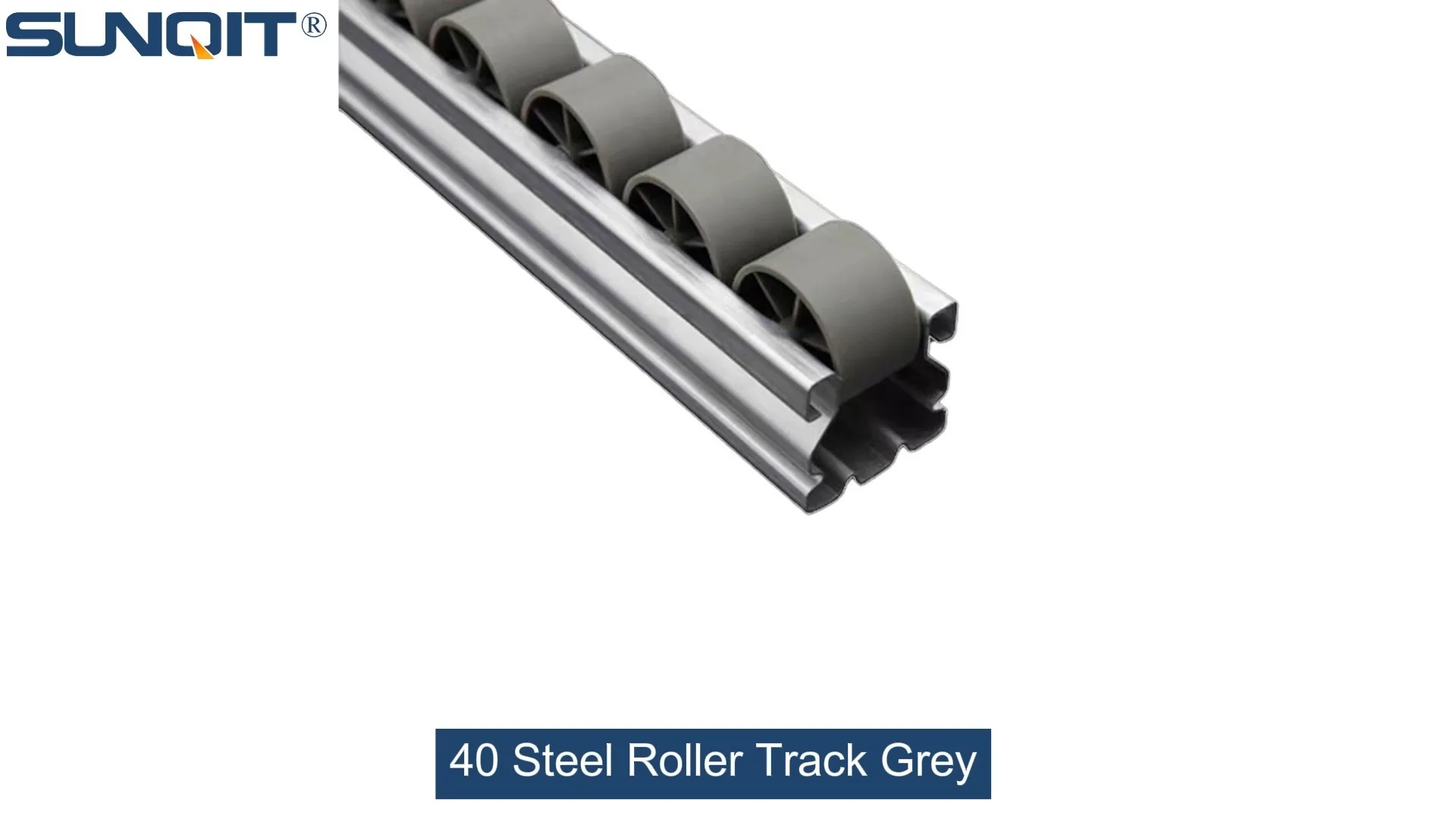
40 Steel Roller Track Grey
The roller track can be installed with multiple accessories to create different slopes and configurations of flow racks.All steel conveyor 40 roller track accessories are engineered to perfectly fit the sliding rail.It is enable the movement of SLC boxes.
Introduction: The Unsung Hero of Manufacturing & Warehousing
If you've ever stepped into a busy assembly line or a well-organized warehouse, you've probably seen them—long, metallic tracks with rolling cylinders that move parts, boxes, and products from one place to another. These are roller tracks, and they're the backbone of efficient material handling. Among the many types available, the 40 Steel Roller Track Grey stands out for its balance of durability, versatility, and affordability. But not all 40 Steel Roller Track Grey options are the same. Today, we're diving deep into two of the most common variants: standard and anti-slip designs. By the end of this article, you'll know exactly which one fits your workflow, whether you're setting up a flow rack (keyword) for storage, a conveyor (keyword) for assembly, or optimizing your 3C assembly (keyword) line.
Before we get into the differences, let's first understand what makes the 40 Steel Roller Track Grey so popular. The "40" refers to the width of the track (typically 40mm), which is a standard size compatible with most material handling systems. Made from high-quality steel with a grey coating, this track resists corrosion, withstands heavy loads, and blends seamlessly into industrial environments. It's used in everything from flow racks (keyword) for picking operations to conveyors (keyword) in production lines, and even in custom lean solution (keyword) setups for specific industries like 3C assembly (keyword) and medical device manufacturing.
What Is 40 Steel Roller Track Grey?
Let's start with the basics. The 40 Steel Roller Track Grey is a type of material handling equipment made from steel, with a grey protective coating that prevents rust and wear. The "40" in its name typically refers to the width of the track (40mm), though it can sometimes indicate the diameter of the rollers (depending on the manufacturer). This track is designed to be modular, meaning you can easily connect multiple sections to create longer tracks or integrate them with other components like flow rack accessories, conveyor systems, or workstations.
The key features of 40 Steel Roller Track Grey include:
- Durable Steel Construction: Made from high-grade steel, this track can handle heavy loads (often up to 50kg per meter) without bending or breaking.
- Grey Coating: The grey finish is not just aesthetic—it provides a layer of protection against corrosion, scratches, and daily wear and tear, making it suitable for both indoor and semi-outdoor environments.
- Modular Design: Easy to assemble and disassemble, allowing you to adapt your material handling system as your needs change—perfect for lean solution (keyword) implementations.
- Wide Compatibility: Works with a variety of accessories, including roller track connectors, caster wheels, and flow rack components, making it versatile for different applications.
Now that we have a clear understanding of what 40 Steel Roller Track Grey is, let's move on to the main topic: the differences between standard and anti-slip designs.

Deep Dive into Standard 40 Steel Roller Track Grey
The standard 40 Steel Roller Track Grey is the most common variant you'll find in warehouses and manufacturing facilities. It's designed for general-purpose use, where slip resistance isn't a primary concern. Let's break down its key features, performance, pros, and cons.
Design Features
The standard design features smooth, unmodified steel rollers with a grey coating. The rollers are evenly spaced along the track, and the surface of each roller is completely flat and free of any texture or additional materials. The track frame is made from the same grey-coated steel, providing a sturdy base for the rollers.
One of the main design goals of the standard track is to minimize rolling resistance. This means items can move along the track with minimal effort—whether pushed manually or by gravity. The smooth rollers ensure that even heavy items glide easily, making it ideal for applications where speed and efficiency are key.
Performance Characteristics
The standard 40 Steel Roller Track Grey excels in environments where items are stable, heavy, or have a rough surface. Here are some of its key performance traits:
- Low Rolling Resistance: Smooth rollers allow items to move quickly and easily, reducing the amount of force needed to push or pull them.
- High Load Capacity: Can handle heavy loads (often up to 50kg per meter) without compromising performance.
- Consistent Movement: Items move in a straight line with minimal deviation, making it suitable for assembly lines where precision is important.
Ideal Applications
The standard track is perfect for a wide range of applications, including:
- General warehousing: Storing and moving heavy boxes, crates, and pallets.
- Automotive manufacturing: Moving large, heavy parts like engine components or body panels.
- Household appliance assembly: Conveying large parts like refrigerator doors or washing machine drums.
- Flow racks (keyword): Gravity-fed systems where items slide down to the picking area.
Pros & Cons
Like any piece of equipment, the standard 40 Steel Roller Track Grey has its advantages and disadvantages.
Pros
- Cost-Effective: The standard design is the most affordable option, making it a great choice for businesses on a budget.
- Easy to Maintain: Smooth rollers are easy to clean—just wipe them down with a damp cloth to remove dust or debris.
- Versatile: Works with most types of items and environments, making it a go-to choice for general-purpose use.
Cons
- Slip Risk: Smooth rollers can cause lightweight or smooth-surfaced items to slip, especially in wet or oily environments.
- Not Suitable for Delicate Items: The smooth surface may scratch or damage delicate items like glassware or electronic components.
- Limited in Wet/Oily Environments: Oil or water on the rollers can reduce friction, leading to items sliding off the track.

Deep Dive into Anti-Slip 40 Steel Roller Track Grey
The anti-slip variant of the 40 Steel Roller Track Grey is designed to address the slip issues of the standard track. It features modified rollers that increase friction between the track and the items being moved, preventing them from sliding unexpectedly. Let's explore its design, performance, and ideal uses.
Design Features
The anti-slip track differs from the standard track in one key way: the rollers are modified to add texture or grip. There are several common anti-slip modifications:
- Knurled Rollers: Rollers with tiny, diamond-shaped ridges on the surface. These ridges dig into the item slightly (without damaging it) to create friction.
- Rubberized O-Rings: Rubber rings placed around the steel rollers. The rubber provides a soft, grippy surface that conforms to the item, increasing contact area and friction.
- Coated Rollers: Rollers with a rough, textured coating (like epoxy or polyurethane). This coating adds grip to the roller surface, even for smooth items.
The track frame remains the same grey-coated steel, ensuring durability and compatibility with other components.
Performance Characteristics
The anti-slip track is designed to handle items that are prone to slipping. Here are its key performance traits:
- High Friction: Modified rollers increase friction between the track and the item, preventing slips and falls.
- Stable Movement: Items stay in place even when the track is tilted or when there's a sudden stop, reducing the risk of damage.
- Versatile Grip: Works with a wide range of items, including smooth plastic components, glassware, and lightweight parts.
Ideal Applications
The anti-slip track is perfect for applications where slip resistance is critical, including:
- 3C assembly (keyword): Moving small, smooth components like phone screens, camera lenses, or battery packs.
- Medical device manufacturing: Conveying delicate, sterile parts like syringes, catheters, or surgical instruments.
- Electronics manufacturing: Moving circuit boards, microchips, or other sensitive components.
- Wet or oily environments: Automotive repair shops, food processing facilities, or any place where oil, water, or other liquids are present.
Pros & Cons
Let's take a look at the advantages and disadvantages of the anti-slip track:
Pros
- Reduced Slip Risk: Modified rollers prevent items from sliding, reducing the risk of damage and accidents.
- Delicate Item Handling: Safe for handling fragile or sensitive items like glassware or electronics.
- Wet/Oily Environment Compatibility: Works well in environments where oil or water is present, as the anti-slip surface maintains grip even when wet.
Cons
- Higher Cost: The anti-slip modifications add to the cost, making it more expensive than the standard track.
- Moderate Maintenance: Textured rollers can collect dust and debris, requiring regular cleaning to maintain performance.
- Slightly Higher Rolling Resistance: The textured surface increases friction, meaning items may move a bit slower than on the standard track.

Head-to-Head Comparison: Standard vs Anti-Slip
To help you make an informed decision, let's compare the standard and anti-slip 40 Steel Roller Track Grey side by side:
| Feature | Standard Design | Anti-Slip Design |
|---|---|---|
| Roller Surface | Smooth, unmodified steel | Textured (knurled, rubberized, or coated) |
| Friction Level | Low | High |
| Load Capacity | Up to 50kg/m | Up to 45-50kg/m (varies by modification) |
| Ideal Item Type | Heavy, rough-surfaced items (boxes, crates) | Lightweight, smooth items (3C components, medical parts) |
| Ideal Environment | Dry, clean environments | Wet, oily, or dusty environments |
| Cost | 1x (base price) | 1.2-1.5x (higher due to modifications) |
| Maintenance Effort | Low (wipe down with damp cloth) | Moderate (clean textured surfaces regularly) |
| Rolling Resistance | Low (easy to move items) | Moderate (slightly more force needed) |
| Slip Risk | High (for smooth/light items) | Low (even for smooth/light items) |
| Best For | General warehousing, heavy manufacturing | 3C assembly, medical device manufacturing, wet environments |
How to Choose the Right Design for Your Needs
Choosing between the standard and anti-slip 40 Steel Roller Track Grey depends on several factors. Here's a step-by-step guide to help you decide:
Step 1: Evaluate Your Item Type
The first thing to consider is the type of items you'll be moving. Ask yourself:
- Are your items heavy (over 10kg) or lightweight (under 2kg)?
- Do your items have a smooth or rough surface?
- Are your items fragile or sensitive to damage?
If your items are heavy and rough-surfaced, go with the standard track. If they're lightweight, smooth, or fragile, the anti-slip track is the better choice.
Step 2: Assess Your Environment
Next, think about the environment where the track will be used:
- Is your environment dry and clean, or prone to oil, water, or dust?
- Do you have temperature fluctuations (like extreme heat or cold)?
If your environment is wet or oily, the anti-slip track is a must. If it's dry and clean, the standard track will work fine.
Step 3: Consider Your Workflow
Your workflow needs will also influence your choice:
- Do you need items to move quickly and easily (like in a high-speed assembly line)?
- Do you need items to stay in place when the track is tilted or stopped suddenly?
- Are you using gravity-fed systems (like flow racks) where items move by themselves?
If speed is key, the standard track is better. If stability and precision are more important, go with the anti-slip track.
Step 4: Budget Constraints
Finally, consider your budget. The standard track is more affordable, but if slip resistance is critical, the extra cost of the anti-slip track is worth it. Remember: investing in the right track can reduce waste (like product damage) and improve efficiency, saving you money in the long run.
Real-World Examples: Standard vs Anti-Slip in Action
To help you visualize how these tracks are used in real life, let's look at two examples:
Example 1: Automotive Manufacturing Plant
A large automotive plant uses standard 40 Steel Roller Track Grey in its assembly line. The track moves heavy engine components (up to 40kg each) from the storage area to the assembly station. The smooth rollers allow workers to push the components easily, and the high load capacity handles the weight without any issues. Since the environment is dry and clean, slip resistance isn't a concern—making the standard track the perfect choice.
Example 2: 3C Assembly Line
A 3C assembly (keyword) plant uses anti-slip 40 Steel Roller Track Grey to move small, smooth phone components (like screens and battery packs). The knurled rollers prevent the components from slipping off the conveyor (keyword) during assembly, reducing the risk of damage and rework. The anti-slip surface also works well in the clean, controlled environment of the plant—ensuring that components move precisely where they need to go.
Example 3: Medical Device Warehouse
A medical device warehouse uses anti-slip 40 Steel Roller Track Grey in its flow racks (keyword). The track moves delicate sterile parts (like syringes and catheters) from the storage area to the picking station. The rubberized O-rings on the rollers provide a soft, grippy surface that doesn't damage the sterile packaging. The anti-slip design also prevents the parts from sliding off the rack during picking—ensuring that they remain sterile and intact.
Maintenance Tips for Longevity
Proper maintenance is key to extending the life of your 40 Steel Roller Track Grey. Here are some tips for both standard and anti-slip designs:
Standard Track Maintenance
- Clean the rollers regularly: Wipe them down with a damp cloth to remove dust, dirt, and debris.
- Lubricate the rollers: Apply a small amount of lubricant (like silicone spray) every 3-6 months to reduce friction and prevent rust.
- Check for damage: Inspect the track frame and rollers for bent or broken parts. replace any damaged components immediately.
Anti-Slip Track Maintenance
- Clean textured surfaces: Use a soft brush or cloth to remove dust and debris from the knurled, rubberized, or coated rollers. Avoid using harsh chemicals that could damage the anti-slip surface.
- Inspect anti-slip modifications: Check for worn rubber O-rings or peeling coatings. replace any modified parts that show signs of wear.
- Lubricate carefully: If lubrication is needed, apply a small amount of lubricant to the roller bearings (not the anti-slip surface) to avoid reducing grip.
Conclusion: Making the Right Choice
The 40 Steel Roller Track Grey is a versatile and durable option for material handling, but choosing between the standard and anti-slip designs depends on your specific needs. The standard design is perfect for heavy, rough-surfaced items in dry environments, while the anti-slip design is ideal for lightweight, smooth items in wet or oily environments.
Remember: selecting the right track is part of implementing a lean solution (keyword) in your facility. It reduces waste, improves efficiency, and ensures that your operations run smoothly. Whether you choose the standard or anti-slip design, the 40 Steel Roller Track Grey is a reliable choice that will serve your business well for years to come.