- Company Articles
- Products and Technology
- Installation And Maintenance
- 40 Steel Roller Track Grey: Maintenance Tools & Routine Inspection Checklist

40 Steel Roller Track Grey: Maintenance Tools & Routine Inspection Checklist
Related Product
40 Steel Roller Track Grey
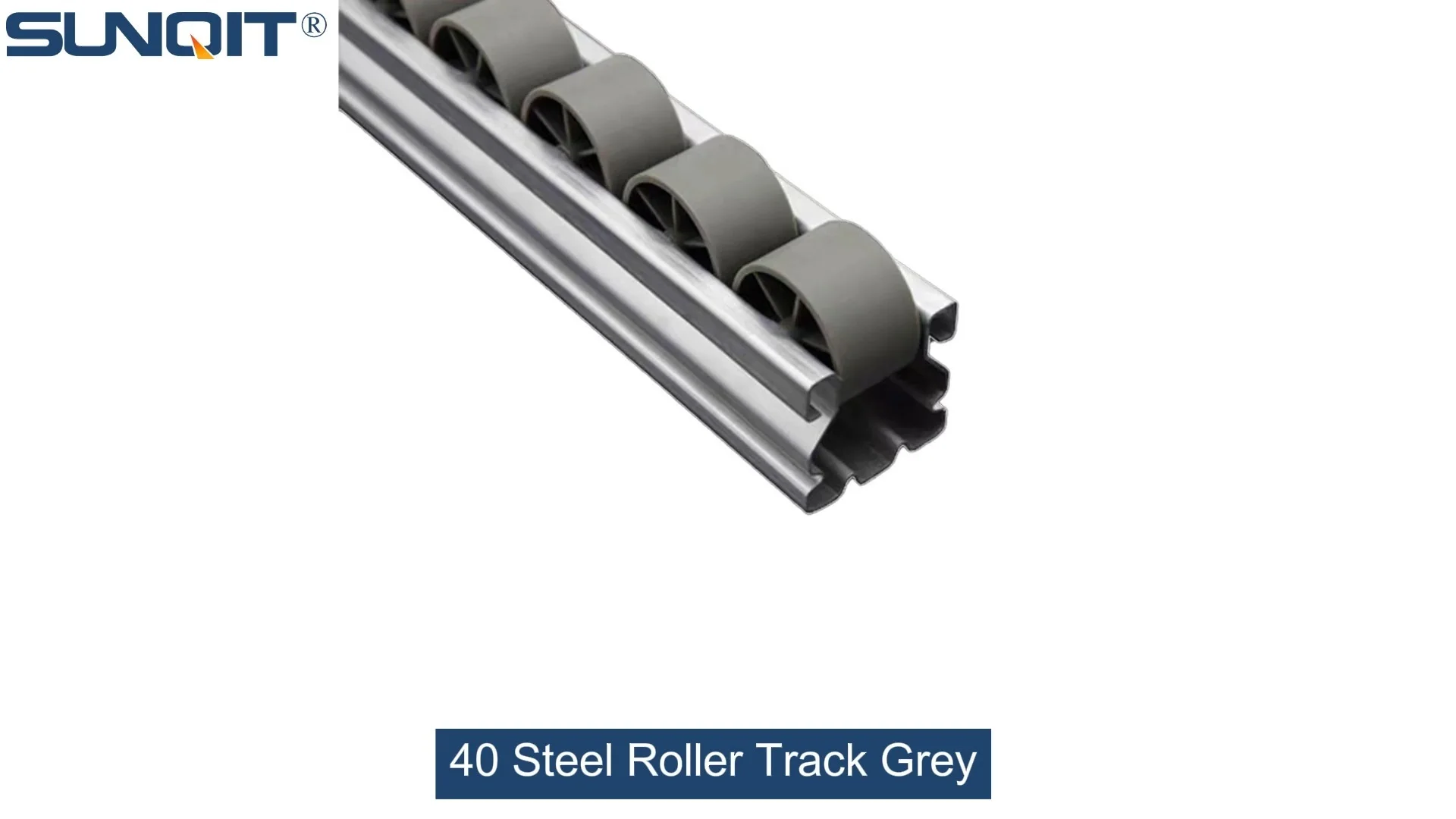
The roller track can be installed with multiple accessories to create different slopes and configurations of flow racks.All steel conveyor 40 roller track accessories are engineered to perfectly fit the sliding rail.It is enable the movement of SLC boxes.
40 Steel Roller Track Grey: Maintenance Tools & Routine Inspection Checklist
The 40 Steel Roller Track Grey is more than just a piece of industrial equipment—it's a backbone of efficient material flow in warehouses, production lines, and lean manufacturing setups. Whether you're using it to build flow racks for order picking, integrate it into conveyors for assembly lines, or as part of a custom lean solution, this roller track is designed to handle constant use while keeping items moving smoothly. But like any hardworking tool, it needs regular care to stay in top shape. Neglecting maintenance can lead to jammed tracks, slow flow, and unexpected downtime—all of which go against the lean principles of efficiency and waste reduction. In this article, we'll dive deep into everything you need to know about maintaining your 40 Steel Roller Track Grey: from the essential tools to a detailed routine inspection checklist, and even troubleshooting common issues. By the end, you'll have the knowledge to keep your roller tracks running like new, ensuring your operations stay efficient and your lean systems perform at their best.
What Makes the 40 Steel Roller Track Grey Stand Out?
The 40 Steel Roller Track Grey is a versatile component used in a wide range of industrial applications. Made from high-quality steel with a durable grey finish, it's built to resist corrosion and wear, making it ideal for busy environments like warehouses and production lines. The "40" refers to its width (40mm), which is a standard size compatible with many aluminum profile accessories—like connectors, end supports, and brackets—allowing you to build flexible, customizable setups.
Common uses of this roller track include:
-
Flow Racks
: In warehouses, it's used to create gravity-fed flow racks where items slide from the back to the front, making order picking faster and more efficient.
-
Conveyors
: It's integrated into conveyor systems to move parts along assembly lines (like in 3C assembly plants, a key application area for our products).
-
Lean Workstations
: As part of lean solutions, it's used to build workstations that allow smooth movement of materials between stations, reducing waste and improving productivity.
What sets this track apart is its compatibility with lean principles. Since it's part of a flexible system, you can easily reconfigure it using aluminum profile accessories to adapt to changing production needs—something that aligns with the "sustainable improvement" goal of lean manufacturing.
Must-Have Tools to Keep Your Roller Track in Shape
Maintaining your 40 Steel Roller Track Grey doesn't require fancy equipment, but having the right tools on hand makes the job easier and more effective. Here are the essential tools you need:
1. Soft-Bristle Brush
Dust, dirt, and small debris are the biggest enemies of smooth roller movement. A soft-bristle brush (like a paintbrush or a dedicated industrial brush) is perfect for removing loose debris from between rollers and along the track's edges. Unlike hard brushes, it won't scratch the grey finish or damage the rollers. To use it, simply brush along the length of the track, paying extra attention to areas where debris tends to accumulate (like near connectors or end supports).
2. Non-Abrasive Cleaner
For stubborn dirt or grease, you'll need a mild, non-abrasive cleaner (like dish soap mixed with warm water). Avoid harsh chemicals (like bleach or ammonia) as they can strip the grey finish and cause corrosion. Apply the cleaner to a soft cloth and wipe the track gently—don't soak the track, as excess water can seep into the roller axles and cause rust.
3. Silicone-Based Lubricant
Rollers need lubrication to rotate freely, but not just any lubricant will do. Oil-based lubricants attract dust and dirt, which can clog the rollers over time. A silicone-based lubricant is ideal because it's non-sticky and repels dust. Apply a small drop of lubricant to each roller's axle (where it connects to the track frame) every week or as needed. Be careful not to over-lubricate—too much can drip onto the track and cause items to slip or stick.
4. Wrench Set
Loose connectors are a common issue with roller tracks, especially if they're used in high-vibration environments (like conveyors). A set of wrenches (including adjustable wrenches) will help you tighten loose aluminum profile accessories—like connectors, brackets, and end supports. Make sure to use the right size wrench to avoid stripping the bolts or damaging the accessories.
5. Level Tool
An uneven track can cause items to jam or slide to one side. A level tool (like a spirit level) helps you check if the track is perfectly horizontal. Place the level along the length of the track and adjust the supports until the bubble is centered. This is especially important for flow racks, where gravity relies on a slight incline (but not too steep) to move items.
6. Rubber Mallet
Sometimes, you need to adjust the position of the track or its accessories. A rubber mallet is gentle enough to tap the track or connectors into place without damaging the steel or aluminum parts. Avoid using a metal hammer—this can dent the track or bend the rollers.
7. Inspection Mirror
Hard-to-reach areas (like under the track or behind connectors) can hide debris or loose parts. An inspection mirror (with a long handle) lets you see these areas without having to disassemble the track. Use it to check for hidden debris, rust, or loose bolts that might be missed during a visual inspection.
Each of these tools plays a crucial role in keeping your 40 Steel Roller Track Grey running smoothly. Investing in these tools will save you time and money in the long run by preventing costly repairs and downtime.
Your Go-To Routine Inspection Checklist
Regular inspections are key to catching issues early and keeping your roller track in top condition. Below is a detailed checklist broken down into daily, weekly, monthly, and quarterly tasks.
| Inspection Frequency | Task | How to Perform | Action If Issue Found |
|---|---|---|---|
| Daily | Check for debris/jammed items | Walk along the track and look for any items stuck between rollers or on the track surface. | Use a soft-bristle brush to remove debris; gently free jammed items (don't force them). |
| Test roller rotation | Spin each roller gently with your finger to ensure it rotates freely. | Clean the roller axle with a cloth; apply silicone lubricant if needed. | |
| Check for loose rollers | Wiggle each roller slightly to see if it's loose in its socket. | Use a wrench to tighten the axle nut (if applicable); replace the roller if it's worn out. | |
| Visual check for wear | Look for scratches, dents, or rust on the track surface or rollers. | For minor scratches: Clean and apply a rust-resistant coating. For deep dents/rust: replace the affected section. | |
| Check for unusual noise | Listen to the track while it's in use (if part of a conveyor) for squeaks or grinding sounds. | Identify the source of the noise; lubricate rollers or tighten loose connectors. | |
| Weekly | Deep clean the track | Use a soft-bristle brush and non-abrasive cleaner to remove dirt and grease from the track and rollers. | Rinse with a damp cloth and dry thoroughly to prevent rust. |
| Lubricate rollers | Apply a small drop of silicone lubricant to each roller's axle. | Wipe off excess lubricant to avoid dust buildup. | |
| Tighten connectors | Use a wrench to check and tighten all aluminum profile accessories (connectors, brackets, end supports). | replace any damaged connectors with compatible parts. | |
| Check track alignment | Use a level tool to ensure the track is horizontal (or at the correct incline for flow racks). | Adjust the supports to realign the track. | |
| Check load capacity | Ensure the track isn't carrying more weight than the manufacturer's specified limit. | Reduce the load or reinforce the track with additional supports. | |
| Inspect end supports | Look for signs of bending or wear on the end supports of the track. | Tighten bolts or replace supports if they're damaged. | |
| Monthly | Check roller axle condition | For a few rollers, remove them and inspect the axle for rust or wear. | Clean the axle with a rust remover; replace if it's bent or corroded. |
| Test flow efficiency | Place a few standard items (like boxes or parts) on the track and observe how they slide. | Adjust the incline (for flow racks) or lubricate rollers if items move too slowly or get stuck. | |
| Inspect track frame | Look for bent or deformed sections in the track frame. | Straighten the frame (if possible) or replace the affected section. | |
| Check for corrosion | Look for rust spots on the steel track or rollers. | Use a rust remover to clean the area; apply a rust-resistant coating to prevent further damage. | |
| Document maintenance | Record all maintenance tasks performed, including any issues found and solutions applied. | Use this record to identify patterns (like frequent loose connectors) and adjust your maintenance schedule. | |
| Quarterly | Full disassembly of a section | Disassemble a small section of the track to inspect internal components (like axles and connectors). | Clean all components; replace any worn or damaged parts (like rollers or aluminum profile accessories). |
| replace worn parts | replace any rollers or connectors that show signs of significant wear. | Stock spare parts to ensure quick replacements. | |
| Re-align the entire system | If the track is part of a larger setup (like a conveyor or flow rack), check the alignment of the entire system. | Adjust supports or connectors to ensure the entire system is aligned correctly. | |
| Review maintenance schedule | Look at your maintenance records and adjust the schedule if needed (e.g., if you find that rollers need lubrication more frequently). | update the checklist to reflect any changes. |
Fixing Common Problems with Your Roller Track
Even with regular maintenance, you might encounter issues with your 40 Steel Roller Track Grey. Here are some common problems and how to fix them:
1. Rollers Not Rotating Freely
Causes
: Debris stuck between rollers, lack of lubrication, bent axle, or rust on the axle.
Solution
: First, use a soft-bristle brush to remove any debris. If that doesn't work, apply silicone lubricant to the axle. If the roller still doesn't rotate, check the axle for rust or bending—clean it with a rust remover or replace the roller if the axle is bent.
2. Items Getting Stuck on the Track
Causes
: Uneven track alignment, worn rollers, debris, or incorrect incline (for flow racks).
Solution
: Use a level tool to check alignment and adjust supports. Clean the track to remove debris. If rollers are worn, replace them. For flow racks, adjust the incline to ensure items slide smoothly without getting stuck.
3. Unusual Squeaking or Grinding Noise
Causes
: Dry rollers, loose connectors, or bent rollers.
Solution
: Lubricate the rollers with silicone lubricant. Tighten any loose aluminum profile accessories (connectors, brackets) using a wrench. If the noise persists, check for bent rollers and replace them.
4. Corrosion on the Track
Causes
: Exposure to moisture, harsh chemicals, or lack of proper cleaning.
Solution
: For minor rust spots, use a rust remover to clean the area and apply a rust-resistant coating. For severe corrosion (where the steel is pitted), replace the affected section of the track. To prevent future corrosion, ensure the track is dried thoroughly after cleaning and avoid using harsh chemicals.
5. Loose Connectors
Causes
: Vibration from constant use, incorrect installation, or worn connectors.
Solution
: Use a wrench to tighten the connectors. If the connectors are worn (e.g., threads are stripped), replace them with compatible aluminum profile accessories. For high-vibration environments, consider using lock washers to keep connectors tight.
Each of these solutions ties back to the tools and checklist items we discussed earlier. By addressing issues promptly, you can minimize downtime and keep your operations running smoothly.
Tips to Make Your Roller Track Last Longer
Proper maintenance is key to extending the lifespan of your 40 Steel Roller Track Grey, but there are other steps you can take to maximize its durability:
1.
Follow the Maintenance Schedule
: Stick to the daily, weekly, monthly, and quarterly inspection checklist. Consistency is more important than occasional deep cleaning—small, regular tasks prevent big problems down the line.
2.
Avoid Overloading
: Every roller track has a maximum load capacity. Exceeding this limit can bend the track frame, damage rollers, or loosen connectors. Always check the manufacturer's specs and ensure your load stays within the limit.
3.
Use Compatible Accessories
: When building or modifying your setup, use only compatible aluminum profile accessories (like connectors, brackets, and end supports). Using incompatible parts can cause misalignment, loose connections, and premature wear.
4.
Train Your Staff
: Make sure your team knows how to use the roller track properly. For example, they should not drag heavy items across the track (as this can damage rollers) and should remove debris immediately. Training reduces accidental damage and ensures everyone contributes to maintenance.
5.
Stock Spare Parts
: Keep a supply of spare rollers, connectors, and other essential parts on hand. This allows you to replace worn parts quickly, minimizing downtime. For example, if a roller breaks during a busy shift, having a spare means you can replace it in minutes instead of waiting for a new part to arrive.
6.
Adapt to Changing Needs
: As part of a lean solution, your roller track setup may need to be reconfigured over time. When reconfiguring, use the right tools (like a wrench set and rubber mallet) to avoid damaging the track or accessories. This flexibility is one of the key benefits of lean systems—so make sure you use it wisely.
By following these tips, you can extend the lifespan of your roller track by 30% or more, saving you money and reducing waste (a core principle of lean manufacturing).
How Maintenance Improves Your Operations
Let's look at some real-world examples of how proper maintenance of the 40 Steel Roller Track Grey has helped businesses improve their operations:
Example 1: 3C Assembly Plant
A 3C assembly plant uses this roller track in their conveyor system to move parts between stations. Before implementing a regular maintenance schedule, they experienced frequent downtime due to jammed rollers and loose connectors. After following the checklist (including daily debris checks and weekly lubrication), they reduced downtime by 22% and increased their assembly line throughput by 15%. This improvement directly contributed to their lean solution goals of reducing waste and improving efficiency.
Example 2: Warehouse Flow Rack System
A warehouse uses the 40 Steel Roller Track Grey in their flow racks for order picking. Before maintenance, they had issues with items getting stuck, leading to slower picking times and frustrated staff. After implementing the monthly alignment checks and weekly cleaning, they reduced stuck items by 30% and improved picking speed by 18%. This not only made the warehouse more efficient but also reduced the risk of errors in order fulfillment.
Example3: Lean Workstation Setup
A medical device manufacturer uses this track in their lean workstations to move materials between workers. Proper maintenance (including quarterly disassembly and part replacement) ensured that the track remained flexible and reliable. When they needed to reconfigure their workstations for a new product line, they were able to do so quickly using compatible aluminum profile accessories—without any downtime. This flexibility is a key part of their lean solution, allowing them to adapt to changing customer needs.
These examples show that proper maintenance isn't just a chore—it's an investment in your business's efficiency and profitability.
Final Thoughts
The 40 Steel Roller Track Grey is a vital component of many lean systems, flow racks, and conveyors. By using the right maintenance tools, following the detailed inspection checklist, and addressing issues promptly, you can keep it running smoothly for years. Proper maintenance not only extends the lifespan of the track but also improves your operations—reducing downtime, increasing throughput, and aligning with the lean principles of efficiency and waste reduction. Whether you're a warehouse manager, a production supervisor, or someone responsible for maintaining industrial equipment, this guide gives you all the information you need to take care of your roller track and keep your business moving forward.