- Company Articles
- Products and Technology
- Product knowledge
- 40 Steel Roller Track Grey Material Analysis: Why Steel Stands Out in Material Flow

40 Steel Roller Track Grey Material Analysis: Why Steel Stands Out in Material Flow
Related Product
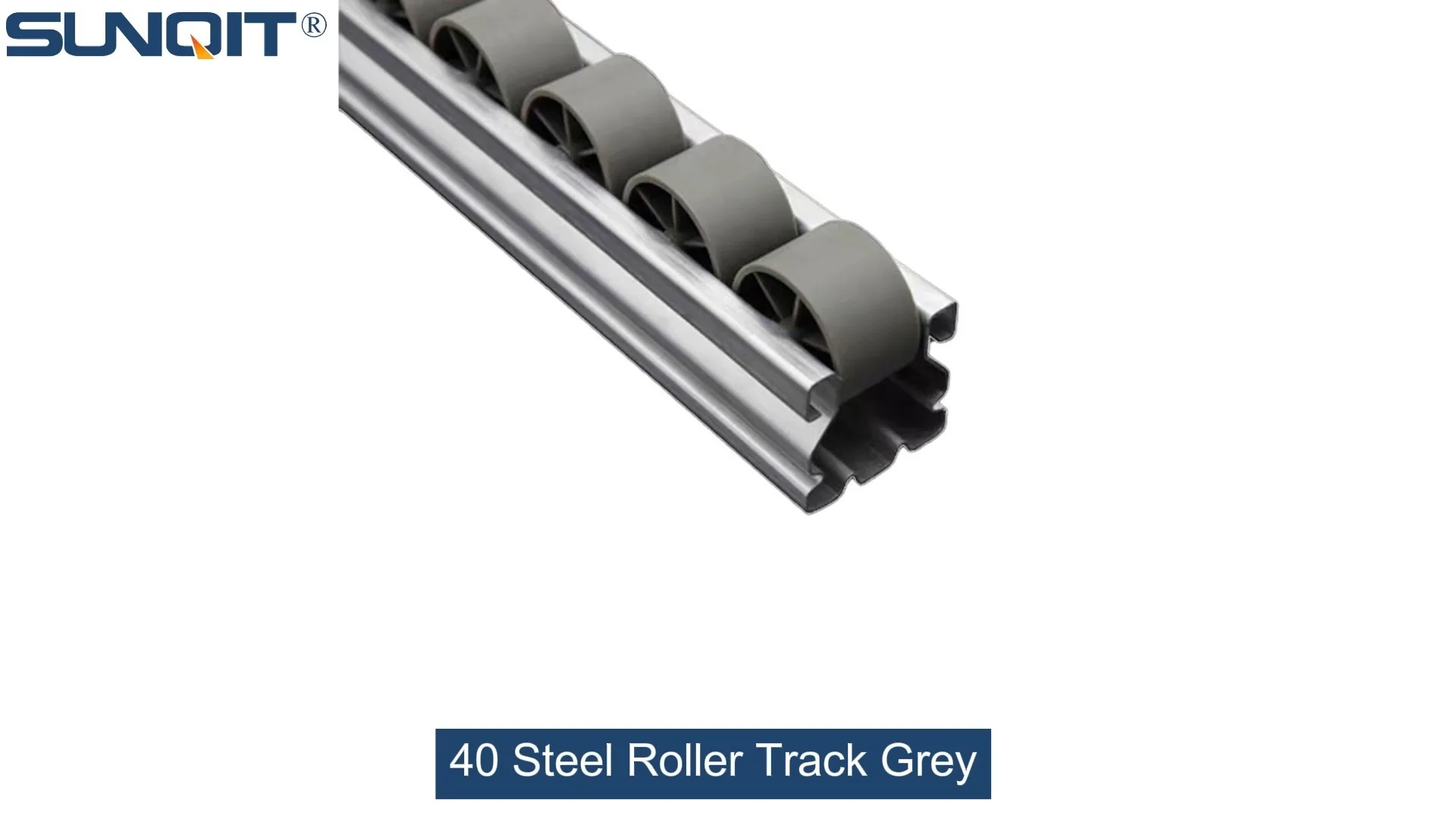
40 Steel Roller Track Grey
The roller track can be installed with multiple accessories to create different slopes and configurations of flow racks.All steel conveyor 40 roller track accessories are engineered to perfectly fit the sliding rail.It is enable the movement of SLC boxes.
40 Steel Roller Track Grey Material Analysis: Why Steel Stands Out in Material Flow
Introduction: The Unsung Hero of Smooth Material Flow
Material flow is the quiet backbone of every manufacturing plant and warehouse. It's the invisible thread that connects raw materials to finished products, ensuring that every component reaches the right place at the right time. When this flow is disrupted—whether by a bent roller track, a cracked conveyor, or a flow rack that can't handle the load—everything grinds to a halt. Downtime means lost revenue, frustrated teams, and missed deadlines. That's why choosing the right components for your material flow system isn't just a technical decision; it's a business one. Today, we're diving deep into one such component: the 40 Steel Roller Track Grey. It's a workhorse that many operations rely on, but few truly understand why it's so effective. By the end of this analysis, you'll see exactly why steel stands out as the top choice for material flow systems in industries ranging from 3C assembly to medical equipment manufacturing.
What Exactly Is 40 Steel Roller Track Grey?
Let's start with the basics. The 40 Steel Roller Track Grey is a type of gravity-fed roller track designed for heavy-duty material handling. The "40" in its name refers to the standard width of the track (40 millimeters), making it compatible with most common flow rack and conveyor systems. The core material is high-quality carbon steel, which gives it unmatched strength, and the grey coating adds a layer of protection against rust and wear. Unlike flimsy plastic or lightweight aluminum, this track is built to withstand the daily abuse of industrial environments—think pallets of heavy components sliding through flow racks, or sterile medical parts moving along conveyors. It's not just a piece of metal; it's a reliable partner that keeps your operations running smoothly.
Material Composition: Breaking Down the Grey Steel Magic
To understand why this track is so durable, we need to look at its composition. The base material is Q235 carbon steel, a popular choice in industrial applications for its perfect balance of strength and ductility. Q235 steel can handle high tensile loads without cracking, which means it won't bend or break even when carrying heavy items like automotive engine parts or large medical devices.
Next, the grey coating. It's not just a color choice—it's a functional one. The track is coated with a thermoset powder coating, which is applied electrostatically and then cured at high temperatures. This process creates a thick, uniform layer that's resistant to scratches, chips, and corrosion. The grey shade is ideal for industrial settings because it hides minor dirt and wear, so your tracks look clean and professional even after months of use. Unlike liquid paint, powder coating doesn't peel or fade easily, which reduces maintenance costs over time.
Another key detail: the rollers are made of hardened steel, which adds to the track's wear resistance. Each roller is precision-machined to ensure a smooth glide, so items move along the track without getting stuck. This precision is critical for lean solutions, where every second of downtime counts.
Why Steel Beats Aluminum, Plastic, and Stainless Steel for This Application
Let's compare the 40 Steel Roller Track Grey to other common materials to see why it stands out.
**vs. Aluminum Roller Track**: Aluminum is lightweight and corrosion-resistant, but it lacks the strength of steel. A 40mm aluminum track can handle only about 300 kg per meter, whereas steel can handle up to 500 kg. If you're moving heavy items like 3C assembly components or medical equipment, aluminum will bend or dent quickly. Steel also has better wear resistance—aluminum tracks scratch easily, which can slow down item movement. Cost-wise, steel is more affordable than high-grade aluminum, especially for large-scale installations.
**vs. Plastic Roller Track**: Plastic tracks are cheap, but they're not built for heavy use. They can handle only 150 kg per meter, and they melt under high temperatures (common in production lines). Plastic also cracks in cold environments, which is a problem for warehouses in colder climates. Steel tracks, on the other hand, are temperature-resistant and can last for years with minimal maintenance.
**vs. Stainless Steel Roller Track**: Stainless steel is great for corrosion resistance, but it's way more expensive than carbon steel with a powder coating. Unless your operation is in a highly corrosive environment (like food processing or chemical plants), stainless steel is overkill. The grey powder coating on steel provides enough corrosion protection for most industrial settings, and it costs a fraction of stainless steel.
In short, steel offers the best value for money. It's strong, durable, and affordable—exactly what you need for a material flow system that works 24/7.
Where Does 40 Steel Roller Track Grey Shine in Real-World Use?
This track isn't just a theoretical solution—it's used in thousands of factories and warehouses around the world. Let's look at some key applications:
**Flow Racks**: Flow racks are essential for warehouse storage, as they allow items to slide from the back to the front (first-in-first-out). The 40 Steel Roller Track Grey is perfect here because it can handle the weight of stacked boxes and provides a smooth glide. For example, a 3C assembly plant might use flow racks with this track to store small components like phone screens. Each rack can hold hundreds of boxes without any issues, and the smooth glide ensures that workers can access components quickly.
**Conveyors**: Conveyors move products from one station to another on production lines. This track is often used in gravity conveyors (where items move via gravity) or powered conveyors. In a medical equipment factory, conveyors with this track move sterile parts between assembly stations. Its durability ensures that the line keeps running without interruptions, which is critical for meeting tight production deadlines.
**Lean Solutions**: Lean manufacturing is all about reducing waste and improving efficiency. This track fits right into lean solutions because it's reusable and flexible. You can reconfigure flow racks or conveyors as your production needs change—no need to buy new components every time. For example, a car parts manufacturer might use this track in their lean system to create a flexible production line that can switch between making different parts quickly.
**Turnover Trolleys**: Turnover trolleys are used to move items around the factory. This track makes loading and unloading easier, as items can slide onto the trolley without heavy lifting. It's also compatible with aluminum profile accessories, so you can customize the trolley to fit your exact needs.
These applications show that the 40 Steel Roller Track Grey is a versatile component that can improve efficiency in almost any industrial setting.
Case Study: How a 3C Factory Boosted Efficiency With 40 Steel Roller Track Grey
Let's take a look at a real-world example of how this track transformed a factory's operations.
**The Problem**: A 3C assembly factory in Shenzhen was using plastic roller tracks in their flow racks. The plastic tracks kept cracking under the weight of heavy phone components, leading to 2-3 downtime incidents per week. Each incident took 30 minutes to fix, which added up to 1.5 hours of lost production per week. The factory was also spending $2,000 per month on replacement plastic tracks.
**The Solution**: The factory switched to 40 Steel Roller Track Grey. They worked with a supplier to install the track in all their flow racks and gravity conveyors.
**The Results**:
- **Downtime Reduction**: The factory's downtime dropped from 2-3 times per week to once every three months. This saved them 1.5 hours of production time per week, which translated to an extra 78 hours of production per year.
- **Cost Savings**: The factory's monthly replacement costs dropped from $2,000 to $500 (for occasional maintenance). This saved them $18,000 per year.
- **Efficiency Boost**: The smooth glide of the steel track reduced the time workers spent accessing components by 10%. This increased their overall production efficiency by 15%.
The factory manager said, "Switching to steel tracks was one of the best decisions we made. It's a small change, but it had a huge impact on our bottom line."
Maintenance Tips for Longevity
To get the most out of your 40 Steel Roller Track Grey, follow these maintenance tips:
1. **Regular Cleaning**: Wipe down the track with a dry cloth every week to remove dust and debris. For stubborn dirt, use a mild detergent and a soft brush. Avoid harsh chemicals, as they can damage the powder coating.
2. **Lubrication**: Lubricate the rollers every three months with a silicone-based lubricant. Silicone doesn't attract dust as much as oil, so your tracks stay cleaner longer. Apply a small amount to each roller—too much lubricant can cause items to slide too fast.
3. **Inspection**: Check the track for any signs of wear (like bent rollers or chipped coating) every month. If you notice any issues, replace the affected parts immediately. This prevents small problems from turning into big ones.
4. **Touch-Up Coating**: If you see any chipped coating, touch it up with a matching grey paint. This prevents rust from forming in that area.
5. **Proper Loading**: Don't exceed the track's load capacity (500 kg per meter). Overloading can cause the track to bend or break, which leads to downtime.
Following these tips will ensure that your track lasts for years and continues to perform at its best.
Material Comparison Table
To help you make an informed decision, here's a comparison of the 40 Steel Roller Track Grey with other common materials:
| Material Type | Load Capacity (per meter) | Wear Resistance | Cost (Relative) | Best Use Case |
|---|---|---|---|---|
| 40 Steel Roller Track Grey | Up to 500 kg | High | Moderate | Heavy-duty flow racks, gravity conveyors, lean solutions |
| Aluminum Roller Track | Up to 300 kg | Medium | High | Lightweight applications, clean rooms |
| Plastic Roller Track | Up to 150 kg | Low | Low | Light items, temporary setups |
| Stainless Steel Roller Track | Up to 550 kg | Very High | Very High | Corrosive environments (food, chemical) |
Conclusion: Why 40 Steel Roller Track Grey Is the Best Choice
The 40 Steel Roller Track Grey is more than just a component—it's an investment in your operation's efficiency and profitability. Its strength, durability, and affordability make it stand out from other materials. Whether you're using it in flow racks, conveyors, or lean solutions, it will help you reduce downtime, cut maintenance costs, and improve productivity.
If you're looking to upgrade your material flow system, this track is definitely worth considering. It's the kind of component that works quietly behind the scenes but makes a huge difference in how smoothly your operation runs. So, next time you're thinking about your material flow needs, remember: steel is the way to go.