- Company Articles
- Products and Technology
- Installation And Maintenance
- 40 Steel Roller Track Grey: Replacement Parts & Repair Tips for Maintenance Teams

40 Steel Roller Track Grey: Replacement Parts & Repair Tips for Maintenance Teams
Related Product
40 Steel Roller Track Grey
The roller track can be installed with multiple accessories to create different slopes and configurations of flow racks.All steel conveyor 40 roller track accessories are engineered to perfectly fit the sliding rail.It is enable the movement of SLC boxes.
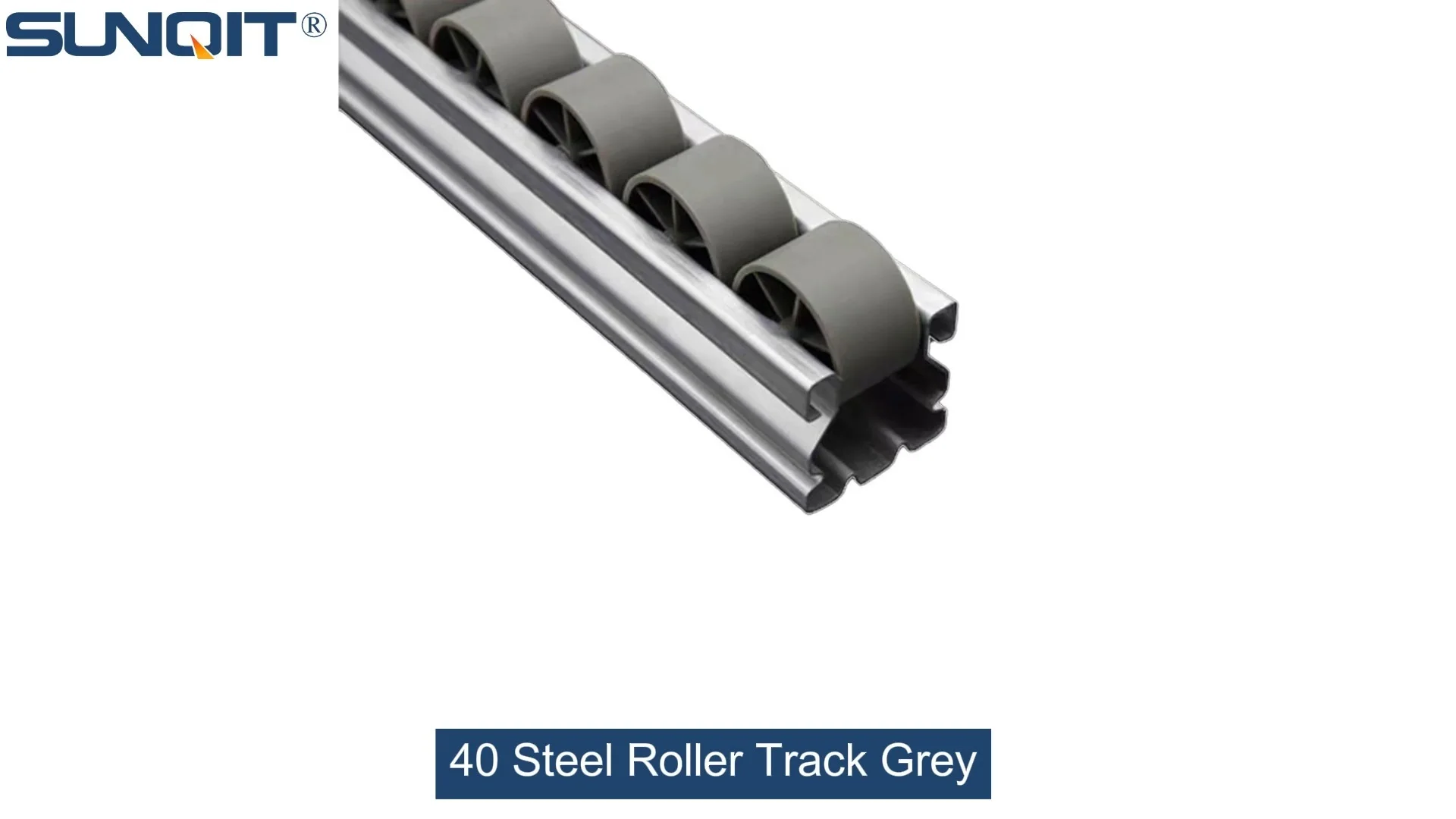
Introduction to 40 Steel Roller Track Grey
If you're on a maintenance team in manufacturing, you know how much of a workhorse the 40 Steel Roller Track Grey is. This track is everywhere—from flow racks that hold parts for assembly lines to conveyors that move products smoothly through different stages of production. It's a key component of lean systems, helping teams keep operations efficient and minimize waste. But like any hardworking equipment, it needs regular care and occasional repairs to keep performing at its best. In this article, we'll dive into everything maintenance teams need to know about replacement parts and repair tips for the 40 Steel Roller Track Grey, so you can keep your lines running without unnecessary downtime.
Common Issues Maintenance Teams Face with 40 Steel Roller Track Grey
Before we get into fixes, let's talk about the usual problems you might encounter. These issues can slow down production or even cause safety hazards if left unaddressed:
- Stuck Rollers: Debris, dust, or lack of lubrication can make rollers stop spinning freely. This leads to parts getting stuck on the track, slowing down the flow of materials.
- Misaligned Tracks: Over time, the track sections might shift out of alignment due to heavy use or loose connectors. Misaligned tracks can cause products to jam or fall off the conveyor.
- Worn Connectors: The roller track connectors that hold sections together can wear out from constant vibration and weight. Loose or broken connectors make the track unstable.
- Damaged Guide Rails: The plastic roller track guide rails (like the grey ones that come with this track) can crack or chip if hit by heavy items. Damaged guides mean parts don't move straight, leading to jams.
- Caster Wheel Wear: If the track is part of a mobile system (like a turnover trolley), the caster wheels might wear down, making the system hard to move or unstable.
- Static Buildup: In ESD-sensitive environments (like 3C assembly), static on the track can damage delicate components. This is a common issue if the track isn't properly grounded or uses non-ESD parts.

Essential Replacement Parts for 40 Steel Roller Track Grey
Having the right replacement parts on hand is half the battle. Here's a breakdown of the most common parts you'll need, along with their functions and when to replace them:
| Replacement Part | Key Function | Signs It Needs Replacement |
|---|---|---|
| Roller Track Connector | Holds sections of 40 Steel Roller Track Grey together, ensuring stability and alignment. | Loose fit, cracks, or visible wear; track sections shift easily. |
| Plastic Roller Track Guide Rail Grey | Guides products along the track, preventing them from falling off or veering off course. | Cracks, chips, or missing pieces; products start to jam or misalign. |
| Caster Accessories (e.g., Caster Wheels) | Allows mobile systems (like turnover trolleys with tracks) to move smoothly. | Worn treads, wobbly wheels, or difficulty moving the trolley. |
| Aluminum Profile Accessories | Supports the track when integrated into aluminum profile structures (like lean pipe workbenches). | Loose bolts, bent brackets, or unstable connections to the profile. |
| Swivel Roller Balls (1 inch) | Used in some track systems to allow parts to rotate or move in multiple directions. | Balls don't spin freely, or they're damaged/scratched. |
| ESD Workbench Mats | Grounds static electricity when the track is part of an ESD workstation. | Mats are cracked, or static tests show they're no longer effective. |
These parts are essential for keeping your 40 Steel Roller Track Grey in top shape. When choosing replacements, make sure they're compatible with your existing system—checking dimensions (like 40mm for the track) and material quality is crucial. For ESD environments, opt for ESD-compliant parts to protect sensitive components.

Step-by-Step Repair Tips for Common Issues
Let's walk through how to fix the most common problems with the 40 Steel Roller Track Grey. These steps are designed to be straightforward, so your team can handle repairs quickly:
Fixing Stuck Rollers
1. Safety First: If the track is part of a motorized conveyor, turn off the power and lock out the system to prevent accidents. For manual systems, clear the area around the track.
2. Clear the Track: Remove any products or debris from the affected section of the track. Use a soft brush to sweep away dust and small particles.
3. Inspect Rollers: Check each roller for dust, dirt, or small pieces of debris. If a roller is stuck, use a cotton swab dipped in rubbing alcohol to clean the axle and surrounding area.
4. Lubricate: Apply a small amount of light machine oil to the axle of each stuck roller. Avoid using too much oil, as it can attract more dust. For food processing environments, use food-grade oil.
5. Test: Spin each roller by hand to ensure it moves freely. If a roller still doesn't spin, it might be damaged and need replacement. replace the roller by removing the retaining clip, sliding out the old roller, and inserting a new one.
Realigning Misaligned Tracks
1. Mark the Problem Area: Identify where the track sections are out of alignment. Use a straightedge or laser level to check the gap between sections and ensure they're level.
2. Loosen Connectors: Gently loosen the roller track connectors holding the misaligned sections together. Don't remove them completely—just enough to adjust the position.
3. Adjust Position: Push or pull the track sections until they're aligned. Use the straightedge to confirm the alignment is correct. For uneven tracks, use shims under the track supports to level them.
4. Tighten Connectors: Once aligned, tighten the connectors securely. Make sure they're not too tight, as this can cause stress on the track. Use a torque wrench if available to ensure consistent tightness.
5. Test: Run a few products along the track to ensure they move smoothly without jamming. If products still misalign, check the supports for damage.
Replacing Worn Roller Track Connectors
1. Remove Old Connectors: Use a wrench or screwdriver to remove the bolts holding the worn connector in place. Take care not to damage the track sections or surrounding components.
2. Clean the Area: Wipe down the ends of the track sections with a wire brush to remove any dirt or rust. This ensures a secure fit for the new connector.
3. Install New Connector: Place the new roller track connector between the track sections. Align it properly with the pre-drilled holes and insert the bolts.
4. Tighten Bolts: Tighten the bolts evenly in a crisscross pattern to ensure a secure fit. Check that the track sections are stable and aligned. For outdoor or wet environments, use rust-resistant bolts.
Replacing Damaged Guide Rails
1. Remove Old Guide Rail: Pry off the damaged plastic roller track guide rail grey from the track. Use a flathead screwdriver wrapped in a cloth to avoid scratching the steel track.
2. Measure and Cut (if necessary): If the new guide rail is longer than needed, cut it to the correct length using a hacksaw or utility knife. Smooth the edges with sandpaper to prevent sharp edges.
3. Install New Guide Rail: Press the new guide rail into the slots on the track. Make sure it fits snugly and runs the entire length of the section. For extra security, use small screws or adhesive to hold the guide rail in place.
4. Test: Run a few products along the track to ensure the guide rail keeps them on course. If products still veer off, adjust the guide rail position or check for misalignment.
Replacing Worn Caster Wheels
1. Secure the Trolley: If the track is on a turnover trolley, lock the brakes (if available) or place blocks under the wheels to prevent it from moving. Lift the trolley slightly to take the weight off the worn wheel.
2. Remove the Old Wheel: Use a wrench to loosen the bolts holding the caster wheel in place. Remove the bolts and slide the old wheel off the axle.
3. Clean the Mount: Wipe down the caster mount to remove any dirt or rust. Check the mount for damage—if it's bent, replace it as well.
4. Install New Wheel: Place the new caster wheel onto the axle. Align it properly and insert the bolts. Tighten the bolts evenly to ensure a secure fit.
5. Test: Lower the trolley and push it around to ensure the new wheel moves smoothly. Check that the trolley is stable and doesn't wobble.

Preventive Maintenance Practices to Extend Track Life
The best way to avoid frequent repairs is to implement a preventive maintenance schedule. Here are some practices your team can follow:
- Daily Inspections: Walk the track system each day to check for obvious issues like stuck rollers, misaligned sections, or damaged guide rails. Address small problems before they become big ones.
- Weekly Cleaning: Use a vacuum or brush to remove dust and debris from the track and rollers. For hard-to-reach areas, use a compressed air canister. Wipe down the track surface with a damp cloth to remove grease and grime.
- Monthly Lubrication: Apply light machine oil to the roller axles once a month. This keeps the rollers spinning smoothly and reduces wear. For ESD environments, use ESD-safe lubricants to prevent static buildup.
- Quarterly Tightening: Check all roller track connectors and aluminum profile accessories for loose bolts. Tighten them as needed to keep the system stable. Use a torque wrench to ensure consistent tightness.
- Annual Replacement Check: Once a year, inspect all parts for signs of wear. replace any parts that are showing significant damage or wear to prevent unexpected failures. This includes rollers, connectors, guide rails, and caster wheels.
- ESD Testing: For ESD-sensitive environments, test the track's grounding once a month. Use an ESD tester to ensure the track is properly grounded and static-free.
By following these practices, you can extend the life of your 40 Steel Roller Track Grey and reduce downtime. It's a small investment of time that pays off in smoother operations.
How to Choose the Right Replacement Parts
When it comes to replacement parts, not all are created equal. Here are some tips to help you choose the right ones:
- Check Compatibility: Make sure the part fits your 40 Steel Roller Track Grey. For example, roller track connectors should be designed for 40mm steel tracks, and guide rails should match the track's profile.
- Quality Materials: Opt for parts made from durable materials. Steel connectors should be rust-resistant, and plastic guide rails should be thick enough to withstand heavy use. For ESD environments, choose ESD-compliant parts.
- Supplier Reliability: Buy from a trusted lean pipe supplier that specializes in these parts. They'll have the expertise to help you find the right parts and ensure they're of high quality. Look for suppliers that offer wholesale options if you need large quantities.
- Consider Application: Choose parts based on your application. For example, if the track is used in a wet environment, use stainless steel parts to prevent rust. If it's used in a cleanroom, choose parts that are easy to clean and don't shed particles.
- Warranty: Look for parts with a warranty. This ensures that if the part fails prematurely, you can get a replacement without additional cost.
Taking the time to choose the right parts will save you from having to replace them again soon. It's better to spend a little more on quality parts than to deal with frequent breakdowns.
Integration with Lean Systems: Why This Track Matters
The 40 Steel Roller Track Grey isn't just a piece of equipment—it's a key part of lean systems that help manufacturers improve efficiency and reduce waste. Here's how it integrates with other lean components:
- Flow Racks: This track is often used in flow racks, which allow parts to slide down to the assembly line as needed. This supports the just-in-time (JIT) principle, ensuring parts are available when needed without excess inventory. For example, in automotive manufacturing, flow racks with this track hold engine parts that are delivered to the assembly line exactly when they're needed.
- Conveyors: In conveyor systems, the track moves products from one workstation to another, reducing the need for manual handling. This speeds up production and minimizes errors. In 3C assembly lines, conveyors with this track move smartphone components from soldering stations to testing stations, ensuring a smooth flow of products.
- Lean Pipe Workbenches: The track can be integrated into lean pipe workbenches to create a smooth surface for moving parts. This makes workstations more flexible and efficient. For example, in medical equipment manufacturing, lean pipe workbenches with this track hold sterile parts that are easily accessible to workers without contamination.
- Custom Lean Solutions: For industries like medical equipment or 3C assembly, this track is part of custom solutions that adapt to changing production needs. Its durability and reusability align with the lean of sustainable improvement, where systems are constantly adapted to meet changing needs. For example, if a production line is reconfigured, the track can be disassembled and reused in a new setup, reducing waste and saving costs.
The track's reusability is another key lean feature. Unlike fixed systems, this track can be modified and reused, which reduces waste and supports continuous improvement. This is especially important in industries where production lines change frequently, like consumer electronics.
Troubleshooting Motorized Conveyor Issues
If your 40 Steel Roller Track Grey is part of a motorized conveyor, you might encounter issues like the conveyor not moving or moving slowly. Here's how to troubleshoot:
- Check Power Supply: Make sure the conveyor is plugged in and the power switch is on. Check the circuit breaker to see if it's tripped. If the conveyor uses a battery, check the battery level and charge it if necessary.
- Inspect Motor: Listen for unusual noises from the motor. If it's humming but not moving, it might be overloaded. Turn off the power and check if there's a jam in the track. Remove any debris or stuck products and try again.
- Check Belt/Chain: If the conveyor uses a belt or chain to move the track, check for wear or slack. Adjust the tension using the tensioner screws. If the belt is worn or cracked, replace it. For chain-driven conveyors, lubricate the chain with chain oil.
- Check Sensors: Many motorized conveyors use sensors to detect products. If the sensor is dirty or misaligned, the conveyor might not start. Clean the sensor with a soft cloth and adjust its position to ensure it detects products properly.
- Contact a Professional: If the issue is with the motor itself, it's best to contact a technician who specializes in conveyor systems. They'll have the tools and expertise to fix it safely.
Conclusion
The 40 Steel Roller Track Grey is a backbone of many manufacturing operations. For maintenance teams, knowing how to repair it and choose the right replacement parts is essential to keeping production lines running smoothly. By following the repair tips and preventive maintenance practices outlined in this article, you can minimize downtime and extend the life of your track.
Remember, having the right parts on hand and working with a reliable supplier are key to success. Whether you need roller track connectors, guide rails, or caster accessories, make sure you choose quality parts that fit your system. With proper care, your 40 Steel Roller Track Grey will continue to be a reliable workhorse for years to come.
This track is more than just a piece of metal—it's a tool that helps teams work smarter, not harder. By keeping it in top shape, you're supporting your team's lean goals and ensuring your manufacturing operations run efficiently.