- Company Articles
- Products and Technology
- Product knowledge
- 40 Steel Roller Track Grey vs. Aluminum: Comparing Durability & Load Capacity

40 Steel Roller Track Grey vs. Aluminum: Comparing Durability & Load Capacity
Related Product
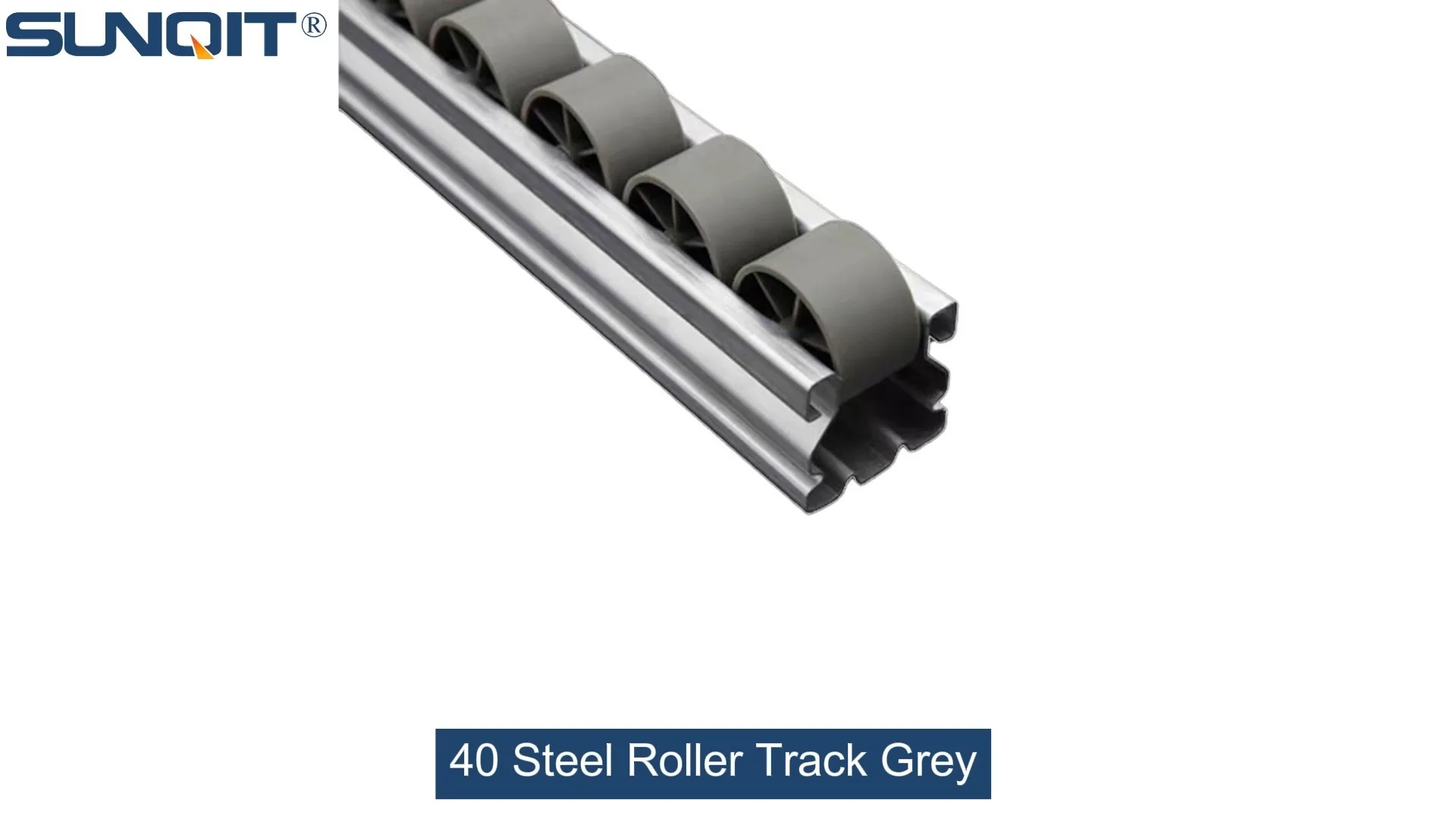
40 Steel Roller Track Grey
The roller track can be installed with multiple accessories to create different slopes and configurations of flow racks.All steel conveyor 40 roller track accessories are engineered to perfectly fit the sliding rail.It is enable the movement of SLC boxes.
40 Steel Roller Track Grey vs. Aluminum: Comparing Durability & Load Capacity
When it comes to building efficient material handling systems in modern manufacturing, every component counts. Roller tracks are the unsung heroes that keep parts moving smoothly from one station to the next, reducing bottlenecks and ensuring a steady flow of production. Today, we're diving deep into two popular options: 40 Steel Roller Track Grey and aluminum roller tracks. We'll compare their durability, load capacity, and practical uses to help you make the right choice for your lean system.
What Are These Roller Tracks?
Before we jump into the comparison, let's get to know these two products a little better.
40 Steel Roller Track Grey: This type of roller track is made from high-quality steel, coated with a grey finish to enhance its resistance to wear and corrosion. The "40" refers to its width (typically 40mm), making it a versatile choice for various material handling needs. It's designed to handle heavy loads and is a common sight in industries where durability under pressure is non-negotiable.
Aluminum Roller Tracks: Crafted from lightweight aluminum, these tracks offer excellent corrosion resistance and are easy to install and reconfigure. Aluminum roller tracks are often used in environments where rust is a concern, or where the weight of the track itself needs to be minimized. They're a staple in lean systems that prioritize flexibility and sustainability.
Durability Comparison: Steel vs. Aluminum
Durability is a key factor when choosing roller tracks, as they're subjected to constant use, heavy loads, and sometimes harsh environmental conditions. Let's break down how steel and aluminum stack up.
| Durability Aspect | 40 Steel Roller Track Grey | Aluminum Roller Tracks |
|---|---|---|
| Impact Resistance | High: Steel's inherent strength allows it to withstand heavy impacts without bending or denting. Ideal for environments where parts are dropped or moved roughly. | Moderate: Aluminum is softer than steel, so it may dent or deform under severe impact. Better suited for gentle handling of lighter items. |
| Corrosion Resistance | Moderate: The grey coating provides some protection, but steel can rust if the coating is scratched or in humid environments. Regular maintenance is needed to prevent corrosion. | High: Aluminum naturally forms a protective oxide layer that resists corrosion, even in wet or chemical-exposed areas. No need for additional coatings to prevent rust. |
| Wear Resistance | High: Steel rollers are harder, so they resist wear from constant friction better than aluminum. They maintain their shape and performance longer under heavy use. | Moderate: Aluminum rollers may wear down faster if used with heavy loads or abrasive materials. However, they still offer good longevity for lighter applications. |
| Long-Term Durability | Excellent for heavy-duty use: With proper maintenance (like re-coating when needed), steel tracks can last for years in high-load environments. | Excellent for corrosion-prone areas: Aluminum tracks have a long lifespan in dry or humid conditions without rust, making them a reliable choice for long-term use in the right settings. |
For example, in an automotive assembly line where heavy engine parts are moved daily, 40 Steel Roller Track Grey would be the better choice due to its high impact and wear resistance. On the other hand, in a medical device manufacturing facility where cleanliness and corrosion resistance are critical, aluminum roller tracks would shine.
Load Capacity Analysis: How Much Can Each Handle?
Load capacity is another critical consideration. Let's look at the maximum weights each track can support and the factors that influence this.
40 Steel Roller Track Grey Load Capacity: Steel is known for its high load-bearing ability. A typical 40mm steel roller track can handle anywhere from 500 to 1000 kg per linear meter, depending on the roller spacing and thickness of the steel. This makes it perfect for heavy items like automotive components, large machinery parts, or bulk materials.
Aluminum Roller Track Load Capacity: Aluminum is lighter, so its load capacity is lower. Most aluminum roller tracks can support between 200 to 500 kg per linear meter. This is sufficient for lighter products such as electronic components, small medical devices, or consumer goods. The exact capacity depends on the aluminum profile thickness and roller design.
| Factor | 40 Steel Roller Track Grey | Aluminum Roller Tracks |
|---|---|---|
| Typical Load Capacity (per linear meter) | 500-1000 kg | 200-500 kg |
| Influencing Factors | Steel thickness, roller diameter, spacing between rollers, coating quality. | Aluminum profile thickness, roller material (aluminum vs plastic), roller spacing. |
| Best For | Heavy loads, bulk materials, high-impact environments. | Lighter items, delicate products, corrosion-prone areas. |
When designing a flow rack or conveyor system, it's important to calculate the expected load per linear foot to choose the right track. Overloading a track can lead to premature wear or failure, so always opt for a track that exceeds your maximum expected load.
Practical Applications: Where to Use Each Track
Let's explore the industries and scenarios where each track excels.
40 Steel Roller Track Grey Applications
- Automotive Manufacturing: Used in flow racks and conveyors for heavy engine parts, chassis components, and assembly line materials.
- Heavy Machinery: Ideal for moving large, heavy parts like gears, hydraulic components, and machine frames.
- Warehousing & Logistics: Perfect for bulk storage racks and conveyors handling pallets, large boxes, or heavy goods.
- Metal Fabrication: Used to transport metal sheets, pipes, and fabricated parts that require high load capacity.
Aluminum Roller Track Applications
- 3C Assembly (Consumer Electronics, Computers, Communication): Great for handling small, delicate components like circuit boards, smartphones, and laptops where corrosion resistance is needed.
- Medical Device Manufacturing: Used in clean rooms and assembly lines for medical equipment, as aluminum is easy to sanitize and resists corrosion from cleaning chemicals.
- Food & Beverage: Suitable for light-duty conveyors in packaging areas, where rust is a concern and hygiene is important.
- Lightweight Material Handling: Perfect for small parts storage in flow racks and flexible conveyors in lean workstations.
In a lean system, choosing the right track can optimize your workflow. For example, a steel roller track in a flow rack for heavy automotive parts ensures smooth movement without frequent replacements, while an aluminum track in a 3C assembly line keeps components safe from corrosion and easy to handle.
Cost-Benefit Analysis: Initial Investment vs. Long-Term Value
Cost is always a factor, but it's important to look beyond the initial price tag to consider long-term value.
Initial Cost: Steel roller tracks are generally more affordable upfront than aluminum ones. The raw material cost of steel is lower, and the manufacturing process is often simpler. This makes steel a budget-friendly choice for projects with tight initial budgets.
Long-Term Costs: Aluminum tracks may have a higher initial cost, but they save money over time. They require less maintenance (no rust prevention, fewer repairs), and their lightweight design reduces energy costs in conveyors (less power needed to move the track and materials). Additionally, aluminum's recyclability means it has a higher residual value at the end of its lifespan.
| Cost Aspect | 40 Steel Roller Track Grey | Aluminum Roller Tracks |
|---|---|---|
| Initial Purchase Price | Lower: More affordable per linear meter. | Higher: Aluminum is more expensive than steel. |
| Maintenance Costs | Higher: Regular coating, rust prevention, and repairs may be needed. | Lower: Minimal maintenance required, no rust issues. |
| Energy Costs (for conveyors) | Higher: Heavier track requires more power to move. | Lower: Lighter weight reduces energy consumption. |
| Residual Value | Moderate: Steel is recyclable but has lower scrap value than aluminum. | High: Aluminum has a high scrap value and is easily recyclable. |
For example, if you're setting up a temporary production line, steel might be the best choice due to its lower initial cost. But for a permanent line in a humid environment, aluminum's long-term savings on maintenance and energy make it a smarter investment.
Maintenance Requirements: Keeping Your Tracks in Top Shape
Proper maintenance ensures your roller tracks last longer and perform optimally. Let's compare the upkeep needed for each type.
40 Steel Roller Track Grey Maintenance
- Corrosion Prevention: Inspect the grey coating regularly for scratches or chips. If found, touch up with a matching paint to prevent rust.
- Lubrication: Lubricate the rollers every 3-6 months (depending on use) to reduce friction and wear. Use a high-quality industrial lubricant.
- Cleaning: Wipe down the tracks with a dry cloth to remove dust and debris. For heavy dirt, use a mild detergent and water, then dry thoroughly to prevent rust.
- Inspection: Check for bent rollers or tracks monthly. replace any damaged components immediately to avoid affecting the flow of materials.
Aluminum Roller Track Maintenance
- Cleaning: Wipe down the tracks with a damp cloth to remove dust and grime. Aluminum is resistant to most cleaning chemicals, so you can use mild detergents without worrying about corrosion.
- Lubrication: Lubricate the rollers every 6-12 months, as aluminum has lower friction than steel. Use a light lubricant to keep them moving smoothly.
- Inspection: Check for dents or deformed rollers quarterly. Aluminum is softer, so minor dents may not affect performance, but severe damage should be replaced.
- Corrosion Check: Since aluminum doesn't rust, you don't need to worry about corrosion. Just ensure the oxide layer is intact (it will naturally reform if scratched).
As you can see, aluminum tracks require less frequent maintenance, which saves time and labor costs. This is a big plus for lean systems that prioritize efficiency and minimal downtime.
Environmental Impact: Sustainability in Lean Manufacturing
Lean manufacturing emphasizes sustainability and reducing waste. Let's see how each track contributes to these goals.
40 Steel Roller Track Grey: Steel is highly recyclable, so at the end of its lifespan, it can be melted down and reused. However, the production of steel requires more energy than aluminum, and the coating process may involve chemicals that are harmful to the environment if not handled properly.
Aluminum Roller Tracks: Aluminum is one of the most recyclable materials, with nearly 75% of all aluminum ever produced still in use today. Recycling aluminum uses only 5% of the energy needed to produce new aluminum, making it a very sustainable choice. Additionally, aluminum's lightweight design reduces transportation costs and energy consumption in conveyors, further lowering its environmental footprint.
For companies looking to align with lean's "reduce, reuse, recycle" principles, aluminum roller tracks are a better choice. They support sustainable manufacturing practices and help reduce the overall environmental impact of your production line.
Conclusion: Which Roller Track Is Right for You?
Choosing between 40 Steel Roller Track Grey and aluminum roller tracks depends on your specific needs. Here's a quick recap to help you decide:
- Choose 40 Steel Roller Track Grey if you need high load capacity, excellent impact resistance, and a lower initial cost. It's perfect for heavy-duty industries like automotive and heavy machinery.
- Choose Aluminum Roller Tracks if you need corrosion resistance, lightweight design, low maintenance, and sustainability. It's ideal for 3C assembly, medical devices, and environments where rust is a concern.
Both tracks are valuable components of a lean system, but selecting the right one will optimize your workflow, reduce costs, and improve efficiency. Whether you're setting up a new production line or upgrading an existing one, considering durability, load capacity, and long-term value will help you make the best decision.
At the end of the day, the goal is to create a smooth, efficient material handling system that supports your lean manufacturing goals. By choosing the right roller track, you're one step closer to achieving that.