- Company Articles
- Products and Technology
- Product knowledge
- 40 Steel Roller Track White Coating: Anti-Corrosion Properties Explained

40 Steel Roller Track White Coating: Anti-Corrosion Properties Explained
Related Product
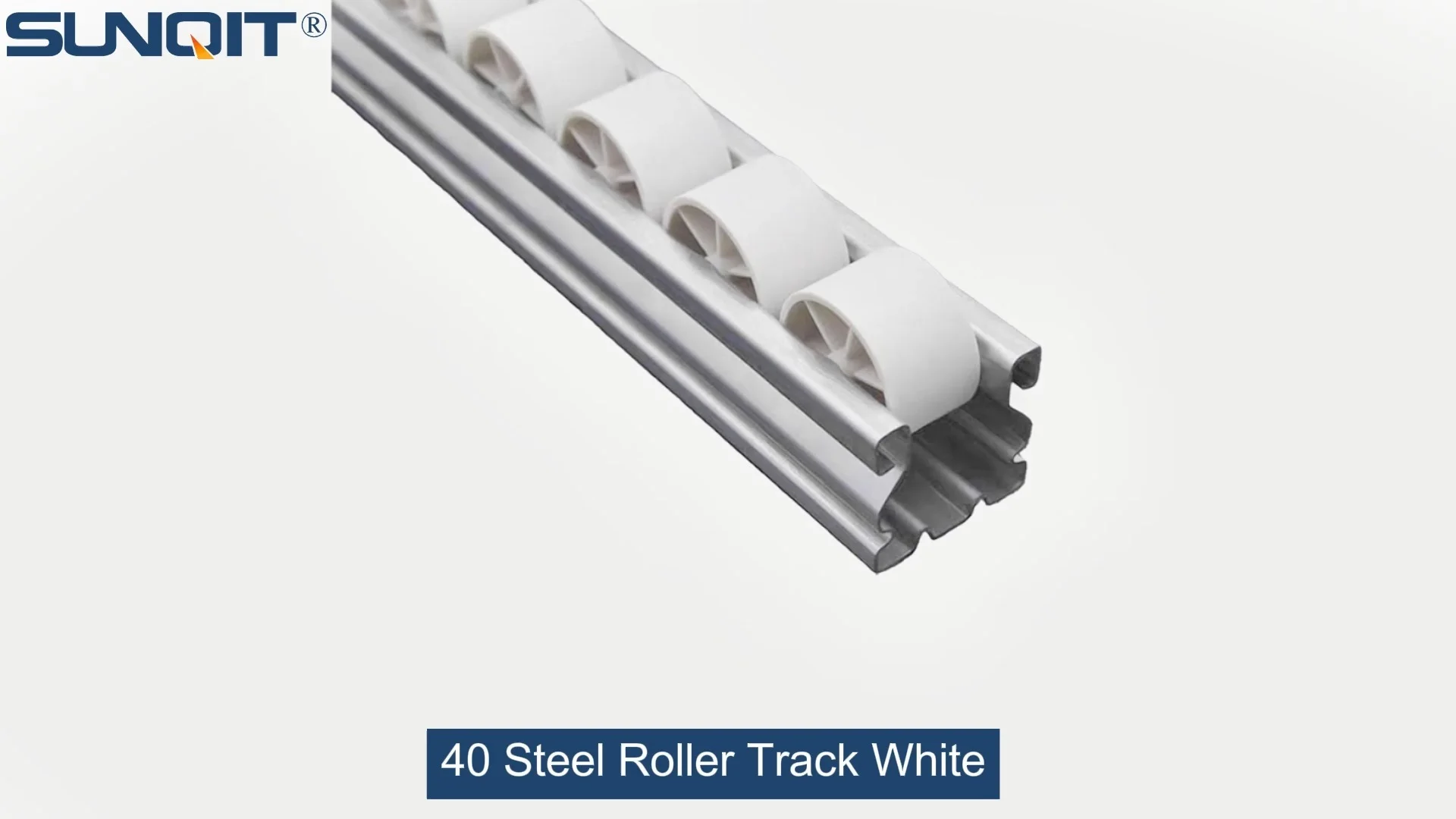
40 Steel Roller Track White
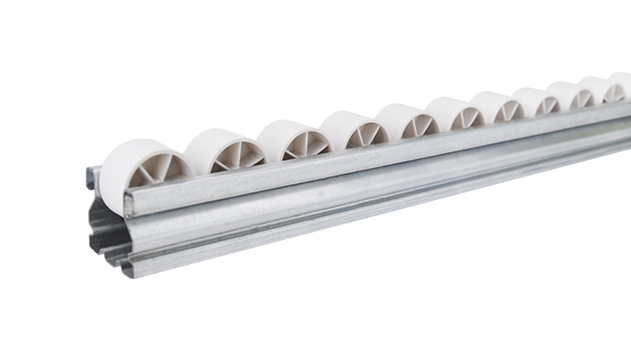
The roller track can be installed with multiple accessories to create different slopes and configurations of flow racks.All steel conveyor 40 roller track accessories are engineered to perfectly fit the sliding rail.It is enable the movement of SLC boxes.
If you've ever managed a production line or walked through a bustling warehouse, you know how much depends on reliable material handling equipment. A single rusted roller track can throw an entire operation off balance—causing jams, slowing down part movement, and leading to costly downtime. That's why choosing the right roller track coating isn't just a cosmetic decision; it's a strategic one for long-term efficiency and cost savings. Today, we're diving deep into the
40 Steel Roller Track White Coating
—a solution that's gaining traction in industries from 3C assembly to medical device manufacturing for its exceptional anti-corrosion properties.
What Is 40 Steel Roller Track White Coating?
Let's start with the basics. The 40 Steel Roller Track White Coating is a specialized powder coating applied to 40mm steel roller tracks—common components in
flow racks
and
conveyors
used in lean manufacturing systems. Unlike liquid paints, powder coating is a dry finishing process where fine particles of resin and pigment are electrostatically charged and sprayed onto the steel surface. The track is then cured in a high-temperature oven, which melts the powder into a smooth, durable film.
The white color isn't just for aesthetics. It's a functional choice: white reflects light, making it easier to spot dirt, debris, or small damages on the track—critical for maintaining hygiene in industries like medical devices. But the real star here is the anti-corrosion protection it provides. Let's break down what makes this coating so effective.
Deep Dive into Anti-Corrosion Properties
Corrosion is a natural process where steel reacts with oxygen and moisture to form rust. Left unchecked, it weakens the track's structural integrity and can contaminate sensitive parts (like those in 3C products or medical devices). The white coating on the 40 steel roller track fights corrosion through three key mechanisms:
1. Barrier Protection
The coating forms a thick, non-porous layer that acts as a physical barrier between the steel and the environment. It blocks water, oxygen, and other corrosive substances from reaching the steel surface. Unlike thin liquid paints, which can crack or peel over time, the powder coating's high adhesion ensures this barrier stays intact even under heavy use—like when moving heavy bins on a flow rack or transporting parts along a conveyor line.
The coating forms a thick, non-porous layer that acts as a physical barrier between the steel and the environment. It blocks water, oxygen, and other corrosive substances from reaching the steel surface. Unlike thin liquid paints, which can crack or peel over time, the powder coating's high adhesion ensures this barrier stays intact even under heavy use—like when moving heavy bins on a flow rack or transporting parts along a conveyor line.
2. Chemical Resistance
Industrial environments are full of chemicals that can damage uncoated steel: mineral oils from machine parts, cleaning agents used in hygiene-sensitive areas, or even mild acids from manufacturing processes. The white coating on these roller tracks resists most of these chemicals, preventing them from eating away at the steel. This makes it ideal for industries like medical device manufacturing, where strict cleaning protocols are mandatory, or 3C assembly, where oil-based lubricants are common.
Industrial environments are full of chemicals that can damage uncoated steel: mineral oils from machine parts, cleaning agents used in hygiene-sensitive areas, or even mild acids from manufacturing processes. The white coating on these roller tracks resists most of these chemicals, preventing them from eating away at the steel. This makes it ideal for industries like medical device manufacturing, where strict cleaning protocols are mandatory, or 3C assembly, where oil-based lubricants are common.
3. Adhesion Strength
A coating is only as good as its ability to stick to the steel. The powder coating process for this roller track ensures maximum adhesion: the electrostatic charge makes the powder particles cling tightly to the steel, and the high-temperature cure fuses them into a bond that's hard to break. This means the coating won't chip or flake off when parts slide over it or when the track is bumped during line reconfiguration—common in lean manufacturing systems where flexibility is key.
A coating is only as good as its ability to stick to the steel. The powder coating process for this roller track ensures maximum adhesion: the electrostatic charge makes the powder particles cling tightly to the steel, and the high-temperature cure fuses them into a bond that's hard to break. This means the coating won't chip or flake off when parts slide over it or when the track is bumped during line reconfiguration—common in lean manufacturing systems where flexibility is key.
Comparative Analysis: White Coating vs. Other Options
To understand why the white coating stands out, let's compare it to other common roller track coatings. The table below looks at key factors like anti-corrosion performance, chemical resistance, and visibility of damage:
| Coating Type | Anti-Corrosion Level | Chemical Resistance | Scratch Resistance | Damage Visibility | Best For |
|---|---|---|---|---|---|
| 40 Steel Roller Track White Coating | Excellent | High (resists oils, mild acids) | High | Very High (easy to spot dirt/scratches) | Medical devices, 3C assembly, clean warehouses |
| Yellow Coating | Good | Medium (resists oils but not strong acids) | Medium | Low (dirt blends in) | General manufacturing, auto parts |
| Grey Coating | Good | Medium (resists water but not chemicals) | High | Medium (scratches hard to see) | Heavy-duty warehousing, construction materials |
| Uncoated Steel | Poor | Very Low (prone to rust quickly) | Low | High (rust spots obvious) | Temporary setups, non-critical applications |
As you can see, the white coating outperforms others in anti-corrosion and damage visibility—two critical factors for maintaining a smooth, efficient operation.

Real-World Applications of 40 Steel Roller Track White Coating
This roller track isn't just a theoretical solution—it's used in real-world scenarios across industries. Let's look at some examples:
1. 3C Assembly Lines
In 3C assembly (smartphones, laptops, tablets), sensitive electronic components need to be handled with care. The white coating on these roller tracks resists corrosion from the oils used in assembly and is easy to clean—preventing dust or debris from contaminating parts. Conveyors using these tracks move components from one station to the next, integrating seamlessly with lean pipe workstations for a smooth flow.
In 3C assembly (smartphones, laptops, tablets), sensitive electronic components need to be handled with care. The white coating on these roller tracks resists corrosion from the oils used in assembly and is easy to clean—preventing dust or debris from contaminating parts. Conveyors using these tracks move components from one station to the next, integrating seamlessly with lean pipe workstations for a smooth flow.
2. Medical Device Manufacturing
Medical device manufacturers have strict hygiene standards. The white coating is non-toxic and resists the harsh cleaning agents used to sanitize equipment. Flow racks with these roller tracks are used to store sterile parts, ensuring they stay contamination-free until assembly.
Medical device manufacturers have strict hygiene standards. The white coating is non-toxic and resists the harsh cleaning agents used to sanitize equipment. Flow racks with these roller tracks are used to store sterile parts, ensuring they stay contamination-free until assembly.
3. Warehousing and Logistics
In warehouses, flow racks with white-coated roller tracks are ideal for FIFO (first-in-first-out) inventory management. The coating resists moisture from warehouse floors and the chemicals used in cleaning, ensuring the racks last longer. The white color also makes it easy to spot any damage or debris that could cause jams.
In warehouses, flow racks with white-coated roller tracks are ideal for FIFO (first-in-first-out) inventory management. The coating resists moisture from warehouse floors and the chemicals used in cleaning, ensuring the racks last longer. The white color also makes it easy to spot any damage or debris that could cause jams.
4. Auto Parts Manufacturing
Auto parts are often oily or greasy, but the white coating's chemical resistance means it won't break down. Conveyors using these tracks transport parts from the production line to storage, reducing the need for frequent maintenance.
Auto parts are often oily or greasy, but the white coating's chemical resistance means it won't break down. Conveyors using these tracks transport parts from the production line to storage, reducing the need for frequent maintenance.

Maintenance Tips for Longevity
To get the most out of your 40 Steel Roller Track White Coating, follow these simple maintenance tips:
Tip 1: Clean Regularly
Use a soft cloth and mild detergent to wipe down the tracks. Avoid abrasive cleaners like steel wool or scouring pads—they can scratch the coating. Dry the tracks thoroughly after cleaning to prevent moisture buildup.
Tip 2: Inspect Monthly
Check the tracks for chips, scratches, or rust spots. If you find any, use a touch-up paint that matches the white coating to seal the area. This prevents corrosion from spreading to the rest of the track.
Tip3: Avoid Overloading
While these tracks are durable, overloading them can cause the coating to crack. Follow the manufacturer's weight limits for your specific roller track model.
Tip4: Reconfigure Carefully
When reconfiguring your line (a common practice in lean systems), be gentle with the tracks. Avoid dragging them across rough surfaces or bumping them into other equipment—this can chip the coating.
Integration with Lean Manufacturing Systems
Lean manufacturing is all about reducing waste, increasing flexibility, and improving efficiency. The 40 Steel Roller Track White Coating fits perfectly into this philosophy for several reasons:
1. Reusability
The durable coating means the tracks can be reused when you reconfigure your line. Unlike uncoated tracks that rust and need replacement, these tracks stay in good condition for years—reducing waste and saving money.
The durable coating means the tracks can be reused when you reconfigure your line. Unlike uncoated tracks that rust and need replacement, these tracks stay in good condition for years—reducing waste and saving money.
2. Flexibility
These tracks are modular, so you can easily adjust their length or position to fit your changing needs. Whether you're adding a new flow rack or modifying a conveyor line, the white coating stays intact—making reconfiguration quick and easy.
These tracks are modular, so you can easily adjust their length or position to fit your changing needs. Whether you're adding a new flow rack or modifying a conveyor line, the white coating stays intact—making reconfiguration quick and easy.
3. Waste Reduction
The anti-corrosion properties reduce downtime from maintenance and replacement, cutting down on waste. The smooth flow of parts on these tracks also reduces the risk of damage to components—another form of waste in lean manufacturing.
The anti-corrosion properties reduce downtime from maintenance and replacement, cutting down on waste. The smooth flow of parts on these tracks also reduces the risk of damage to components—another form of waste in lean manufacturing.
Szsunqit.com, a leading supplier of lean manufacturing equipment, offers this roller track as part of their
lean system
solutions. Their custom designs allow you to integrate these tracks into your existing setup—whether you're in 3C assembly, medical devices, or warehousing.
Customization Options
Every business has unique needs, and szsunqit.com understands that. They offer custom solutions for the 40 Steel Roller Track White Coating:
1. Length and Size
Need a specific length for your flow rack or conveyor? They can cut the tracks to your exact measurements.
Need a specific length for your flow rack or conveyor? They can cut the tracks to your exact measurements.
2. Specialized Coatings
If you need extra chemical resistance (for example, in a lab environment), they can adjust the coating formula to meet your requirements.
If you need extra chemical resistance (for example, in a lab environment), they can adjust the coating formula to meet your requirements.
3. Integration with Other Equipment
They can design the tracks to work with other lean manufacturing equipment—like lean pipe workstations, turnover trolleys, or material racks. This ensures a seamless flow from storage to assembly.
They can design the tracks to work with other lean manufacturing equipment—like lean pipe workstations, turnover trolleys, or material racks. This ensures a seamless flow from storage to assembly.
Conclusion
The 40 Steel Roller Track White Coating is more than just a pretty face—it's a durable, corrosion-resistant solution that helps businesses across industries streamline their operations. Its barrier protection, chemical resistance, and high adhesion make it ideal for lean manufacturing systems, where reliability and flexibility are key. Whether you're in 3C assembly, medical device manufacturing, or warehousing, this roller track is a smart investment that will save you time and money in the long run.
If you're looking to upgrade your material handling equipment, consider the 40 Steel Roller Track White Coating. With its exceptional anti-corrosion properties and integration with lean systems, it's a choice that will keep your line moving smoothly for years to come.