- Company Articles
- Products and Technology
- Product knowledge
- 40 Steel Roller Track White vs. Galvanized: Coating Differences & Performance

40 Steel Roller Track White vs. Galvanized: Coating Differences & Performance
Related Product
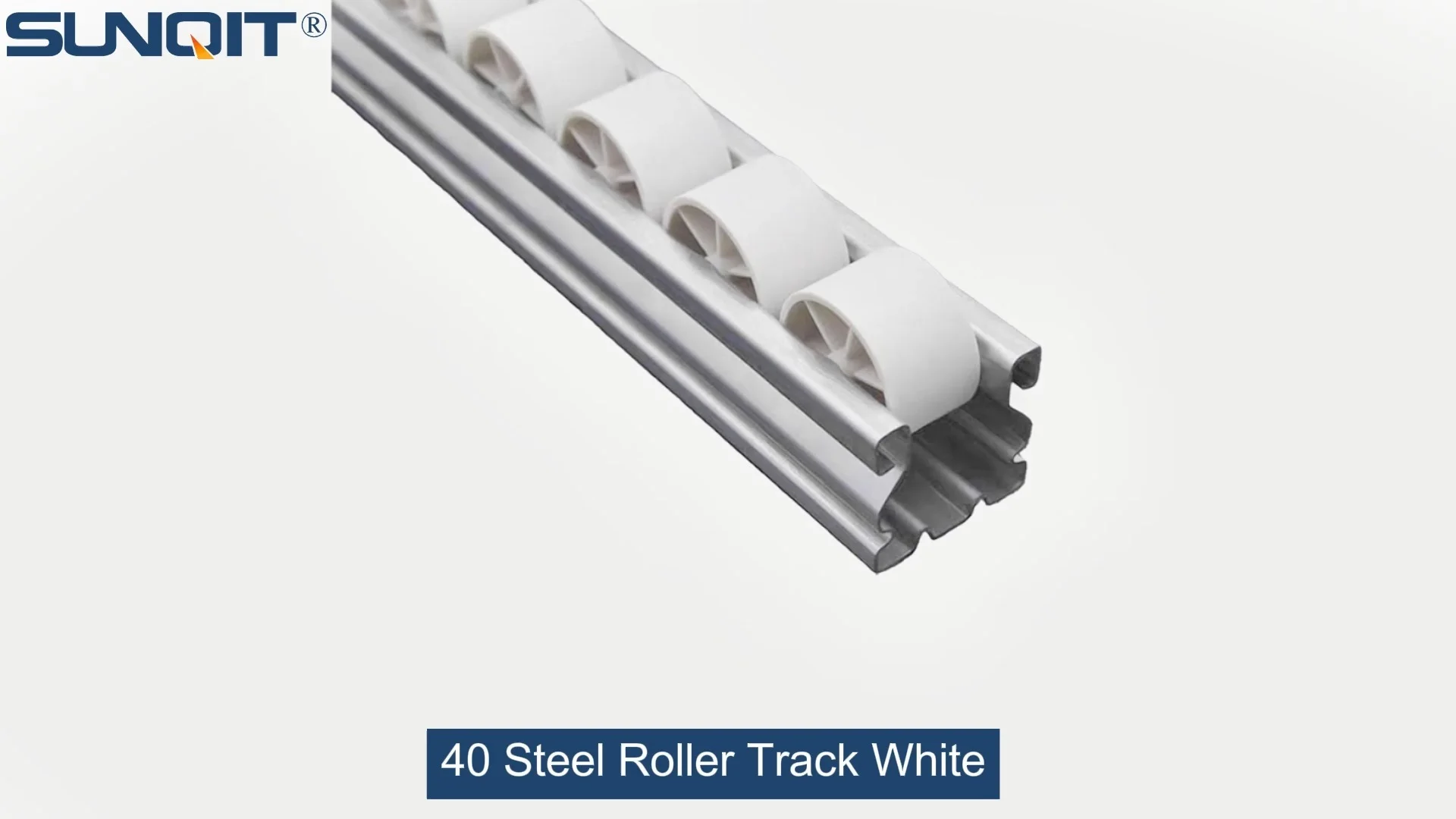
40 Steel Roller Track White
The roller track can be installed with multiple accessories to create different slopes and configurations of flow racks.All steel conveyor 40 roller track accessories are engineered to perfectly fit the sliding rail.It is enable the movement of SLC boxes.
Roller tracks are the unsung heroes of modern manufacturing and warehousing. They quietly keep materials moving smoothly on flow racks, conveyors, and lean pipe workbenches, ensuring that production lines stay efficient and inventory is easy to access. If you've ever worked in a factory or warehouse, you've probably seen them—those metal tracks that let bins glide effortlessly. Among the most popular options are 40 steel roller tracks, but when it comes to choosing between white coated and galvanized variants, many people get stuck. What's the real difference between these two coatings? How do they perform in different environments? Which one is right for your lean solution needs? Let's dive in and break it all down.
What Are 40 Steel Roller Tracks?
First, let's get on the same page about what 40 steel roller tracks actually are. The "40" here refers to the width of the track, typically 40mm, which is a standard size used in many industrial applications. Made from sturdy steel, these tracks are designed to support the weight of bins, boxes, and other materials as they slide along. You'll find them in flow racks where parts are picked in sequence, on conveyors that move products from one station to another, and even integrated into lean pipe workbenches to create custom material handling setups. They're a core component of any efficient lean system, helping to reduce waste and improve workflow.
Coating Differences: White vs. Galvanized
Galvanized Coating
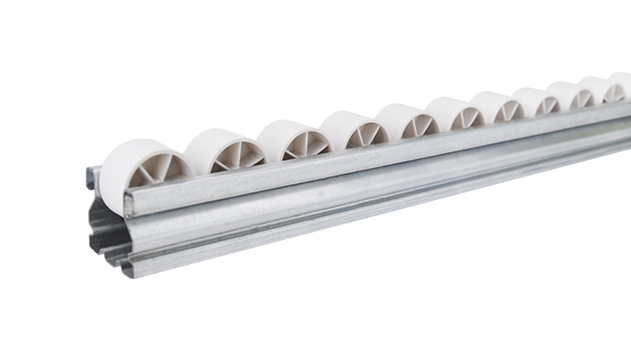
Galvanized 40 steel roller tracks get their coating through a process called galvanization, which involves applying a layer of zinc to the steel surface. There are two main methods: hot-dip galvanizing and electro-galvanizing. Hot-dip is the more common one for heavy-duty applications—it involves dipping the steel track into a bath of molten zinc, creating a thick, durable layer. Electro-galvanizing uses an electric current to deposit zinc onto the steel, resulting in a thinner but more uniform coating. The end result is a track with a matte silver finish that's instantly recognizable.
The zinc layer acts as a sacrificial barrier: if the coating gets scratched, the zinc will corrode first, protecting the underlying steel from rust. That's a big plus for environments where moisture is a concern. Galvanized coatings are also resistant to minor abrasions, making them a reliable choice for high-traffic areas.
White Coated
White coated 40 steel roller tracks use powder coating, a process that involves electrostatically applying a dry powder (usually polyester or epoxy) to the steel surface, then curing it in an oven. The powder melts and forms a smooth, hard coating that adheres tightly to the steel. The white color gives these tracks a clean, modern look that fits well in contemporary industrial spaces.
Unlike galvanized coating, powder coating works as a physical barrier: it seals the steel from the environment, preventing moisture and oxygen from reaching the metal. However, if the coating is scratched or chipped, the exposed steel can start to rust unless the damage is repaired. This makes white coated tracks better suited for environments where scratches are less likely to occur, or where regular maintenance is feasible.
Performance Comparison
Corrosion Resistance
Corrosion resistance is a key factor when choosing between these two coatings. Galvanized tracks excel in wet or outdoor environments. The zinc layer provides excellent protection against rain, humidity, and even mild chemicals. If you're using roller tracks in a warehouse that's not climate-controlled, or in an outdoor storage area, galvanized is a solid choice. White coated tracks, while resistant to corrosion in dry indoor environments, aren't as tough when exposed to moisture. A scratch in the white coating can lead to rust spots if not fixed, so they're better suited for clean, dry spaces like assembly lines in 3C factories or medical equipment facilities.
Durability & Wear Resistance
When it comes to durability, both coatings have their strengths. Galvanized tracks are known for their scratch resistance. The thick zinc layer can handle minor bumps and scrapes without losing its protective properties. White coated tracks, however, are more prone to scratches. A deep scratch can penetrate the powder coating, exposing the steel underneath. That said, the powder coating is hard and resistant to chipping if handled carefully. For high-traffic areas where bins are constantly sliding, galvanized tracks might hold up better over time. But in areas where materials are handled gently, white coated tracks can last just as long.
Maintenance Needs
Maintenance is another important consideration. Galvanized tracks are low-maintenance. They don't require regular touch-ups—just a quick wipe down to remove dirt. Even if they get scratched, the zinc will continue to protect the steel, so you don't have to worry about immediate rust. White coated tracks need a bit more care. If you notice a scratch, you should touch it up with matching white paint to prevent rust. Also, since the white surface shows dirt more easily, you might need to clean them more often to keep them looking neat. This is especially true in industries where cleanliness is a priority, like food processing or medical device manufacturing.
Aesthetic & Cleanliness
Let's talk about looks. White coated tracks have a clean, professional appearance that fits well in modern factories and warehouses. They brighten up the space and make it easier to spot dirt or debris, which is great for maintaining a hygienic environment. Galvanized tracks have a more industrial, utilitarian look. While they're functional, they don't add much to the aesthetic of the space. If your facility prioritizes a clean, organized look—like a 3C assembly line where appearance matters to clients or inspectors—white coated tracks are the way to go. But if you're more focused on function over form, galvanized tracks work just fine.
Cost Analysis
Cost is always a factor. Galvanized tracks are generally more affordable than white coated ones. The galvanization process is less expensive than powder coating, especially for large quantities. White coated tracks cost a bit more because of the additional steps involved in powder coating (preparing the surface, applying the powder, curing in an oven). However, the difference in cost might be worth it if you need the aesthetic or cleanliness benefits of white coating. For example, if you're setting up a lean pipe workbench in a medical facility, the extra cost for white coated tracks could be justified by the need for a sterile environment. On the other hand, if you're building a flow rack for outdoor storage, galvanized tracks are a more cost-effective choice.
Temperature Resistance
Temperature resistance is a lesser-known but important factor. Galvanized tracks can handle higher temperatures than white coated ones. The zinc coating remains stable up to around 400°C, making them suitable for environments with high heat, like near ovens or furnaces. White coated tracks, however, have a lower temperature limit. Most powder coatings start to degrade at around 180-200°C. So if your application involves exposure to high temperatures, galvanized tracks are the better option. For normal indoor temperatures, both coatings perform well.

Side-by-Side Comparison Table
| Aspect | White Coated 40 Steel Roller Track | Galvanized 40 Steel Roller Track |
|---|---|---|
| Coating Process | Powder coating (polyester/epoxy) | Hot-dip or electro-galvanizing |
| Appearance | Smooth white, clean look | Matte silver, industrial look |
| Corrosion Resistance | Good (dry indoor), poor (wet) | Excellent (wet/outdoor) |
| Scratch Resistance | Moderate (scratches expose steel) | High (zinc protects even when scratched) |
| Maintenance | Needs touch-ups for scratches, more cleaning | Low maintenance, minimal cleaning |
| Cost | Slightly higher | More affordable |
| Best Applications | Clean indoor (3C, medical, food) | Wet/outdoor (warehousing, agriculture) |
| Temperature Resistance | Up to 180-200°C | Up to 400°C |

How to Choose the Right Track for Your Needs
So, how do you decide which one is right for your needs? Let's break it down step by step:
1. Environment: Where will the tracks be used? If it's outdoors or a wet area, go with galvanized. If it's a dry, clean indoor space, white coated is better.
2. Industry Requirements: Are you in a field where cleanliness is critical? Medical, food, or 3C industries benefit from white coated tracks. For heavy-duty manufacturing or warehousing, galvanized is more practical.
3. Budget: If cost is a top priority, galvanized tracks are cheaper. If you can afford a bit more for aesthetics or cleanliness, white coated is worth it.
4. Aesthetic Preferences: Do you want your facility to look modern and clean? White coated tracks add to that. If function is all that matters, galvanized is fine.
5. Temperature Exposure: If your tracks will be near high heat sources, galvanized is the way to go.
For example, if you're setting up a flow rack in a 3C assembly line, white coated tracks are ideal. They look clean, fit the modern factory aesthetic, and perform well in the dry indoor environment. On the other hand, if you're building a conveyor for outdoor storage of agricultural products, galvanized tracks are the better choice—they can handle rain and humidity without rusting.
Conclusion
Choosing between white coated and galvanized 40 steel roller tracks isn't about which one is "better"—it's about which one fits your specific needs. Both are excellent options for different scenarios. Galvanized tracks are durable, affordable, and perfect for wet or outdoor environments. White coated tracks are clean, aesthetically pleasing, and ideal for dry indoor spaces where cleanliness matters. Whether you're building a flow rack, a conveyor, or a lean pipe workbench, understanding the coating differences and performance characteristics will help you make the right decision for your lean solution. So take a moment to assess your environment, industry requirements, and budget, and you'll find the perfect roller track for your needs.
In the end, the goal is to create an efficient, reliable material handling system that supports your lean manufacturing goals. Both white coated and galvanized 40 steel roller tracks can help you achieve that—you just need to pick the one that aligns best with your unique situation.